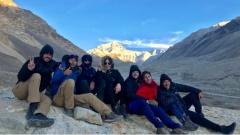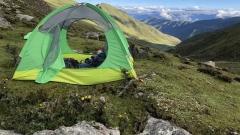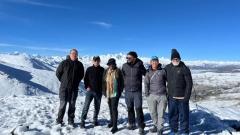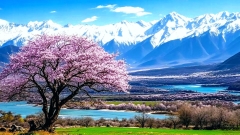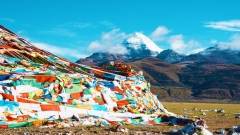

In Tibet, landscapes are divided into two kinds: the gentle and the wild. If Lhasa represents the gentle cultural heart, then Nagqu is the wild soul. Located in northern Tibet, it is one of the highest and most untouched high-altitude regions in the world—home to boundless Changtang grasslands, grand lakes, the migration routes of Tibetan antelopes, and scattered nomad tents. Travelers often call it “the homeland of the wind beneath the sky.”
Nagqu offers a blend of desolation and grandeur, solitude and freedom. There are no overly commercialized streets—only rare, pristine scenery. If you wish to see the most authentic face of Tibet and its original natural landscapes, Nagqu must be on your travel map.
Understanding Nagqu: The Heart of Northern Tibet
“Nagqu” means Black River in Tibetan. It is the largest prefecture-level region in Tibet, with an average elevation above 4,500 meters, and is home to one of the world’s largest high-altitude grasslands.
Here, it is not human culture that dominates—but heaven and earth itself.
Four Key Characteristics of Traveling in Nagqu
- Wild nature — Tibetan antelopes, wild yaks, kiangs, foxes
- Mystic lakes — Serling Tso, Tso’e Lake, Namtso
- Nomadic culture — tents, herds, and pastoral life
- World-class night sky — no light pollution, ideal for photography
Many travelers say Nagqu “doesn’t feel like Earth”—even photographers call it the easiest place in China to capture scenes that look extraterrestrial.
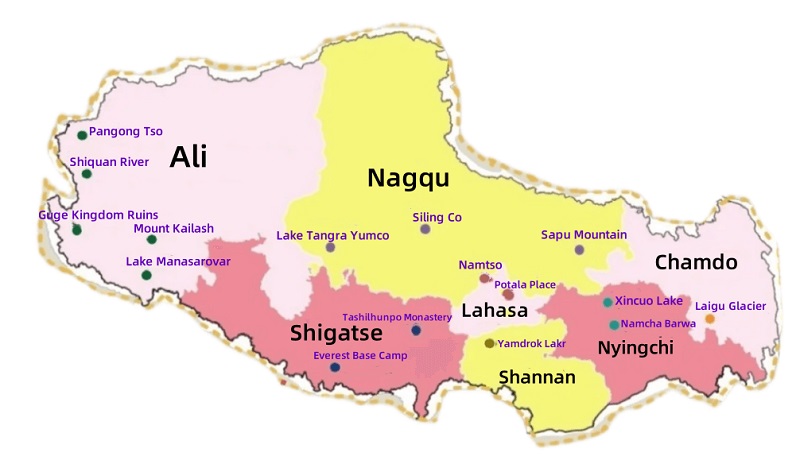
Nagqu Map
Best Seasons to Visit: One Trip Can Capture a Lifetime of Beauty
Highly Recommended: June – September
- Pleasant temperatures
- Lush grasslands
- Tibetan antelope migration season
- Roads in good condition
- The vibrant Nagqu Horse Racing Festival
Possible: May & October
- Beautiful scenery but colder
- Some roads may have ice or snow
Not Recommended: November – April
- Harsh winter, temperatures dropping below -30°C
- Snow-covered roads
- Hard to observe wildlife
If you only plan to visit Tibet once, summer is the perfect time to explore Nagqu.
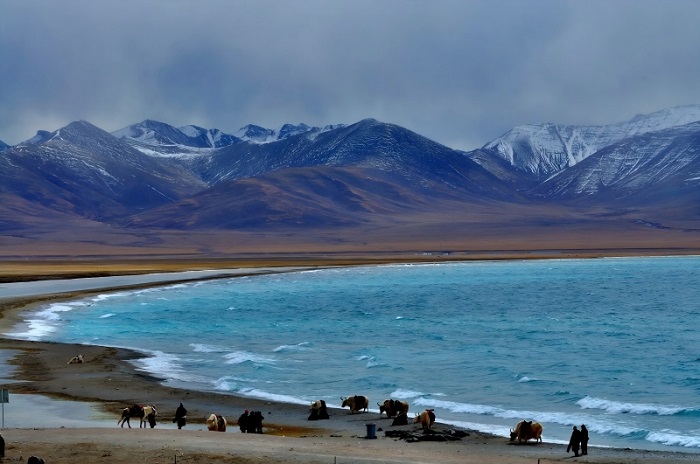
Namtso
How to Reach Nagqu: From Civilization Into the Wilderness
From Lhasa (most common)
- By car / private vehicle: 5–6 hrs
- By Qinghai-Tibet Railway: 3.5–4 hrs
- By long-distance bus: less recommended
From Xining, Qinghai (favored by seasoned travelers)
- Drive south along the Qinghai–Tibet Highway
- See wildlife along the route
- Spectacular, more desolate scenery
Flights
Flights to Nagqu are limited; most travelers choose land transportation.
Must-See Attractions in Nagqu: Masterpieces Painted by Nature
Nagqu’s attractions are mostly natural—vast, raw, and soul-stirring. Below are the most iconic highlights.
Changtang National Nature Reserve: The Wildest Region in China
Changtang’s beauty lies in its emptiness and its vastness. It is the world’s third-largest nature reserve—ten times the size of Taiwan.
Highlights
- Herds of Tibetan antelopes
- Endless high-altitude grasslands
- Wild yaks, kiangs, foxes, black-necked cranes
- Stunning starry skies
Most deep routes into Changtang require guides and professional support.
Serling Tso: The Ultimate Expression of Desolate Beauty
Serling Tso, the second-largest lake in Tibet, is even more untouched than Namtso. Travelers often describe it as:A dark blue lake you will never forget after a single glance
Highlights:
- Deep, cold-toned blue waters
- Frequent wildlife sightings
- Surrounded by vast uninhabited lands
Baingoin County: Where Grasslands Meet Lakes
A paradise for photographers:
- Mountains, lakes, and grasslands forming a single line
- Crystal-clear skies
- Nomad tents scattered across the landscape
Also one of the best places for star trails and Milky Way photography.
Namtso (near the southern border of Nagqu)
Although under Lhasa’s administration, many Nagqu itineraries include this iconic lake.
Namtso is one of the most beautiful lakes in Tibet, often called “the dream lake.”
Here you will find:
- Snow peaks reflected on the water
- Golden sunset across the lake
- A peaceful star-filled night
Nagqu Horse Racing Festival (August)
If Nagqu’s everyday landscape is quiet and spacious, the Horse Racing Festival is its explosive cultural counterpart.
Events include:
- Horse racing
- Tibetan wrestling
- Archery, singing, dancing
- Traditional costume showcases
- Large nomadic gatherings
It is the most important cultural event in northern Tibet.
Xainza County: Home of Black-Necked Cranes and Nomads
Xainza is considered the most representative small town of the northern Tibetan grasslands.
Highlights:
- Black-Necked Crane Reserve
- Authentic nomadic life
- Spectacular sunsets and silhouettes of herds
A perfect place to experience real Tibetan pastoral culture.
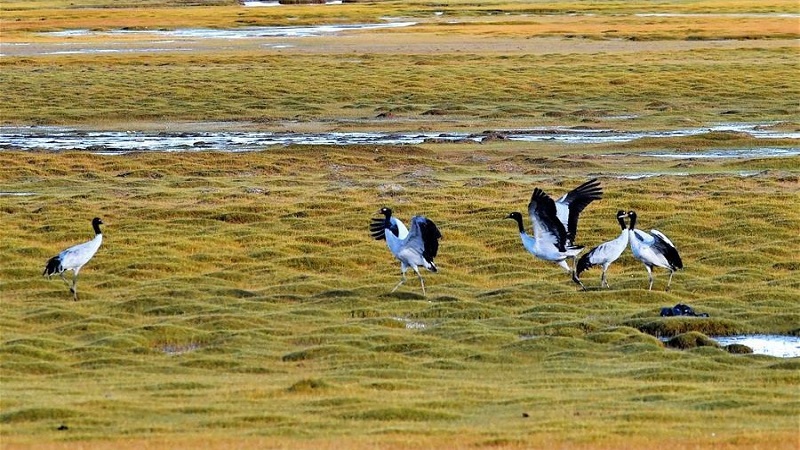
Changtang National Nature Reserve
Classic Itinerary: Lhasa + Nyingchi + Shigatse + Everest + Namtso (11 Days)
- Day 1:Arrival in Lhasa — Hada welcome — Oxygen hotel check-in
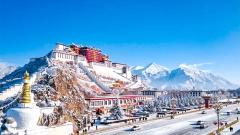
- Day 2:Lhasa city tour: Potala Palace, Jokhang Temple, Barkhor Street — Free Potala afternoon tea
- Day 3:Lhasa → Kadinggou Waterfall → Nyingchi
- Day 4:Nyingchi → Mt. Namjagbarwa → Lulang Forest → Nyingchi
- Day 5:Nyingchi → Basum Tso → Lhasa
- Day 6:Lhasa → Yamdrok Lake → Karola Glacier → Shigatse
- Day 7:Shigatse → Tingri → Everest Base Camp
- Day 8:EBC → Tingri → Shigatse
- Day 9:Shigatse → Tashilhunpo Monastery → Lhasa
- Day 10:Lhasa → Northern Tibetan Grassland → Namtso → Lhasa
- Day 11:Transfer to train / airport
Important Travel Tips for Nagqu
Nagqu’s beauty is unmatched, but its environment can be harsh. Please note:
Altitude Sickness
- Avoid strenuous activity upon arrival
- Stay hydrated; glucose water helps
- Descend immediately if symptoms worsen
- Acclimatize in Lhasa for 1–2 days
Cold, Windy, and Dry Climate
Bring:
- Down jacket
- Windproof outerwear
- Sunscreen
- Warm hat & gloves
Long Distances & Bumpy Roads
- Best to hire a private car or join a tour
- Avoid driving at night
Simple Accommodation
- Mostly small guesthouses
- Some places don’t accept cards
- Limited internet access
Respect Ecology & Local Culture
- Don’t disturb wildlife
- Avoid stepping into pasture areas
- Respect nomadic customs
Who Should Visit Nagqu?
Suitable for:
- Nature lovers
- Travelers seeking authentic northern Tibet scenery
- Photographers, stargazers, wildlife observers
- Adventurous travelers seeking unique experiences
Not suitable for:
- People with serious heart or lung conditions
- Travelers who require high comfort
Journeying into Nagqu Is Stepping Toward the Edge of the World
Nagqu is not an ordinary travel destination. It is a spiritual trial, a baptism by nature, and a place that stays in one’s memory for a lifetime. The winds are cold, the sun is intense, and the roads are long—but the landscapes are the purest, widest, and most soul-stirring you will ever encounter. Everyone who has been to Nagqu says the same thing: this is the closest place where the earth touches the sky.
If you wish to explore northern Tibet in a safe, comfortable, and in-depth way, China Dragon Travel will provide professional route planning, private car and driver services, and comprehensive high-altitude travel support—guiding you into the most mysterious corners of Tibet. Let your journey feel safer, and let the scenery shine even brighter. Your next high-altitude story begins with China Dragon Travel.