
For first-time travelers to Tibet, choosing where to start—Nyingchi or Lhasa—can significantly shape the entire experience. While both destinations are located within the Tibet Autonomous Region, they offer very different environments, altitudes, and travel styles.
If your main concern is altitude adaptation, scenery, or overall comfort, this comparison will help you decide which destination is better suited for your first journey to Tibet.
Understanding the Core Difference
At a glance, the difference between Nyingchi and Lhasa comes down to altitude and atmosphere.
Lhasa sits at about 3,650 meters, representing the classic image of Tibet with monasteries, pilgrims, and strong religious culture.
Nyingchi, on the other hand, is much lower at around 3,000 meters or below in some areas, with a climate and landscape that feel closer to alpine forests than the typical Tibetan plateau.
This distinction directly affects how your body reacts and what kind of experience you will have.
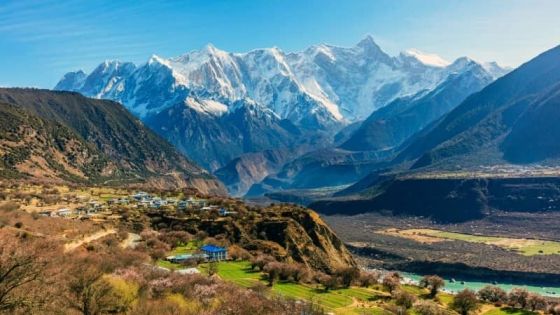
Nyingchi
Altitude and Acclimatization: A Key Factor
For first-time visitors, altitude is often the biggest challenge.
Lhasa:
At 3,650 meters, many travelers experience mild altitude symptoms such as headaches or fatigue, especially on the first one or two days. Proper rest is essential.
Nyingchi:
With a lower altitude and higher oxygen levels, Nyingchi is widely considered one of the best entry points for acclimatization. The body adjusts more gradually, reducing the risk of altitude sickness.
If you are particularly concerned about altitude, starting in Nyingchi is generally the safer option.
Landscape and Scenery
The visual experience in these two regions is completely different.
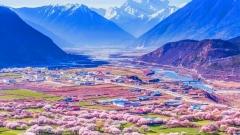
Nyingchi feels lush and diverse:
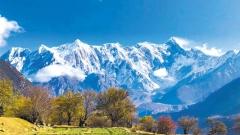
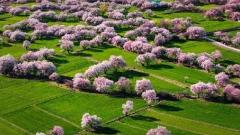
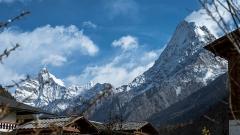
Dense forests, rivers, snow-capped peaks, and seasonal flowers (especially peach blossoms in spring) define the landscape. It is often described as the “Switzerland of Tibet.”
Lhasa offers classic Tibetan scenery:
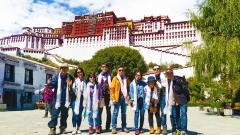
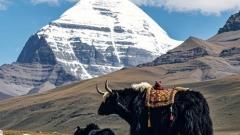
Vast open skies, high-altitude valleys, and iconic architecture such as the Potala Palace create a more traditional plateau atmosphere.
If you prefer green landscapes and milder environments, Nyingchi stands out. If you are seeking iconic Tibetan imagery, Lhasa delivers that experience.
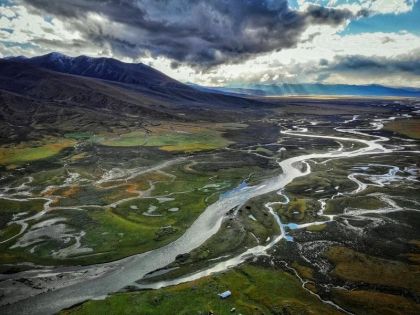
The Lhasa River Valley
Cultural Experience
Culture is where Lhasa clearly takes the lead.
Lhasa is the spiritual center of Tibet:
It is home to major landmarks like Potala Palace, Jokhang Temple, and Barkhor Street, where you can observe daily religious practices and pilgrimages.
Nyingchi has a lighter cultural atmosphere:
While there are local traditions and monasteries, the overall experience is less intense and more nature-focused.
For travelers interested in Tibetan Buddhism and history, Lhasa is essential.
Accessibility and Travel Logistics
Getting to and around each destination also differs.
Lhasa:
Well connected by flights and the Qinghai-Tibet Railway, with mature tourism infrastructure and a wide range of hotels and services.
Nyingchi:
Accessible mainly by flights (via Nyingchi Mainling Airport) or overland routes. Infrastructure is improving but still less developed compared to Lhasa.
Most Tibet itineraries either start in Lhasa or combine both destinations.
Which One Is Better for First-Time Travelers?
The answer depends on your priorities.
Choose Nyingchi if you want:
- A gentler introduction to high altitude
- More comfortable breathing conditions
- Nature-focused scenery and a relaxed pace
Choose Lhasa if you want:
- A classic Tibet experience
- Deep cultural and religious immersion
- Convenient transportation and well-developed services
For many travelers, the best approach is not choosing one over the other—but combining both.
A Smarter Option: Start in Nyingchi, Then Travel to Lhasa
A popular itinerary design is to enter Tibet via Nyingchi and gradually travel to Lhasa.
This approach allows you to:
- Adapt to altitude more naturally
- Enjoy diverse landscapes along the way
- Arrive in Lhasa better prepared physically
It’s often considered the most balanced route for first-time visitors.
Practical Advice for Your First Tibet Trip
Before making your decision, consider a few practical points:
- Allow at least 1–2 days for acclimatization
- Avoid strenuous activity upon arrival
- Stay hydrated and move at a slower pace
- Plan your itinerary with gradual altitude gain whenever possible
Because travel in Tibet requires permits and organized arrangements, many first-time visitors choose to travel with a professional agency to ensure a smooth experience.
Making the Right Choice for Your Tibet Journey
There is no universal “better” option between Nyingchi and Lhasa—only the one that fits your travel style and physical comfort level.
If your priority is safety and ease of adjustment, Nyingchi is the ideal starting point. If your goal is to experience the essence of Tibetan culture, Lhasa is indispensable.
For the most complete and comfortable journey, combining both—starting low and moving higher—is often the best strategy for a first trip to Tibet.