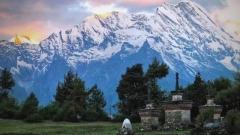

Tibet in winter sheds the hustle and bustle of the tourist peak season and shows the purest charm of the snow-covered plateau. Traveling to Mount Everest Base Camp in winter is a challenge. However, extreme low temperatures, harsh climates, higher risks, and the closure of service facilities require travelers to make thorough preparations. This is not just a trip, but a test of physical and mental endurance to the limits of nature. This article analyzes the advantages and disadvantages of traveling to Everest Base Camp in winter, and help you with pre-trip preparations and itinerary planning, ensuring you an unforgettable polar pilgrimage of a lifetime.
Advantages of Winter Travel to Everest Base Camp
Before planning a winter itinerary, you must clearly understand the opportunities and challenges brought by this unique season. Unlike the lively peak season, Everest in winter presents extreme tranquility and purity, accompanied by extreme harshness. Traveling to Everest Base Camp in winter, you will experience a completely different scenery:
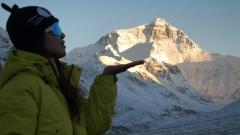
- Exceptional Visibility: Winter is the dry season on the Qinghai-Tibet Plateau, with scarce precipitation. The probability of cloud cover is greatly reduced, so the chance to see the full view of Mount Everest and other contiguous snow-capped peaks is much higher than in other seasons.
- Fewer Tourists: In winter, you can completely avoid crowds and enjoy the almost exclusive quietness of Everest. You will experience a purer beauty far away from the hustle and bustle of cities. The outline of snow-capped peaks is more sharp and distinct, glaciers glow with a faint blue light, glacial lakes may be completely frozen, and the snow-covered land is like a fairy-tale world, providing you with an unparalleled visual feast.
- Relatively Lower Costs: Due to the off-season, the costs are significantly lower than those in the peak season from May to October, making the overall travel budget more flexible and controllable.
Traveling to Everest Base Camp in winter is only suitable for experienced travelers or adventure enthusiasts who are in good health, have rich plateau travel experience, and have made sufficient psychological and material preparations. It is not recommended for first-time Tibet visitors or those with uncertain physical conditions to attempt.
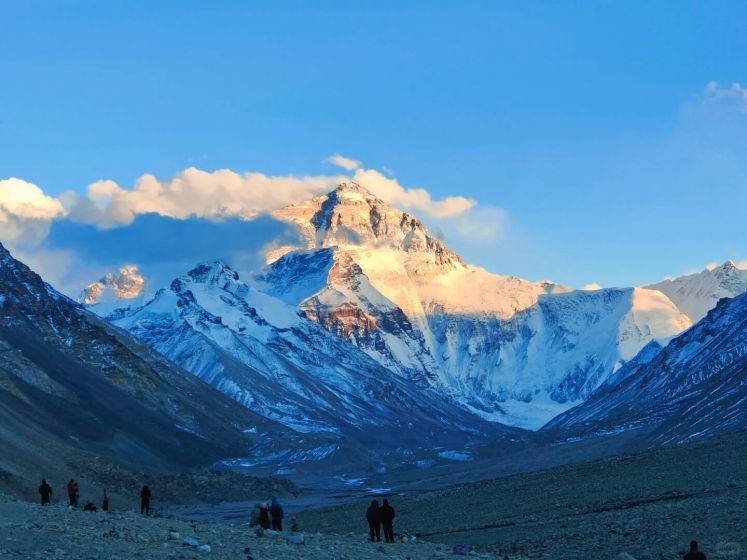
Mount Everest
Challenges of Winter Travel to Everest Base Camp
- Extreme Low Temperatures: The altitude of Everest Base Camp is about 5,200 meters. The nighttime temperature can easily drop below minus 20 degrees Celsius, accompanied by continuous and strong cold winds. The wind-chill effect will make the perceived temperature even lower. Any oversight may quickly lead to hypothermia, which is extremely dangerous.
- Altitude Sickness: The low-temperature environment itself increases the cardiopulmonary load and oxygen consumption of the human body, which may cause altitude sickness symptoms to appear earlier and more intensely, and the risk of developing acute mountain sickness also increases accordingly.
- Inconvenient Transportation: Heavy snow is likely to cause temporary closure of key road sections. The risks of itinerary delays, interruptions, or even forced cancellations are significantly increased, requiring the itinerary planning to leave sufficient buffer time and flexible contingency plans.
- Limited Service Facilities: Most tourist service facilities are closed in winter. After Tingri County, especially in the Rongbuk Monastery and Base Camp areas, the number of open hotels and restaurants is very small, with extremely harsh conditions, possibly only providing basic accommodation and simple meals.
- Physical Fitness Requirements: This trip is a comprehensive ultimate test of travelers’ physical endurance, low-temperature tolerance, plateau adaptability, and psychological resilience. It requires participants to not only have a strong physique but also a calm mind and tenacious will.
Essential Preparations for Winter Travel to Everest Base Camp
Health Screening
Based on the above challenges, thorough preparations are essential for traveling to Everest Base Camp in winter to set off with ease. It is recommended that you undergo a strict physical examination before departure, acclimatize to the plateau environment in advance, and prepare sufficient medicines. The following essential preparations will directly determine the quality and safety of your trip:
- Comprehensive Physical Examination: Conduct a full health check-up before departure, focusing on heart, lung, and cerebrovascular functions to ensure there are no contraindications.
- Advance Acclimatization: It is strongly recommended to arrive in Lhasa at least 2-3 days in advance for step-by-step altitude acclimatization. It is strictly prohibited to fly directly from low-altitude areas and then quickly go to high-altitude regions.
- Adequate Medicine Preparation: Prepare anti-altitude sickness drugs, painkillers, electrolyte supplements, glucose, motion sickness medicine, and personal commonly used medicines. Remember: medicines are auxiliary, and timely descent is fundamental.
Required Documents
- Border Defense Permit: It must be applied for free in advance at the public security organ of the place of household registration, with the destination filled in as “Everest Base Camp, Tingri County, Xigaze Prefecture, Tibet Autonomous Region”. Entrusting the application in Lhasa usually takes time and incurs fees.
- ID Card: The original must be carried with you, as it will be checked frequently at checkpoints along the way. It is recommended to prepare several clear copies of both the front and back sides or save them in your mobile phone for emergency use.
Winter Everest Base Camp Itinerary Planning
A 7-day itinerary is recommended for the winter Everest Base Camp trip, which will make your entire journey more relaxed and avoid a rushed sightseeing experience. 8-Day Classic Tibet Tour: Lhasa, Everest, Namtso & More:
- Lhasa Arrival
- Downtown Lhasa: Potala Palace — Jokhang Temple — Barkhor Street (Complimentary Potala Palace Afternoon Tea)
- Lhasa — Yamdrok Lake — Karola Glacier — Shigatse
- Shigatse — Tingri — E.B.C. (Complimentary Mount Everest Hot Pot)
- E.B.C. — Tingri — Shigatse
- Shigatse — Tashilunpo Monastery — Lhasa
- Lhasa — Namtso Lake — Northern Tibet Grassland — Lhasa
- Lhasa Departure
For more information on Mount Everest travel itineraries in Tibet, please click: Mount Everest Tours
Essential Gears for the Extreme Cold in Everest
Cold-Resistant Clothing
The high-altitude and extremely cold environment has high requirements for the reliability of gear. Your clothing is directly related to body temperature maintenance and activity safety. Here is a layered and systematic gear list and selection points:
- Base Layer (Moisture-Wicking): The key function of the base layer is to quickly wick away sweat and keep the skin dry. Wool materials are highly recommended. Pure cotton must be avoided, as it may aggravate the risk of hypothermia in extreme climates.
- Mid Layer (Insulation): It is recommended to choose breathable and high-loft down jackets or high-performance synthetic fleece jackets, which can provide excellent static insulation. Down has the highest insulation efficiency in extremely dry environments, while synthetic fleece performs more stably in humid environments.
- Outer Layer (Protection): The core function of the outer layer is to resist wind, snow, and rain, while also having a certain degree of breathability to prevent the accumulation of sweat vapor inside. It is recommended to choose a jacket and pants with high waterproof and breathable ratings. Note that the seams should be sealed with tape, and ensure that the hood and cuffs are adjustable to fit the body closely.
Plateau-Specific Gear
- Warmth Gear: A thickened warm hat that covers the ears is essential. For hands, a layered system is recommended: thin fleece gloves for fine operations, and thick waterproof and windproof mountaineering gloves as the outer layer. For feet, high-top waterproof mountaineering boots are needed, paired with Merino wool socks and spare socks. Warm insoles can be added if necessary.
- Sleeping Gear: A down sleeping bag with a comfort temperature rating of -15°C to -20°C is the key to a sound sleep. You can consider matching it with a thin silk or fleece sleeping bag liner, which not only enhances warmth but also keeps the sleeping bag clean.
- Other Essentials: High-SPF sunscreen (SPF50+ or above) and lip balm are needed to combat strong ultraviolet rays and dry air. Prepare sufficient spare batteries for electronic devices and store them close to the body, or use special warm covers to cope with rapid power consumption caused by low temperatures. Always keep high-energy snacks and personal first-aid medicines in your carry-on backpack.
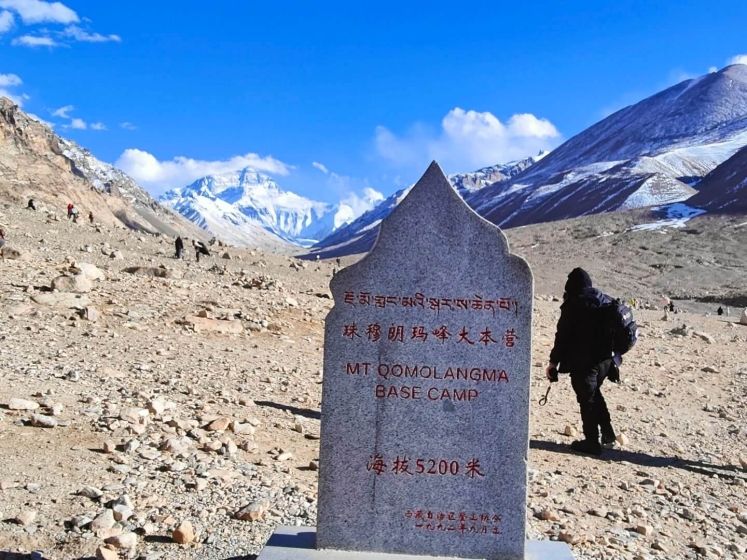
Mount Everest
Q&A for Winter Everest Base Camp Travel
Q1: Is it necessary to carry oxygen when traveling to plateau areas?
It is not recommended for healthy people to use oxygen preventively to avoid dependence. However, 1-2 portable oxygen cylinders should be carried as an emergency backup. Prevention is the key.
Q2: Is it convenient to get supplies along the way to Everest Base Camp?
A: It is relatively convenient before reaching Xigaze. Simple meals are available along the way from Xigaze to Tingri County. After Tingri County, especially in the Rongbuk Monastery area, the options are very limited, so you need to prepare some dry food and drinking water in advance.
Q3: How to deal with road closures due to heavy snow?
This is a typical winter risk. The itinerary must leave sufficient buffer time (1-2 days is recommended). Pay close attention to weather forecasts, maintain communication with the driver/travel agency, wait patiently or adjust the plan, and prioritize safety.
A winter journey to Everest Base Camp is not a conventional trip—it is a serious expedition into extreme altitude, severe cold, and isolation. The rewards are profound: unmatched clarity, solitude, and the raw grandeur of the Himalayas in their purest form. Yet these rewards come only to those who prepare thoroughly, assess risks rationally, and respect the power of nature above all else. With proper planning and caution, a winter visit to Everest Base Camp can become a rare and deeply transformative experience—one defined not by conquest, but by humility and awe.