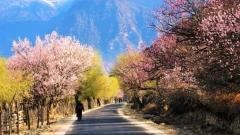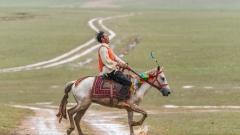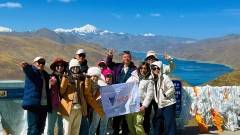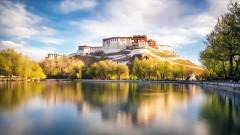

Traveling from Xi’an, the ancient capital of thirteen dynasties, to Lhasa, the sacred city on the snow-capped plateau, the Xi’an to Lhasa train is more than just a transportation journey—it’s a visual feast connecting history and nature, humanity and seclusion. Covering 2,864 kilometers in over 30 hours, this train takes you from the profound heritage of the Loess Plateau to the magnificent vastness of the Qinghai-Tibet Plateau. Whether you want to acclimatize to the high altitude in advance or immerse yourself in the scenery along the way, this train is an excellent choice for traveling to Tibet. This guide details ticket booking, pre-trip preparations, on-board experiences, altitude sickness management, and post-arrival notes to help every traveler embark on this dream journey with ease.
Xi’an to Lhasa Train Routes & Ticket Booking Tips
Currently, there are two Z-class direct trains passing through Xi’an to Lhasa: Z265 and Z165. Both offer the same ticket prices and service standards, differing only slightly in departure and arrival times, allowing travelers to choose based on their itineraries.
Train Z265 departs from Guangzhou and leaves Xi’an at 07:53, arriving in Lhasa at 14:54 the next day, with a total travel time of 31 hours and 1 minute. Train Z165 originates in Shanghai, departs Xi’an at 09:27, and reaches Lhasa at 15:30 the following day, taking 30 hours and 3 minutes. Ticket prices are 293.5 RMB for hard seat, 611.5 RMB for hard sleeper, and 969.5 RMB for soft sleeper. Travelers can select seats based on budget and comfort—hard sleeper is the most cost-effective and popular choice among most visitors.
It’s important to note that Xi’an is only a stopover, not the departure station, so ticket quotas are relatively tight. During the peak travel season (May-October), tickets often sell out instantly. Book tickets 15 days in advance via the official 12306 Railway platform and set reminders to avoid missing the sale. If direct tickets are sold out, try purchasing a short-distance ticket from Xi’an to Xining and then upgrading to Lhasa on board, though success isn’t guaranteed. Additionally, foreign tourists, Taiwanese tourists, and overseas Chinese must present a valid passport or travel permit along with a Tibet Travel Permit to book tickets—plan ahead for document processing.
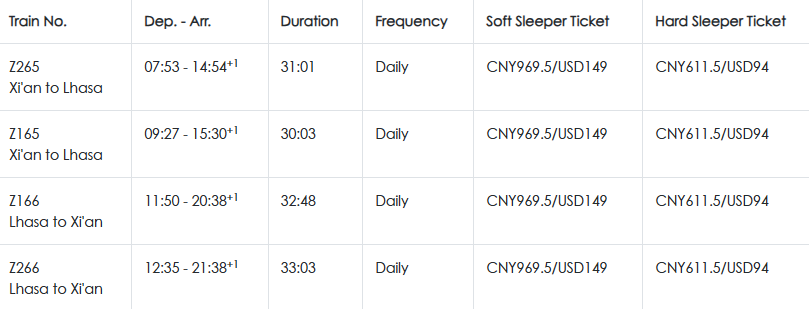
Xi’an ⇋ Lhasa Train Ticket Info
Pre-Trip Essential Packing List
- Documents: Mainland travelers need an original ID card. Foreign and Taiwan/Hong Kong/Macau travelers require a passport, travel permit, and Tibet Travel Permit. Bring copies and electronic backups. Carry some cash, as mobile payments may not be accepted at small shops along the route or in Lhasa.
- Altitude Sickness Supplies: Start taking Rhodiola rosea 7 days before departure and pack Gaoyuan’an Capsules or Gaoyuankang Capsules for the journey. Include glucose oral solution, ibuprofen, band-aids, and Weichangan (for gastrointestinal discomfort) to relieve headaches, nausea, or stomach issues. A finger pulse oximeter helps monitor blood oxygen and heart rate, easing anxiety.
- Clothing: The Qinghai-Tibet Plateau has extreme temperature differences—dress in layers. Pack a waterproof jacket, fleece, light coat, and long-sleeve t-shirts for easy adjustment. Comfortable outdoor or sports shoes are essential for activities after getting off the vehicle.Add a sun hat, sunglasses, and scarf for sun protection and warmth.
- Daily Necessities: The train provides boiling water, so bring a thermos. Due to dry conditions, pack highly moisturizing skincare products, facial masks, and UV-protective lip balm. Since showers aren’t available, bring disposable cleaning wipes and quick-dry towels. A sleeping bag liner, earplugs, and eye mask improve sleep quality—vital for long journeys.
- Other Items: A power bank is a must, as each carriage only has 3 sockets. Bring a camera with spare batteries and memory cards to capture scenery. Pack fruits like apples or oranges for vitamins and digestion, plus energy snacks (chocolate, beef jerky) for high altitudes. Expel air from creamy products (face wash, skincare) to prevent expansion from low pressure.
Must-See Scenery Along the Xi’an-Lhasa Train Route
The charm of the Xi’an to Lhasa train lies not just in reaching Lhasa, but in the ever-changing landscapes—from the Guanzhong Plain to the Qinghai-Tibet Plateau, each section offers unique views.
Departing Xi’an, the train first crosses the Guanzhong Plain, with vast farmlands and quaint villages showcasing the northwest’s tranquility. After about 2 hours, it stops at Xianyang Station for 2 minutes—once the capital of the Qin Dynasty, where history lingers in the air. Continuing west, it enters the Loess Plateau, with rugged gullies and scattered greenery creating a distinctive yellow landscape.
At Lanzhou Station, the train stops for 15-17 minutes. Travelers can stretch their legs and buy local snacks. Beyond Lanzhou, the scenery opens up, and greenery increases in Qinghai Province. Arriving at Xining Station (altitude 2,261 meters)—the start of the Qinghai-Tibet Railway and a key acclimatization point—the train pauses for 20 minutes. Take a slow walk, avoiding strenuous exercise.
From Xining, the train enters the core section of the Qinghai-Tibet Railway, revealing true plateau scenery. After Delingha Station, it passes through the Qaidam Basin, where vast deserts meet distant snow-capped mountains under a crystal-clear blue sky. Late at night, it reaches Golmud Station (altitude 2,800 meters)—a critical gateway to high altitudes. The train stops for 25 minutes, activates the oxygen supply system, and two medical staff board for passenger safety.
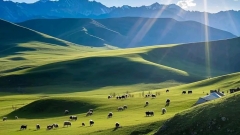
Waking up early, the train is in the Hoh Xil Uninhabited Area—one of the most breathtaking stretches. At over 4,500 meters, vast grasslands and snow-capped mountains stretch as far as the eye can see. Lucky travelers may spot rare wildlife like Tibetan antelopes or wild donkeys. Around 11 AM, the train crosses Tanggula Pass (over 5,000 meters)—the highest point. Some may experience mild altitude sickness; rest, drink warm water, and admire the majestic snow-capped peaks.
After Tanggula Pass, the train enters Tibet and stops at Nagqu Station (altitude 4,600 meters) for 6 minutes. Take photos but avoid strenuous activity to prevent hypoxia. From Nagqu to Lhasa, the scenery softens—grasslands dotted with yaks, sheep, and Tibetan-style dwellings, with prayer flags fluttering in the wind. Finally, the train arrives in Lhasa, with the Potala Palace visible in the distance, concluding the 30-plus-hour journey.
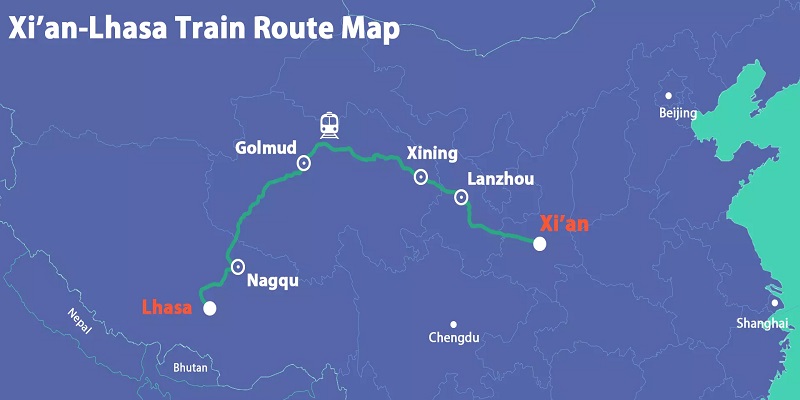
Xi’an to Lhasa train Route Map
On-Board Altitude Sickness Management & Notes
Altitude sickness is a top concern, but proper preparation eases discomfort. The train supplies oxygen from Golmud, maintaining sufficient oxygen levels in carriages, so most travelers experience only mild symptoms.
Mild symptoms like insomnia, loss of appetite, or bloating are normal—no special treatment is needed. Avoid excessive daytime napping to ensure night sleep, drink over 2,000ml of water daily to boost metabolism, eat fruits and light meals (avoid greasy/spicy food), and move slowly when standing up to prevent dizziness.
During high-altitude sections like Tanggula Pass, take ibuprofen or Gaoyuan’an for headaches/nausea, and drink glucose for energy. Avoid oxygen unless necessary to prevent dependence. For severe symptoms (difficulty breathing, chest tightness), contact crew or medical staff immediately—you may need to disembark at Golmud for treatment.
Additionally, keep windows closed to avoid cold air and colds (which worsen altitude sickness or cause pulmonary edema). No smoking in carriages to maintain air circulation, and respect other passengers by keeping noise levels low.
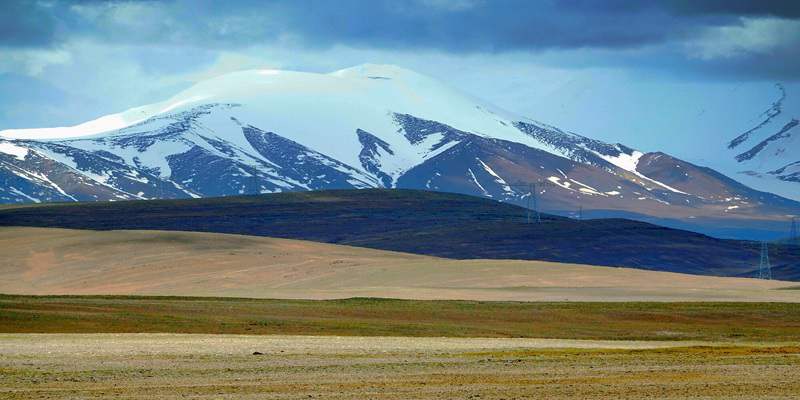
Hoh Xil Uninhabited Area
Post-Arrival Transportation & Acclimatization in Lhasa
After arriving at Lhasa Station, transportation options include taxis (around 30 RMB to the city center), buses (1 RMB), or hotel pick-up services. Choose accommodation near Barkhor Street or the Potala Palace for convenience, and prioritize hotels with oxygen supply for better rest.
The first 3 days in Lhasa are crucial for acclimatization—follow the “slow down, rest more, no bathing” rule. Avoid strenuous exercise (walk slowly, take stairs carefully), skip hair washing/bathing to prevent colds, eat light meals with vegetables and fruits, and avoid alcohol and overeating.
During acclimatization, stroll around Barkhor Street to experience local prayer culture. Its lower altitude and crowds help with gradual adaptation. If feeling well, book tickets for the Potala Palace and Jokhang Temple to start your Tibetan cultural journey. Mild altitude sickness symptoms usually subside in 3-5 days with rest and hydration.
Xi’an-Lhasa Travel Advice
The Xi’an to Lhasa train journey is a spiritual experience from history to seclusion, filled with surprises and emotions at every kilometer. Connecting Xi’an’s Terracotta Army and ancient city walls to Lhasa’s Potala Palace and Jokhang Temple, it links two distinct cultures and landscapes. If you’re eager to embark on this dream journey but worried about planning, China Dragon Travel offers professional services—from ticket booking and Tibet Travel Permit processing to post-arrival itineraries. Whether traveling alone or with companions, this train journey promises pure beauty and lifelong memories.