
Understanding Xinjiang’s Summer Climate Before You Go
Many first-time visitors misunderstand what “summer” means in Xinjiang.
It is not humid like Southeast Asia.
It is not sticky and muggy like southern China.
Xinjiang has a typical temperate continental climate, and its summer can be summarized in three core characteristics:
Dry air, large temperature differences, and strong sunshine.
These factors directly affect your comfort level, packing strategy, itinerary planning, and even photography results.
I. Core Climate Characteristics of Xinjiang
1️⃣ Extremely Dry with Minimal Rainfall
Most areas in Xinjiang receive less than 200 mm of annual precipitation. Inside the Tarim Basin, rainfall can be under 50 mm per year. In contrast, mountainous areas in Northern Xinjiang may receive 400–600 mm due to westerly airflows.
Why so dry?
Xinjiang is located deep inland, far from oceanic moisture sources. Surrounded by high mountain ranges, it forms a closed topography often described as “three mountain ranges enclosing two basins,” including:
-
Tarim Basin
-
Junggar Basin
Moist air masses struggle to penetrate inland, resulting in arid conditions.
Travel Impacts
-
Very little continuous rainfall
-
Extremely dry air (chapped lips are common)
-
Strong UV radiation
-
Desert and steppe landscapes dominate
-
Agriculture depends heavily on irrigation
What to bring:
-
High-moisture lip balm
-
Body lotion
-
Hydrating facial mist
-
Sheet masks
2️⃣ Large Day-Night Temperature Differences
Daily temperature swings in summer typically range between 10–15°C, and in desert or high-altitude areas, differences can exceed 20°C.
Why?
-
Minimal cloud cover
-
Strong solar radiation during the day
-
Rapid heat loss at night
-
Dry air retains little warmth
A typical summer day might look like:
-
Morning: 18°C
-
Afternoon: 35°C
-
Night: Below 20°C
In grassland regions such as:
-
Ili River Valley
-
Altay Region
Evenings can feel surprisingly cool.
Clothing Strategy
-
Short sleeves + sun-protection outer layer during the day
-
Light down jacket or fleece at night
-
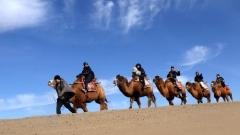
Windproof jacket for desert areas
The local saying captures it well:
“Wear a fur coat in the morning and gauze at noon.”
3️⃣ Long Sunshine Hours & Strong Solar Radiation
Xinjiang enjoys 2,500–3,500 hours of sunshine annually, ranking among the highest in China.
With minimal rainfall and high atmospheric transparency, UV intensity is very strong.
A well-known extreme heat area is:
-
Turpan
Turpan recorded a historical extreme temperature of 49.6°C and is often called the “Fire Land.” Ground temperatures can exceed 60°C in summer.
Travel Impacts
-
Avoid prolonged outdoor exposure between 12:00–16:00
-
Plan photography during early morning or late evening
-
Use SPF 50+ sunscreen
The upside?
-
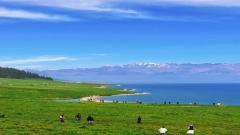
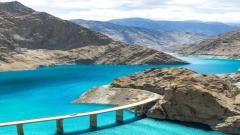
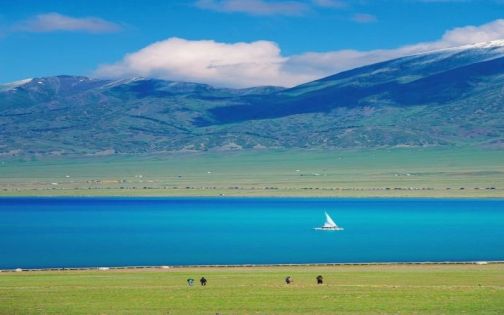
Brilliant blue lakes
-
High-contrast grasslands
-
Crystal-clear night skies perfect for stargazing
4️⃣ Large Annual Temperature Range
Xinjiang experiences significant seasonal differences.
Winter:
-
Northern Xinjiang: -20°C to -10°C in January
-
Southern Xinjiang: -10°C to -5°C
Summer:
-
Southern Xinjiang: Over 30°C in July
-
Northern Xinjiang: 20–25°C, relatively cool
Spring and autumn are short and often windy.
II. Regional Climate Differences
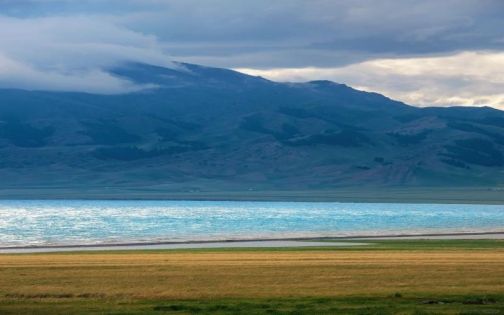
Xinjiang covers one-sixth of China’s land area, and climate differences are dramatic.
Overall pattern:
Northern Xinjiang: relatively wetter
Southern Xinjiang: extremely arid
Mountain areas: cold
Basins: hot
Northern Xinjiang
Representative areas:
-
Ili River Valley
-
Altay Region
Influenced by the westerlies, these regions receive more precipitation and feature grasslands and forests.
Summer experience:
-
Daytime around 25°C
-
Cool evenings
-
Dry but comfortable air
Ideal for escaping summer heat.
Southern Xinjiang
Dominated by:
-
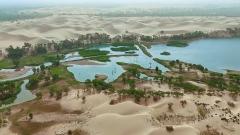
Taklamakan Desert
The enclosed Tarim Basin creates an extremely arid warm temperate climate.
Summer features:
-
High temperatures
-
Intense UV exposure
-
Large temperature swings
-
Extremely dry air
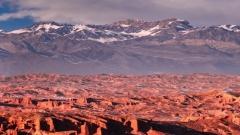
However, sunsets are spectacular and the sky clarity is exceptional.
Mountain Climate Zones
Major mountain ranges include:
-
Tianshan
-
Altai Mountains
Vertical climate variation is obvious:
Foothills → Desert
Mid-slope → Grassland
Higher elevation → Forest
Summits → Snow and glaciers
Temperature drops roughly 6°C for every 1,000 meters of elevation gain.
Driving routes through the mountains clearly showcase these transitions.
III. Typical Climate Phenomena
Foehn Effect
When air masses cross the Tianshan Mountains and descend, they warm rapidly, causing short-term temperature spikes in areas such as:
-
Urumqi
This effect is more noticeable in winter but can occur in transitional seasons.
Sandstorms
Spring sees more sandstorms in southern and eastern Xinjiang.
Typical desert area:
-
Kumtag Desert
Strong cold air can trigger intense sandstorms, sometimes referred to locally as “black wind.”
Summer sandstorms are less frequent but strong winds still occur.
Winter Temperature Inversion
Northern basin areas may experience temperature inversions in winter, which trap pollutants and create fog or haze. This phenomenon has minimal impact in summer.

IV. Practical Summer Travel Advice
Best Travel Season
Mid-June to early September.
✔ Grasslands are at their greenest
✔ Lakes appear intensely blue
✔ Mountain roads are fully accessible
Daily Activity Rhythm
07:00–11:00 Outdoor exploration
12:00–16:00 Rest or indoor activities
18:00–21:00 Golden-hour photography
In summer, sunset can be as late as 9:30 PM.
Hydration & Sun Protection
-
Drink at least 3 liters of water daily
-
Carry electrolyte supplements
-
Always wear sunglasses
-
Use high-SPF sunscreen
Understanding the “Dry Heat”
Xinjiang’s heat is dry, not humid.
35°C here does not feel the same as 35°C in humid southern regions.
In shaded areas, the temperature feels significantly more comfortable.
Final Summary
Xinjiang’s summer climate revolves around:
✔ Dry conditions
✔ Strong sunshine
✔ Large temperature differences
Regional contrasts are clear:
Northern Xinjiang: cool and pleasant
Southern Xinjiang: dry and hot
Mountain areas: refreshing
Basins: intensely hot
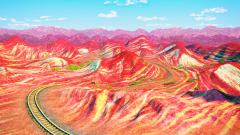
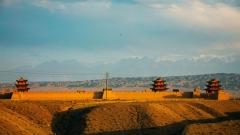
This climate has shaped Xinjiang’s dramatic landscapes—deserts, oases, grasslands, and snow-capped peaks coexisting in one region.
With proper sun protection and smart layering for temperature swings, summer in Xinjiang is not only manageable—it is one of the most visually stunning travel experiences in China.
recommend route:
North Xinjiang 12-Day Small Group Tour | Urumqi, Kanas, Sayram Lake & Duku Highway