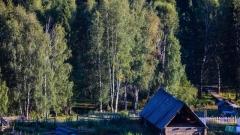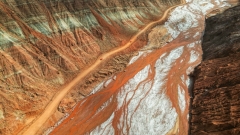

To guarantee an exceptional travel experience in Xinjiang, it is essential to comprehend the regional temperature variations. Encompassing a vast area with varied landscapes and distinct climatic regions, Xinjiang may subject travelers to the distinctive experience of ‘four seasons in one day.’ Thus, having a thorough understanding of the temperature fluctuations is vital for devising a smooth travel schedule. This guide offers an exhaustive analysis of Xinjiang’s climatic characteristics across its four seasons, aiding in the creation of an extraordinary and memorable journey.
Overall Temperature Characteristics & Differences Between North and South Xinjiang
Before diving into the seasons, grasp two key features of Xinjiang’s climate: significant temperature variations and regional differences. “Significant variations” refers to large daily temperature swings and rapid, intense changes in spring and autumn. “Regional differences” highlight the distinct climate contrasts between North and South Xinjiang, as well as between basins and highlands.
North vs South Xinjiang: Distinct Climate Pictures
North Xinjiang (areas north of the Tianshan Mountains, like Altay and Ili), influenced by westerly winds, has more precipitation and a relatively cooler, humid climate. Winters are long and cold, while summers are short and pleasant, making it a summer retreat. South Xinjiang (areas south of the Tianshan Mountains, like Kashgar, Hotan, Turpan) is deep inland, surrounded by mountains, with scarce rainfall, dry climate, and intense sunshine. Winters are less severe than in the north, but summers are extremely hot, especially in the Turpan region.
Key Topographical Influences on Temperature: Basins and Mountains
The saying “Wear a fur coat in the morning, gauze at noon, and eat watermelon by the stove” vividly describes the huge daily temperature range in basin areas like Turpan and Junggar. Strong solar radiation causes temperatures to soar during the day, while rapid surface cooling at night, combined with dry air offering poor insulation, leads to sharp drops. In contrast, high mountain areas like the Tianshan and Altay Mountains have temperatures decreasing with altitude, creating vertical climate zones that serve as natural air conditioning in summer.
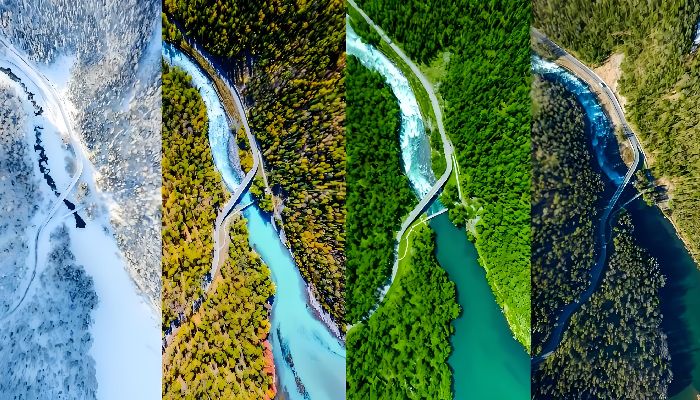
Contrast of Xinjiang’s Four Seasons
Seasonal Breakdown: Xinjiang Temperatures & Travel Highlights
Spring (April-May): Thawing Ice & Blooming Flowers
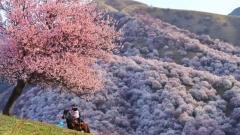
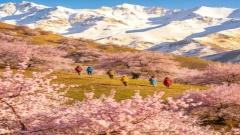
Spring is the most unstable season in Xinjiang. In April, North Xinjiang may still be at winter’s end with thawing ice and snow. Daytime temperatures range from 5°C to 15°C, while nights can drop below freezing. South Xinjiang warms faster, with places like Kashgar and Korla reaching 15°C to 25°C during the day, but sandy winds are more frequent. By May, the apricot and wild fruit tree blossoms in the Ili River Valley are in full bloom. Comfortable temperatures (10°C-20°C) make this a golden time for photographers. Clothing Tips: Use layered clothing. Essential items include fleece jackets, windproof outerwear, and a light down jacket to cope with chilly mornings, evenings, and sudden weather changes.
Summer (June-August): Cool North, Scorching South
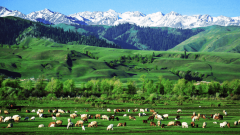
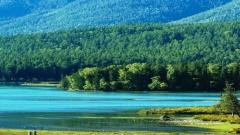
Summer presents the most extreme north-south divide. North Xinjiang enjoys its most beautiful season. Kanas, Sayram Lake, and Narat Grassland have pleasant temperatures between 15°C and 25°C, with lush green landscapes and cool air, often requiring a light jacket at night. In contrast, South Xinjiang, especially Turpan, sees daytime highs often exceeding 40°C, with ground temperatures reaching over 70°C, offering a taste of the “Flaming Land’s” heat. Kashgar and similar areas can reach 30°C-35°C during the day, but the dry heat is more tolerable than humidity, and evenings become cool. Clothing Tips: In the north, summer wear is sufficient, but pack a sun-protective layer and a windproof jacket. In the south, prioritize maximum sun protection (hat, sunglasses, arm sleeves) and wear breathable, sweat-wicking long sleeves to prevent sunburn.
Autumn (September-October): Colorful Landscape, Golden Season
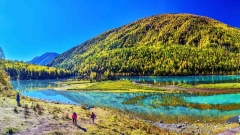
Starting September, temperatures become cool, making this arguably the most popular travel season. The autumn colors of Kanas in North Xinjiang (late September to early October) are world-famous, with temperatures around 5°C to 15°C under clear skies. Along South Xinjiang’s Tarim River, the poplar forests turn golden by mid-October, with comfortable daytime temperatures (15°C-25°C) and cooler nights. The summer heat subsides, fruits are abundant, and crowds thin out, enhancing the travel experience. Clothing Tips: Similar to spring, layered clothing is key. Pack autumn wear along with a warm mid-layer and windproof jacket, especially for trips to North Xinjiang or high-altitude areas.
Winter (November-March): Snowy Wonderland, Serene Season
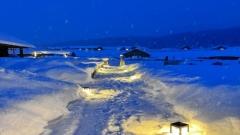
Winters are severely cold, particularly in North Xinjiang’s Altay region where temperatures can plunge to -20°C or -30°C, making it a famous snow destination in China. This is the perfect time for skiing and viewing frost and ice scenery. South Xinjiang’s winter is milder. Kashgar, for instance, often sees daytime temperatures around 0°C to 10°C with ample sunshine, ideal for experiencing ancient cities without tourist crowds. Clothing Tips: Professional cold-weather gear is mandatory. A thick down jacket, waterproof snow boots, warm hat, gloves, and scarf are essential. Protect electronic devices like cameras and phones from the extreme cold.
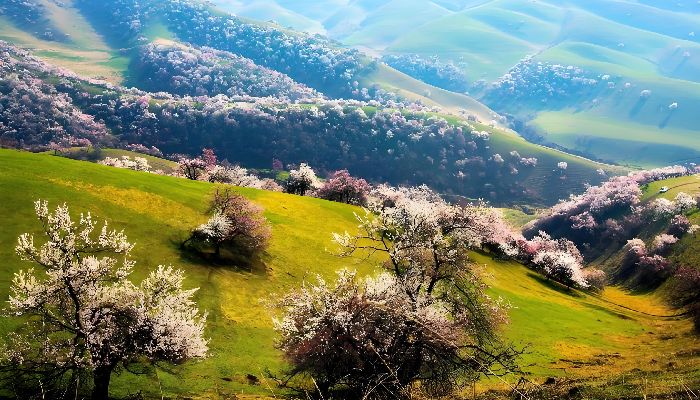
Spring Apricot Blossom Valley in Ili, Xinjiang
Practical Guide: How to Handle Xinjiang’s Variable Temperatures
After mastering the theory, the following practical suggestions can make your trip more leisurely.
Use Weather Forecasts Wisely, Focus on Specific Locations
When checking temperatures, be precise about your destination city or even scenic spot. For example, the temperature in Urumqi can differ by over 10 degrees Celsius from that in Kanas during the same period. Use reliable weather apps and check hourly forecasts to understand daily temperature fluctuations.
Different Gear for Highlands and Basins
If your itinerary includes both Tianshan Tianchi (a high-altitude lake) and Turpan (a basin), your luggage must accommodate both cold and heat protection. Plan your outfits based on climate zones within your trip, not just the number of days.
Health Protection: Sunscreen and Hydration are Key
Regardless of the season, Xinjiang’s UV intensity and dry air far exceed those in many other regions. High-SPF sunscreen, lip balm, moisturizer, and plenty of water are crucial to prevent sunburn and dehydration. This is especially vital in summer, but sun protection remains important in winter, particularly on sunny snowfields.
Planning a smooth Xinjiang trip involves more than just understanding the climate; it also includes itinerary coordination, transportation, and cultural experiences. For first-time visitors or those seeking in-depth exploration, seeking professional assistance can make planning more efficient. For instance, the team at China Dragon Travel, with their deep local knowledge of climate and road conditions, can tailor recommendations for suitable routes based on your preferred travel time and interests, helping you avoid extreme weather impacts and ensuring trip quality.
Master Xinjiang’s Climate for a Well-Planned Journey
In essence, Xinjiang’s diverse climate endows the region with unique and captivating vistas throughout the four seasons. There is no definitive “prime” season, only that which resonates most with your personal inclinations. Whether it’s the pursuit of the expansive floral tapestries across the summer pastures, the absorption of autumn’s enchanting golden hues, or the appreciation of winter’s tranquil snowy vistas, arming yourself with suitable attire and equipment will guarantee an unparalleled experience in Xinjiang. May this comprehensive temperature guide act as a steadfast companion for your foray into this splendid territory.