
A Practical Xinjiang Travel Guide — The No-Fluff Tips Only People Who’ve Really Been There Will Tell You
Xinjiang is huge—so huge that a single trip can mean traveling thousands of kilometers. It’s also “extreme”: intense sunshine, strong winds, very dry air, and big temperature swings. First-timers are often blown away by the scenery, but they also tend to stumble on what to wear, security checks, food, and daily rhythm.
This isn’t a filler checklist—it’s based on real experience across Northern Xinjiang grasslands, Southern Xinjiang deserts, highlands, long highways, self-driving, and group tours. Follow it, and you’ll avoid most avoidable mishaps.

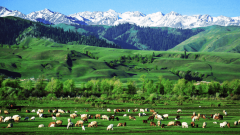
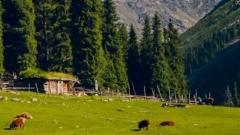
Nalati Grassland
1) Documents
1. National ID / Passport (Must-have, keep on you) 🪪
Security checks are more frequent than in most places: airports, train stations, some highway checkpoints, malls, and scenic spots may all check IDs.
Tip: Don’t bury it in your suitcase—keep it in a fixed spot in your day bag.
2. Driver’s License (Essential for self-drive / rentals)
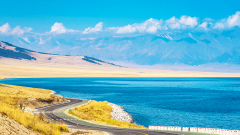
Xinjiang is fantastic for road trips—especially Yili, the Duku Highway, and the loop around Sayram Lake.
Tip: If you’re renting a car, confirm your license is valid and accepted.
3. Student/Teacher/Military ID 🎫
Many attractions still offer discounts—especially in peak season.
4. Bank Card + Some Cash 💰
Mobile payments work well in major cities, but signal can be unstable in smaller towns, grassland interiors, and service areas.
Tip: Carry a small amount of cash for emergencies—particularly for Southern Xinjiang routes.
2) Clothing
Three keywords for Xinjiang packing: sun protection, wind protection, layering.
Essentials
-
Windproof jacket / shell 🧥
Wind around grasslands, lakes, and mountain passes can be brutal—even in summer. -
Light down jacket / fleece
Morning–night temperature swings can reach 15–20°C, especially at Sayram Lake, Bayanbulak, and the Pamir. -
Long-sleeve tee + UV protection shirt
UV is intense—“I won’t tan” is wishful thinking. -
Comfortable long pants 👖
Quick-dry or athletic pants work best: sun-proof, mosquito-resistant, and easy to move in. -
Dresses / short sleeves 👗
Fine to bring—but pair with a UV layer or shawl.
Footwear
-
Sneakers / hiking shoes 🥾: for walking, grasslands, desert, roadside photo stops
-
Slides: hotel and long rides
-
Crocs-style clogs: great for camping, lakesides, grasslands—practical and photogenic
Accessories
-
Wide-brim hat 👒 + sunglasses 🕶️: reflected UV can be strong
-
Scarf / head wrap: blocks wind, sand, and sun—multi-use
-
Arm sleeves: very helpful for driving, horse riding, or cycling
3) Sun & Skincare
1. High-SPF sunscreen (SPF50+)
Apply to face, neck, and hands; reapply about every 2 hours outdoors.
2. Lip balm + rich moisturizer
It’s dry enough that some people get cracked lips—or even nosebleeds—by day three.
3. Sheet masks + body lotion
Nighttime hydration makes a noticeable difference.
4. Portable hydrating mist
Great for long drives and outdoor stops—comfort level improves a lot.
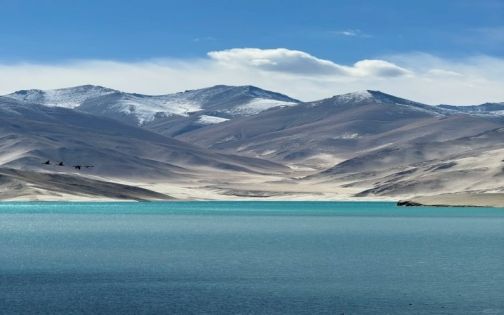
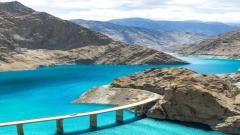
Baisha Lake
4) Meds
-
Stomach meds: lots of BBQ, naan, and dairy—digestive issues are common
-
Cold/fever meds: big day–night temperature changes
-
Motion sickness pills: winding mountain roads + long drives
-
Heat relief meds: important in summer
-
Band-aids + antiseptic wipes: for small scrapes
-
Mosquito repellent: grasslands and lakes can be buggy in summer
-
Altitude support: if heading to the Pamir / Tashkurgan, some people bring Rhodiola (best started in advance)
5) Electronics
-
Phone + power bank
Note: Many checks cap power banks at ≤ 20,000 mAh. -
Camera + spare batteries
Scenery is nonstop—you’ll shoot a lot. -
Car charger + travel neck pillow
Drives can be hours long; small items change the experience. -
Power strip
Hotel outlets are often limited. -
Drone
Check local rules in advance—many scenic areas prohibit flying. Don’t gamble.
6) Other Useful Items
-
Thermos: warm water helps in dry climates
-
Wet wipes + tissues: outdoor handwashing isn’t always easy
-
Folding umbrella / rain poncho: mountain weather changes fast
-
Snacks: nuts, chocolate, energy bars
-
Neck pillow + eye mask: flights, trains, and long bus rides
-
Offline maps / bilingual maps: some areas have weak or no signal
-
Disposable items: toilet seat covers, disposable underwear, etc., as needed
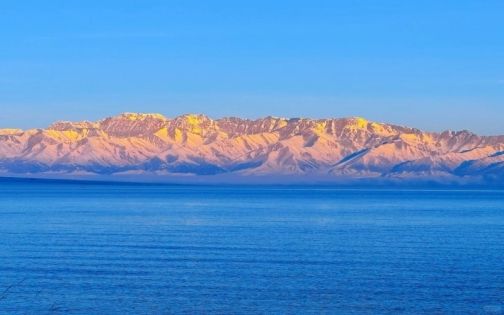
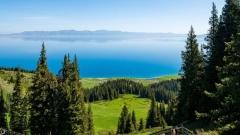
Sayram Lake
7) Important Things People Often Miss
-
Security is strict: keep your ID on you.
-
Daily schedule feels “shifted”: local life often runs about 2 hours later than eastern China—many places eat lunch after 2:00 pm. Plan snacks.
-
Language: Northern Xinjiang is generally fine in Mandarin; in some Southern towns, download a Uyghur translation app ahead of time.
-
Respect local customs: don’t bring pork products into halal restaurants; avoid sensitive topics; respect goes a long way.
8) Packing by Travel Style
✅ Northern Xinjiang nature route (grasslands / peaks / lakes / scenic highways)
👉 Shell jacket + hiking shoes + camera
✅ Southern Xinjiang culture & desert route (old towns / bazaars / desert / highways)
👉 Sun head wrap + sand-friendly shoes + stomach meds
✅ Self-drive travelers
👉 Spare-tire tools + offline maps + car snacks + charging gear