
Xinjiang is often described as one of the most diverse travel destinations in China—but what does that actually mean?
In a single trip, you can travel from snow-covered mountains to vast deserts, from alpine lakes to grasslands, and even to landscapes that feel closer to Central Asia than East Asia.
So the real question is: how many different landscapes can you actually experience in one Xinjiang journey?
The answer is: more than most travelers expect.
Why Xinjiang Has Such Diverse Landscapes
Xinjiang’s geographical scale is the key.
It is the largest provincial-level region in China, covering multiple climate zones and terrains. Within this vast area, you’ll find:
- High mountain ranges like the Tianshan and Altai Mountains
- Large basins such as the Tarim Basin and Junggar Basin
- Deserts, grasslands, forests, and lakes
This combination creates an unusually rich variety of scenery within relatively connected travel routes.
Snow Mountains: The Dramatic Backdrop
Snow-capped peaks are one of Xinjiang’s most iconic features.
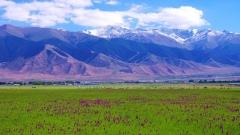
In places like the Tianshan Mountains or Altai region, you can see glaciers, alpine ridges, and snow-covered summits—even in summer. Areas around Sayram Lake, Nalati Grassland, and Kanas often include mountain views as part of the landscape.
These mountains don’t just stand alone—they define the ecosystems around them.
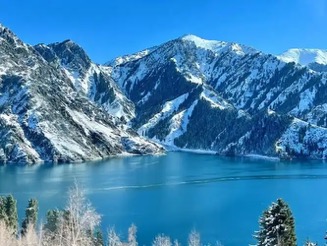
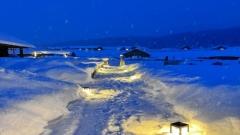
Tianshan Tianchi in Winter
Grasslands and Valleys: A Different Side of Xinjiang
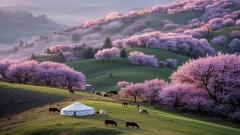
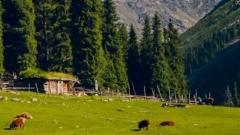
Many travelers are surprised to find lush, green landscapes in Xinjiang.
In regions like Ili and northern Xinjiang, you’ll encounter:
- Wide-open grasslands
- Rolling hills
- Flower-filled valleys in summer
Nalati Grassland and Kalajun Grassland are among the most famous examples. These areas offer a softer, more vibrant contrast to the rugged mountains and dry deserts.
Lakes: Alpine Beauty at High Altitudes
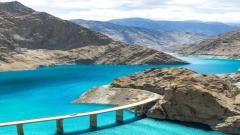
Xinjiang is home to some of the most beautiful lakes in China.
Sayram Lake, often called the “last tear of the Atlantic,” sits high in the mountains and reflects the sky with stunning clarity. Kanas Lake, surrounded by forests, changes color with the seasons and adds a mysterious atmosphere to the region.
These lakes bring calmness and color into an otherwise dramatic landscape.
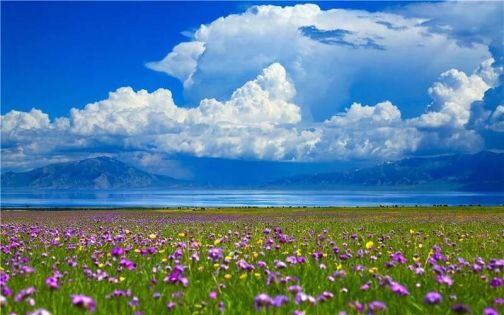
Sayram Lake
Forests: Unexpected and Seasonal
In places like Kanas and Hemu, dense forests cover the hillsides.
In summer, they are lush and green.
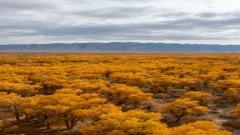
In autumn, they turn golden and orange, creating one of the most photogenic seasons in Xinjiang.
This forest scenery often surprises travelers who expect Xinjiang to be mostly dry and barren.
Deserts: The Vast and Iconic Landscape
No Xinjiang journey is complete without experiencing its deserts.
The Taklamakan Desert in southern Xinjiang is one of the largest shifting-sand deserts in the world. Meanwhile, areas near Turpan and Hami showcase arid landscapes, dunes, and unique geological formations.
Standing in the desert offers a completely different feeling—open, silent, and immense.
Yadan and Gobi Landscapes: Raw and Otherworldly
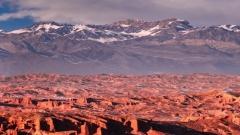
Beyond sand dunes, Xinjiang also features dramatic Yadan landforms and Gobi terrain.
These wind-eroded formations create shapes that resemble ruins, towers, or even entire cities. The landscape feels almost alien, especially at sunrise or sunset.
It’s a reminder that Xinjiang’s diversity goes beyond the typical categories of mountains and deserts.\
How Many Landscapes Can You Realistically See in One Trip?
In a typical 7–10 day Xinjiang itinerary, especially in northern Xinjiang, you can experience:
- Snow mountains
- Grasslands
- Lakes
- Forests
If you extend your trip or include southern Xinjiang, you can add:
Deserts
Gobi and Yadan landforms
That means in one journey, you can realistically see 5 to 7 completely different types of landscapes.
Suggested Route for Maximum Diversity
If your goal is to experience as many landscapes as possible, consider this general route:
Urumqi → Sayram Lake → Ili Grasslands → Nalati or Kalajun → Kanas → Hemu
Optional extension:
Turpan or southern Xinjiang for desert scenery
This route covers most of Xinjiang’s iconic environments in a single trip.
Travel Tips for Experiencing Xinjiang’s Diversity
To make the most of your journey:
Plan for long distances:
Xinjiang is huge, and travel times can be significant
Choose the right season:
Summer and early autumn offer the most diverse scenery
Pack for multiple climates:
You may experience temperature differences between mountains and deserts
Allow enough time:
Rushing will limit how much you can truly experience
A Journey Across Worlds
What makes Xinjiang unique is not just the number of landscapes, but how dramatically they change within one trip.
You can wake up surrounded by forests and lakes, drive past grasslands in the afternoon, and end the day near desert terrain. Few places offer such rapid transitions between completely different natural environments.
How Diverse Is Xinjiang, Really?
If you’re looking for a destination that offers variety, Xinjiang stands out on a global level.
From snow mountains to deserts, from green valleys to arid basins, one journey here can feel like traveling across multiple countries. With thoughtful planning, you won’t just visit Xinjiang—you’ll experience a full spectrum of landscapes in a single trip.