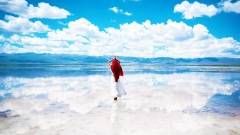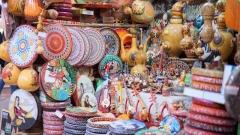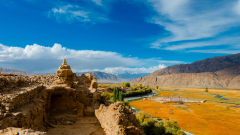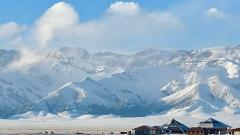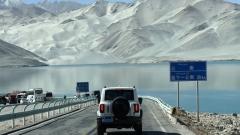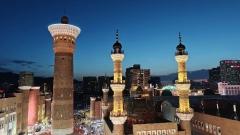

Located in northwest China, Xinjiang spans 1.66 million square kilometers—one-sixth of China’s total land area. This magical land harmoniously blends snow-capped mountains with grasslands, deserts with lakes, and ancient civilizations with modern life. For international travelers seeking natural wonders and cultural treasures, Xinjiang is an unparalleled destination. This guide is tailored for international travelers, covering highlights, cultural experiences, visa procedures, and safety tips to ensure a seamless start to your Western Region adventure.
Essential Tips for Traveling to Xinjiang
Visa and Permit Processing
Traveling to Xinjiang requires proper documentation. Advance planning ensures smooth processing:
- China Tourist Visa (L/M Visa):Apply at the Chinese Embassy or Consulate in your home country. Required documents include a passport valid for at least 6 months, visa application form, recent photos, and itinerary proof (e.g., flight tickets, hotel reservations). Processing typically takes 4-7 business days.
- Xinjiang Travel Permit: Unlike other regions in China, certain areas of Xinjiang (e.g., Kashgar, Hotan, Altay) require international visitors to obtain an additional “Xinjiang Travel Permit.” This permit must be applied for at least 2 weeks in advance through a licensed travel agency (recommended: China Dragon Travelwith 15 years of international tourist service experience). Only a passport copy and itinerary are required; the agency will handle all procedures.
Important Reminder: Always carry your passport and permit documents with you. They will be checked at airport security, scenic area entrances, and highway checkpoints.
Xinjiang Weather Information
Xinjiang features a typical continental climate with daily temperature swings of 10-15°C. Each season offers distinct landscapes, requiring precise packing adjustments:
- Spring (April-May): Temperatures range from 10-20°C with significant day-night variations. Pink apricot blossoms burst forth in Yili’s Apricot Blossom Valley, while grasslands awaken to new life. With fewer tourists, this is an ideal time for photography enthusiasts.
- Summer (June-August): Peak travel season with daytime temperatures of 20-30°C (cooler in mountainous areas). Ili’s lavender fields bloom into a sea of purple, while grasslands like Nalati and Karajun flourish with lush vegetation. This period also coincides with nomadic festivals such as the Naadam Games. Note that afternoon thunderstorms may occur; pack a lightweight rain jacket.
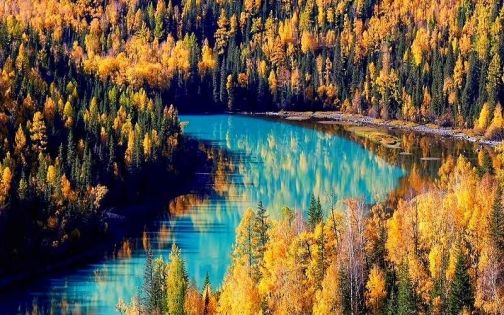
- Autumn (September–October):Daytime temperatures range from 15–25°C with clear skies and excellent visibility. The birch forests of Kanas and Hemu turn golden, while lakes display their most vibrant hues. This is prime season for landscape photography and hiking.
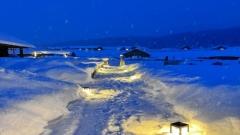
- Winter (November–March): The climate is bitterly cold, with temperatures dropping to -10°C to -20°C. However, Xinjiang’s winter transforms into a snow-covered fairy-tale world—Hemu Village is blanketed in snow, and the ski resorts in Urumqi and Ili boast excellent snow conditions. Accommodation and admission prices are lower during this period, offering great value for money.
Packing List
Pack appropriately based on travel season and activities:
- Clothing:Use the layering method. In summer, bring short-sleeved shirts, lightweight jackets, and long pants (to protect against grassland mosquitoes). For autumn and winter, prepare down jackets, thermal underwear, waterproof boots, gloves, and hats. Even in summer, bring a jacket for high-altitude areas like Sayram Lake.
- Sun Protection:Xinjiang has intense UV rays. Bring high-SPF sunscreen (SPF 50+), sunglasses, a wide-brimmed hat, and a scarf to shield against sun exposure and wind-blown sand.
- Medications: Pack altitude sickness medication (e.g., Rhodiola rosea; recommended to start one week prior), pain relievers, stomach medicine, and a small first-aid kit. Those with allergies should bring antihistamines.
- Other Essentials:Power adapters (Chinese standards: Type A, Type I), power banks (note: 10,000mAh+ units require airport declaration), reusable water bottles (tap water is safe in cities; bottled water recommended in remote areas).
Northern Xinjiang: Gallery of Natural Wonders
Northern Xinjiang is renowned for its awe-inspiring landscapes—snow-capped mountains, crystal lakes, grasslands, and dense forests compose breathtaking scenes rivaling the world’s most captivating vistas.
Yili River Valley: Where Flower Fields Meet Grasslands
Nourished by meltwater from the Tianshan Mountains, the Yili River Valley is Xinjiang’s “most beautiful backyard.” From June to July, 6,500 acres of lavender bloom across Huocheng County, creating waves of purple stretching for miles along the valley. The sweet fragrance permeates the air, rivaling the famed fields of Provence, France. Our itinerary deliberately avoids midday crowds, scheduling visits to the flower fields at dawn or dusk.
Altay Region: The Enchanting Kanas Lake
Following the Xinjiang tourist map north from Yili leads to the Altay Mountains, home to the “pearl” of Northern Xinjiang—Kanas Lake. Kanas’s magic lies in its ever-changing hues: pale blue after spring snowmelt, emerald green amid lush summer vegetation, and deep sapphire blue as autumn paints the forests. Local Tuvan legends attribute this to the magic of the “Kanas Lake Monster,” though it’s actually a marvelous effect created by the lake’s depth, mineral content, and light refraction. After hiking, stay in Hemu Village, home to the Tuvan people. The village houses are built with logs, roofs covered in pine needles, and interiors adorned with hand-embroidered cushions. At dusk, watch the setting sun bathe the village in golden light while listening to Tuva elders strum the dombra and sing folk ballads, sipping warm milk tea. At night, free from light pollution, Hemu offers a dazzling starry sky, making it one of China’s premier stargazing destinations.
Sayram Lake: The Sapphire of the Tianshan Mountains
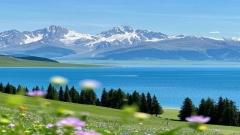
Nestled in the western Tianshan range, Sayram Lake is Xinjiang’s highest and largest alpine lake, sitting at 2,071 meters above sea level. Reaching a maximum depth of 92 meters with remarkable transparency of 12 meters, its pebble-strewn bottom and aquatic plants are clearly visible. From afar, the lake resembles a sapphire embedded amidst the surrounding mountains.
Our itinerary includes a 90-kilometer “In-Depth Lake Tour” aboard a comfortable coach, stopping at every key viewpoint to ensure you capture every breathtaking scene:
- Dianjiangtai Viewpoint:Legend holds that Genghis Khan mustered his troops here during his western campaigns. From the platform, the lake and sky merge seamlessly, while vibrant wildflowers bloom along the shore, forming a colorful ribbon.
- Qinshui Beach: Remove your shoes and wade into the cool lake waters. Small fish swim around your feet, while the crystal-clear lake reflects the surrounding mountains—an ideal spot for leisurely photos.
- Xihai Grassland Viewpoint: The prime location for sunset viewing. As the sun dips below the horizon, the sky blushes with pink and purple hues. Windmills by the lake turn slowly in the fading light, creating a scene of serene grandeur.
Kanas Lake
Southern Xinjiang: Living Fossil of Silk Road Civilization
If Northern Xinjiang’s beauty is nature’s gift, Southern Xinjiang’s charm stems from millennia of Silk Road heritage. For over two thousand years, this region has been a Silk Road crossroads, with cities like Kashgar, Hotan, and Kuche still preserving ancient Western Region charm.
Kashgar Old Town: Strolling Through Millennia of History
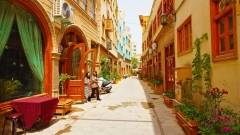
Founded during the Han Dynasty (206 BCE–220 CE), Kashgar Old Town stands as the world’s largest and best-preserved earthen architecture city. Listed as a UNESCO World Heritage Site in 2014, it serves as a living museum of Uyghur culture. Stepping into the old city feels like traveling back to ancient Western Regions: earthen walls stand tall despite weathering centuries, winding alleys crisscross like a maze, colorful lanterns sway before shopfronts, and children chase each other through lanes, their laughter ringing clear.
Hotan: Jade and Desert Encounters
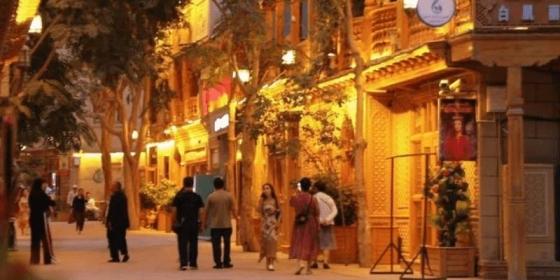
Journeying west from Kashgar brings you to Hotan, famed as the “Jade Capital” and a pivotal hub along the ancient Silk Road. Hotan jade, revered as “China’s National Jade,” has been mined since the Neolithic era and historically served as tribute to imperial courts.
Your Hotan journey begins at the Jade Bazaar, where you’ll witness authentic jade trading scenes. We’ll arrange a visit to the Hotan Jade Culture Museum to learn about its formation, mining history, and identification methods. The museum houses a rare, multi-ton Hotan jade boulder with a fine texture and pure white hue. For a unique experience, head to the Yulongkashi River to try “jade hunting.” After floods, locals gather along the riverbanks to search for jade boulders. While high-quality jade is rare, the process is deeply engaging. Your guide will teach you to identify potential jade boulders and share stories of lucky finders.
Hotan
Practical Information: Ensuring a Smooth Journey
Transportation
Xinjiang’s vast geography makes transportation planning essential. We offer international travelers a “dedicated fleet” service:
- Air Travel: Urumqi Diwopu International Airport offers direct flights to major Chinese cities like Beijing, Shanghai, and Guangzhou, as well as international routes to destinations such as Almaty, Kazakhstan, and Bishkek, Kyrgyzstan. Regional airports in Yili, Kashgar, and Kanas are connected to Urumqi.
- Ground Transportation:Our fleet consists of vehicles less than two years old, equipped with air conditioning, heated seats, and oxygen cylinders. We provide 5-seat SUVs, 7-seat minivans, or coaches based on group size. Drivers possess over 10 years of driving experience in Xinjiang and are familiar with all road conditions.
- Rail Travel:The Lanzhou-Xinjiang High-Speed Railway connects Urumqi and Lanzhou, while the Southern Xinjiang Railway links Urumqi and Kashgar. Rail travel offers scenic views along the route; sleeper tickets are recommended for long journeys.
Accommodation Arrangements
We curate high-quality lodgings near attractions, balancing comfort and convenience:
- Urumqi: Five-star hotels like Hilton and Marriott, featuring 24-hour hot water, free WiFi, and Western breakfast.
- Near Scenic Areas (Yili, Kanas, etc.):Unique homestays like Tuvan wooden houses in Hemu Village or lakeside hotels at Sayram Lake offer authentic local experiences with modern comforts.
- Southern Xinjiang Cities (Kashgar, Hotan, etc.): Four-star hotels adjacent to ancient cities or bazaars for easy sightseeing and shopping.
Culinary Guide
Xinjiang cuisine blends Han, Uyghur, Kazakh, and other ethnic flavors for a unique taste experience. Must-try dishes include:
- Grilled Lamb Skewers:Lamb marinated in cumin and chili, charcoal-grilled to tender juiciness with rich aroma.
- Hand-Pulled Rice: Lamb, carrots, onions, and rice cooked together for a fragrant, hearty dish.
- Roasted Baozi:Crispy pastry encases lamb and onion filling, best enjoyed piping hot.
- Big Plate Chicken: Chicken stir-fried with potatoes and chili peppers, spicy and delicious (spiciness can be adjusted for international visitors).
- Fruit:Xinjiang’s significant day-night temperature difference makes its fruit exceptionally sweet. Don’t miss grapes, Hami melons, watermelons, and pomegranates.
Dietary Notes: Most ethnic minorities in Xinjiang practice Islam, and local restaurants do not serve pork. Please respect their dietary customs. For travelers unaccustomed to local cuisine, we also offer Western breakfast options like bread, milk, and eggs.
Safety Assurance:
Xinjiang is one of China’s safest regions, with stringent security measures in cities and tourist sites. However, remain vigilant with personal belongings in crowded areas like the Grand Bazaar. Our 24-hour emergency hotline ensures you can get help anytime.
Why Choose China Dragon Travel?
With 15 years of experience serving international travelers, China Dragon Travel is your reliable partner for Xinjiang adventures. Our strengths include:
- Multilingual Guide Team:Guides fluent in English, French, Spanish, Russian, and more—all native Xinjiang residents with deep knowledge of local history, culture, and hidden gems.
- Customized Itineraries:Tailored itineraries based on your interests, travel duration, and budget—whether you’re a photography enthusiast, cultural explorer, or family traveler.
- Comprehensive support services:Full assistance with visa permits, flight and hotel bookings, and emergency assistance.
- Authentic cultural experiences:Arrange unique activities like staying in Tuvan yurts, learning Uyghur dances, and jade mining experiences to discover aspects of Xinjiang culture beyond typical tours.
No need to worry about language barriers—our multilingual guides will bridge communication with locals. No need to fret over itinerary complexities—from visa processing to lodging and transportation, China Dragon Travel’s comprehensive support ensures a worry-free journey. All you need to do is pack your bags, bring your curiosity and wanderlust for the unknown, and leave the rest to this magical land!