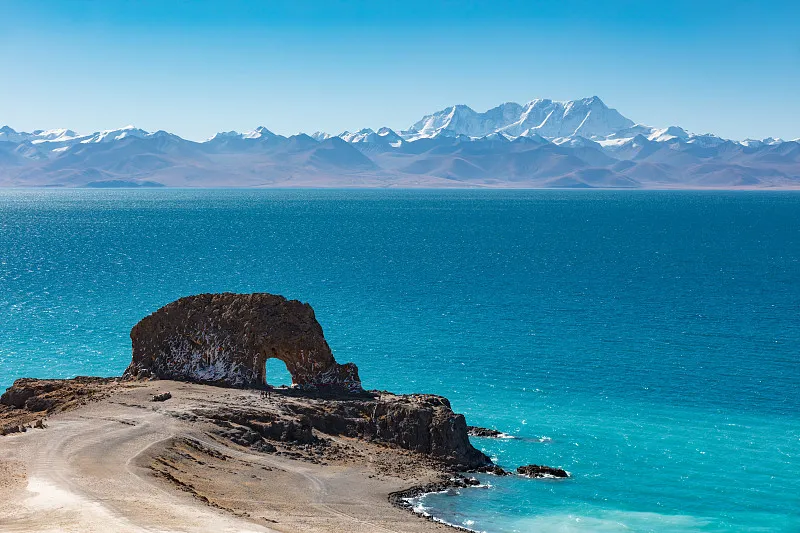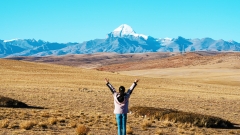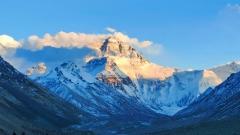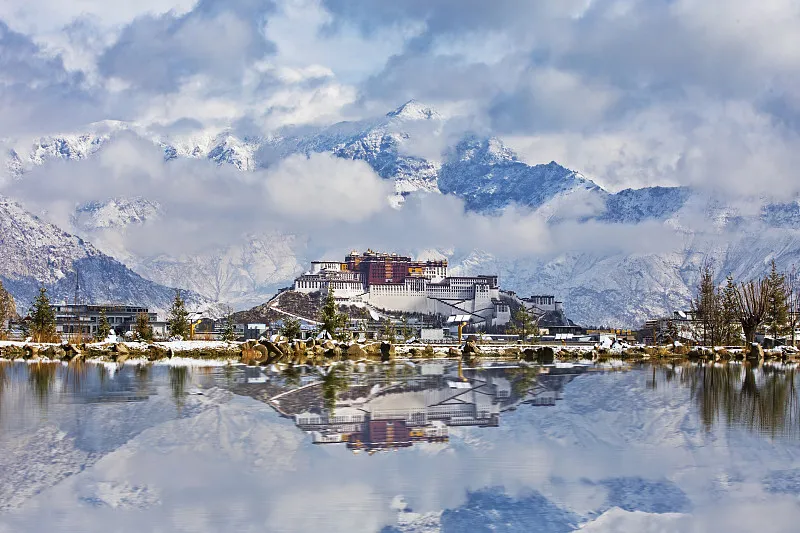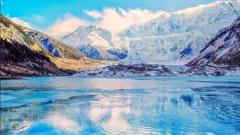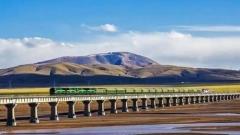

Yangbajain, around 90km northwest of Lhasa, is a large geothermal field at ~4,300m. Known for active geothermal activity, it features natural hot springs and constant geothermal steam. Backed by the Nyainqêntanglha Mountains, its steaming hot springs contrast uniquely with distant snow-capped peaks, making it a distinctive Lhasa-nearby attraction. This guide offers practical travel info: transportation comparisons, hot spring processes, health/safety rules, and a pre-trip checklist to help travelers plan effectively.
Main Attractions & Experiences in Yangbajain
Visitors to Yangbajain can mainly engage in the following three activities. With reasonable time planning, you can fully experience the characteristics of this place.
First, observe geothermal landscapes
This is the core attraction of Yangbajain. In designated safe viewing areas, tourists can witness multiple springs on the ground gushing high-temperature steam continuously, presenting a spectacular scene. It is recommended to visit on days with good visibility. Important safety reminder: Tourists must always stay on designated viewing trails and platforms, and are strictly prohibited from entering unopened areas. The surface temperature is extremely high and the geological structure is unstable, posing potential safety risks.
Second, experience plateau hot spring bathing
The hot spring water in Yangbajain is drawn from underground hot springs and adjusted to a suitable temperature for tourists after treatment. Hot spring facilities usually include indoor and outdoor pools. Most tourists recommend the outdoor pools, where you can enjoy the surrounding natural scenery while bathing. The hot spring water contains minerals such as sulfur, which helps relieve muscle fatigue.
Third, photography
The area provides unique materials for photography. Geothermal steam, snow-capped mountain backdrops, plateau meadows, and industrial facilities together form rich images. The lighting conditions are usually optimal after sunrise and before sunset. Tourists can also observe the external facilities of the Yangbajain Geothermal Power Station from designated areas.
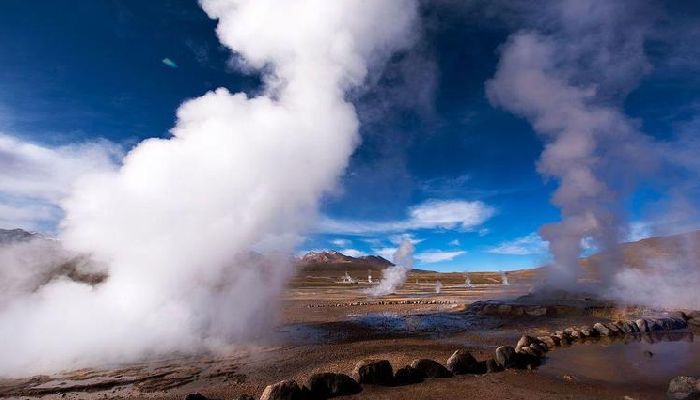
Yangbajain Geothermal Landscape
Transportation to Yangbajain: Three Options from Lhasa
From Lhasa to Yangbajain, travelers can choose the following transportation methods based on their budget, time, and flexibility requirements.
Option 1: Charter a Car or Self-Drive (Highest Flexibility)
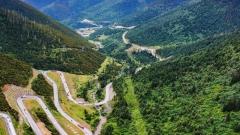
- Route and Travel Time: Drive north along the Qinghai-Tibet Highway (National Highway G109). The entire journey is mostly paved roads, with a normal driving time of about 1.5 to 2 hours.
- Main Advantages: The itinerary time is completely flexible. You can stop to rest or take photos at safe locations as you wish, especially suitable for group or family trips.
- Cost Explanation: The full-day charter fee needs to be negotiated in advance with the service provider. The price varies depending on the vehicle type, season, and specific itinerary arrangements. It is usually cost-effective when shared among multiple people.
- Notes: Those choosing self-driving must ensure the vehicle is in good condition and the driver is familiar with the characteristics of plateau road driving. Be sure to check the latest road conditions before traveling in winter.
Option 2: Join an Organized One-Day Tour (Most Convenient)
- Itinerary Overview: One-day tour products to Yangbajainoperated by local travel agencies in Lhasa generally include round-trip transportation from downtown Lhasa to the scenic spot, tour guide services, and admission tickets to the hot spring center. Some itineraries also combine nearby attractions such as the Nyainqêntanglha Mountain Viewing Platform.
- Main Advantages: Eliminates the trouble of arranging transportation and purchasing tickets independently. A tour guide provides basic explanations, and the itinerary is fixed, suitable for solo travelers or those who want to simplify their trip arrangements.
- Selection Suggestions: When booking, prioritize travel agencies with long-term operation experience and a good reputation in Lhasa, such as China Dragon Travel. Such institutions are usually more standardized in vehicle arrangements, itinerary connections, and emergency handling. Be sure to confirm all specific items included in the fee before registering (e.g., whether lunch and the type of hot spring ticket are included).
Option 3: Take a Public Bus (Economical but Time-Consuming)
- Specific Method: Take a scheduled bus to YangbajainTown at Lhasa West Suburb Passenger Station.
- Actual Situation: There are limited daily departures, and the terminal is usually YangbajainTown, not directly reaching the geothermal landscape area or hot spring center. After getting off the bus, tourists still need to transfer to local vehicles to reach their final destination, which is time-consuming and inconvenient.
- Comprehensive Evaluation: This method involves multiple transfers, the total travel time is uncontrollable, and carrying luggage is inconvenient. It is generally not recommended for tourists with limited time or those pursuing travel convenience and comfort.
Health & Safety Guide for Yangbajain: Hot Spring Bathing Precautions
Bathing in hot springs in high-altitude areas is different from that in plain areas. Following the below guide is crucial for ensuring personal health and safety.
Correct Bathing Process and Time Management:
- Ensure full adaptation to the plateau environment: Must stay in Lhasa (altitude about 3,650 meters) to acclimatize for 1 to 2 days first. Only after confirming no severe altitude sickness symptoms should you travel to Yangbajain(about 4,300 meters) for hot spring bathing. It is strictly prohibited to go immediately on the day of arrival in Tibet.
- Specific Steps: Before entering the pool, it is recommended to take a simple warm shower. Start soaking in a pool with a relatively low temperature to allow your body to gradually adapt to the water temperature. The continuous soaking time for a single session should be strictly controlled within 10 to 15 minutes. Afterwards, you need to leave the pool to rest, replenish water, and observe your physical condition. The total cumulative bathing time is not recommended to exceed 60 minutes.
- Post-Bath Warmth: After leaving the hot spring pool, dry your entire body with a towel immediately and put on warm clothes quickly to prevent catching a cold due to temperature differences.
Groups Unsuitable for Hot Spring Bathing:
- Those with severe cardiovascular and cerebrovascular diseases (such as unstable angina pectoris, severe hypertension, and recent cerebrovascular accidents).
- Pregnant women.
- Those with open wounds, ulcers on the skin, or infectious skin diseases.
- Those who are intoxicated, extremely fatigued, or on an empty stomach, or within one hour after a full meal.
Prevention and Emergency Handling of Altitude Sickness:
- Hot spring bathing promotes blood circulation, increases heart rate and body oxygen consumption, which may induce or exacerbate altitude sickness.
- Maintain slow movements: All movements such as moving in the water, standing up, and walking out of the pool should be deliberately slowed down to avoid dizziness, blurred vision, or even falls caused by postural blood pressure changes.
- Recognize Danger Signs: If you experience severe worsening of headaches, palpitations, shortness of breath, nausea and vomiting, or blurred vision during or after bathing, you must immediately stop bathing, move to a well-ventilated place to rest, and drink warm sugary drinks. If symptoms persist or worsen, consider returning to a lower-altitude area as soon as possible and seeking medical help.
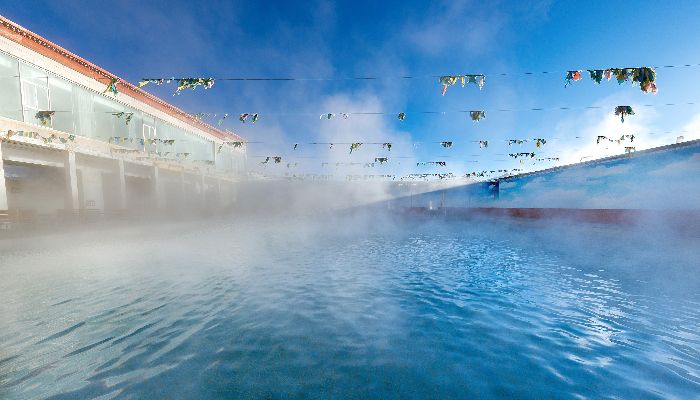
Yangbajain Hot Spring Pools
Pre-Trip Preparation for Yangbajain: Essential Items List
Adequate preparation can significantly enhance the experience and safety of visiting Yangbajain. Please check against the following list:
Clothing and Personal Items:
- Swimsuit: Must be prepared by yourself. Hot spring centers usually do not sell swimsuits, but only provide towel rental or sales services.
- Windproof and Warm Jacket: The weather in plateau areas is changeable, with large temperature differences between day and night. Must carry a windproof jacket or lightweight down jacket to put on immediately after bathing in the hot spring to prevent hypothermia.
- Easy-to-Put-On-and-Take-Off Shoes: It is recommended to wear sports shoes or shoes that are easy to move around in. Prepare an extra pair of clean socks for replacement.
- High-Efficiency Sun Protection Gear: The ultraviolet radiation on the plateau is extremely strong. Be sure to carry and frequently reapply high-factor broad-spectrum sunscreen, wear UV-blocking sunglasses, and a wide-brimmed sun hat.
- Personal Hygiene Products: You can carry small packages of body wash and shampoo for post-bath cleaning.
Other Practical Items:
- Insulated Water Bottle: For drinking warm water at any time, helping to maintain body hydration and cope with the dry plateau climate.
- High-Energy Portable Snacks: Such as chocolate, nut bars, glucose tablets, etc., for quickly replenishing energy during the trip.
- Valid ID Documents: Must be carried at all times. You may pass through checkpoints that require ID verification along the way.
- Waterproof Protection for Electronic Devices: If you plan to use mobile phones and other devices near the hot spring pool, it is recommended to equip them with reliable waterproof bags.
Recommended Travel Seasons:
- May to October: The climate is relatively mild, and the scenery is green. It is the peak tourist season with the largest number of visitors.
- November to April: Winter season. There is a chance to see hot springs in the snow, but the temperature is very low. Must make adequate cold protection preparations and confirm road accessibility in advance.
Frequently Asked Questions About Yangbajain, Tibet
Q1: Are the hot springs in Yangbajain natural? How is the water quality and hygiene?
A1: Yes, the hot springs originate from deep underground geothermal reservoirs and are natural hot springs. The gushing high-temperature spring water is transported through pipelines and undergoes necessary cooling, filtration, and circulating disinfection before entering public baths. Public large pools are shared by multiple people. If you have high personal hygiene requirements, you can choose to book an independent private pool or private room, which usually requires an additional fee.
Q2: Besides bathing in hot springs, what else can I visit in Yangbajain?
A2: The core attraction is viewing the natural landscape of gushing geothermal steam. In addition, you can observe the external facilities of the Yangbajain Geothermal Power Station from a distance to learn about the utilization of geothermal energy. The grassland landscape and pastoral scenery of the Qinghai-Tibet Plateau along the round trip are also important sightseeing parts.
Q3: Do I need to book hot spring tickets online in advance?
A3: If you go as an individual traveler, you can usually buy tickets for the same day directly at the ticket office of the hot spring center, and advance online booking is generally not required. However, if you go via a one-day tour that includes transportation services, the ticket is usually included in the overall fee, and you only need to use it according to the itinerary arrangement.
Q4: How to solve the dining problem during the trip to Yangbajain?
A4: There are restaurants inside or near the hot spring center that provide simple meals such as noodles, fried rice, and drinks, but the options are relatively limited. More reliable solutions are: Choose a one-day tour itinerary that includes lunch; if traveling by chartered car, ask the driver to recommend restaurants with good hygiene conditions along the way or in Yangbajain Town; or bring some individually packaged food and drinking water by yourself.
Core Tips for Itinerary Planning to Yangbajain
When planning a trip to Yangbajain, Tibet, the core principle is to prioritize safety and physical condition. It is recommended to arrange this itinerary after arriving in Lhasa and going through the acclimatization period. When choosing a transportation method, carefully evaluate your actual needs for itinerary freedom, budget, and operational convenience. For tourists who want to minimize itinerary trivialities, choosing a one-day tour product operated by a reliable travel agency is an efficient and secure option.
During the entire trip, maintain a clear understanding of the particularities of the high-altitude environment. Strictly abide by the time and safety regulations for hot spring bathing, and continuously pay attention to real-time physical feedback. Carrying complete warm and sun protection items is crucial. With thorough preparation, the geothermal wonders and plateau scenery of Yangbajain can provide travelers with a unique and memorable experience.