
Dali’s celebrated “eternal spring” climate belies a nuanced weather pattern. Framed by the serene Erhai Lake and the majestic Cangshan Mountains, the region enjoys a gentle microclimate, where the average temperature hovers around 15°C, conducive to perpetual tourism. Here, one can experience all four seasons in their most picturesque forms. The peak time to visit is a matter of personal taste—some may favor the cherry blossoms of spring, while others the snow-kissed landscapes of winter. A grasp of Dali’s climatic nuances is essential for crafting an unforgettable travel itinerary and enriching one’s exploration of its scenic wonders, making every visit a unique and memorable experience.
Overall Climate Characteristics and Causes in Dali
Dali Bai Autonomous Prefecture is located in the mid-western part of Yunnan Province. Its mild climate is primarily due to its advantageous geographical location and topography. The high altitude (Dali Ancient Town sits at about 2052 meters) brings ample sunshine and a cool baseline. The Cangshan Mountains to the north act like a huge barrier, blocking some of the cold air from the north. Meanwhile, the Erhai Lake in front functions as a natural temperature and humidity regulator, making the lakeside area’s diurnal temperature fluctuations relatively moderate and the air humid. This combination of “plateau lake + mountain barrier” topography creates Dali’s unique climate, which is neither like the stifling heat of eastern plains nor the severe cold of higher altitude regions.
Overall, Dali’s climate falls under the category of a low-latitude plateau monsoon climate, with distinct dry and wet seasons. The dry season lasts from November to April each year, characterized by clear blue skies, scarce rainfall, abundant sunshine, but significant temperature differences between day and night. The wet (rainy) season spans from May to October, with concentrated rainfall, especially from June to August. However, rain often comes in showers or at night, frequently followed by clearing skies, fresh air, and frequent rainbows. It is this distinct yet gentle rhythm that fills Dali’s four seasons with explorable surprises.

Yunnan Dali
In-Depth Analysis of Dali’s Four Seasons
Spring (March-May): A Hundred Flowers Bloom, End of the Windy Season
Spring is Dali’s transition from dry to humid and is the season with the most vibrant colors.
- Climate Characteristics: Temperatures rise steadily. The average temperature in March is around 8-20°C (46-68°F), rising to about 12-25°C (54-77°F) by May. The weather is predominantly sunny, but the famous “Xiaguan Wind” is still quite noticeable in March, gradually weakening afterwards. Rainfall begins to increase but is mostly in the form of brief, light showers.
- Travel Highlights: Dali during this time is an ocean of flowers. Cherry blossoms at Dali University, camellias at Weibao Mountain in Weishan, pear blossoms at Liyuan Village in Eryuan bloom in succession. Particularly, the fields around Dali Ancient Town and Xizhou Ancient Town are a golden expanse of rapeseed flowers, breathtakingly beautiful. The pleasant climate is perfect for cycling along the Erhai Lake Ecological Corridor or hiking the lower trails of the Cangshan Mountains.
- Packing Suggestions: Adopt the “layering” method. A long-sleeved T-shirt and a light jacket suffice during the day. A fleece or lightweight down jacket is needed for mornings and evenings. A windproof jacket is essential. A hat serves both for wind protection and sun protection.
Summer (June-August): Cool Rainy Season, Lush Greenery
This is Dali’s rainy season, but it’s far from overcast and rainy all day long.
- Climate Characteristics: The most humid season, with average temperatures between 15-24°C (59-75°F). It’s cool and comfortable, making it an excellent summer retreat. Rainfall is usually concentrated in the afternoons or at night, often described as “sunshine in the east, rain in the west.” After rain, the sky clears up as if washed, with rainbows frequently appearing. Humidity is high, and the Cangshan Mountains are often shrouded in mist and clouds, resembling a fairyland.
- Travel Highlights: Erhai Lake is full, and the scenery around the lake is lush and green. This is a great time to experience the clouds and mist of Cangshan and admire the alpine azaleas (early summer). Shuanglang and Wase towns take on a hazy, poetic charm during the rainy season. Various wild mushrooms come into season, making it a golden time for foodies to savor mountain delicacies.
- Packing Suggestions: Focus on breathable, quick-drying summer clothes, but be sure to bring a waterproof and windproof jacket or windbreaker. Waterproof shoes are recommended for mountain hiking. UV radiation remains strong, so high-SPF sunscreen, sunglasses, and a sun hat are indispensable.
Autumn (September-November): Clear Skies and Thin Clouds, Golden Season
Many travelers agree this is Dali’s most perfect season in terms of climate.
- Climate Characteristics: The rainy season gradually ends, the sky becomes exceptionally clear and azure blue, with extremely high visibility. Temperatures are cool, averaging around 10-22°C (50-72°F). The sunlight is gentle, humidity is moderate, and there’s hardly any annoying strong wind. It truly embodies “clear autumn skies and crisp air.”
- Travel Highlights: This is the golden period for photography. Erhai Lake’s waters are sapphire blue, reflecting the Cangshan Mountains and white clouds. The rice fields in Xizhou turn golden, forming classic pastoral scenes. This season is ideal for outdoor activities like driving around Erhai Lake, making a pilgrimage to Jizu Mountain for the views, or enjoying a tranquil autumn time in Shaxi Ancient Town.
- Packing Suggestions: Long-sleeved shirts, thin sweaters, windbreakers, or denim jackets are standard. A warm mid-layer is needed for mornings and evenings. The weather is stable, making packing the simplest.
Winter (December-February): Warm Winter Sun, Clear Snowy Mountains
Dali’s winter is dry and sunny, offering a unique charm.
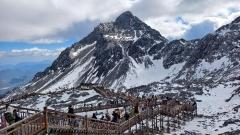
- Climate Characteristics: The driest season with minimal rainfall. Days are warm like spring under the sun, with average temperatures between 3-16°C (37-61°F). However, nighttime and early morning temperatures can drop to around freezing, resulting in large diurnal variations. The air is extremely transparent, allowing distant views of the snow-capped peaks of Cangshan, presenting magnificent scenery.
- Travel Highlights: The best time to view “Cangshan Snow.” Sipping a pot of tea on the rooftop of a building in Dali Ancient Town or from a homestay on the west side of the lake, gazing at the snow-covered nineteen peaks of Cangshan, is a unique experience. Winter is also a good time for birdwatching, as many migratory birds come to Erhai Lake. Around the Chinese New Year, Bai ethnic folk activities are abundant.
- Packing Suggestions: Thermal underwear, sweaters, and thick outerwear (down jacket or heavy windbreaker) are essential. Layers can be removed when it warms up in the sun during the day. Hats, scarves, and gloves are useful for keeping warm in the mornings and evenings.
How to Plan Your Itinerary Based on Dali’s Climate
After understanding the seasonal climate characteristics, you can plan precisely according to your preferences:
- Pursuing the Best Weather and Scenery: Choose Autumn (mid-September to mid-November). During this time, climate, scenery, and comfort reach an optimal balance. However, it is also the relatively high tourist season, so booking accommodation in advance is necessary.
- Limited Budget, Avoiding Crowds: Choose Winter (December to February, excluding Chinese New Year) or early Spring (March). Accommodation prices are more favorable, there are fewer tourists, and you can enjoy a quieter ancient town and sunshine. Be prepared for low temperatures in the mornings and evenings.
- Experiencing Lush Greenery and Summer Retreat: Choose Summer (June to August). Although there will be showers, the cool temperatures and vibrant greenery are the greatest rewards. Remember to have backup plans for rainy days.
- Photography Enthusiasts: Autumn’s stable light and rich colors are the top choice. Winter’s Cangshan snow scenes and transparent air are also highly attractive. Spring’s sea of flowers offers another theme.
Dragon Travel Warm Reminder: Plateau weather is changeable. Even within the same season, weather forecasts are for reference only. We recommend keeping your itinerary somewhat flexible and always being prepared with a windproof and waterproof jacket for sudden changes.
Exploring Dali: Recommended Classic Travel Routes
Combined with Dali’s climate characteristics, we have selected the following classic routes for you to gain the best experience in different seasons:
1.Dali Classic Scenery Route (3-4 days)
This route is suitable for first-time visitors who want a comprehensive experience of Dali’s landscapes, especially comfortable in spring and autumn.
- Itinerary Highlights: Stroll through Dali Ancient Town-Visit Chongsheng Temple Three Pagodas-Explore Xizhou Ancient Town (try Xizhou Posu Baba)-Cycle along the Erhai Lake Ecological Corridor-Visit Shuanglang Ancient Town (admire Cangshan-Erhai scenery)-Ascend Nanzhao Folk Island or experience the Yuji Island Art Space.
- Climate Compatibility: Cycling and hiking are most pleasant in spring and autumn. Sun protection and afternoon rain should be noted in summer, while warmth during cycling is important in winter.
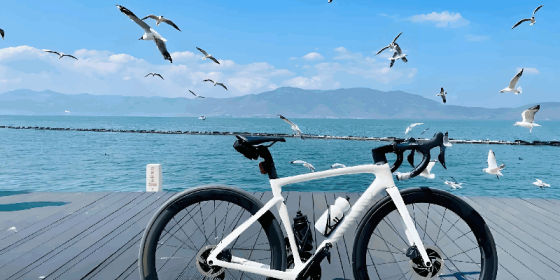
Dali Erhai Cycling
2.Dali Cangshan In-Depth Nature Route (2-3 days)
Focuses on the geological wonders and ecological diversity of the Cangshan Mountains. Summer and early autumn are the best times to explore its valleys and mists.
- Itinerary Highlights: Take the Cangshan Gantong Cableway or Ximatang Big Cableway (subject to seasonal opening)-Hike the Yudai (Jade Belt) Cloud-Hiking Path-Visit Jizhao Nunnery (Succulent Garden) and Gantong Temple-Stroll through the Qingbixi Stream Gorge.
- Climate Compatibility: Cangshan is cool in summer with lush vegetation, but be prepared for showers and mist. In winter, you can take the cableway to view snowscapes, but some high-altitude hiking trails may be closed.
3.Dali and Surrounding Cultural Ancient Towns Route (4-5 days)
Delves into the core area of Bai culture, exploring more 古朴(ancient and simple) towns. Suitable year-round, ancient towns under winter sun have a unique charm.
- Itinerary Highlights: Dali Ancient Town-Jianchuan Shaxi Ancient Town (Tea Horse Road key town)-Weishan Ancient Town (origin of Nanzhao Kingdom)-Nuodeng Ancient Village (thousand-year-old Bai village, try Nuodeng ham).
- Climate Compatibility: This route involves multiple ancient towns; visiting on foot is most comfortable in spring and autumn. The sunny ancient town atmosphere of Weishan and Nuodeng in winter is uniquely tranquil.
Dali Travel Frequently Asked Questions (Q&A)
Q1:Will I get altitude sickness in Dali?
Dali Ancient Town’s altitude is about 2052 meters. The vast majority of tourists adapt well. However, as with all plateau areas, it is recommended to move slowly upon arrival, avoid strenuous exercise, get plenty of rest, drink lots of water, and avoid alcohol. If needed, you can prepare medications like Rhodiola rosea in advance.
Q2:Will my trip be completely ruined by rain if I go during the rainy season?
No. Dali’s rainy season rainfall is mostly in the form of showers or night rain; it rarely rains continuously all day. On the contrary, the air is fresh after rain, vegetation is emerald green, and rainbows and misty wonders often appear. Simply allow some flexibility in your itinerary planning and be prepared with rain gear.
Q3:What specific clothing should I prepare for Dali’s climate?
Regardless of when you visit, “layering” is key. Essential items include: sun-protective clothing/hat, sunglasses, high-SPF sunscreen, a windproof and waterproof jacket (especially important in the rainy season/winter), comfortable hiking shoes. Due to large day-night temperature differences, a warm mid-layer (like a thin sweater or fleece) is absolutely necessary.
Q4:Is the UV radiation in Dali really that strong?
Yes, very strong. Due to the high altitude and clean air, UV radiation in Dali remains at a relatively high level year-round. Even on overcast or cloudy days, UV rays can penetrate the clouds. Therefore, strict daily, all-day sun protection (applying sunscreen, physical barriers) is a necessary measure to protect your skin.
Master Dali’s Climate, Embark on a Perfect Journey
In summary, the diversity and pleasantness of Dali’s climate are at the core of its enduring appeal as a travel destination. There is no absolutely “wrong” time to travel, only season choices that don’t match your expectations. If you crave clear blue skies for a photography trip, autumn calls. If you long for a summer retreat and lush greenery, summer is the time. If you want to enjoy warm winter sun and distant snowy mountain views, winter is an excellent choice. If you look forward to embracing spring blossoms, March to May should not be missed.
The first step in careful itinerary planning is understanding the weather rhythm of this land. If you wish to receive more personalized itinerary suggestions or still have questions about arranging specific activities based on Dali’s climate characteristics, the professional team at China Dragon Travel is happy to assist. We have a deep understanding of the climate and seasonal features across Yunnan and can tailor the most suitable travel plan according to your travel time, interests, and budget. This ensures that no matter which season you visit Dali, you will harvest an unforgettable and comfortable journey amidst the “Wind, Flower, Snow, and Moon.”