

When travelers think of Yunnan, they often imagine snow-capped mountains, ancient towns, and terraced rice fields. But beyond its breathtaking landscapes lies one of China’s most fascinating culinary regions.
Located in southwestern China and bordering Myanmar, Laos, and Vietnam, Yunnan is home to 25 recognized ethnic minorities. Its geography ranges from tropical rainforest to high-altitude plateau. This extraordinary diversity has shaped a food culture unlike anywhere else in China.
If you truly want to understand Yunnan, start with its food.
1. Crossing the Bridge Rice Noodles – The Culinary Icon of Yunnan
No Yunnan food guide would be complete without Crossing the Bridge Rice Noodles.
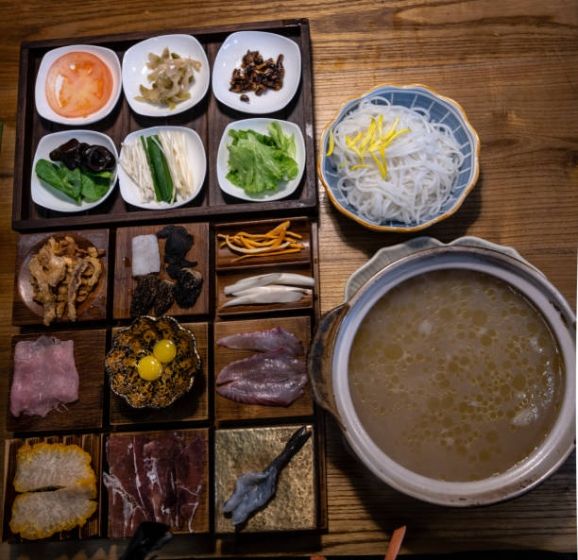
Originating in southern Yunnan and popularized in Kunming, this dish is both delicious and theatrical. A large bowl of boiling broth is served separately from thin rice noodles, raw meat slices, vegetables, and herbs. Diners add the ingredients into the soup themselves, cooking them in order.
A layer of chicken oil seals in the heat, keeping the broth steaming hot for several minutes. The result is a deeply flavorful yet clean-tasting soup.
For international travelers, the interactive style of eating makes it more than just a meal — it becomes an experience.
Best place to try: Kunming.
2. Wild Mushroom Hot Pot – A Seasonal Treasure
Yunnan is considered the wild mushroom capital of China. During the rainy season (June to September), hundreds of edible mushroom varieties appear in local markets.
The famous wild mushroom hot pot highlights the natural flavor of seasonal fungi such as porcini, matsutake, termite mushrooms, and more. The broth is typically light and clear, allowing the earthy sweetness of the mushrooms to shine.
Food lovers from across China travel to Yunnan just for this seasonal delicacy.
Important note: Always enjoy wild mushrooms in reputable restaurants. Some varieties can be toxic if improperly prepared.
Best season: Summer (June–September).
3. Dai Cuisine – Tropical Flavors from Xishuangbanna
In southern Yunnan, the cuisine shifts dramatically. In Xishuangbanna, home to the Dai ethnic group, the flavors are bright, fresh, and aromatic.
Dai food emphasizes sourness, spiciness, and fragrant herbs like lemongrass and mint. One of the most impressive dishes is Dai hand-grab rice — a colorful platter of grilled meats, sticky rice, pickles, herbs, and dipping sauces arranged on banana leaves. Traditionally eaten with hands, it’s festive and communal.
Other highlights include:
-
Lemongrass grilled fish
-
Bamboo tube rice
-
Papaya salad (Dai-style)
-
Grilled pork with herbs
For travelers who enjoy Southeast Asian cuisine, Dai food feels familiar yet uniquely local.
Best place to try: Xishuangbanna.
4. Dali Specialties – Gentle Flavors of the Bai People
Dali, located by Erhai Lake, is home to the Bai ethnic group. The cuisine here is lighter, fresher, and less oily compared to other regions.
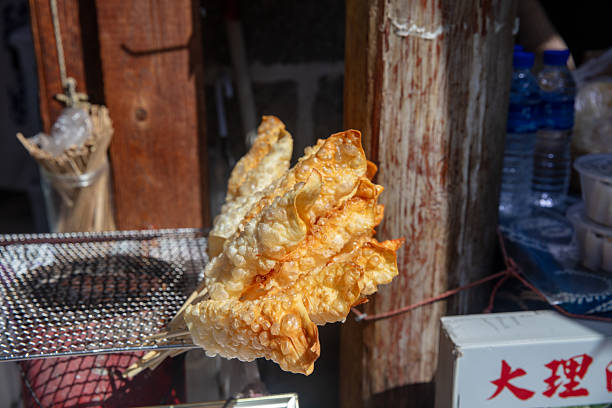
The most unique local specialty is Rushan, a thin sheet-like dairy product sometimes described as “Yunnan cheese.” It can be grilled, fried, or rolled with sugar. For international visitors, it’s a surprising discovery — dairy is rare in most Chinese cuisines.
Other Dali favorites include:
-
Clay pot fish
-
Stir-fried Erkuai (rice cake slices)
-
Fresh lake fish dishes
A relaxed afternoon in Dali Old Town paired with Bai home-style cooking is often a highlight of the trip.
5. Lijiang & Shangri-La – Hearty Highland Cuisine
As elevation rises, flavors grow richer.
In Lijiang, cured pork rib hot pot is a local favorite — savory, warming, and perfect for cold evenings.
Further north in Shangri-La, Tibetan influences dominate. Yak meat hot pot, butter tea, and highland barley bread are staples of the plateau diet. These high-calorie dishes reflect the practical needs of life at altitude.
For travelers exploring snow mountains and highland scenery, this cuisine provides both warmth and cultural insight.
Best places: Lijiang & Shangri-La.
6. Street Food & Local Snacks You Shouldn’t Miss
Beyond formal meals, Yunnan’s street food scene offers endless discoveries:
-
Flower cakes (rose-filled pastries)
-
Grilled tofu
-
Cold rice noodles
-
Fried potatoes with spices
-
Rice dumplings and local sweets
Night markets in Kunming, Dali, and Lijiang are perfect places to explore these flavors.
Practical Food Travel Tips for Yunnan
-
Season Matters – Mushroom dishes are best in summer.
-
Spice Levels Vary – Dai cuisine can be quite spicy.
-
Altitude Changes Appetite – In highland areas, hearty dishes are common.
-
Explore Local Markets – Morning markets offer authentic insight into daily life.
-
Combine Food with Culture – Many ethnic meals are paired with music and dance performances.
Why Yunnan’s Food Is Unlike Anywhere Else in China
Yunnan cuisine stands apart because it blends:
-
Chinese culinary techniques
-
Southeast Asian flavors
-
Tibetan highland traditions
-
Indigenous ethnic cooking styles
Few regions in Asia offer such dramatic culinary contrast within a single province.
In just one trip, you can taste tropical herbs in the south, freshwater delicacies in central lakeside towns, and yak butter tea in the north.
Yunnan is not just a destination for nature lovers — it is a paradise for food explorers.
From steaming bowls of rice noodles in Kunming to wild mushroom feasts in the rainy season, from Dai hand-grab rice in Xishuangbanna to yak hot pot in Shangri-La, every meal tells a story of geography, climate, and culture.
When planning your Yunnan journey, leave room in your itinerary — and your appetite.
Because in Yunnan, the most unforgettable memories are often made at the dining table.