
Located between Lijiang and Shangri-La, Tiger Leaping Gorge is one of the most dramatic natural landscapes in Yunnan. The Jinsha River cuts through towering mountains, creating a deep and powerful canyon that stretches for about 23 kilometers. Divided into Upper, Middle, and Lower sections, each part offers a different way to experience the gorge—from easy viewpoints to world-famous hiking trails. For many travelers heading to northwest Yunnan, this is a place that naturally finds its way onto the itinerary.
Core Attractions of Tiger Leaping Gorge
The gorge’s breathtaking scenery unfolds along the Jinsha River, with three distinct sections each offering a unique experience, from fully developed leisure viewing areas to wild, untouched wilderness for deep exploration, suitable for every type of traveler.
Upper Tiger Leaping Gorge
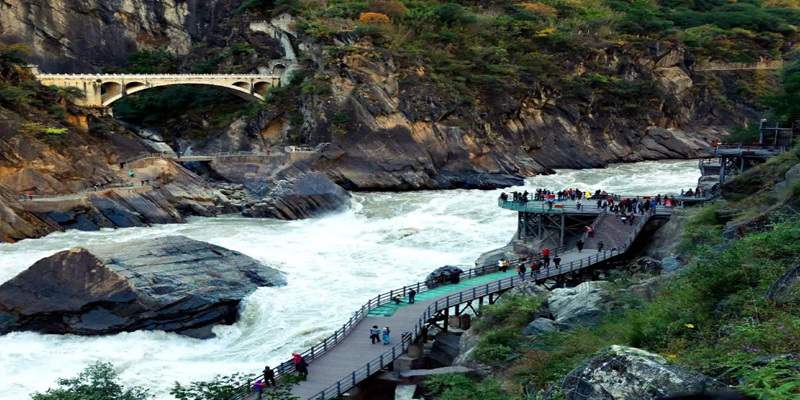
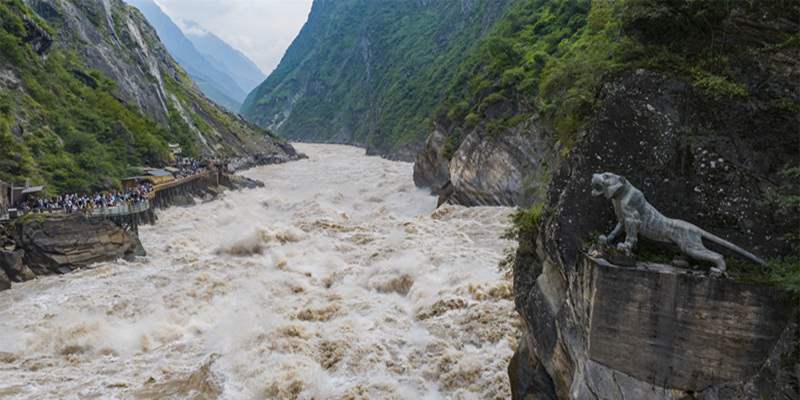
As the most developed and accessible part of Tiger Leaping Gorge, Upper Gorge is the top choice for casual tourists, families and first-time visitors, with complete tourist facilities and a short distance from the local town. Its landmark is the legendary Tiger Leaping Stone, a huge reef standing in the turbulent Jinsha River. As the old tale goes, a tiger once leaped across the gorge via this rock, which is how the spot got its name. The river narrows to merely 30 meters here, with surging water crashing against the reef and raising huge sprays, presenting a spectacular and breathtaking natural scene.
The scenic spot is equipped with flat paved boardwalks and multiple panoramic viewing platforms, requiring no strenuous hiking and suitable for visitors of all ages. Strolling along the path, you can feel the powerful momentum of the Jinsha River, admire the towering cliffs and lush vegetation on both sides, and take stunning panoramic photos of the grand canyon easily.
Middle Tiger Leaping Gorge
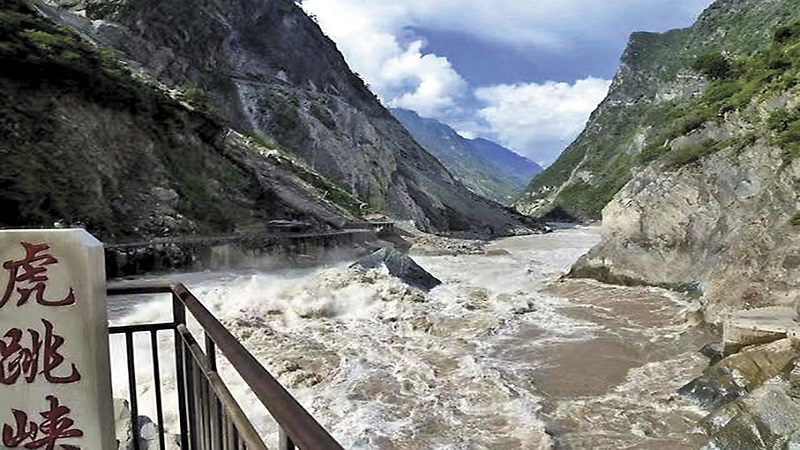
Middle Tiger Leaping Gorge is the wildest and most rugged section, a must-visit for global hiking lovers and outdoor enthusiasts. The river drops sharply here, rushing through jagged rocks and forming the famous “Sky Full of Stars” rapids. The roaring whitewater fully shows the unbridled power of the Jinsha River, bringing visitors an immersive and unique natural experience.
Different from the upper gorge’s man-made boardwalks, the trails here are mostly primitive paths built by local villagers, including Teacher Zhang’s Trail and Ladder Boardwalk. Hiking along these paths to the riverbank allows you to get close to the rushing water, feel the canyon’s wild charm, and enjoy an unparalleled visual and sensory shock from the steep cliffs and roaring river.
The trails here are steep and rough with no guardrails in some sections, so visitors need moderate physical strength and careful walking. We highly recommend wearing non-slip hiking shoes, carrying enough water and energy snacks, and moving slowly to ensure safety.
Lower Tiger Leaping Gorge
Lower Tiger Leaping Gorge is perfect for travelers who prefer quiet, off-the-beaten-path trips. It is the most pristine section with almost no commercial development, retaining the most original natural beauty of the canyon. The terrain is gentle here, offering wide and open views of the whole gorge and the winding Jinsha River, a totally different visual experience from the other two sections.
This section is home to the ferry to Daju Township and the end of the classic High Road Hiking Route. With few tourists and no crowds, it’s an ideal spot to slow down, enjoy the quiet grandeur of the canyon, and get close to nature amid the river breeze and waves.
You can also pass through idyllic farmlands and local villages along the way, taste authentic homemade farm meals and experience unique local ethnic culture. It’s a great place to escape urban bustle, relax and connect with nature and local life.
Yunnan Tiger Leaping Gorge
Complete Transport Guide to Tiger Leaping Gorge
This guide outlines end-to-end travel routes for international travelers heading to Tiger Leaping Gorge, from your arrival in China all the way to the scenic area. Packed with key information and essential travel tips, it is designed to help you plan a seamless, efficient trip.
International Arrival & Long-Haul Travel (Top Recommended Options)
Tiger Leaping Gorge is located in northwest Yunnan Province, southwest China. For international visitors, air travel is the primary way to enter the country, with three core route options available:
Top Pick Hub: Kunming Changshui International Airport (KMG)
As Yunnan’s largest international air gateway, KMG operates direct flights to and from major global markets across Southeast Asia, East Asia, Europe, the Middle East, and North America, making it the go-to entry point for most international travelers.
Time-Saving Direct Flights
For the fastest route to the gorge, fly directly into Lijiang Sanyi International Airport (LJG) or Shangri-La Diqing Airport (DIG). Both airports offer direct international and regional flights from destinations including Hong Kong (China), Bangkok, and Seoul. Landing right on the doorstep of the scenic area, this option eliminates layovers and cuts down your travel time significantly.
Flexible Connecting Routes
If there are no direct flights to Yunnan from your departure city, you can first fly into one of China’s major international hubs — Beijing, Shanghai, Guangzhou, or Chengdu. From there, you will find frequent domestic connecting flights to Kunming, Lijiang, or Shangri-La.
Transit Options Between Key Hubs: Lijiang & Shangri-La
Lijiang and Shangri-La are the two primary gateway cities for trips to Tiger Leaping Gorge. Below are the most popular ways to travel between these hubs and connect from Kunming:
By Air
Flights from Kunming to Lijiang take approximately 50 minutes, while flights from Kunming to Shangri-La last around 1 hour and 10 minutes, with multiple daily departures. Direct flights to Lijiang and Shangri-La are also available from Beijing, Shanghai, Guangzhou, and other major Chinese cities. International travelers can book flights on official, reputable platforms using a valid passport.
By High-Speed Rail
High-speed EMU trains run from Kunming to Lijiang in 3.5 to 4.5 hours, and the journey from Lijiang to Shangri-La takes roughly 1.5 hours, with breathtaking plateau scenery along the route. International travelers can purchase tickets via China Railway’s official 12306 mobile app (with multilingual support) or at station ticket counters using a valid passport.
Local Travel from Gateway Cities to Tiger Leaping Gorge Scenic Area
Once you arrive in Lijiang or Shangri-La, here are your best options for reaching the gorge itself:
Chartered Car or Carpool
This hassle-free option lets you sit back and enjoy the ride, with experienced drivers who know the local roads inside out. You can adjust stop times to suit your schedule, and some services include multilingual guides. Always book through reputable hotels or international travel platforms — never accept unlicensed, off-the-street offers.
- From Lijiang: 1.5–2 hours one way
- From Shangri-La: ~2 hours one way
Carpooling is a budget-friendly choice with low per-person costs in RMB, while a private chartered car is ideal for families or groups, offering greater privacy and flexibility.
Self-Driving
The drive from Lijiang is 90km, taking 1.5–2 hours, while the route from Shangri-La is 100km, completed in around 2 hours. Both routes are well-maintained and easy to navigate.Important Note: International drivers must carry a valid International Driving Permit (IDP), along with their original national driver’s license and passport, to drive legally in China. Regulated paid parking is available within the scenic area.
Public Transport
Regular scheduled buses run from Lijiang and Shangri-La bus stations to Tiger Leaping Gorge Town. The journey takes around 2 hours from Lijiang, and 2.5 hours from Shangri-La. On arrival, you can transfer to licensed local shuttles to reach the various viewpoints within the scenic area.Schedules are limited, so we strongly recommend confirming departure times in advance.
Tiger Leaping Gorge
Practical Accommodation & Dining Guide at Tiger Leaping Gorge
Planning your accommodation and dining ahead will drastically improve your Tiger Leaping Gorge experience, ensuring you stay comfortable and well-fueled throughout your trip. Below is our curated guide to the best options for every travel style.
Accommodation Options: From Comfortable Hotels to Mountain Guesthouses
Tiger Leaping Gorge offers a wide range of accommodation options to suit every budget and travel plan. If you’re planning a casual day trip to the gorge, there’s no need to stay overnight—you can easily return to Lijiang or Shangri-La the same day. For hikers tackling the trekking routes, however, staying at one of the guesthouses along the trail is highly recommended.
Tiger Leaping Gorge Town is the main transport and tourist hub for the area, with a huge selection of hotels, guesthouses, and hostels across all price ranges. Room prices here range widely, from around 150 RMB per night for a clean, basic budget guesthouse room to 800+ RMB per night for a premium hotel suite. These properties offer full amenities and excellent transport links, making them the perfect choice for first-time visitors who want easy access to the scenic area. For hikers, the guesthouses along the High Road Hike—including the famous Tea Horse Guesthouse—are the go-to choice. Perched on the mountainside, these guesthouses offer unbeatable panoramic views of the gorge and snow-capped mountains, with floor-to-ceiling windows that let you wake up to the breathtaking scenery right outside your room. While the amenities are more basic than the town’s hotels, they have an unbeatable atmosphere, and you’ll get to meet fellow hikers from all over the world, making them a warm and welcoming stop along your trek, with rooms typically costing 200-400 RMB per night for a double room, often including breakfast.
Local Dining: Taste Authentic Northwest Yunnan Flavors
The dining options in Tiger Leaping Gorge are mainly concentrated in Tiger Leaping Gorge Town and the guesthouses along the trekking routes, focusing on authentic Yunnanese local specialties that cater to a wide range of tastes from travelers across the globe. Must-try dishes include fresh Jinsha River fish, free-range local chicken hot pot, cured pork ribs, Yunnan rice noodles, and a variety of wild vegetables and mushrooms foraged from the surrounding mountains.
In Tiger Leaping Gorge Town, you’ll find a wide selection of restaurants with affordable prices, serving up authentic northwest Yunnan cuisine made with fresh, local ingredients. The guesthouses along the trekking routes also offer hearty home-cooked meals, mostly made with vegetables grown by local villagers and free-range poultry raised on the mountain. After a long day of hiking, a hot, home-cooked meal is the perfect way to refuel and recharge for the next day’s adventure.
It’s important to note that there are very few dining options in the Middle and Lower Tiger Leaping Gorge sections, so we highly recommend bringing plenty of drinking water and snacks with you to keep you fueled during your exploration.
Packing List & Essential Safety Tips about Tiger Leaping Gorge
Proper preparation and safety precautions are essential to ensure a smooth, enjoyable, and safe trip to Tiger Leaping Gorge. Below is our comprehensive guide to everything you need to bring and the key safety rules to follow during your visit.
Essential Packing List
First and foremost, sun protection is non-negotiable. Tiger Leaping Gorge is located in a high-altitude area, with extremely strong UV radiation all year round, even on cloudy days. Be sure to pack high-SPF sunscreen, a wide-brimmed sun hat, UV-protective sunglasses, and a lightweight sun-protective jacket to avoid sunburn.
Next, appropriate footwear is critical. Whether you’re just visiting the casual viewing platforms or tackling the hiking trails, you’ll need a pair of non-slip, comfortable sneakers or hiking boots to navigate the boardwalks and mountain paths safely. You’ll also need to pack warm clothing, as the temperature difference between day and night in the canyon is significant. Even in summer, you’ll need a thin jacket for the morning and evening, while winter visits require full, heavy warm clothing to stay comfortable in the cold temperatures.
You should also bring plenty of drinking water, high-energy snacks (such as nuts, energy bars, and dried fruit), and a basic first-aid kit with essential medications, including motion sickness pills, band-aids, altitude sickness medication, and medicine for stomach upsets, to handle any unexpected situations during your trip. If you’re a photography enthusiast, be sure to bring your camera, tripod, and extra batteries to capture the stunning, dramatic scenery of Tiger Leaping Gorge.
Key Safety Tips
First and foremost, almost all the scenic spots in Tiger Leaping Gorge are located alongside the river and on the edge of steep cliffs. Always stay on the official boardwalks and viewing platforms during your visit. Never climb over guardrails, and never venture into undeveloped areas, as this puts you at serious risk of falls and slips.
The Jinsha River has extremely fast, powerful, and unpredictable currents. Never get close to the shallow beaches or rocks along the riverbank, as you risk being swept away by the surging water. This is especially important during the rainy season (June to August), when the water level rises significantly and the current becomes even more powerful—always stay a safe distance from the water’s edge.
If you’re hiking in the gorge, always choose a route that matches your fitness level, and don’t push yourself to tackle high-difficulty trails beyond your ability. Always hike with a group, never wander off alone, and let someone know your planned itinerary and route before you set off. Additionally, avoid strenuous exercise at high altitude to prevent altitude sickness. If you feel unwell at any point, stop and rest immediately, and seek help if needed.
Finally, please help protect the pristine natural environment of Tiger Leaping Gorge by not littering, and taking all your trash away with you when you leave. Let’s work together to preserve this magnificent natural wonder for future generations to enjoy.
Tiger Leaping Gorge
Tiger Leaping Gorge: Where the River Meets Your Sense of Discovery
Standing at the edge of Tiger Leaping Gorge, with the powerful Jinsha River roaring below and dramatic cliffs rising on both sides, you quickly realize that the impact goes beyond scenery. It’s a kind of raw, natural energy that stays with you. Whether you’re taking in the views from the Upper Gorge, walking step by step closer to the river in the Middle Gorge, or enjoying the quiet openness of the Lower section, each moment subtly reshapes how you experience both nature and travel.
If you’re planning a trip to Yunnan, Tiger Leaping Gorge is well worth including in your itinerary. Whether you visit briefly or take on a full trekking route, being prepared and choosing the right pace will make all the difference. And if you’d like a more tailored plan based on your schedule and travel style, China Dragon Travel can help you arrange a smoother and more practical journey—so that this experience stays vivid and memorable long after you’ve left the gorge.