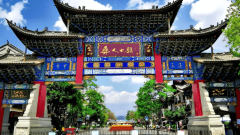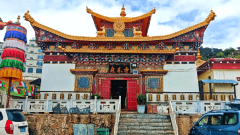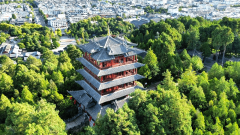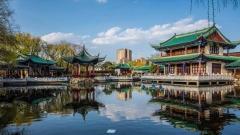

For travelers from Malaysia, Yunnan has quickly become one of the most appealing destinations in China thanks to its convenient access, rich cultural diversity, and newly implemented visa-free policy. From the spring-like climate of Kunming to the romantic landscapes of Dali, the snow-capped peaks of Lijiang, and the tropical atmosphere of Xishuangbanna, Yunnan offers an incredible mix of nature, culture, and cuisine. This guide walks you through everything from entry requirements and transportation to must-visit attractions, helping you plan a smooth and memorable journey.
Pre-trip Preparations for Malaysian Travelers Visiting Yunnan
The pre-travel preparation will directly determine the smoothness of your entire trip, especially entry regulations and cross-city transport arrangements. Below is a detailed breakdown of all key points to help you make thorough plans in advance and avoid omissions during your trip.
Entry Policy Details
Under the mutual visa-free agreement officially implemented between China and Malaysia, Malaysian citizens holding valid ordinary passports can enter China visa-free for non-work and non-long-term residence purposes, including tourism, business visits, family reunions, and cultural exchanges. All relevant rules must be strictly followed.
For a single entry into China including Yunnan, you can stay for a maximum of 30 days, with a total cumulative stay of no more than 90 days within any 180-day period. There is no additional limit on the number of visa-free entries. If your trip requires a stay longer than 30 days, or you plan to study, work, or engage in business activities that require prior approval from the competent authorities, you must apply for the corresponding type of visa at the Chinese Embassy or Consulate in Malaysia in advance. When entering Yunnan, you must carry your passport with a validity of more than 6 months, round-trip flight ticket orders, and hotel booking vouchers for your entire stay to present to border inspection officers, which can speed up the customs clearance process.
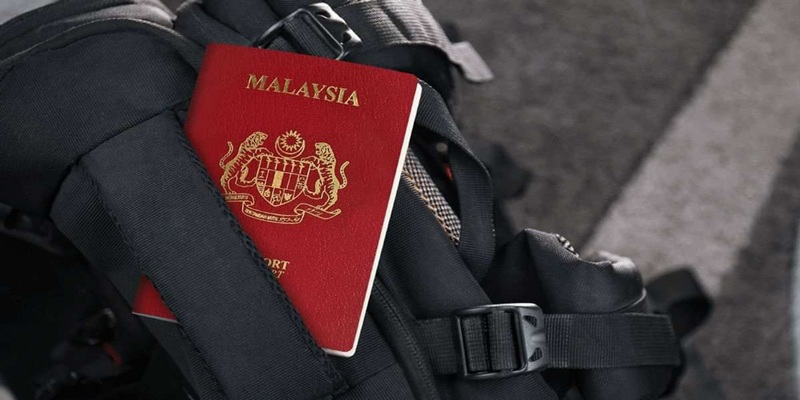
Malaysian Passport
Transport Arrangements
Traveling from Malaysia to Yunnan mainly has two major transport options: direct international flights and domestic connecting transfers. The two methods have their own advantages, and you can choose flexibly according to your travel time, budget, and destination. Both options are highly convenient and are the most mainstream travel choices at present.
Direct International Flights
This is the most time-saving and hassle-free transport method for the whole journey. The core departure airport is Kuala Lumpur International Airport, with direct flights to Kunming Changshui International Airport, the capital of Yunnan Province. At present, many airlines have regular direct routes, with ample options. Common routes include China Eastern Airlines MU874, AirAsia AK101/AK103, and Batik Air OD670. The direct one-way flight takes only about 3 hours and 45 minutes, without the need for transfer, which can greatly save travel energy. Ticket prices have obvious seasonal differences: off-peak economy class fares can be as low as less than 1000 RMB, and booking half a month to a month in advance can lock in more favorable prices with full cost performance.
Domestic Connecting Transfers
If your final destination is popular tourist cities such as Dali, Lijiang, or Xishuangbanna, you do not need to travel extra in downtown Kunming. You can choose to take a domestic high-speed rail or domestic flight directly after arriving in Kunming on an international flight to achieve one-stop arrival.
As the transport hub of Yunnan Province, Kunming has a fully covered high-speed rail network, with excellent cross-city travel time: Kunming to Dali is about 1.5 hours, Kunming to Lijiang is about 3 hours, Kunming to Xishuangbanna is about 3.5 hours, and Shangri-La has also opened a high-speed train line, which is comfortable and stable throughout the journey. If you pursue extreme speed travel, you can also choose to transfer to domestic flights at Kunming Changshui Airport, with a flight time of about 1 hour to Lijiang and Xishuangbanna, further reducing travel time.
Essential Packing List
- Documents: Original and photocopies of your passport, hotel booking confirmations, return flight tickets, and emergency contact information
- Clothing: Yunnan has large altitude differences and obvious temperature differences between morning and evening. You need to prepare light jackets and long-sleeved clothes. Thick down jackets are required for trips to Jade Dragon Snow Mountain and Shangri-La, while cool summer clothes are the main choice for Xishuangbanna area.
- Practical Items: High-SPF sunscreen, sun hat, sunglasses, umbrella, travel adapter, power bank, and comfortable walking shoes
- Other Items: Common medicines (cold medicine, stomach medicine, anti-altitude sickness medicine, motion sickness medicine, etc.), a small amount of RMB cash. Download Alipay and WeChat on your mobile phone in advance and bind your bank card, as mobile payment is available in most scenarios in China.
Must-Visit Attractions in Yunnan for Malaysian Travelers
This guide selects the most representative must-visit attractions in Yunnan, each with unique scenery and experience, which can be flexibly arranged according to your itinerary.
Kunming
Known as the Spring City, Kunming has pleasant climate all year round and is the first stop when arriving in Yunnan. The Stone Forest Scenic Area is a World Natural Heritage, with karst landforms formed over 270 million years, with numerous stone peaks and extraordinary craftsmanship, which is a must-see attraction in Kunming. Dianchi Lake Haigeng Dam is the best place to watch the plateau pearl Dianchi Lake. In winter, you can see flocks of red-billed gulls, and the sunset glow covers the lake at sunset, which is extremely healing. In addition, Yunnan Ethnic Village can provide a one-stop experience of the culture and customs of 25 ethnic minorities in Yunnan, which is suitable for tourists who want to understand the local culture.
Dali
The core charm of Dali lies in the romance of wind, flowers, snow and moon, with Cangshan Mountain and Erhai Lake forming the most touching picture here. Erhai Lake is the soul of Dali. Along the 130km Lake Ring Road, there are the sunrise at Longkan Wharf, the healing scenery of Panxi S-curve, the rice field scenery of Xizhou Ancient Town, and the lakeside scenery of Shuanglang Ancient Town. There are scenery worth stopping everywhere. Dali Ancient City has a thousand-year history, with bluestone roads, Bai ethnic residential buildings, and folk music bars on the street, full of mortal fireworks. Cangshan Mountain is the natural barrier of Dali. Take the cable car up the mountain, you can overlook the entire Erhai Lake and Dali Bazi, and the mountains are surrounded by clouds and mist, just like a fairyland.
Lijiang
Lijiang is the soft time at the foot of the snow mountain, with both magnificent snow mountain wonders and simple ancient city customs. Jade Dragon Snow Mountain is the landmark of Lijiang and the sacred mountain in the hearts of the Naxi people. Take the big cable car to reach the 4680-meter Glacier Park directly, and feel the magnificence of the ten-thousand-year glacier up close. The Blue Moon Valley at the foot of the mountain has clear blue lake water, known as the “Little Jiuzhaigou”, which is an excellent place for taking photos. Lijiang Ancient City is a World Cultural Heritage. Sifang Street, Water Wheel, Qiyi Street, Wuyi Street, between the vertical and horizontal streets, hides the thousand-year history of the Naxi people. The ancient city is brightly lit at night, with a unique style. Compared with the lively Lijiang Ancient City, Shuhe Ancient Town is quieter and more comfortable, suitable for tourists who want to slow down and feel the time.
Shangri-La
Shangri-La is known as the sun and moon in the heart, and is the core place of Tibetan culture. Songzanlin Monastery is the largest Tibetan Buddhist monastery in Yunnan. The golden-roofed temple complex built on the mountain is particularly solemn and sacred under the blue sky and white clouds, and has the reputation of “Little Potala Palace”. Pudacuo National Park is the first national park in Chinese mainland, with primeval forests, plateau lakes and alpine meadows connected together, and the ecological environment is extremely pure. Hiking along the plank road, you can see lovely squirrels and leisurely cattle and sheep everywhere, just like walking into a paradise. Dukezong Ancient City has a history of more than 1300 years and is an important town on the Ancient Tea Horse Road. The world’s largest prayer wheel in the ancient city requires the joint efforts of many people to turn, which is a must-experience project when coming to Shangri-La.
Xishuangbanna
Xishuangbanna is a green pearl on the Tropic of Cancer, full of tropical rainforest style and Dai cultural charm. Xishuangbanna Tropical Botanical Garden of the Chinese Academy of Sciences is the largest tropical botanical garden in China, with tens of thousands of tropical plants, Wang Lian, dancing grass, various exotic flowers and plants, making people seem to walk into a fantasy plant world. Gaozhuang Starlight Night Market is the largest night market in Southeast Asia. When the lights are on at night, hundreds of stalls are lined up. Dai cuisine, handicrafts and special costumes are all available. There are tourists wearing Dai clothes to take photos everywhere, and the atmosphere is full. Wild Elephant Valley is the only place in China where you can observe wild Asian elephants at close range. Here you can interact with elephants, feed and bathe elephants, and understand the living habits of elephants, which is an excellent choice for family travel.

Erhai Lake
Yunnan Dining and Accommodation Guide
Yunnan Special Cuisine
- Yunnan’s cuisine integrates the dietary characteristics of 25 ethnic minorities, with rich and diverse flavors. This guide selects the classic delicacies that can’t be missed in various places.
- Kunming’s Cross-Bridge Rice Noodles are the signature food of Yunnan, with fresh broth matched with fresh ingredients, rich in taste layers;
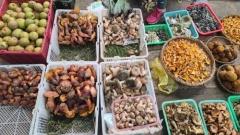
- Wild Mushroom Hot Pot is a seasonal limited delicacy in Yunnan. All kinds of fresh wild mushrooms in the rainy season are cooked in the broth, which is extremely delicious;
- Dali’s sour and spicy fish is made with fresh fish from Erhai Lake, sour and spicy appetizing, matched with local plum wine, the flavor is excellent;
- Xizhou Baba has two flavors of sweet and salty, crispy outside and tender inside, which is the most representative local snack.
- Lijiang’s preserved pork ribs hot pot is salty and rich, which is a classic food of the Naxi people;
- Chickpea jelly and rice jelly shrimp are all characteristic street snacks there. Xishuangbanna’s Dai-style hand-grabbed rice, lemongrass grilled chicken, pineapple rice, pounded chicken feet, sour, spicy and fresh, full of Southeast Asian style, which has the same wonderful taste as Malaysia’s diet.
- Flower cake is the most popular souvenir in Yunnan, made with fresh edible roses, with strong aroma and crisp and soft taste.
Accommodation Selection Suggestions
- Kunming: Prioritize hotels near Huancheng South Road, Kunming Railway Station, and Nanping Street, with convenient transportation, close to the airport and high-speed railway station, and complete surrounding commercial facilities, which are suitable as transit accommodation for arrival and return.
- Dali: If you want to experience the lakeside scenery, you can choose homestays by Erhai Lake in Caicun, Longkan and Shuanglang, where you can see Cangshan Mountain and Erhai Lake when you open the window; if you want convenient travel and feel the mortal fireworks, you can choose inns in Dali Ancient City, which is very convenient for shopping, eating and playing.
- Lijiang: Most of the homestays in Lijiang Ancient City are in the style of Naxi courtyard. You can visit the ancient city when you go out, which is suitable for tourists who like lively; the homestays in Shuhe Ancient Town are quieter and more cost-effective, suitable for tourists who want to slow down for vacation.
- Xishuangbanna: The first choice is hotels and homestays in Gaozhuang Xishuangjing, which is within walking distance from the Starlight Night Market, and the surrounding catering and travel are very convenient. Many homestays also provide Dai dress rental and free pick-up service, which is very cost-effective.
Travel Tips for Malaysian Visitors to Yunnan
Only by doing a good job in travel precautions can you avoid the pitfalls of the journey and travel without worry. This guide also sorts out practical travel key points, covering four core aspects: plateau response, weather and dressing, folk customs and etiquette, and consumption pit avoidance, to help everyone travel safely around Yunnan.
- First of all, the problem of altitude sickness. Jade Dragon Snow Mountain and Shangri-La are at high altitudes, and people with sensitive physique are prone to altitude sickness. It is recommended to prepare anti-altitude sickness drugs in advance. Do not exercise strenuously after arrival, slowly adapt to the altitude, drink more water, keep warm, and seek medical treatment in time if you have serious discomfort.
- The second is the weather and dressing. Yunnan has the saying that “one day has four seasons, and ten miles have different days”. The temperature difference between morning and evening is extremely large. No matter which season you go, you need to prepare a light jacket. The temperature will drop rapidly on rainy days, so you need to carry rain gear with you. At the same time, Yunnan has extremely strong ultraviolet rays. Whether it is sunny or cloudy, you need to take sun protection measures to avoid sunburn.
- Furthermore, respect for the customs of ethnic minorities. Yunnan is a multi-ethnic inhabited area. During the tour, you should respect the local customs and habits of ethnic minorities. Before entering temples and residential buildings, you need to ask if you can enter. Do not touch religious items, ethnic minorities’ clothing and headwear at will, and do not take photos of the elderly and children at will to avoid unnecessary misunderstandings.
- Finally, consumption pit avoidance. The prices of silver jewelry, jade and specialty stores in the ancient city are uneven. It is not recommended to buy high-priced goods at will; most of the low-priced tour groups on the roadside hide consumption traps, so do not trust them easily; for services such as horse riding and photography in the scenic area, you need to ask the price clearly in advance to avoid disputes afterwards.
How to Turn Your Yunnan Trip from Malaysia into a Meaningful Travel Experience
Traveling from Malaysia to Yunnan is not just about reaching a destination – it’s about experiencing a gradual transformation in landscapes, cultures, and pace of life. As you move from tropical lowlands to high-altitude plateaus, the journey naturally encourages you to slow down. Spending more time in places like Dali or enjoying the quiet mornings in Shangri-La can turn a standard itinerary into a deeply immersive experience.
What truly makes Yunnan unforgettable is its diversity. Whether you’re wandering through the lantern-lit streets of Lijiang or tasting Southeast Asian-inspired flavors in Xishuangbanna, these moments create lasting impressions beyond typical sightseeing. With thoughtful planning and a flexible mindset, your journey from Malaysia to Yunnan can easily become a rich, multi-layered adventure rather than just another trip.