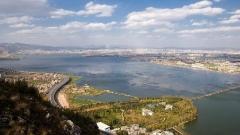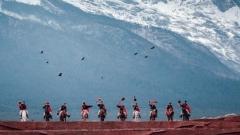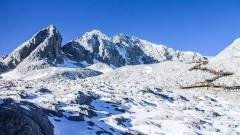

When most of the country swelters in July, Yunnan, with its plateau climate, offers a cool escape. With average temperatures of 18 – 28°C, 1.1°C higher than usual, and 194.7 mm of rain, it’s rainy but showers mostly come in the afternoon or at night. Knowing the weather traits and coping skills in advance will ease your Yunnan trip.
Core Weather Features of Yunnan in July
Yunnan’s terrain slopes from northwest to southeast, with an altitude difference exceeding 6,600 meters, creating a unique climate pattern of “One mountain embraces four seasons, and ten miles present different weathers” — a feature that is even more prominent in July. Overall, Yunnan’s July weather exhibits three core characteristics that directly impact travelers’ itinerary planning and experience.
Comfortable Temperatures with Significant Regional Differences
The average provincial temperature in July is 23.1℃, with central Yunnan being the most pleasant. Known as the “Spring City,” Kunming has a daily average temperature between 20℃ and 25℃, with occasional afternoon highs reaching 26℃. However, accompanied by plateau breezes, there is no stuffiness at all. Regulated by Erhai Lake, Dali’s temperature ranges from 20℃ to 26℃, dropping to around 18℃ at night — a light jacket is necessary for strolling through the ancient city. Lijiang and Shangri-La in northwestern Yunnan are even cooler: Lijiang’s daily average temperature is 18℃ to 24℃, while Shangri-La’s is only 9℃ to 20℃, with extreme lows reaching 7℃. Even in midsummer, you can experience the unique feeling of wearing short sleeves at noon and a jacket at night. In stark contrast, the tropical areas of southern Yunnan, such as Xishuangbanna, have a daily average temperature of 25℃ to 32℃ with high humidity, bringing a distinct stuffiness of tropical rainforests — yet this is the best time to experience tropical customs.
Rainy Season with Predictable Precipitation Patterns
July is Yunnan’s main rainy season, with an average of 23 rainy days province-wide. However, rainfall distribution is uneven: less in the east and more in the west, more in the south and less in the north. Chuxiong, western Kunming, and other areas have rainfall reduced by over 50%, while western Baoshan, northern Xishuangbanna, and regions receive over 300 millimeters of rain. Precipitation mainly comes in the form of showers, usually sudden downpours from 3 PM to evening, lasting 1 to 2 hours, with gentler rains at night. Lijiang, Tengchong, and other places see rainfall ranging from 255 millimeters to 477 millimeters in July, making it the wettest month of the year. However, rainbows often appear after rains, adding a unique charm to attractions like Jade Dragon Snow Mountain and Rehai Scenic Area. This predictable precipitation pattern allows travelers to avoid rain impacts by planning wisely — for example, arranging outdoor activities in the morning and indoor visits or rest in the afternoon.
Strong UV Rays but Excellent Air Quality
Located on a plateau, Yunnan has a relatively thin atmosphere. Despite frequent rains in July, the UV index often exceeds 5 on sunny days, especially between 11 AM and 3 PM when sunlight is intense. Kunming, Lijiang, and other cities have an average monthly sunshine duration of 124 to 157 hours, and prolonged exposure to the sun can easily cause sunburn. Meanwhile, abundant rainfall purifies the air: the average air quality in Yunnan reaches excellent levels in July, with Shangri-La having an air quality index as low as 13. The fresh air makes plateau travel more comfortable, and Yunnan has become a top choice for travelers with respiratory sensitivities.
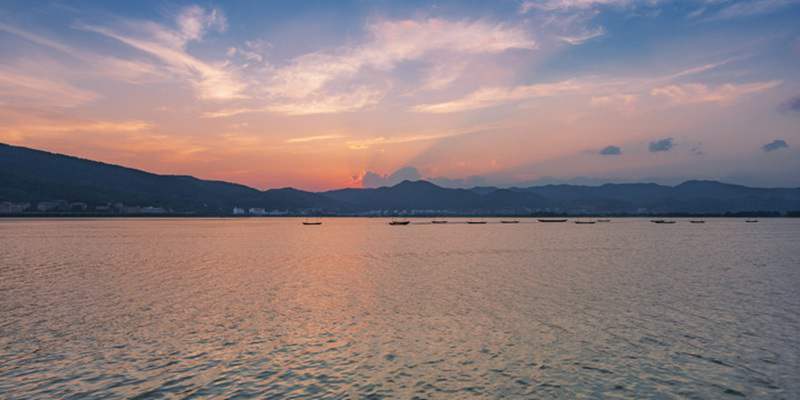
Dianchi Lake
Yunnan Regional Weather & Travel Guide: Plan Your Trip Around the Climate
Given the regional differences in Yunnan’s July weather, domestic and foreign tourists can choose destinations based on their preferences and match them with corresponding travel strategies to maximize their travel experience. Below is a detailed weather and travel guide for four popular regions.
Central Yunnan Core Area (Kunming, Yuxi): A Cool Journey in the Spring City
Kunming’s daily average temperature in July is 18℃ to 26℃, with 19 rainy days. Temperatures drop significantly after showers, so it’s important to adjust clothing promptly. Travel recommendations: Visit Dianchi Lake in the morning to feed black-headed gulls; explore Stone Forest in the morning to admire the unique texture of karst landforms under sunlight; during afternoon rains, visit Yunnan Provincial Museum to learn about ancient Yunnan culture; stroll around Green Lake Park in the evening to experience the relaxed atmosphere of the Spring City. Yuxi’s temperature in July is slightly higher than Kunming’s, ranging from 20℃ to 28℃. Tonghai Xiushan Mountain and Fuxian Lake are ideal summer resorts — Fuxian Lake’s water is cool and even cleaner after rains, suitable for boat tours or fishing by the shore.
Packing tips: Base outfit of short-sleeved T-shirts + light long pants; carry a portable windproof jacket to avoid catching cold after rains. Essential sun protection: SPF50+ waterproof sunscreen, wide-brimmed hat, and sunglasses. Reapply sunscreen every 2 hours during outdoor activities.
Northwestern Yunnan Plateau Area (Lijiang, Shangri-La): A Plateau Summer Retreat
Lijiang’s daily average temperature in July is 14℃ to 23℃, with 25 rainy days and rainfall of 321 millimeters. The stone-paved roads in the ancient city are slippery after rains, so please watch your step. Jade Dragon Snow Mountain has a high altitude, and temperatures at the summit can drop below 5℃ — even if it’s hot at the foot of the mountain, a down jacket is necessary at the summit. Travel recommendations: Book Jade Dragon Snow Mountain tickets in advance and depart early in the morning to avoid afternoon showers; the water of Blue Moon Valley appears bright blue after rains, offering the best photo opportunities; visit Lijiang Ancient City at night to admire the stone-paved roads illuminated by lanterns, with cool night breezes providing a comfortable experience.
July is the most pleasant month of the year in Shangri-La, with a daily average temperature of 9℃ to 20℃. Meadowlands are covered with colorful wildflowers, and Pudacuo National Park is shrouded in mist, like a fairyland. However, note that the day-night temperature difference exceeds 10℃ — a light sweater or fleece jacket is needed at night. Songzanlin Monastery’s golden roof shines brightly under the sun after rains, making it the perfect time for photography.
Packing tips: Adopt onion-style dressing — short sleeves underneath with a denim jacket or light sweatshirt on top, allowing for easy layering as temperatures change. Carry waterproof hiking shoes to handle slippery roads after rains; prepare a scarf for both sun protection and warmth when it’s cool.
Western Yunnan Customs Area (Dali, Tengchong): A Encounter with Erhai Lake and Hot Springs
Dali’s daily average temperature in July is 18℃ to 27℃, and Erhai Lake’s regulatory effect makes the climate more comfortable. Cycling around Erhai Lake is a must-do activity — it’s recommended to depart early in the morning or evening to avoid intense midday sun and afternoon showers. The wheat fields in Xizhou Ancient Town remain green in July, paired with traditional Bai ethnic architecture, making it a paradise for photographers; Chongsheng Temple Three Pagodas are shrouded in mist after rains, embodying the solemnity of a Buddhist pure land.
Tengchong’s daily average temperature in July is 20℃ to 28℃, with rainfall of 477 millimeters — one of the rainiest areas in China. However, Tengchong is rich in hot spring resources, and soaking in hot springs after rains is a unique experience. Rehai Scenic Area is filled with steam, and the water in the Big Boiling Pot attraction boils and bubbles, leaving visitors in awe; the blue bricks and gray tiles of Heshun Ancient Town look more primitive after rains — step into local residences to taste earthen pot chicken and dispel the chill after the rain.
Packing tips: For cycling around Dali’s lake, wear ethnic-style dresses paired with straw hats and sun-protective arm sleeves; Tengchong has frequent rains, so a portable raincoat is more practical than an umbrella to avoid hindering activities.
Southern Yunnan Tropical Area (Xishuangbanna): A Warm Embrace of the Rainforest
Xishuangbanna’s daily average temperature in July is 23℃ to 32℃, with humidity exceeding 70%, featuring a typical tropical monsoon climate. Although rainfall is heavy, it becomes cooler after rains. This is the hottest region in Yunnan in July, yet also the best place to experience tropical customs. Inside the Xishuangbanna Tropical Botanical Garden, Chinese Academy of Sciences, various exotic flowers and plants thrive; the rainforest exudes a fresh fragrance of vegetation after rains, and you can participate in night rainforest exploration activities in the evening to observe fireflies and tropical insects.
Wild Elephant Valley is a must-visit attraction — wild elephants are more active in July, and visitors can safely observe them via overhead walkways; the bonfire party at Manting Park is full of Dai ethnic customs — dance with locals to feel the warmth of ethnic minorities. For dining, recommend trying Dai-style cold dishes and lemon grass grilled fish to relieve summer heat.
Packing tips: Choose breathable short-sleeved shirts and shorts, and carry quick-drying clothes for easy replacement. Mosquito protection is crucial — prepare mosquito repellent spray and mosquito repellent patches; for rain gear, a foldable umbrella is recommended for easy carrying into attractions.

Wild Elephant Valley
Essential Packing List & Emergency Tips for Traveling in Yunnan in July
Combining the cool, rainy, and high-UV characteristics of Yunnan’s July weather, travelers need to prepare corresponding items in advance and master emergency skills to ensure a smooth trip.
Essential Packing List
- Clothing: 3-4 short-sleeved T-shirts, 2-3 light long pants, 1 portable windproof jacket, 1 light sweater or fleece jacket (must-have for Shangri-La), 1 pair of waterproof hiking shoes, 1 pair of sandals (for easy replacement after rains), ethnic-style accessories (for photography).
- Protection: SPF50+ waterproof sunscreen, sunscreen spray, wide-brimmed hat, sunglasses, sun-protective clothing, mosquito repellent spray, mosquito repellent patches.
- Rain gear: Portable raincoat, foldable umbrella, waterproof phone bag, shoe covers (for waterlogged roads).
- Others: Common medications (cold medicine, gastrointestinal medicine, band-aids, plateau adaptation medicine), power bank, wet wipes, small backpack (for carrying personal items).
Emergency Tips
- In July, Yunnan occasionally experiences landslides caused by heavy rains. Before traveling to mountainous attractions (such as Tiger Leaping Gorge in Lijiang and Pudacuo in Shangri-La), check local weather forecasts and road conditions to avoid dangers.
- UV rays are strong in plateau areas. If sunburn symptoms occur (redness, pain), promptly apply a cool towel compress and use after-sun repair cream; seek medical attention for severe cases.
- Temperatures drop rapidly after rains, making it easy to catch a cold. Prepare ginger tea bags in advance to keep warm while traveling.
- In tropical areas like Xishuangbanna, avoid visiting riversides, mountain valleys, and other areas during heavy rains to prevent flash floods.
Yunnan’s weather in July may be changeable — an afternoon shower may dampen your clothes, but it also brings post-rain freshness and rainbows; the plateau’s strong UV rays make the sky bluer and the landscapes more vibrant. July here offers the coolness of the Spring City, the vastness of the plateau, the warmth of the tropics, and the charm of ancient cities. Whether you love natural scenery or cultural landscapes, you can find your own joy. If you want to plan your trip effortlessly and fully leverage the advantages of Yunnan’s July weather, China Dragon Travel can provide customized services, arranging reasonable routes based on the climate characteristics of various regions, allowing you to enjoy a worry-free trip to the Land of Colorful Clouds in the cool summer.