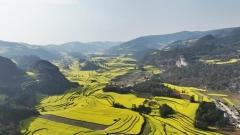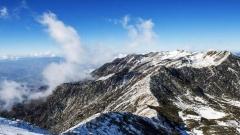

In May, Yunnan transitions from late – spring to early – summer. With an average temperature of 20.8°C, days are warm and sunny, nights cool. It’s a great time to visit. Dali’s Erhai Lake is inviting, Lijiang’s ancient city is lush, and Xishuangbanna has a tropical allure. Overseas tourists can pack smart and plan well to dodge rain and enjoy the scenery.
Panorama of Yunnan’s Weather in May: Climate Codes in Regional Differences
Yunnan’s unique terrain and landforms create a climate characteristic of “one mountain experiences four seasons, and ten miles presents different weather”. The regional differences in weather in May are particularly obvious. If overseas tourists plan to travel across regions, they must grasp the detailed weather conditions of each place in advance to avoid the impact of sudden climate changes on their travel experience.
Central Yunnan, centered on Kunming and Chuxiong, is Yunnan’s transportation hub, with relatively stable weather in May. Known as the “Spring City”, Kunming has an average temperature of 18-25℃ this month, with less precipitation than usual. Most days are cloudy to sunny with occasional short-term showers. After rain, the air is especially fresh, making it perfect for strolling along the shores of Dianchi Lake or visiting the Stone Forest. Chuxiong’s temperature is slightly higher than Kunming’s, reaching up to 28℃ during the day, but the day-night temperature difference is not significant, so light clothing is sufficient. A notable weather feature here is strong ultraviolet (UV) radiation; even on cloudy days, sun protection measures are necessary to avoid sunburn.
Northwest Yunnan, including Lijiang, Diqing, and Nujiang, has cool and rainy weather in May. The average temperature of Lijiang Old Town is 15-24℃, while at the foot of Jade Dragon Snow Mountain, it drops to 5-15℃. Precipitation is concentrated in the middle and late months, with moderate rain possible in some areas. As a high-altitude region, Diqing Shangri-La still retains a spring chill in May, with an average temperature of 8-18℃. Windproof jackets or even light down jackets are required in the morning and evening. Although precipitation is not abundant, temperatures drop significantly when it rains. Due to topographical influences, Nujiang has above-average rainfall in May, and some road sections may be affected by rain, so it is necessary to pay attention to road condition information.

Diqing
Southern and Western Yunnan, such as Xishuangbanna, Puer, and Baoshan, enter a humid season in May. Xishuangbanna has a high average temperature of 25-32℃ with high humidity. Precipitation is frequent but mostly in the form of afternoon thunderstorms, which bring cool weather afterward. Plants in the Tropical Botanical Garden thrive even more. Puer and Baoshan have slightly lower temperatures, ranging from 22-30℃, with precipitation more than 50% above the annual average, especially in southern Baoshan. Waterproof equipment should be carried at all times. Despite the rainy weather, May is the ripening season for tropical fruits such as mangoes and pineapples, allowing tourists to taste fresh and delicious fruits during breaks from the rain.
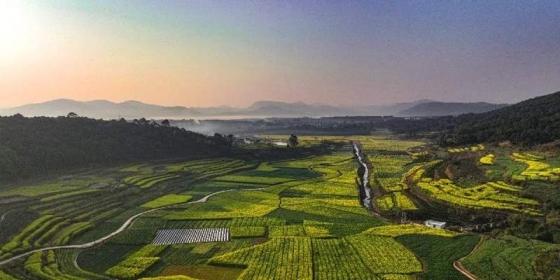
Baoshan rapeseed flowers
Eastern Yunnan, including Zhaotong, Qujing, and Wenshan, has cool and unevenly humid weather in May. Zhaotong and eastern Qujing have relatively low temperatures, with an average of 14-22℃, and above-average precipitation, prone to short-term heavy rainfall. The maximum hourly rainfall has reached 87.1 millimeters, so it is necessary to guard against secondary disasters caused by heavy rains. Eastern Wenshan Prefecture is warm and humid, with temperatures of 20-28℃ and abundant precipitation. The lotus ponds in Puzhehei have quietly bloomed under the nourishment of rain, making it an excellent time for photography.
Dressing and Equipment Guide for Yunnan’s May Weather
Coping with the variability of Yunnan’s weather in May, scientific dressing and equipment preparation are essential lessons for overseas tourists. Whether for urban sightseeing, plateau hiking, or tropical adventures, reasonable luggage can make the trip more comfortable and reassuring.
The core of basic dressing follows the layering principle to adapt to day-night temperature differences and regional climate variations. During the day, temperatures are relatively high in most parts of the province, so quick-drying T-shirts paired with light long pants are suitable. Female tourists can also choose breathable cotton and linen maxi skirts. Matching a UPF50+ sun protection clothing is crucial—Yunnan’s plateau has strong UV radiation, and even on cloudy days, the UV intensity should not be underestimated. Except for southern Yunnan, nighttime temperatures in most areas drop below 15℃. In Kunming, Lijiang, and other places, a thin windproof jacket or fleece jacket should be added, while light down jackets are necessary in plateau areas such as Shangri-La.
According to different travel scenarios, equipment selection has different focuses. For urban sightseeing such as in Kunming and Dali Old Town, breathable mesh sneakers are recommended, paired with a foldable umbrella (weight ≤200g) and a portable thermos to cope with short-term showers and hydration needs. For high-altitude areas like Jade Dragon Snow Mountain and Shangri-La, fleece-lined softshell pants and mid-cut waterproof hiking boots are required. Accessories such as knitted hats, gloves, and UV-protective sunglasses are indispensable. For every 1000-meter increase in altitude, the temperature drops by 6℃, so warm clothing can effectively prevent colds.
For outdoor hiking such as in Tiger Leaping Gorge and Yubeng Village, professional equipment should be prepared specifically. The upper body can consist of a quick-drying long-sleeve T-shirt and a sun protection skin jacket, paired with waterproof hiking pants to avoid getting wet when crossing streams or encountering rain. A 20-30L waterproof backpack is recommended, containing a raincoat, headlamp, and hiking poles to handle complex road conditions and sudden weather changes. In addition, waterproof sunscreen with SPF50+/PA++++ should be reapplied every 2 hours, and a wide-brimmed sun hat (brim ≥7cm) can effectively protect facial skin.
The choice of rain gear should be tailored to local conditions. In Central and Eastern Yunnan, where short-term showers are common, lightweight foldable umbrellas (weight ≤200g) are easy to carry. In rainy areas such as Southern and Western Yunnan, lightweight raincoats (weight ≤300g) with silicone coating are recommended for better waterproof effect and resistance to damage in strong winds compared to umbrellas. When packing luggage, quick-drying clothes can be rolled to reduce volume, jackets can be folded in a military-style to save space, and rain gear should be placed separately in a waterproof storage bag to avoid wetting other items.
Embrace Yunnan’s Unique Scenery with May’s Weather
Although Yunnan’s weather in May varies, each climate corresponds to unique scenery. Overseas tourists can accurately plan their itineraries based on the weather characteristics of each place and encounter the most beautiful scenery of Yunnan in suitable weather.
Central Yunnan, with less precipitation and sunny weather, is an excellent area for visiting cultural and natural landscapes. Jacarandas in Kunming bloom in May, and the blue-purple flower sea on both sides of Jiaochang Middle Road contrasts beautifully with the mild sunshine. The average daily temperature of around 20℃ is perfect for photo-taking. Under sunny weather, the textures of the limestone landforms in the Stone Forest Scenic Area become more distinct, and sunlight filtering through the stone crevices creates dappled light and shadow, offering a highly comfortable visiting experience. Yiren Ancient Town in Chuxiong holds special folk activities in May. On clear nights, bonfire parties complement the cool temperature, allowing tourists to deeply experience Yi culture.
The rainy weather in Northwest Yunnan adds charm to the landscape. The bluestone slabs of Lijiang Old Town are particularly bright after rain, and the white walls and gray tiles of Naxi dwellings reflect in the puddles, presenting a unique charm. After rainfall in May, Lugu Lake is shrouded in mist, and the Mosuo people’s piggyback boats sail through the mist like a fairyland. In Pudacuo National Park in Shangri-La, the abundant precipitation in May brings ample moisture, turning the meadows gradually green. Yaks graze leisurely on the grasslands, and distant snow-capped mountains loom in and out of the clouds, showcasing the unique vivid beauty of the plateau.
The humid climate in Southern Yunnan enhances the tropical charm, making it the best time to experience rainforest landscapes. Nourished by rain, the leaves of giant water lilies in Xishuangbanna Tropical Botanical Garden spread like plates, capable of carrying children’s weight. Various exotic flowers and plants bloom in succession. Although the air humidity is high, the temperature is pleasant. In Wild Elephant Valley, elephant families frequently appear, and they are more likely to move to river valleys after rain, giving tourists a greater chance to observe the living habits of wild elephants up close. In Jingmai Mountain Ancient Tea Gardens in Puer, abundant rainfall in May keeps tea farmers busy picking the last batch of spring tea buds. Tourists can participate in tea picking and processing experiences to feel the charm of tea culture.
The rainy scenery and cultural landscapes in Eastern Yunnan blend to present a unique regional style. The lotus ponds in Puzhehei, Wenshan, usher in the early flowering period in May. Lotus flowers with water droplets in drizzle form an ink wash painting scroll with the karst peaks. Taking a willow leaf boat through the lotus ponds feels like being in a poetic and picturesque scene. Due to above-average precipitation in May, the Luoping Jiulong Waterfall Group in Qujing has abundant water flow. The water cascades down the cliffs with a deafening roar, and water mist fills the surrounding area, often creating rainbows under sunlight. Although the temperature in Dashanbao, Zhaotong, is relatively low in May, the grasslands have begun to turn green, and the sky after rain is extremely blue. It is the final stage to watch black-necked cranes, and lucky tourists may still catch a glimpse of these rare birds.
Safety Tips and Itinerary Planning for Yunnan’s May Weather
Understanding the potential safety hazards of Yunnan’s weather in May and proper itinerary planning are key to ensuring a smooth trip. Overseas tourists should pay attention to weather warning information, avoid high-risk areas, and make the trip both wonderful and safe.
Geological hazard prevention is a priority for traveling in Yunnan in May. According to predictions from the Yunnan Provincial Emergency Management Department, the risk of geological hazards is relatively high in parts of Western Yunnan, Northwest Yunnan, Northeast Yunnan, and Southern Yunnan in May, especially in Dali, Nujiang, Baoshan, and other areas. Landslides and mudslides are likely to occur after continuous rainfall. Tourists should check the geological hazard meteorological risk level of their destination in advance and avoid traveling to high-risk areas. If encountering rain during the trip, do not stay in valleys or steep slopes. Self-driving tourists should pay attention to road conditions, avoid waterlogged and falling rock sections, and follow the instructions of local transportation departments.
Coping with severe convective weather also requires attention. In May, cold and warm air frequently converge in Yunnan, making it prone to severe convective weather such as thunder and lightning, short-term heavy rainfall, thunderstorm gales, or hail. When engaging in outdoor activities, tourists should immediately move away from tall trees, telephone poles, and other objects if encountering thunderstorms and quickly seek shelter indoors. When hiking in mountainous areas, check the weather forecast in advance, avoid traveling during severe convective weather periods, and carry walkie-talkies or satellite phones for emergency assistance.
It is recommended to adopt a flexible adjustment strategy for itinerary planning, reasonably arranging activities based on the precipitation rules of May’s weather. Data from the Yunnan Provincial Climate Center shows that the average precipitation in the province in early, middle, and late May is above average, with major precipitation processes concentrated on the 1st-3rd, 13th-15th, 21st-23rd, and 27th-29th. Overseas tourists can arrange outdoor tours, long-distance self-driving, and other activities during rainfall gaps, such as the 4th-12th and 16th-20th of May. During these periods, most parts of the province are mainly cloudy or have scattered showers, with relatively suitable weather conditions.
For cross-regional travel, it is recommended to plan the route from north to south or south to north to reduce the difficulty of climate adaptation. For example, starting from Lijiang with a cool climate and gradually moving to Xishuangbanna with a warm and humid climate allows the body to better adapt to changes in temperature and humidity. Upon arriving in a new area, first check the latest local weather information, then adjust the day’s activities to avoid the impact of sudden climate changes on the itinerary. In addition, the number of tourists at popular scenic spots in Yunnan increases by 30% in May, especially at Lijiang Old Town, Erhai Lake, and other scenic areas on weekends. It is advisable to book accommodation and tickets in advance and travel during off-peak hours.
Embark on a Perfect Yunnan Journey in May’s Weather
The mildness and variability of Yunnan’s weather in May together outline the unique charm of this land. From the sunny jacaranda-lined avenues in Central Yunnan to the post-rain snow-capped mountains and meadows in Northwest Yunnan, from the humid tropical rainforests in Southern Yunnan to the misty lotus ponds in Eastern Yunnan, every scene is made more charming by the nourishment of the weather. For overseas tourists, as long as they grasp the weather characteristics of each place in advance, prepare appropriate clothing and equipment, and avoid safety risks, they can embark on an unforgettable trip to Yunnan in May.
To make this trip more worry-free and efficient, China Dragon Travel is undoubtedly an ideal choice. As a professional organization with years of experience in Yunnan tourism, China Dragon Travel is well-acquainted with the regional differences and changing rules of Yunnan’s weather in May. It can customize exclusive itineraries for overseas tourists based on real-time meteorological information. Whether you want to stroll through the flower sea in Kunming’s sunshine, explore the rainforest in Xishuangbanna after rain, or feel the charm of the ancient city in Lijiang’s moist air, China Dragon Travel provides whole-process thoughtful service, solving various travel problems from accommodation booking and transportation arrangements to scenic spot tours. This allows you to enjoy the natural and cultural beauty of Yunnan to the fullest without worrying about weather changes.