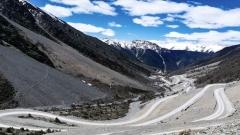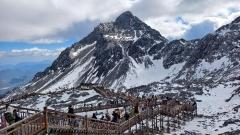

Yunnan’s January weather dazzles with extremes: Kunming basks in tulip-filled spring, Lijiang’s Jade Dragon Snow Mountain glistens with snow, while Xishuangbanna enjoys tropical warmth. This “Land of Ten-Mile Weather Changes” demands strategic packing—thermal layers for highlands, breathable fabrics for lowlands. Time visits to coincide with regional festivals: Lijiang’s Dongba Culture Festival or Xishuangbanna’s Water-Splashing Prelude. Master microclimates to unlock Yunnan’s winter magic, where every mile unveils a new season.
Overall Characteristics of Yunnan’s Weather in January: Temperature Difference is the Core Keyword
From the perspective of overall climate data, the average temperature in Yunnan in January ranges from 3°C to 17°C, dominated by sunny weather. There are about 17 sunny days, 11 cloudy days, and only about 3 rainy days in the whole month, with almost no snowfall, except in high-altitude mountainous areas. Such weather conditions are very friendly to overseas tourists; the sunny and less rainy weather not only facilitates outdoor activities but also ensures the stability of the trip. However, it is important to note that a large temperature difference is the most prominent label of Yunnan’s weather in January. Both the day and night temperature difference in the same region and the regional temperature difference between different areas can reach more than 10°C, which is also the core basis for planning clothes and equipment.
The reason for this temperature difference feature is closely related to Yunnan’s geographical environment. Yunnan is located on the Yunnan-Guizhou Plateau, with an altitude rising step by step from river valleys of several hundred meters to mountains of several thousand meters. For every 1000 meters increase in altitude, the temperature drops by about 6°C. January is the winter in the Northern Hemisphere, and the cold air from the north meets the warm and humid air from the south in Yunnan, further exacerbating the differences in regional climate. Therefore, when overseas tourists check the weather in Yunnan in January, they should not only look at the provincial average data but also accurately understand the weather according to their destinations to avoid the embarrassment of wearing the wrong clothes.
Regional Detailed Explanation: Yunnan’s Weather in January and Featured Experiences
For the major regions most frequently visited by overseas tourists, we have sorted out exclusive travel suggestions combined with specific weather data and local characteristics, allowing you to maximize the enjoyment of the trip according to the weather characteristics of Yunnan in January.
Kunming: Spring City’s Warm Sun, Moderate Temperature Difference for Leisure
As the capital of Yunnan, the weather in Kunming in January continues the mild characteristics of the “Spring City”, with an average temperature ranging from 5°C to 15°C and a day-night temperature difference of about 10°C. When the sun is abundant during the day, you can even see pedestrians wearing light coats on the streets; after the temperature drops at night, adding a thick sweater or a light down jacket is enough to keep warm. Such weather is very suitable for urban leisure and peripheral tours, as it will not affect travel due to severe cold nor make people tired due to extreme heat.
In January in Kunming, 1.2 million tulips bloom one after another in Laoyu River National Wetland Park. Pink, yellow and purple flowers compete for beauty under the warm sun, and the flowering period can last until the end of March, making it an excellent place for photography and check-in. You can go to the park after the temperature rises in the morning, wearing casual clothes with a light coat, which allows you to enjoy the sunshine and sea of flowers without being too heavy. In the afternoon, you can go to the Haigeng Dam of Dianchi Lake to interact with flocks of black-headed gulls. At this time, the sun is the warmest, and only a shirt plus a windbreaker is needed. When going to Nanqiang Street in the evening to taste Yunnan snacks, remember to put on a coat to avoid catching a cold.
Dali: Coolness Meets the “Wind, Flowers, Snow and Moon”, Both Ancient City and Snow Mountain Can Be Found
Dali’s weather in January is a bit colder than Kunming, with an average temperature of about 2°C to 12°C. Especially in the early morning and night, the temperature may drop to around 0°C, and some mountainous areas may have frost. But under the sunlight during the day, the temperature will gradually rise, and with the regulating effect of Erhai Lake, the body feeling will not be too cold. The weather here is most suitable for a combination of dynamic and static activities – you can either stroll in the ancient city or go to the surrounding areas to experience the snow mountain scenery.

The South Gate of Dali Ancient City, Yunnan
If you plan to visit the ancient city of Dali, it is recommended to wear a layered outfit of thermal underwear as the inner layer + sweater as the middle layer + windproof coat as the outer layer. You can take off the coat when the temperature rises at noon to flexibly cope with the temperature difference. If you go to Cangshan Mountain, due to the high altitude, the temperature will be 5°C to 8°C lower than that in the ancient city, so you need to bring an additional down jacket or thick cotton-padded jacket, as well as scarves, gloves and other accessories. In January, Erhai Lake has clear water and gentle breeze. When taking a cruise ship, you need to pay attention to wind protection and can bring a thin scarf to block the sea breeze. In the evening, the Bai nationality homestays in the ancient city will light warm stoves, and tasting steaming casserole fish can drive away all the coolness.
Lijiang: Snow and Ice Coexist with Warm Sun, Attention to Plateau Climate
Lijiang’s weather in January is greatly affected by altitude. The average temperature in the area where the ancient city is located ranges from 0°C to 10°C, while the Jade Dragon Snow Mountain is in a low temperature below zero all year round, which is the only area in Yunnan where snow scenery can be stably enjoyed in January. This unique climate of warm sun at the foot of the mountain and snow and ice on the mountain allows tourists to experience two completely different sceneries in one day, but also puts forward higher requirements for travel preparation.
When visiting the ancient city of Lijiang, you can wear a sweater with a thick coat during the day, and it is recommended to change into a down jacket at night when the temperature is low. Going to the Jade Dragon Snow Mountain is a popular activity in January. Due to the altitude of more than 4500 meters, not only the temperature is extremely low, but also the ultraviolet rays are very strong, so comprehensive protection is required: wear quick-drying thermal underwear as the inner layer, fleece clothing as the middle layer, and waterproof and windproof jacket as the outer layer; wear a woolen hat and sunglasses on the head, waterproof gloves on the hands, and fleece-lined waterproof hiking shoes on the feet. In addition, the air in the plateau area is thin and the weather is dry, so you need to replenish water at any time and avoid strenuous exercise. It is worth mentioning that the Jade Dragon Snow Mountain often has sea of clouds scenery in January. Under sunny weather, the snow mountain and sea of clouds set off each other, presenting a magnificent view.
Xishuangbanna: Tropical Warm Winter, a Winterless Haven for Escaping the Cold
In sharp contrast to the cold in northwestern Yunnan, Xishuangbanna’s weather in January is warm and pleasant, with an average temperature ranging from 15°C to 25°C and a small temperature difference between morning and evening. It is a typical tropical climate, which can be called a winter refuge for overseas tourists. There is no trouble of severe cold here, and you can travel easily by wearing summer clothes with a light coat, allowing you to feel the sunshine and greenery in winter.
Xishuangbanna is dominated by fine weather in January with occasional short showers. It is recommended to bring a lightweight sun protection clothing and a folding umbrella. When visiting the Xishuangbanna Tropical Botanical Garden of the Chinese Academy of Sciences during the day, you can wear short sleeves, shorts or long skirts with breathable sports shoes, and apply high-factor sunscreen at the same time to avoid sunburn from the plateau sun. When going to the Starlight Night Market in Gaozhuang Xishuangjing in the evening, the temperature drops slightly, and putting on a thin cardigan is enough. The night market here is full of Southeast Asian customs. You can walk among the food and cultural and creative stalls in comfortable clothes, taste Dai-style barbecue and tropical fruits, and experience the strong Dai culture. It should be noted that although the day-night temperature difference in the local area is small, there are many mosquitoes at night, so you can bring portable mosquito repellent.

Gaozhuang Xishuangjing, Xishuangbanna
Southeastern Yunnan: Folk Customs Heat Up, Warm Climate Meets Featured Festivals
The weather in southeastern Yunnan, including Wenshan, Honghe, Pingbian and other places, is also warm in January, with an average temperature ranging from 10°C to 20°C, suitable for participating in folk activities. January coincides with the end of the lunar year, and the local Miao, Yi and other ethnic minorities will hold grand traditional festivals. The warm weather allows you to integrate into these lively activities more comfortably.
The Miao Huashan Festival in Pingbian County is the highlight in January. As a national intangible cultural heritage, activities such as lusheng dance performances, flower pole climbing competitions and bonfire parties are held during the festival. At this time, the local temperature is suitable, and you can participate in it with casual clothes. If you plan to join the bonfire dance at night, you can bring a light coat. The Spring Festival welcoming activities in Shilin Yi Autonomous County are also very exciting. The Ahei brothers and Ashima sisters dance the big sanxian dance in traditional costumes. You can admire the strange landforms of Shilin under the warm sun and experience Yi folk customs at the same time. Such weather will not make you feel cold during outdoor activities nor affect the viewing experience due to heat.
Practical Travel Checklist for Yunnan’s Weather in January
Combined with the characteristics of large temperature difference and significant regional differences in Yunnan’s weather in January, we have sorted out a practical travel checklist by scenario for overseas tourists, helping you pack your luggage easily and avoid missing essential items.
Clothing and Equipment: Layered Dressing is the Key
- Inner layer: Choose moisture-wicking and sweat-wicking thermal underwear or quick-drying clothes to avoid catching a cold after sweating, especially suitable for wearing in areas with large temperature differences such as Lijiang and Dali.
- Middle layer: Warm clothes such as sweaters, fleece clothes and thin down liners, which can be added or removed at any time according to temperature changes, suitable for Kunming, southeastern Yunnan and other areas.
- Outer layer: Waterproof and windproof thick coats or down jackets, essential for high places such as Jade Dragon Snow Mountain and Cangshan Mountain in Dali; lightweight sun protection clothing can be used instead in Xishuangbanna and other places.
- Bottoms: Mainly long pants, such as jeans, casual pants and sports pants; fleece-lined pants can be matched in the Jade Dragon Snow Mountain area of Lijiang; 1-2 pairs of shorts can be prepared in Xishuangbanna.
- Shoes: Warm and comfortable hiking shoes or mountaineering shoes (suitable for snow mountains and mountainous areas), paired with a pair of lightweight casual shoes (for urban tours); sandals can be brought to Xishuangbanna.
- Accessories: Scarves, gloves and woolen hats (essential for Lijiang and Dali), sunglasses and sun hats (essential for all regions to resist plateau ultraviolet rays).
Daily Necessities and Medicines: Coping with Dryness and Temperature Difference
- Skin care products: The weather in Yunnan in January is dry, so you need to bring moisturizing lotion, cream and lip balm to avoid chapped skin; high-factor sunscreen (SPF50+) is essential.
- Daily necessities: Portable power bank (to ensure sufficient power for mobile phones during long outdoor activities), multi-functional military knife (practical for emergencies), folding umbrella (to cope with short rainfall).
- Medicines: Cold medicine, antipyretic (to cope with colds caused by temperature difference), gastrointestinal medicine (to adapt to Yunnan cuisine), motion sickness medicine (essential for mountain road conditions), band-aids (for daily protection).
Other Essentials: Documents and Clothing Storage
Overseas tourists need to carry passports, visas and other documents with them, and it is recommended to prepare electronic backups. Due to the many layers of clothing, you can bring vacuum storage bags to compress luggage, and prepare a lightweight backpack to store the removed clothes and personal items during the trip.
Weather and Itinerary Planning in January: Avoid Crowds and Encounter Featured Scenery
The weather in Yunnan in January is comfortable, and it has not yet entered the Spring Festival travel peak (some areas start to warm up at the end of January), making it a highly cost-effective time to travel. Overseas tourists can reasonably plan their itineraries according to the climatic characteristics of each region, which can not only avoid crowds but also encounter unique winter scenery and folk activities.
If you prefer a warm climate and tropical customs, you can arrange the Xishuangbanna + southeastern Yunnan route: enjoy the sunshine and night market in Xishuangbanna, then go to Pingbian to participate in the Huashan Festival, and then to Shilin to admire the landforms and Yi folk customs. The temperature along the way is suitable, and there is no need to carry heavy clothes. If you yearn for snow and ice and plateau scenery, the Lijiang + Dali + Kunming route is the most suitable: first experience the collision of snow mountain and ancient city in Lijiang, then feel the tranquility of Erhai Lake and Cangshan Mountain in Dali, and finally enjoy the warm sun of the Spring City in Kunming. Such an itinerary requires flexible adjustment of clothes according to temperature changes.
It should be noted that some high-altitude sections may have icy roads in January, such as the section from Lijiang to Shangri-La. If you plan to go to these areas, you need to check the real-time weather and road conditions in advance and choose regular transportation methods. In addition, the sunrise time in Yunnan in January is relatively late (about 7:30-8:00), and the sunset time is relatively early (about 18:00-18:30). You can adjust the time appropriately when planning outdoor activities to avoid traveling in mountainous areas at night.
The weather in Yunnan in January presents a tourist destination with both warmth and snow, tranquility and liveliness for overseas tourists with diverse postures. From the tulips in Kunming to the sea of clouds on Jade Dragon Snow Mountain, from the night market in Xishuangbanna to the Huashan Festival in Pingbian, every scenery is perfectly integrated with the local climate, waiting for you to explore. And to accurately grasp the weather characteristics of Yunnan in January and plan the most comfortable trip, choosing a professional travel agency is crucial. China Dragon Travel has been deeply engaged in Yunnan tourism for many years and has rich experience in matching the weather and itineraries of various regions in January. China Dragon Travel can customize exclusive routes for you and adjust the itinerary according to weather changes, so that you don’t have to worry about temperature fluctuations. Whether it is snow mountain hiking or folk custom experience, China Dragon Travel can provide all-round protection, allowing you to fully enjoy this unforgettable trip to the “South of the Colorful Clouds” in the pleasant weather of Yunnan in January.