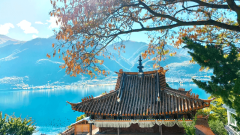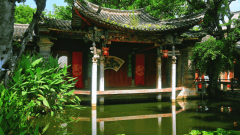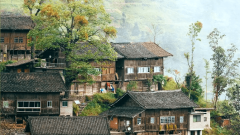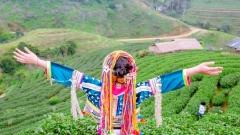

Located in the southwest border of China, Yunnan’s unique geographical environment creates the wonder of “four seasons in one mountain, different weather every ten miles”. Here, there are not only snow-capped mountains, grasslands, lakes and ancient towns, but also rich ethnic minority cultures. For travelers, choosing the right time to visit can enhance the experience. This article will detail the characteristics of each season to help you find the most suitable travel period.
Yunnan Spring: A Time of Blooming Flowers for First Encounters
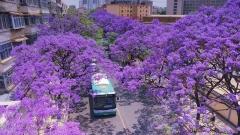
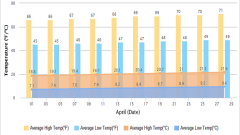
Spring is one of the golden periods for traveling to Yunnan. At this time, the temperature is comfortable, with an average of 10 to 20 degrees Celsius. There is little precipitation and plenty of sunshine, making it ideal for outdoor activities. Yunnan at this moment is like a huge garden, with bright colors blooming everywhere.
The cole flowers in Luoping are a iconic spring scenery. Around March, hundreds of thousands of mu of cole flowers bloom extensively. The golden flower sea and the karst stone peaks complement each other, forming a stunning pastoral picture. You can walk along the field ridges or climb nearby hills to overlook the whole view—every random shot will be a perfect landscape photo.
Lijiang’s Jade Dragon Snow Mountain is still covered in white snow in spring. The Blue Moon Valley at the foot of the mountain has clear water, showing a dreamy blue color. Cherry blossoms and crabapples in the ancient town bloom one after another, with petals falling on the bluestone roads, adding a touch of romance. Visiting Lijiang at this time allows you to experience the grandeur of the snow-capped mountain and the tenderness of the ancient town.
When traveling to Yunnan in spring, it is recommended to bring thin coats and long-sleeved clothes, as the temperature difference between morning and evening is large. In addition, the peak blooming period of Luoping’s cole flowers attracts many tourists, so it is advisable to plan your trip in advance and book accommodation.
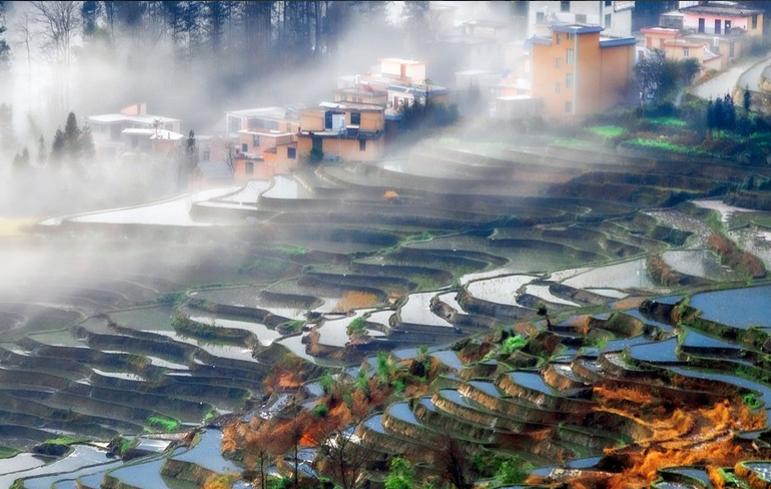
Yuanyang Terraces
Yunnan Summer: A Secret Escape for Cooling Off
While most parts of China are suffering from sweltering heat, Yunnan maintains an average temperature of 18 to 25 degrees Celsius, making it an ideal summer resort. Although summer is Yunnan’s rainy season, most of the rainfall occurs in the evening or at night, so the daytime is still suitable for traveling. Moreover, the scenery after rain is fresher, with the fragrance of plants and trees filling the air.
Shangri-La is a must-visit destination in Yunnan in summer. From June to July, various wild flowers bloom on the meadows in Pudacuo National Park. Yaks and horses graze leisurely on the meadows, while the distant snow-capped mountains loom among the white clouds. You can walk along the boardwalk to feel the vastness and tranquility of the plateau meadow, or participate in local horseback riding experiences to enjoy the gifts of nature to the fullest.
Summer in Xishuangbanna is full of tropical charm. It has a tropical monsoon climate, and the abundant rainfall in summer makes various tropical plants grow more luxuriantly. You can visit the Xishuangbanna Tropical Botanical Garden of the Chinese Academy of Sciences to see the unique Victoria amazonica and various rare plants, or go to the Wild Elephant Valley to observe the living habits of Asian elephants up close. At night, you can taste various tropical fruits and specialty snacks at the Starlight Night Market, and experience the enthusiasm and vitality of the Dai people.
When traveling to Yunnan in summer, you need to prepare rain gear and sun protection products. The roads are slippery after rain, so please pay attention to safety when visiting mountain scenic spots. In addition, Xishuangbanna is located in the tropics with many mosquitoes, so it is recommended to bring mosquito repellent.
Yunnan Autumn: A Date with a Colorful Picture Scroll
Autumn in Yunnan is truly a kingdom of colors. At this time, the temperature is cool and pleasant, with an average of 15 to 22 degrees Celsius. Precipitation gradually decreases, and the sky is cloudless, making it the best time for landscape photography. The leaves in the mountains begin to change color—red, yellow, orange and green interweave to form a brilliant oil painting.
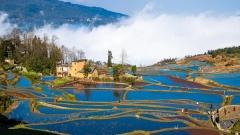
Yuanyang Terraced Fields usher in the harvest season in autumn. The ripe rice presents a golden color, and the layered terraced fields sparkle under the sun, showing different tones with the change of light. In the early morning, the terraced fields are surrounded by mist, like a fairyland on earth; in the evening, the afterglow of the setting sun sprinkles on the terraced fields, adding more splendor. You can walk along the field ridges and feel the diligence and wisdom of the local Hani people.
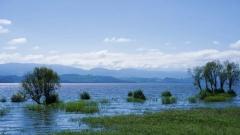
Dali is equally charming in autumn. Erhai Lake appears clearer against the blue sky and white clouds. The poplar leaves on the West Ring Road begin to turn yellow. Cycling along the lake, the breeze brushes your cheeks—on one side is the sparkling lake, and on the other is the golden poplar forest, which has a unique charm. In addition, Dali holds various folk activities in autumn, allowing you to deeply experience the cultural customs of the Bai people.
When traveling to Yunnan in autumn, it is recommended to bring long-sleeved clothes and thin coats, as the temperature difference between morning and evening gradually increases. The best time to take photos of Yuanyang Terraced Fields is early morning and evening, so it is advisable to choose the shooting location in advance.
Yunnan Winter: A Warm Sanctuary to Escape the Cold
While northern China is covered in ice and snow in winter, most parts of Yunnan remain as warm as spring, with an average temperature of 8 to 18 degrees Celsius, making it a top choice for many travelers to escape the cold. At this time, Yunnan has little precipitation and clear weather, which is very suitable for outdoor activities and health preservation.
Xishuangbanna is one of the most popular destinations in Yunnan in winter. The average temperature here in winter is 20 to 25 degrees Celsius, still full of tropical charm. You can enjoy Dai dance performances in Manting Park, experience the fun of the Water Splashing Festival in Dai Garden, or visit the Tropical Botanical Garden to feel the vitality of tropical plants. In addition, Xishuangbanna has a rich variety of fruits in winter at affordable prices, making it a great time to taste tropical fruits.
Although the temperature in Lijiang is slightly lower in winter, it has plenty of sunshine and a dry climate. Jade Dragon Snow Mountain has more snow in winter, and the snow scenery is more magnificent, making it a great time for skiing and enjoying the snow. There are abundant hot spring resources in the ancient town—after a day of traveling, soaking in the hot spring to relieve fatigue is extremely comfortable.
When traveling to Yunnan in winter, the plateau areas such as Lijiang have low temperatures, so you need to bring down jackets, scarves, gloves and other warm clothes; while Xishuangbanna has a hot climate, so you can bring short-sleeved clothes and thin coats. In addition, winter is the peak tourist season in Yunnan, so it is recommended to book air tickets, hotels and scenic spot tickets in advance.
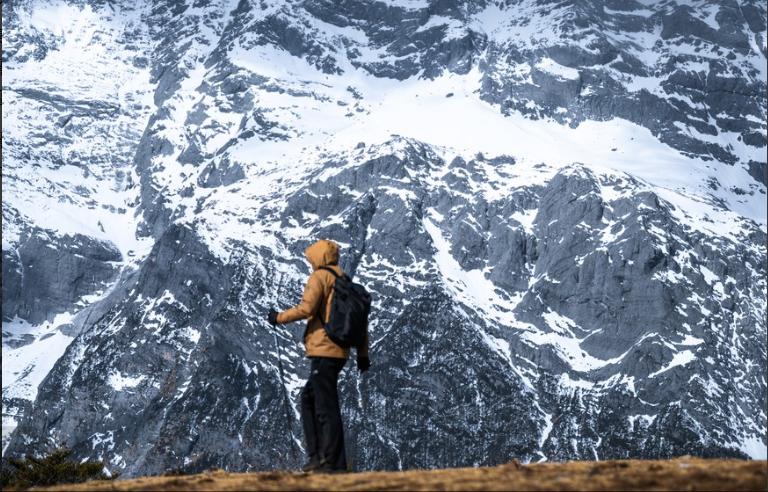
Yulong Snow Mountain, Lijiang, Yunnan
Essential Yunnan Travel Tips for Visitors
No matter which season you choose to travel to Yunnan, foreign visitors need to make preparations in advance. First, ensure that your passport and visa are valid and carry relevant documents. Second, some areas in Yunnan are located on the plateau, such as Shangri-La and Lijiang. You may experience altitude sickness when you first arrive. It is recommended to move slowly, avoid strenuous exercise, and prepare anti-altitude sickness medicine in advance.
Yunnan has relatively convenient transportation. Airports, railway stations and bus stations connect various popular scenic spots, but transportation to some remote scenic spots is inconvenient. It is recommended to plan the transportation method in advance—you can choose to rent a car and drive by yourself or join a local travel group. In addition, Yunnan has a large number of ethnic minorities, and each ethnic group has its own unique customs. When visiting local villages, please respect the local customs and cultures.
Yunnan has a variety of delicious foods, such as Yunnan rice noodles, steam pot chicken, and wild mushroom hot pot. However, foreign visitors need to pay attention to food hygiene and avoid eating undercooked food. Finally, it is recommended to bring common medicines, such as cold medicine, gastrointestinal medicine, and sunscreen, to deal with unexpected situations.
In short, each season of Yunnan has its unique charm. Whether you like the blooming spring, the cool summer, the colorful autumn, or the warm winter, you can find your own wonderful experience in Yunnan. It is hoped that this guide will help you find the best time to travel to Yunnan and start an unforgettable journey in Yunnan.