

Want to explore Guizhou’s karst wonders and rich ethnic customs in one go? This practical guide focuses on must-visit spots like Huangguoshu Waterfall and Xijiang Qianhu Miao Village. It includes seasonal outfit tips, transport guides and cost budgets, covering everything from itinerary planning to details. Whether you’re a first-time visitor or a seasoned traveler, it helps you arrange your trip efficiently and fully experience Guizhou’s unique natural beauty and cultural heritage.
A Comprehensive Guide to Guizhou’s Must-Visit Classic Attractions
Natural Wonders
Huangguoshu Waterfall Scenic Area
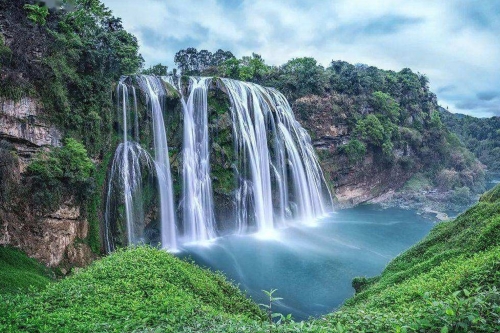
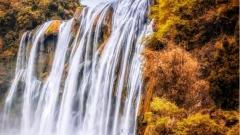
As China’s largest waterfall and a 5A-level scenic spot, Huangguoshu Waterfall is renowned for its grandeur, uniqueness, danger and beauty, an outstanding representative of karst landforms. The core waterfall is 77.8 meters high and 101 meters wide, with a thunderous flow crashing down, creating a vast mist that often forms rainbows under sunlight, breathtaking. Tianxingqiao Scenic Area integrates rocks, water, forests and caves, with “Shusheng Bu” (Birthday Step), “Tianxing Cave” and “Silver Chain Waterfall” connected in an interesting way, offering scenic views at every step. Dopotang Waterfall, 105 meters wide, is the widest in the Huangguoshu Waterfall Group and a filming location for the ending song of Journey to the West. During flood season, it roars loudly, hence the name “Roaring Waterfall”.
Ticket: 160 CNY/person (all-inclusive ticket, covering Huangguoshu Waterfall, Tianxingqiao and Dopotang); Transport: Direct tourist buses from Guiyang Jinyang Bus Station (about 2 hours’ drive); or take high-speed rail to Anshun West Station, then transfer to scenic shuttle bus. Travel Tips: Recommended 1-day visit, enter early to avoid tour group crowds and prioritize visiting the lower section of Tianxingqiao. The waterfall is at its best in summer with abundant water, but bring a waterproof jacket. The 50 CNY/person sightseeing bus in the scenic area is a must-buy; recommended route: Dopotang → Tianxingqiao → Huangguoshu Waterfall.
Huangguoshu Waterfall Scenic AreaLibo Xiaoqikong Scenic Area
A UNESCO World Natural Heritage and 5A-level scenic spot, hailed as the “Emerald on the Earth’s Belt”, integrating mountains, water, forests, caves, lakes and waterfalls. The ancient Xiaoqikong Bridge, built during the Daoguang period of the Qing Dynasty, is paved with blue stone slabs and reflected in the turquoise Hanbi Lake, a iconic photo spot. The 68-level stepped waterfalls wind down the river valley, with water flowing layer by layer in various forms. Wolongtan Lake is as blue as a mirror, surrounded by ancient trees, with plank roads along the lake, walking in which feels like being in a fairyland. Yuanyang Lake consists of two connected lakes with clear water, where you can take a canoe to shuttle through the water forest, full of fun.
Ticket: 120 CNY/person (peak season: March-November), 100 CNY/person (off-season: December-February); Transport: Direct buses from Guiyang Longdongbao Bus Station to Libo (about 3.5 hours’ drive), then transfer to scenic shuttle bus (about 20 minutes’ drive) after arriving in Libo County.
Travel Tips: Recommended 1-day visit, wear comfortable hiking shoes. There are many mosquitoes on the lake in summer, bring mosquito repellent. Canoeing on Yuanyang Lake is 60 CNY/boat, highly recommended. There are few catering options in the scenic area, so bring your own dry food and drinking water.
Fanjing Mountain Scenic Area
A UNESCO World Natural Heritage, 5A-level scenic spot and one of China’s Five Great Buddhist Mountains, with the main peak Fenghuang Mountain at 2,336 meters above sea level, featuring core landscapes such as “Hongyun Golden Summit, Mushroom Stone and Laojin Summit”. Hongyun Golden Summit has a vertical drop of 94 meters, split into two by a natural rift and connected by a sky bridge, with temples dedicated to Sakyamuni Buddha and Maitreya Buddha on both sides; reaching the top offers a panoramic view of the surrounding mountains and sea of clouds. Mushroom Stone, formed by two huge rocks stacked on top of each other, resembles a mushroom and has stood firm for thousands of years, a symbol of Fanjing Mountain. Laojin Summit is 2,494 meters above sea level, with steep trails, where you can see primeval forests and rare animals and plants (such as Guizhou golden monkeys) along the way.
Ticket: 120 CNY/person (peak season: March-November), 90 CNY/person (off-season: December-February); Sightseeing bus 20 CNY/person, cable car 90 CNY/person (one-way up), 80 CNY/person (one-way down); Transport: Take high-speed rail from Guiyang North Station to Tongren South Station, then transfer to scenic shuttle bus (about 1.5 hours’ drive).
Travel Tips: Recommended 1-day visit, book in advance 1-3 days through the official WeChat public account (limited flow in peak season). The scenic area is at a high altitude, with temperatures 8-10℃ lower than the urban area, bring a warm jacket. The trail to the top is narrow and steep, some sections require climbing with hands and feet, wear non-slip shoes. Sea of clouds is easy to encounter in the early morning and after rain, and you may be lucky enough to see “Buddha’s Light”.
Cultural and Historical Attractions
Xijiang Qianhu Miao Village
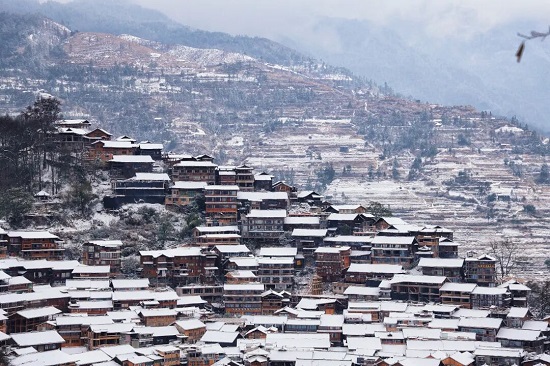
China’s largest Miao settlement, consisting of more than 10 natural villages built along the mountains, with thousands of stilted buildings stacked layer by layer, imposing. The core area of the Miao Village is the viewing platform; in the evening, every household lights up, forming a “sea of lights” stretching for miles, like a galaxy falling on earth, a must-see landscape. The Miao culture has a profound heritage, you can visit the Miao Museum to learn about folk history, watch Miao song and dance performances (held regularly every day, free of charge), and experience traditional crafts such as silver jewelry making and batik. The pedestrian street of the Miao Village is lively at night, where you can taste special foods like sour soup fish and Miao bacon, and feel the strong night life atmosphere.
Ticket: 90 CNY/person; Transport: Take high-speed rail from Guiyang North Station to Kaili South Station, then transfer to scenic shuttle bus (about 1 hour’s drive).
Travel Tips: Recommended 1-2 days’ visit, choose stilted building homestays (preferably on the hillside for good views and relative quiet). During Miao festivals (such as Miao New Year and Sister Festival), there are grand celebrations, where you can experience customs like gate-blocking wine and Lusheng dancing. The battery car in the scenic area is 20 CNY/person (4 round trips), convenient for travel. Respect local customs, abide by Miao etiquette when entering the Miao Village, and ask for permission before taking photos of locals.
Xijiang Qianhu Miao Village
Qingyan Ancient Town
A 5A-level scenic spot and one of Guizhou’s Four Great Ancient Towns, founded in the 10th year of Hongwu in the Ming Dynasty, with a history of more than 600 years, a military ancient town in the Ming and Qing dynasties. The ancient town is surrounded by mountains and rivers, with city walls built of blue stones, well-preserved, and regular layout of city gates, towers and lanes. There are many ancient buildings in the town, such as Wanshou Palace, Ziyun Temple and Zhao Gong Memorial Hall, with unique architectural styles of the Ming and Qing dynasties and exquisite stone carvings and wood carvings. Zhuangyuan Mansion is a highlight of the town, named after Zhao Yijiong, the first literary Zhuangyuan (top scorer in imperial examination) in Guizhou’s history in the Qing Dynasty, with exhibitions of the Zhuangyuan’s life story and cultural relics. The special foods of the ancient town include Qingyan pork knuckle, rose candy and chicken chili, which are worth trying.
Ticket: 10 CNY/person (all-inclusive ticket for the ancient town, including major attractions); Transport: Take No. 210 or 203 bus from Guiyang urban area to reach directly (about 1 hour’s drive), or take a taxi for about 40 minutes.
Travel Tips: Recommended half-day visit, the best time is in the morning (fewer tourists). There are many shops in the ancient town, where you can buy souvenirs like Qingyan rose candy and wooden hammer crisp. Wear comfortable shoes (the ancient town has many stone roads with large slopes). There are many teahouses in the ancient town, where you can rest and taste Guizhou green tea, enjoying a slow life.
Zhenyuan Ancient Town
A 5A-level scenic spot located along the Wuyang River, founded in the 30th year of King Zhaoxiang of Qin, the oldest ancient town on the Yunnan-Guizhou Plateau. The Wuyang River flows through the town, forming an “S”-shaped river course; the ancient town is built along the river bank, with ancient streets, lanes, stone bridges and city walls scattered in an orderly manner, known as the “Oriental Venice”. The core attractions include Qinglong Cave Ancient Building Complex (integrating Confucianism, Buddhism and Taoism, built along the mountains, imposing), Tianhou Palace (Mazu Temple built by Fujian merchants, integrating Guizhou and Fujian architectural styles) and Heping Village (a prisoner of war camp during the War of Resistance against Japanese Aggression, well-preserved). You can take a cruise to visit the Wuyang River, enjoying the ancient buildings and landscapes on both banks, and the night view is particularly charming.
Ticket: The ancient town is free (small attractions like Qinglong Cave and Tianhou Palace are charged separately, combined ticket 60 CNY/person); Transport: Take high-speed rail from Guiyang North Station to Zhenyuan Station (about 2 hours’ drive), then take a taxi for 10 minutes to reach the ancient town.
Travel Tips: Recommended 1-day visit, choose riverside inns (with river views from the windows). The cruise ticket for night tour of Wuyang River is 80 CNY/person, highly recommended. The catering in the ancient town is mainly river fresh and sour soup series, with affordable prices. You can walk along the Wuyang River trail in the early morning to feel the tranquility of the ancient town.
Guizhou Seasonal Temperature & Outfit Guide
Spring (March-May): Warm and Humid with Large Day-Night Temperature Differences
– Temperature: Daily average 10℃-22℃, warm days and cool nights in central areas like Guiyang and Anshun; night temperature may drop below 5℃ in high-altitude or mountainous areas such as Fanjing Mountain and Libo, with occasional light rain.
– Outfit Recommendations: Adopt “layered dressing”—inner layer: thin long-sleeve T-shirt or sweater; middle layer: thin woolen sweater or fleece jacket; outer layer: windproof jacket or thin down jacket; bottom: jeans or casual pants with thin thermal underwear; shoes: comfortable sneakers or hiking shoes for easy walking in scenic areas; accessories: thin scarf, baseball cap, foldable umbrella or waterproof jacket to cope with temperature differences and light rain.
Summer (June-August): Hot and Rainy, Cool in Mountainous Areas
– Temperature: Daily average 22℃-30℃, hot and humid in central basin areas like Guiyang and Zunyi; cool and comfortable with daily average 15℃-25℃ in high-altitude areas such as Fanjing Mountain and Liupanshui, a summer resort, but with frequent showers and heavy rains.
– Outfit Recommendations: Basin areas: cool and breathable—inner layer: short-sleeve T-shirt, shorts or skirt; outer layer: thin sunscreen jacket; Mountainous areas: still layered dressing—inner layer: short-sleeve T-shirt; middle layer: thin jacket; outer layer: windproof and waterproof hiking jacket; bottom: long pants; shoes: breathable sneakers or hiking shoes (avoid sandals); accessories: sunhat, sunglasses, sun protection mask, sunscreen and portable rain gear.
Autumn (September-November): Cool and Pleasant with Little Rain and More Sunny Days
– Temperature: Daily average 12℃-23℃, cool and comfortable overall with increased day-night temperature differences; night temperature may drop below 8℃ in high-altitude areas such as Fanjing Mountain and Weining, with clear skies and little precipitation.
– Outfit Recommendations: Continue layered dressing—inner layer: long-sleeve T-shirt or thin sweater; middle layer: thick woolen sweater or fleece jacket; outer layer: windproof jacket or thin down jacket; bottom: jeans or casual pants with thin thermal underwear; shoes: comfortable sneakers or hiking shoes (non-slip shoes for hiking in mountainous areas); accessories: scarf, baseball cap (woolen cap for high-altitude areas), continue using sunscreen.
Winter (December-February): Cold and Dry, Snowy in Mountainous Areas
– Temperature: Daily average 2℃-12℃, damp and cold in central areas like Guiyang and Anshun; extremely cold with daily average -5℃-8℃ in high-altitude areas such as Fanjing Mountain and Weining, with heavy snow and possible temporary closure of some scenic areas.
– Outfit Recommendations: Focus on warmth and windproof—inner layer: fleece thermal underwear; middle layer: thick woolen sweater or fleece liner; outer layer: thick windproof and waterproof down jacket; bottom: fleece pants or down pants with thermal socks; shoes: fleece-lined waterproof non-slip hiking shoes; accessories: face-protecting ushanka, thick neck gaiter, waterproof ski gloves, snow goggles, warm patches, petrolatum (for high-altitude areas).
Guizhou Travel Transportation Guide
Ways to Reach Guizhou
- By Air
Guizhou’s main international airport is Guiyang Longdongbao International Airport, with frequent flights to major domestic cities such as Beijing, Shanghai, Guangzhou and Shenzhen, as well as some international cities, convenient for travel. In addition, there are Zunyi Xinzhou Airport, Anshun Huangguoshu Airport and Libo Zhangjiang Airport, close to popular attractions, suitable for precise arrival. Longdongbao Airport is about 10 kilometers from Guiyang urban area, accessible via airport bus and Metro Line 2, about 30 minutes by taxi.
- By High-Speed Rail/Train
Guiyang North Railway Station is Guizhou’s main high-speed rail hub, connected to major domestic cities like Beijing, Shanghai, Guangzhou and Changsha, with a developed high-speed rail network, comfortable and convenient. Guiyang Railway Station mainly operates regular trains, suitable for budget travelers. In addition, stations like Anshun West, Kaili South and Tongren South are close to popular attractions, you can choose to get off nearby to reduce transfers.
- By Self-Driving/Group Tour
Guizhou’s attractions are scattered, with complex road conditions in some mountainous areas. If self-driving, ensure rich driving experience, check the vehicle in advance, and prepare turn reminders and snow chains (in winter). For a hassle-free trip, choose a group tour with professional guides to plan routes and arrange transportation, ideal for first-time visitors to Guizhou or those traveling to mountainous attractions, saving time and effort.
Intra-Guizhou Transportation
- Metro/Bus
Guiyang’s urban metro has 2 operating lines, covering major business districts, transportation hubs and attractions. Download the “Qianshuang Chuxing” APP or use Alipay/WeChat transit codes for scanning. The bus network is dense, covering the urban area and surrounding suburbs, 2 CNY per trip, suitable for short-distance travel; use map apps to check routes in real-time if unfamiliar.
- Scenic Shuttle Bus
Guiyang has multiple scenic shuttle bus hubs with direct routes to popular attractions like Huangguoshu Waterfall, Xijiang Qianhu Miao Village and Libo Xiaoqikong. Equipped with comfortable coaches and tour guides, the fares are transparent—more convenient than temporary taxis or carpooling; book in advance via official WeChat public accounts.
- Charter/Carpool
Public transportation is inconvenient in some remote Guizhou attractions, recommend chartering or carpooling. Local drivers are familiar with road conditions and can adjust itineraries flexibly; prices vary by distance, book through regular travel agencies or platforms to avoid unlicensed taxis.
- Intra-Scenic Transportation
Most scenic areas are large, requiring sightseeing buses, such as 50 CNY/person for Huangguoshu Waterfall sightseeing bus, 20 CNY/person for Xijiang Qianhu Miao Village battery car and 20 CNY/person for Fanjing Mountain sightseeing bus. Sightseeing bus tickets need to be purchased separately, understand the scenic area’s transportation rules and boarding points in advance.
Guizhou Travel Budget and Practical Tips
Transportation Costs
– Arrival Transportation: Domestic flight: 500-2,500 CNY one-way; High-speed rail: 300-1,800 CNY one-way (depending on the departure city).
– Intra-Guizhou Transportation: Urban area: 10-20 CNY per day; Scenic shuttle bus: 30-100 CNY one-way; Charter/carpool: 150-350 CNY/person/day; Scenic sightseeing bus: 20-50 CNY/person.
Accommodation Costs
– Guiyang Urban Area: Economy hotel/guesthouse: 200-300 CNY; Mid-range hotel: 300-500 CNY; High-end hotel: above 500 CNY.
– Near Scenic Areas: 150-400 CNY for popular scenic areas like Xijiang Qianhu Miao Village and Libo Xiaoqikong; 200-450 CNY for high-altitude or remote scenic areas like Fanjing Mountain and Zhaoxing Dong Village.
Catering Costs
– Daily average: 120-250 CNY; Snacks: 10-20 CNY per serving; Main meal: 50-100 CNY per meal; Consumption is higher in scenic areas, bring your own dry food and drinking water.
Ticket Costs
– Total for must-visit attractions: 600-1,000 CNY (5-day trip), 1,200-1,800 CNY (10-day trip); Some scenic areas offer 10%-20% discount in off-season, students and seniors can enjoy half-price discount with valid certificates.
Guizhou Travel Practical Tips
Attraction Reservation & Safety
– Reservation: Popular attractions need to be reserved through the official WeChat public account 1-3 days in advance; book early in peak season; some scenic areas support QR code ticketing, no need to exchange tickets.
– Safety: Prevent altitude sickness in high-altitude areas, avoid strenuous exercise, and carry portable oxygen cylinders if necessary; most scenic areas in mountainous areas have stone roads and steps, wear non-slip shoes, and be careful of slippery roads on rainy days; do not touch cultural relics or feed animals, abide by scenic area regulations.
Catering & Shopping
– Catering: Guizhou cuisine is mainly sour and spicy, inform the restaurant in advance if you can’t eat spicy food; special foods include sour soup fish, Silk Doll, Changwang Noodle and Zunyi Lamb Noodle, it is recommended to taste them in regular restaurants, avoid overeating; choose bottled water for drinking, do not drink unboiled water.
– Shopping: Souvenirs can be Maotai Wine, Guizhou green tea, Miao silver jewelry and batik products; buy from regular stores and ask for invoices; appropriately bargain for souvenirs in scenic areas, avoid buying counterfeit and shoddy products.
Guizhou’s beauty lies in the roar of Huangguoshu Waterfall, the lights of Xijiang Qianhu Miao Village and the sea of clouds in Fanjing Mountain. This guide covers Guizhou’s most classic attractions and practical information. If you need customized itineraries, guaranteed vehicles or experienced guides, China Dragon Travel provides one-stop full-service support to make your Guizhou trip worry-free and enjoyable.
Guizhou Tours
 6-Day Guizhou Cultural Journey: Huangguoshu Waterfalls, Xiaoqikong, Miao Village & Fanjingshan
 7-Day China Heritage Tour: Explore Zhangjiajie, Guizhou and More
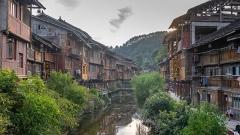 Guizhou Leisurely 5-Day Tour: Huangguoshu Waterfall, Qingyan Ancient Town, Dushan Caves & Xiaoqikong
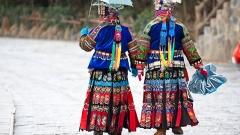 5-Day Essential Guizhou: Featuring Huangguoshu Waterfall & Xijiang Miao Village
 12-Day Yunnan & Guizhou Tour: Lijiang, Jade Dragon Snow Mountain & Huangguoshu Falls
Guizhou Travel Guides
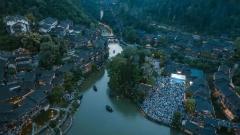 Wujiang Village, Guizhou Ultimate Travel Guide: Top Things to Do & Places to Visit
 Guizhou Huangguoshu Waterfall Guide: Immersive Exploration of Asia’s No.1 Waterfall
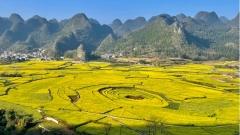 Exploring the Secrets of Southwest Guizhou | A In-depth Travel Guide to Wanfenglin and Malinghe Canyon
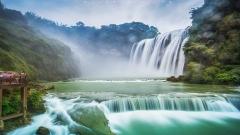 The Best Time to Visit Huangguoshu Waterfall: A Complete Season Guide + Must-Know Tips
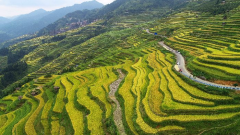 Best Time to Visit Guizhou: A Comprehensive Four-Season Travel Guide
Customize your own travel
We will provide the most suitable plan for you based on your needs

Scan the QR code on WhatsApp and contact us anytime