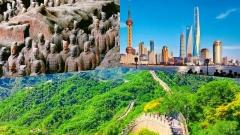

The Great Wall of Beijing is the iconic symbol of the Chinese nation and one of humanity’s most extraordinary ancient military defense projects. Stretching like a colossal dragon across northern China’s rugged mountains, it spans over 2,000 years, witnessing countless dynasties’ rise and fall. Every brick carries ancient memories, and every wall section whispers tales of bygone eras. For any Beijing visitor, climbing the Great Wall is non-negotiable. Standing on a beacon tower, you’ll see endless hills and the wall snaking to the horizon—a breathtaking, indescribable sight. To enjoy this millennium fortress fully, plan ahead with details on sections, seasons, transport and tickets.
Detailed Features of Each Section of the Great Wall of Beijing
Beijing and its surrounding areas are home to several well-preserved sections of the Great Wall, each boasting unique charm and characteristics tailored to travelers with different fitness levels and interests. First-time visitors to Beijing often feel overwhelmed by the variety of options available. However, by understanding what each section has to offer, you can easily pick the one that best suits your needs, saving both time and energy while ensuring an unforgettable experience.
The Great Wall
Badaling Great Wall
As the most famous and well-developed section of the Great Wall in Beijing, Badaling is the top choice for most travelers. Located in Yanqing District, approximately 75 kilometers from downtown Beijing, it offers excellent transportation links via both public transit and private cars. The terrain here is relatively gentle with moderate step heights, making it accessible for elderly visitors, children, and those with average fitness levels—perfect for first-time Great Wall climbers. Badaling also features comprehensive facilities, including cable cars and toboggan rides to save energy, as well as rest areas, restrooms, and convenience stores along the way to meet all your needs. That said, its immense popularity means it gets extremely crowded on weekends and public holidays, which can detract from your sightseeing experience. We strongly recommend visiting on a weekday if possible to avoid the crowds.
Mutianyu Great Wall
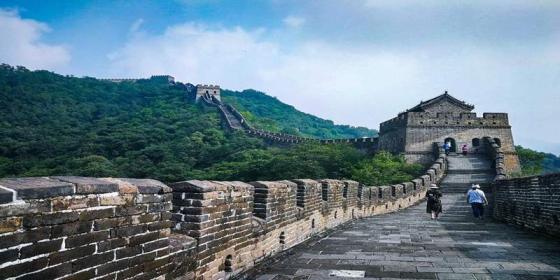
Often hailed as “one of the most beautiful sections of the Great Wall in China,” Mutianyu boasts an impressive vegetation coverage rate of over 90%. Surrounded by lush mountains, it offers stunning scenery that changes dramatically with the seasons. In spring, apricot and peach blossoms blanket the hillsides in a sea of pink, creating a vibrant and lively atmosphere. Summer brings dense green foliage and cool mountain breezes, making it an ideal escape from the city heat. Autumn transforms the landscape into a breathtaking canvas of red and gold maple leaves, while winter covers the wall in a pristine layer of snow, showcasing the majestic beauty of northern China. The wall itself is exceptionally well-preserved with densely packed watchtowers of various designs. From the ramparts, you can enjoy both the grandeur of the Great Wall and the picturesque surrounding landscapes. Mutianyu attracts far fewer visitors than Badaling, providing a more relaxed and enjoyable experience. There are three ways to ascend the mountain: cable car, chairlift, and toboggan. The toboggan ride down is particularly popular among young travelers, offering a thrilling combination of convenience and excitement.
Simatai Great Wall
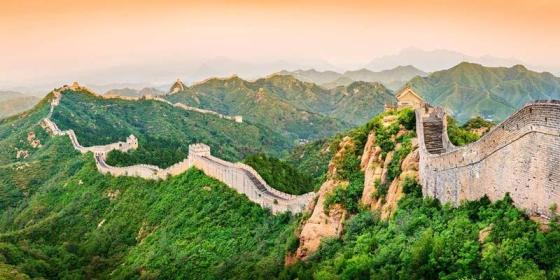
What sets Simatai apart from other sections is its “danger, uniqueness, and authenticity.” It is the only section of the Great Wall in Beijing that retains its original Ming Dynasty appearance, with minimal restoration work done over the years. Recognized by UNESCO as a “primitive Great Wall,” it is located at the border of Miyun District in Beijing and Luanping County in Hebei Province. The wall is built along extremely steep mountain ridges, with some sections almost vertical and narrow, treacherous steps. Climbing Simatai is a thrilling adventure that is best suited for experienced hikers and adventure seekers. It is not recommended for elderly visitors, children, or those with poor physical fitness. Conveniently, Simatai is adjacent to Gubei Water Town, making it easy to combine the two attractions into one day trip. Spend the morning climbing the Great Wall to experience its ancient grandeur, then explore the charming water town in the evening and enjoy its spectacular night views for a full and memorable day.
Simatai Great Wall
Jinshanling Great Wall
For photography enthusiasts, Jinshanling is an absolute must-visit. Renowned worldwide for its stunning sunrise and sunset views, it attracts countless photographers every year. The watchtowers here come in diverse styles with exquisite architectural craftsmanship and are remarkably well-preserved. They blend seamlessly with the surrounding mountains and trees, creating picture-perfect landscapes at every turn. Jinshanling sees relatively few visitors, offering a peaceful and serene atmosphere away from the hustle and bustle of the city. You can take your time to soak in the historical charm of the Great Wall and appreciate the natural beauty around you. The scenic area also features well-marked hiking trails of moderate difficulty, making it suitable for both photographers and casual hikers alike.
Juyongguan Great Wall
As the closest section of the Great Wall to downtown Beijing, Juyongguan is located in Changping District, approximately 50 kilometers from the city center. Its convenient location makes it ideal for travelers with limited time who don’t want to spend hours traveling. Juyongguan was a strategically important pass on the Great Wall, with a formidable terrain that made it a battleground throughout history. The wall is built along the mountains in a circular shape, with tall, sturdy ramparts and numerous watchtowers that exude the grandeur of ancient military architecture. However, the slopes here are quite steep, and some sections have high steps, making the climb relatively strenuous. Visitors with average fitness can opt for the cable car to ascend. The good news is that Juyongguan attracts fewer tourists than Badaling, so you can explore at a leisurely pace without jostling through crowds, allowing you to fully appreciate the wall’s beauty and historical significance.
Best Time to Visit the Great Wall of Beijing and Seasonal Tips
Spring (March to May): As the weather warms up and wildflowers bloom across the mountains, spring offers comfortable temperatures perfect for hiking. The mountain tops can be windy, so be sure to bring a windproof jacket. Visitor numbers are relatively low during this season. The Great Wall is surrounded by blooming flowers, especially the apricot and peach blossoms at Mutianyu, which create a stunning contrast against the ancient stone walls. This is the ideal time for flower lovers and those seeking a relaxed, crowd-free experience, with excellent photo opportunities everywhere.
Summer (June to August): While the weather can be hot and sunny, the mountainous areas around the Great Wall remain cool and refreshing, making it a great escape from the sweltering city heat. Be sure to apply plenty of sunscreen and wear a hat to protect yourself from the sun. This is peak tourist season, especially during the summer vacation in July and August, so we highly recommend visiting on a weekday to avoid large crowds. Also, be cautious of thunderstorms and avoid climbing during severe weather conditions for your safety.
Autumn (September to November): Autumn is widely regarded as the best season to visit the Great Wall. The weather is cool and crisp with clear skies, and the spectacular red and orange autumn leaves create a breathtaking backdrop for photography. Note that temperatures can vary significantly between day and night, so bring a light jacket. The peak leaf-viewing season at Mutianyu and Jinshanling runs from late October to early November, when the mountains are ablaze with color. This is the golden period for photographers, so be sure to plan your trip in advance and book your tickets early to avoid disappointment.
Winter (December to February): Winter brings cold temperatures, so you’ll need to dress warmly with layers, gloves, and a hat. However, after a snowfall, the Great Wall transforms into a magical winter wonderland, covered in a pristine blanket of white snow that makes it look like a silver dragon winding through the mountains. This is the quietest season with the fewest visitors, perfect for those who want to experience the Great Wall in peace and take stunning, unobstructed photos. Be aware that steps can become icy and slippery, so wear non-slip shoes. Always check the scenic area’s opening status before traveling, as it may close temporarily during severe weather.
Complete Guide to Transportation to the Great Wall of Beijing
Public Transportation (Budget-Friendly): Ideal for travelers on a tight budget who prefer independent travel. To reach Badaling, take Subway Line 2 to Jishuitan Station and transfer to Bus 877, which takes you directly to the scenic area in about 1 hour for 12 RMB. If you’re in a hurry, the Beijing-Zhangjiakou High-Speed Railway is a faster option, reaching Badaling in just 20 minutes for approximately 20 RMB. For Mutianyu, you can take Bus 916 Express and transfer to Bus H23, or take the direct shuttle bus from Dongzhimen, which takes about 1.5 hours. Public transportation to Jinshanling and Simatai is limited and inconvenient, so we recommend taking a dedicated shuttle bus or joining a group tour instead.
Self-Driving (Flexible and Convenient): Perfect for families or groups of friends who want the freedom to plan their own itinerary. Take the Beijing-Tibet Expressway to Badaling and Juyongguan, or the Beijing-Chengde Expressway to Mutianyu, Simatai, and Jinshanling. The drive takes approximately 1.5 to 2 hours from downtown Beijing. All scenic areas have parking lots with fees ranging from 20 to 30 RMB per visit. Be aware that traffic can be heavy on weekends and public holidays, so leave early to avoid delays. Also, beware of unlicensed tour guides and ticket scalpers along the way—always purchase tickets through official channels to avoid scams.
Group Tours (Hassle-Free): Great for first-time visitors to Beijing who don’t want to deal with the hassle of planning transportation and tickets. Most group tours include round-trip transportation, entrance tickets, and some even offer professional guide services and lunch. A knowledgeable guide can share fascinating historical facts about the Great Wall, enhancing your overall experience. Tour prices range from a few dozen to several hundred RMB. Be sure to choose a reputable travel agency and avoid tours that include forced shopping stops or hidden fees to ensure a pleasant and stress-free trip.
Ticket Prices and Booking Guide for Each Section of the Great Wall of Beijing
Badaling Great Wall
- Ticket Prices: 45 RMB per person during peak season (April 1 – October 31), 40 RMB per person during off-season (November 1 – March 31 of the following year);
- Auxiliary Transportation: Cable cars and toboggans are available, both costing 80 RMB per person one-way or 140 RMB round-trip. Choose according to your needs;
- Booking Method: Real-name reservation is required. Book 7 days in advance through the official “Badaling Great Wall” WeChat public account by filling in your ID information, selecting your visit time, and completing payment;
- Entry Method: Bring your original ID card and scan it to enter the scenic area—no physical ticket is needed.
Mutianyu Great Wall
- Ticket Prices: 45 RMB per person during peak season, 40 RMB per person during off-season;
- Auxiliary Transportation: Three options are available: cable car, chairlift, and toboggan. Cable cars and chairlifts cost 100 RMB one-way or 140 RMB round-trip. The toboggan costs 100 RMB one-way (no round-trip ticket available);
- Booking Method: Book 10 days in advance through the official “Mutianyu Great Wall Tourism” WeChat public account using your real name. The process is similar to Badaling, and entry is via ID card scan;
- Note: The toboggan can have long waiting times during peak season, so plan your schedule accordingly.
Simatai Great Wall
- Ticket Price: 40 RMB per person;
- Visitor Limit: A maximum of 1,200 visitors are allowed per day, so advance booking is mandatory;
- Booking Method: Follow the official “Gubei Water Town Mall” WeChat public account, find the corresponding booking entry, fill in your information, and select your visit time;
- Discount Tip: Since Simatai is adjacent to Gubei Water Town, you can purchase a combined ticket for both attractions for approximately 190 RMB per person, which is cheaper than buying separate tickets.
Jinshanling Great Wall
- Ticket Prices: 65 RMB per person during peak season, 55 RMB per person during off-season;
- Booking Method: You can book in advance through the official “Jinshanling Great Wall” WeChat public account or purchase tickets on-site. We recommend booking ahead during peak season to avoid long queues;
- Feature Tip: The scenic area has well-marked hiking trails of moderate difficulty, making it perfect for hiking enthusiasts and photographers.
Juyongguan Great Wall
- Ticket Prices: 45 RMB per person during peak season, 40 RMB per person during off-season;
- Booking Method: Tickets can be purchased on-site or booked in advance through the official Juyongguan Great Wall website. The process is simple and straightforward;
- Feature Tip: This section attracts relatively few visitors, so you won’t have to wait in long lines even during peak season. It’s ideal for travelers with limited time who want to avoid crowds. Entry is via ID card scan.
Essential Items and Important Tips for Visiting the Great Wall of Beijing
Proper preparation before your visit to the Great Wall of Beijing will greatly enhance your experience and help you avoid unnecessary troubles. Below is a list of essential items and important tips to keep in mind.
Essential Items
- Wear comfortable, non-slip athletic shoes. Avoid high heels, sandals, or flip-flops to prevent injuries while climbing.
- Bring sunscreen with SPF 50+ and PA+++ or higher, along with a sun hat, to protect yourself from strong UV rays.
- Carry plenty of drinking water and high-energy snacks to stay hydrated and replenish your energy, which will also save you money on overpriced food at the scenic areas.
- Bring a windproof jacket regardless of the season, as mountain tops can be windy even in summer. In winter, dress in warm layers, including gloves, a hat, and a scarf.
- Bring a high-capacity power bank, as charging facilities are limited along the Great Wall.
- Pack basic medications such as band-aids and motion sickness pills to handle minor discomforts during your trip.
Important Tips
- Book your tickets 7-10 days in advance through official channels using your real name. Always bring your original ID card for entry.
- We strongly recommend visiting on a weekday to avoid crowds. If you must go on a weekend, arrive early in the morning to beat the peak hours.
- Climb carefully and at a steady pace. Never climb unregulated “wild” sections of the Great Wall, as they are dangerous and unmaintained. If traveling with children, keep a close eye on them at all times.
- Respect the cultural heritage of the Great Wall. Do not carve or draw on the walls, and dispose of trash properly to be a responsible traveler.
- Strictly follow the scenic area regulations. Do not bring dangerous items, and plan your visit time reasonably to avoid rushing.
- Check the weather forecast before your trip. Postpone your visit during severe weather conditions such as heavy rain, thunderstorms, or snowstorms, and take shelter immediately if you encounter sudden bad weather while climbing.
Climb the Great Wall of Beijing for an Unforgettable Journey
The Great Wall of Beijing is like an endless historical masterpiece. Every climb reveals new layers of its grandeur, and every pause allows you to feel the weight of its thousands of years of history. More than just an ancient military defense project, it is the spiritual symbol of the Chinese nation, embodying the wisdom and courage of generations of Chinese people. Whether you’re traveling from other parts of China or from anywhere else in the world, no trip to Beijing is complete without climbing the Great Wall. Standing on its ancient ramparts, you’ll experience its awe-inspiring power and timeless charm, creating memories that will last a lifetime.
If planning your own itinerary sounds too stressful and you don’t want to worry about transportation, tickets, and other logistics, consider joining a Great Wall group tour with China Dragon Travel. With their professional team of guides and extensive travel experience, they provide thoughtful and attentive service, plan well-optimized itineraries, and ensure that your Great Wall adventure is relaxing, enjoyable, and completely hassle-free.