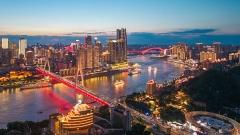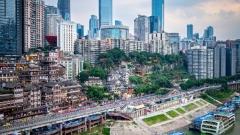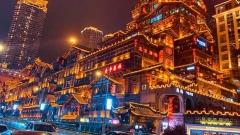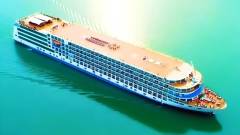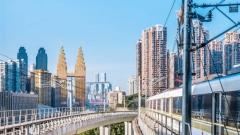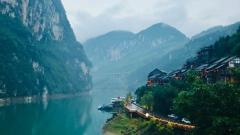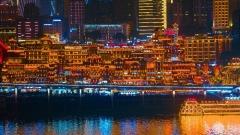

When it comes to visit Chongqing, many are concerned about the costs, which have become one of the most pressing questions to this mountainous city. As a major western city, Chongqing’s cost of living is affordable compared to Beijing, Shanghai, and Shenzhen. However, expenses can vary significantly depending on style, season, duration, and preferences. This article breaks down the costs of traveling to Chongqing from the perspectives of transportation, accommodation, dining, tickets, and shopping. It also provides budget references ranging from economical to comfortable, helping you plan a Chongqing trip that balances comfort and value based on your individual circumstances.
Overview of Chongqing Travel Costs
Overall, Chongqing can be classified as a mid-to-low-budget travel destination. The average daily expenses per person can be categorized into the following tiers:
- Budget-Friendly: Approximately 250–400 RMB per day, suitable for backpackers or students.
- Comfortable Experience: Approximately 400–700 RMB per day, ideal for most independent travelers.
- Luxury Enjoyment: Approximately 700 RMB or more per day, suitable for business travelers or those seeking premium experiences.
Analysis of Chongqing Travel Costs
Major Transportation Costs
Major transportation expenses are influenced by factors such as the traveler’s point of origin and budget. This is often the single largest expense of the trip, with significant price fluctuations. Common options include:
- Flights: Prices vary depending on the departure city, season, and how far in advance tickets are booked. Round-trip flights from major domestic cities (e.g., Beijing, Shanghai, Guangzhou) to Chongqing Jiangbei International Airport may cost as low as 800–1,500 RMB during the off-season but can rise to 1,500–2,500 RMB or higher during peak seasons (holidays, summer). International flight prices are even more variable.
- High-Speed Rail/Bullet Trains: For travelers from central or eastern China, high-speed rail is a comfortable and cost-effective option. For example:
- Chengdu East to Chongqing North: Approximately 1.5 hours, ticket price around 100 RMB.
- Wuhan to Chongqing: Approximately 5–6 hours, second-class seat price around 300 RMB.
- Shanghai to Chongqing: Approximately 11–12 hours, second-class seat price around 600 RMB.
- Regular Trains: The most time-consuming but cheapest option, ideal for travelers with ample time and extremely limited budgets.
Monitor flight and train ticket prices 1 to 2 months in advance, using comparison tools and price alerts on booking platforms. Flights on Tuesdays and Wednesdays are typically cheaper. Consider transit via nearby cities (e.g., fly to Chengdu first, then take a high-speed train to Chongqing).
Accommodation Costs
Chongqing offers a wide range of accommodation options, from hostel beds to five-star hotels, with clear price stratification. Travelers can choose flexibly based on their needs or group size:
- Youth Hostels: 50–80 RMB per night. Suitable for solo backpackers or students, often located in downtown areas or near attractions like Jiefangbei or Shapingba District.
- Budget Chain Hotels: 150–300 RMB per night. Clean, safe, and conveniently located, offering good value for money. Prices are more favorable outside core commercial areas.
- Mid-Range Hotels/Unique Homestays: 300–600 RMB per night. Provide more comfortable spaces and design, including many riverside homestays or designer lodgings within this price range.
- Luxury/Five-Star Hotels: 600 RMB or more per night. Primarily located in core areas like Jiefangbei, Jiangbeizui, and Nanbin Road, such as The Westin, Niccolo, and Regent, offering stunning river views and top-tier services.
- Accommodation Near Scenic Spots: Prices are similar to those in the city center but can increase significantly during peak seasons.
Avoid major holidays like Labor Day, National Day, and Chinese New Year, as room rates often double during these periods. Book in advance to save on expenses. Choose accommodations near subway stations rather than in the city center for more affordable options.
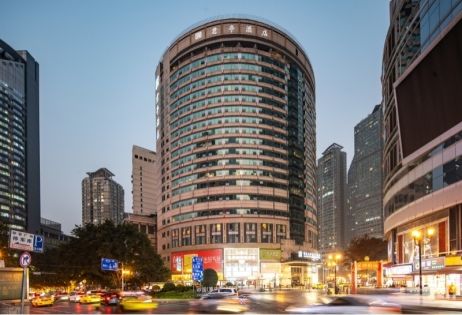
Pagoda Hotel (SSAW) Chongqing International Land-sea
Dining Costs
Chongqing is a food paradise, and dining expenses can be adjusted to fit any budget. A flexible approach to meals is recommended:
- Breakfast: Options like steamed buns, congee, or local snacks typically cost 8–15 RMB per meal, with street stalls or neighborhood eateries being the most economical.
- Lunch: Fast food or street snacks cost around 20–40 RMB per person.
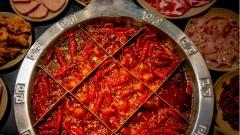
- Dinner: Non-trendy local restaurants, such as those serving spicy hot pot or Jianghu cuisine, cost around 60–100 RMB per person. Upscale restaurants or well-known chains may cost 100–200 RMB or more per person.
- Drinks and Snacks: Bubble tea or specialty beverages cost around 10–25 RMB, while local snacks can be kept within 20–100 RMB.
You can visit popular local eateries frequented by residents for authentic flavors at lower prices, and Use food apps to find discounted meal deals. You can also avoid restaurants in core tourist areas like Hongya Cave and Ciqikou Ancient Town to save money.
Transportation Costs
Chongqing’s local transportation network is well-developed, but its mountainous terrain can pose challenges, influencing transportation costs:
- Subway: Single-trip fares range from 2–7 RMB, depending on distance. This is the most recommended way to explore the city, as it avoids traffic and offers scenic views.
- Public Buses: Fares are typically 2 RMB, but routes can be complex for unfamiliar travelers.
- Taxis/Ride-Hailing Apps: The starting fare is around 10 RMB, with reasonable per-kilometer rates. Convenient for short trips between attractions or nighttime travel but may be affected by traffic during peak hours.
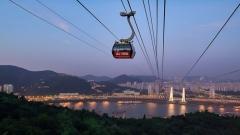
- Yangtze River Cableway: 20 RMB for a one-way trip, 30 RMB for a round trip.
- Two-River Cruise: A sightseeing activity costing 80–150 RMB, considered optional.
You can purchase a Chongqing Yiju Changtong Card for discounts on subway and bus rides. Also, using the subway for transportation is also cost-effective. By exploring Chongqing’s mountain trails on foot can save money, which provides an immersive experience of the city’s charm.
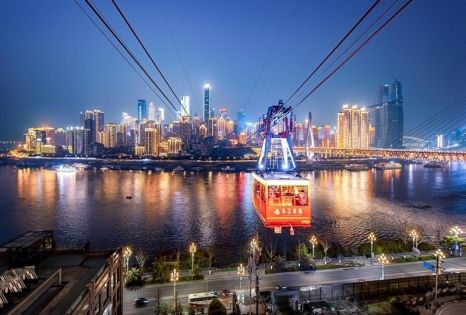
Chongqing Cableway
Attraction Ticket Costs
Chongqing offers a mix of free and paid attractions, allowing travelers to plan flexibly based on their itinerary and interests. These costs are manageable:
- Free Attractions: Include Jiefangbei, Hongya Cave, Ciqikou Ancient Town, Liziba Light Rail Viewing Platform, Mountain City Trails, Zhongshan Fourth Road, Eling Second Factory, Chongqing China Three Gorges Museum, and the Great Hall of the People.
- Paid Attractions: Include the Yangtze River Cableway (20–30 RMB), Nanshan One Tree Pavilion (30 RMB), Chongqing Zoo (25 RMB), and Huguang Guild Hall (25 RMB).
- Nearby Famous Scenic Spots: Include Wulong Tian Sheng San Qiao (125 RMB during peak season, including sightseeing elevator), Fairy Mountain National Forest Park (50 RMB), and Dazu Rock Carvings Baoding Mountain Scenic Area (115 RMB).
Plan your itinerary around free attractions and select 1 to 2 paid attractions that interest you the most for in-depth visits. Some attractions offer discounted or free tickets for students, seniors, military personnel, etc. Remember to bring valid identification. Follow official platforms of attractions for holiday promotions or off-season discounts. Allocate 50 to 100 RMB per day for emergencies or spontaneous purchases..
Practical Money-Saving Tips for Chongqing Travel
- Travel During Off-Peak Seasons: Accommodation and flight prices are significantly higher during holidays and weekends. Opting for weekdays can save a substantial amount.
- Budget Accommodation: Instead of staying in the heart of Jiefangbei, choose accommodations near subway stations along Lines 1, 2, or 3 for convenient transportation and more affordable prices.
- Smart Dining: Avoid pricey food streets like Jiefangbei’s Bayi Good Food Street or Hongya Cave Food Street. Visit local food hubs like Guanyinqiao Good Food Street, areas around Chongqing University in Shapingba, or Chengnan Jiayuan in Nan’an District for delicious and affordable meals.
- Free Attractions: Chongqing is rich in free sightseeing resources. Stroll along Nanbin Road or Beibin Road for night views, hike to Kansheng Tower in Eling Park, or explore the various mountain trails for high-quality experiences at no cost.
- Advance Ticket Booking: Book attraction tickets in advance on travel platforms for small discounts ranging from a few RMB to over ten RMB. Always carry student IDs or other discount-eligible documents.
- Group Travel: Traveling with others allows you to split costs for accommodation, meals, and private transportation, significantly reducing per-person expenses.
Compared to many popular domestic tourist cities, Chongqing offers excellent value for money. It provides abundant options for travelers with different budgets. Budget-conscious backpackers can rely on free attractions, economical accommodation, and street food to experience the charm of this mountainous city at a minimal cost. Travelers seeking comfort can enjoy cozy stays, authentic dining, and must-see attractions at a moderate price. Those pursuing luxury experiences will also find high-end services to match their preferences. Ultimately, the total cost depends more on your travel style, spending habits, and itinerary planning rather than the city’s absolute cost of living. With proper research and thoughtful planning, regardless of your budget, you can enjoy a memorable and exciting journey in Chongqing.