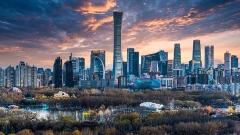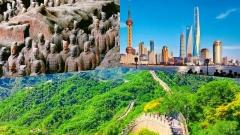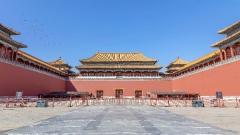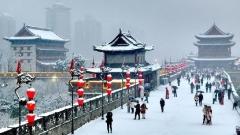

Beijing’s weather is a critical factor for anyone planning a trip to this magnificent 3,000-year-old ancient capital. Located in the northern part of the North China Plain, Beijing features a typical temperate continental monsoon climate with four distinct seasons, each offering unique, wonderful and unforgettable travel experiences. Whether you dream of seeing the Forbidden City blanketed in snow, wandering through fiery red maple forests at Fragrant Hills, or leisurely boating on Kunming Lake at the Summer Palace, understanding Beijing’s weather patterns will ensure a smooth, comfortable and truly memorable journey.
Spring in Beijing: Rebirth and Chilly Temperature Swings
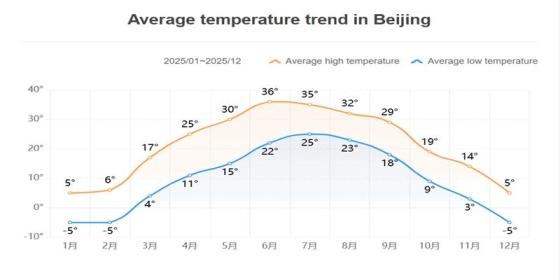
Average Temperature Trend in Beijing
Spring is the most volatile season for weather in Beijing, running from early March to late May. Characterized by rapid temperature rises, dramatic day-night temperature differences, strong winds and occasional sandstorms, spring in Beijing brings both the joy of blooming flowers and the need for careful preparation to avoid unexpected weather disruptions.
Temperature Changes
In early March, average temperatures hover between 0°C and 10°C, with mornings and evenings still feeling bitterly cold enough to require a warm coat. By April, temperatures climb quickly to 10°C-20°C, making daytime pleasantly warm and perfect for outdoor walks. By late May, temperatures can exceed 30°C, giving an early taste of summer’s sweltering heat. Throughout spring, the day-night temperature difference typically exceeds 10°C, and can even reach 15°C, meaning you might experience two distinct seasons in a single 24-hour period.
Precipitation and Wind
Spring is the driest season in Beijing, with average rainfall accounting for only about 10% of the annual total. It is also the windiest season, especially in March and April, when 4-5 grade northerly winds are common, with gusts reaching 7-8 grades that can blow hats off and make walking difficult. In late spring, Beijing is occasionally affected by sandstorms originating from Inner Mongolia and northwest China, bringing floating dust or blowing sand that reduces visibility and irritates the respiratory system and eyes.
Packing Tips
Layered dressing (the “onion method”) is the best approach for spring travel in Beijing. We recommend wearing a long-sleeve T-shirt or thin merino wool sweater underneath, paired with a windproof and water-resistant outer layer such as a trench coat, lightweight jacket or thin down jacket. For the lower body, long pants and comfortable, supportive sneakers are ideal for all the walking you’ll do. You can easily add or remove layers as temperatures change throughout the day. Additionally, due to the windy and dry conditions, bring a soft scarf and moisturizing products including lip balm and hand cream to protect your skin and respiratory tract.
Recommended Activities
Spring is the best time for flower viewing in Beijing, when various blossoms burst into color across the city’s parks and gardens. From late March to early April, head to Yuyuantan Park to admire thousands of cherry blossoms in full bloom. Mid-April brings beautiful pink peach and white crabapple blossoms at the Summer Palace, creating a picturesque backdrop for photos. From late April to early May, the Temple of Heaven Park is filled with fragrant apricot and lilac flowers. The Badaling and Mutianyu Great Walls are also particularly stunning in spring, with newly sprouted green trees covering the mountains and creating a vibrant contrast with the ancient stone structures.
Summer in Beijing: Heat, Humidity and Sudden Showers
Summer is the hottest and most humid season in Beijing, lasting from early June to late August. The weather is defined by high temperatures, oppressive humidity, concentrated rainfall and frequent afternoon thunderstorms that can catch travelers off guard.
Temperature Changes
In June, average temperatures range from 20°C to 30°C as the weather gradually heats up and humidity begins to rise. July and August are the hottest months of the year, with average temperatures between 25°C and 32°C, and extreme highs exceeding 40°C during heatwaves. The high humidity makes the heat feel far more oppressive than the actual temperature, like being inside a steamer, and can make even short outdoor activities tiring and uncomfortable.

The Summer Palace
Precipitation Patterns
Summer is Beijing’s rainy season, with over 70% of annual rainfall falling during this period. The heaviest rain occurs from late July to early August, a period locally known as the “peak rainy season”. Most summer precipitation comes in the form of short, intense thunderstorms that arrive suddenly and pass quickly. It is common for bright sunny skies to turn dark around midday, bringing lightning, thunder and heavy rain that lasts 30 minutes to an hour before clearing up completely. Occasionally, short-term heavy rainfall, thunderstorms and strong winds can cause localized flooding and travel disruptions.
Packing Tips
For summer travel in Beijing, dress in light, breathable clothing that wicks away sweat. Short-sleeve T-shirts, shorts and knee-length skirts made from cotton or linen are ideal. The sun is extremely strong in summer, with intense UV radiation that can cause sunburn even on cloudy days, so be sure to bring a wide-brimmed sun hat, polarized sunglasses and sunscreen with an SPF rating of 50 or higher. Since afternoon showers are frequent and unpredictable, carry a compact, windproof umbrella that can be used for both sun protection and rain.
Recommended Activities
Due to the extreme midday heat, avoid outdoor activities between 11 a.m. and 3 p.m. when the sun is at its strongest. Instead, visit Beijing’s world-class indoor attractions such as the Palace Museum, National Museum of China, Capital Museum and China Science and Technology Museum. These venues are fully air-conditioned and offer rich cultural and educational experiences that can easily fill an entire day. In the evening, when temperatures cool down, explore the narrow alleyways of Shichahai and Nanluoguxiang to experience traditional Beijing hutong culture, or relax at a waterfront bar along Houhai Lake to enjoy the cooler night air and city views.
Autumn in Beijing: Crisp Skies and Golden Landscapes
Autumn is universally regarded as the best season for weather in Beijing and the peak tourist season, running from early September to late November. The weather is characterized by clear, sunny skies, mild temperatures, low humidity and very little rainfall, making it perfect for all types of outdoor activities.
Temperature Changes
In September, average temperatures are between 15°C and 25°C, making the weather cool and comfortable with gentle breezes. In October, temperatures gradually drop to 10°C-20°C, and day-night temperature differences begin to widen significantly. By late November, temperatures fall to around 0°C as winter approaches and the first frosts appear. Temperatures change steadily throughout autumn with no dramatic fluctuations, allowing travelers to plan outdoor activities with confidence.
Weather Conditions
Autumn brings very little rainfall to Beijing, with dry air, plenty of sunshine and excellent visibility that can extend for dozens of kilometers. The sky is a deep, vivid blue with scattered white clouds, making it the season with the best air quality of the year. Wind speeds are also low, with mostly light breezes that feel pleasant and refreshing, unlike the strong winds of spring and winter.
Packing Tips
Dress for comfort and warmth when traveling to Beijing in autumn, with layers to accommodate the changing day-night temperatures. In September, wear long-sleeve shirts, thin sweaters and long pants, with a light denim jacket or cardigan for cooler evenings. In October, switch to thicker wool sweaters and hoodies, paired with a trench coat or lightweight jacket. By November, temperatures are low enough to require a down jacket or winter coat, along with a scarf and gloves for early morning and late evening outings.
Recommended Activities
Autumn is the most beautiful season in Beijing, when the city is transformed into a canvas of golden ginkgo leaves and fiery red maples. The best time to view red leaves is from late October to early November, and top spots include Fragrant Hills Park, Badaling National Forest Park and Pofengling Scenic Area, which offers some of the most spectacular red leaf views in northern China. The Summer Palace, Beihai Park and Jingshan Park are also breathtaking in autumn, with clear lakes reflecting the golden foliage and ancient pavilions. Autumn is also the best time to climb the Great Wall, with cool weather and clear views allowing you to fully appreciate its magnificent grandeur stretching across the mountains.
Winter in Beijing: Cold, Dry and Snowy Wonderlands
Winter is the coldest and driest season in Beijing, lasting from early December to late February. The weather is defined by cold, dry conditions, plenty of sunny days and occasional light snowfall that transforms the city into a magical winter wonderland.
Temperature Changes
In December, average temperatures range from -5°C to 5°C, with cold conditions prevailing and occasional cold snaps bringing temperatures below -10°C. January is the coldest month of the year, with average temperatures between -10°C and 0°C, and extreme lows dropping below -20°C during severe cold waves. In February, temperatures begin to rise slowly, returning to -5°C to 5°C as spring approaches. Winter temperatures remain low for an extended period, requiring heavy warm clothing at all times when outdoors.
Precipitation and Weather
Winter brings very little precipitation to Beijing, with only about 2% of annual rainfall falling during this season, mostly in the form of light snow. Snowfall is concentrated in January and February, with each snowfall usually lasting only a few hours and leaving a thin layer of snow on the ground, though occasional continuous snowfall can last for several days. Winter days are mostly sunny with clear skies, but the dry air creates a biting, penetrating cold that can feel much colder than the actual temperature.
Packing Tips
Proper warm clothing is absolutely essential for winter travel in Beijing. Wear a thick, insulated down jacket, heavy wool sweater, thermal underwear, fleece-lined pants and waterproof snow boots with good traction. Also, bring a warm hat that covers your ears, a thick scarf, waterproof gloves and a face mask to protect your head, neck, hands and face from the cold wind. Beijing has central heating in all indoor spaces, so the temperature difference between indoor and outdoor areas can be as much as 30°C. Remove your outer layers immediately when entering buildings to avoid overheating and catching a cold.
Recommended Activities
Despite the cold, winter in Beijing has its own unique charm that draws visitors from around the world. When it snows, the Forbidden City transforms into a magical winter wonderland, with red walls contrasting beautifully against white snow and glazed roof tiles glistening in the sunlight. You can also enjoy snow views at Beihai Park, the Summer Palace and Shichahai, or try traditional ice skating at popular outdoor rinks such as Shichahai Ice Rink, Beihai Park Ice Rink and Summer Palace Ice Rink. Winter is also a great time to visit indoor attractions, including the Palace Museum, National Museum of China and National Centre for the Performing Arts, to experience Beijing’s rich cultural and artistic heritage without braving the cold.
How to Handle Extreme Weather in Beijing
In addition to the regular seasonal weather changes, Beijing occasionally experiences extreme weather conditions that travelers should be prepared for to ensure their safety and comfort.
Sandstorms
Sandstorms are most common in spring, caused by dust and sand from Inner Mongolia and northwest China being blown to Beijing by strong winds. During sandstorms, air quality drops to hazardous levels, visibility is severely reduced, and the dust can irritate the eyes and respiratory system. If a sandstorm occurs, stay indoors as much as possible and keep windows and doors closed. If you must go out, wear a N95 face mask and protective goggles, and wash your face, hands and nasal passages thoroughly when you return inside.
High Temperatures
Summer in Beijing often brings temperatures above 35°C, and occasionally extreme heatwaves with temperatures over 40°C. High temperatures combined with high humidity can cause heat exhaustion and heatstroke, so avoid going out during midday hours. Drink plenty of water throughout the day and carry heat-relief medications such as Huoxiang Zhengqi Shui and cooling ointment. If you experience dizziness, nausea, fatigue or excessive sweating, move to a cool, shaded area immediately, remove excess clothing and rehydrate with water or electrolyte drinks.
Severe Convective Weather
Afternoon thunderstorms, strong winds and hail are common in summer and can develop very quickly. When severe convective weather approaches, take shelter indoors immediately in a sturdy building. Do not stay under trees, power poles, billboards or near bodies of water, as these are dangerous locations during lightning storms. Avoid using mobile phones, computers and other electronic devices connected to power outlets to prevent lightning strikes.
Snowfall
Snowfall in winter makes roads and sidewalks slippery and increases the risk of falls and traffic accidents. Wear non-slip snow boots with deep treads when going out, walk slowly and take small steps to maintain your balance. Also, dress in multiple warm layers to prevent frostbite, especially on exposed skin such as your face, hands and ears. Avoid driving during heavy snowfall if possible, as road conditions can become extremely dangerous.
Practical Travel Tips for Beijing’s Weather
- Check the weather forecast daily: Beijing’s weather changes quickly, especially during seasonal transitions, when sudden temperature drops or rises of 10°C or more are common. Check the latest weather forecast before your trip and every day during your stay, and adjust your itinerary and clothing accordingly.
- Stay moisturized: Beijing has a dry climate year-round, especially in spring and winter when humidity levels can drop below 20%. This can cause dry skin, chapped lips, sore throats and nosebleeds. Bring a rich moisturizer, lip balm with SPF and a portable humidifier if possible, and drink at least 2 liters of water per day to stay hydrated.
- Mind the indoor-outdoor temperature difference: Beijing has central heating in winter and powerful air conditioning in summer, creating large temperature differences between indoor and outdoor spaces. Always carry an extra layer that you can put on or take off when entering or leaving buildings to avoid catching a cold.
- Wear appropriate footwear: Traveling in Beijing involves a lot of walking, often on uneven stone surfaces, so bring a pair of comfortable, supportive sneakers or casual shoes with good arch support. In summer, breathable sandals are suitable for casual outings, while in winter, warm and non-slip snow boots are essential.
Master Beijing’s Weather for a Perfect Trip
No matter which season you choose to visit Beijing, understanding the local weather patterns is the first step to planning a perfect and stress-free journey. China Dragon Travel has been deeply rooted in Beijing’s tourism market for many years, with a professional team of local guides and rich tourism resources. We can customize personalized travel itineraries based on real-time Beijing weather conditions, ensuring that you make the most of your time in the city. Whether you want a spring flower-viewing trip, a summer cool escape, an autumn red-leaf tour or a winter snow adventure, China Dragon Travel will arrange the most comfortable and wonderful Beijing trip for you, allowing you to experience the unique charm of Beijing in any weather.