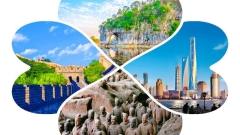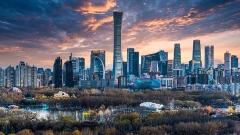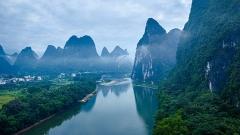

When you set foot in Beijing, a city steeped in over 3,000 years of urban history and 800 years of imperial rule, this comprehensive guide will be your perfect travel companion. From grand imperial palaces to winding hutong alleys, bustling modern districts to serene royal gardens, every corner holds unique cultural charm. This text-based Beijing Travel Map breaks down key areas, must-visit spots, curated itineraries and essential practical tips to help you plan efficiently, avoid unnecessary detours and fully experience the ancient capital’s timeless magic, whether you’re a domestic or international traveler.
Core Areas Breakdown on Beijing Travel Map
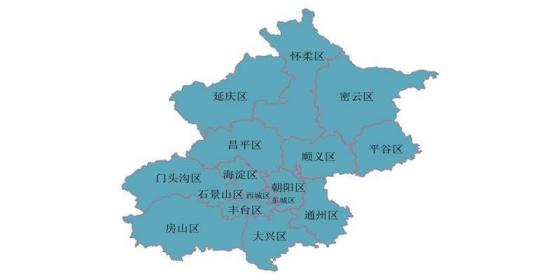
Beijing Travel Map
Beijing’s attractions are relatively concentrated. We break down the four core sections of the Beijing Travel Map in text form, clearly informing you of the location, characteristics and must-visit spots of each area, so that you can accurately grasp the direction of your visit. The four sections are the downtown area, Haidian District, Chaoyang District and suburban areas. Each section has different positioning and distinctive characteristics, and you can arrange the visiting order reasonably according to your own interests.
Downtown Area (Dongcheng & Xicheng Districts)
Nestled in the heart of Beijing, the downtown area is the cradle of old Beijing culture and home to the densest concentration of historical relics. As the beating heart of the Beijing Travel Map, it boasts excellent transportation links to all parts of the city, making it the ideal starting point for your trip. Most attractions here lie along the iconic Central Axis, easily connected on foot or by subway, allowing you to immerse yourself in the authentic Beijing vibe.
- The Palace Museum: Located right at the center of Beijing’s Central Axis, it served as the imperial palace for the Ming and Qing dynasties and is the world’s largest and best-preserved wooden architectural complex. Enter through the Meridian Gate from the north side of Tiananmen Square, and follow the Central Axis to visit the core buildings: the Hall of Supreme Harmony, Hall of Central Harmony and Hall of Preserving Harmony. A full visit takes about 3-4 hours. It is highly recommended to book tickets in advance and avoid peak holiday periods.
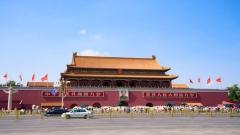
- Tiananmen Square: South of the Palace Museum lies this world’s largest urban square and an iconic landmark of Beijing. A solemn flag-raising ceremony is held every morning, with the time adjusted according to sunrise. Arrive 1 hour early to secure a good viewing spot and soak in the dignified atmosphere. Nearby attractions include the Monument to the People’s Heroes and Chairman Mao Memorial Hall, which can be visited together.
- Nanluoguxiang Hutong: Located in Dongcheng District, it is one of Beijing’s most representative hutongs. Stretching about 800 meters long, it has dozens of secondary alleys branching off to the east and west, resembling a centipede—hence its nickname “Centipede Alley”. It preserves the original bluestone paths and traditional courtyard houses of old Beijing, lined with unique boutiques, cozy cafes and authentic local snack stalls. It’s perfect for a leisurely stroll to experience the vibrant local life.
- Shichahai Lake Area: Consisting of three interconnected lakes (Qianhai, Houhai and Xihai) in the northwest of the downtown area, it is surrounded by numerous former imperial mansions such as Prince Gong’s Mansion and Prince Chun’s Mansion, as well as characteristic alleys like Yandai Xiejie. In the evening, take a lakeside walk to enjoy the sunset and gentle breeze, or ride a rickshaw to listen to drivers tell fascinating stories about old Beijing. At night, experience the lively bar culture by the lake, where ancient and modern vibes blend seamlessly.
Haidian District (Northwest Beijing)
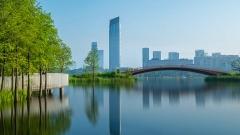
Located in northwest Beijing, Haidian District is a 10-20 minute subway ride from the downtown area. On the Beijing Travel Map, it is known as the hub of education, culture and royal gardens. It combines the scholarly atmosphere of top universities with the grandeur and elegance of imperial landscapes, making it ideal for travelers interested in cultural and natural scenery.
- The Summer Palace: China’s largest and best-preserved existing royal garden, known as the “Museum of Royal Gardens”. Located in the western suburbs of Haidian District, it centers around Longevity Hill and Kunming Lake. Famous attractions include the Long Corridor, Tower of Buddhist Incense and Marble Boat. You can take a boat ride on Kunming Lake to admire the picturesque lake and mountain views, or climb Longevity Hill for a panoramic view of the entire garden. A full visit takes about 2-3 hours.
- The Old Summer Palace (Yuanmingyuan): East of the Summer Palace lies this once pinnacle of Chinese imperial gardens, hailed as the “Garden of Gardens”. Tragically, it was severely damaged in modern times, and only ruins remain today. The broken walls and scattered relics carry a profound historical weight. Walking through the site, you can imagine the former grandeur of the imperial garden while reflecting on the vicissitudes of history. It is recommended to visit it on the same day as the Summer Palace, as they are close and easily accessible.
- Tsinghua University & Peking University: China’s two top institutions of higher learning, both located in Haidian District. Their campuses feature beautiful scenery and unique architectural styles, blending classical charm with modern vibes. Must-see spots include Tsinghua’s Second Gate and the Lotus Pond (made famous by the essay “Moonlight over the Lotus Pond”), and Peking University’s Weiming Lake and Boya Pagoda. Advance booking on the universities’ official platforms is required, and you can enter with your booking confirmation to experience the rich academic atmosphere.
Chaoyang District (East Beijing)
Located in east Beijing, Chaoyang District is the city’s business and fashion hub. On the Beijing Travel Map, it represents the vibrant modern side of Beijing, offering a striking contrast to the classical charm of the downtown area. It is perfect for travelers who love modern landscapes, trendy shopping and artistic culture. At night, Chaoyang comes alive with dazzling lights and an electric atmosphere.
- 798 Art District: Transformed from abandoned old factories in northeast Chaoyang, it is Beijing’s most famous art hub. It retains the industrial-era factory buildings, which have been converted into galleries, art studios, creative boutiques and cafes. Here you can admire contemporary artworks, take photos of the unique industrial architecture and experience the fascinating collision of art and industry.
- Sanlitun: Located in central Chaoyang, it is one of Beijing’s trendiest commercial districts, home to numerous international luxury brands, trendy boutiques, stylish restaurants and bars. It is a popular gathering spot for young people. Spend the day shopping and exploring, then experience the lively nightlife of the bar street in the evening. Nearby commercial areas like Taikoo Li and China World Trade Center allow you to fully immerse yourself in the prosperity of modern Beijing.
- Bird’s Nest & Water Cube: Located in north Chaoyang, these were the core venues for the 2008 Beijing Olympics and have now become iconic modern landmarks of Beijing. The Bird’s Nest (National Stadium) features a unique architectural design; you can enter to visit the interior and feel the grandeur of the Olympic venue. The Water Cube (National Aquatics Center) has a distinctive blue bubble-like exterior that looks especially beautiful when lit up at night, making it perfect for photos. The surrounding Olympic Park is also a great place for a leisurely walk.
Suburban Areas
The suburban areas surround Beijing, about 1-2 hours’ drive from the downtown. On the Beijing Travel Map, they are the extension areas for natural scenery and historical relics. The most famous attraction here is the Great Wall, along with imperial mausoleum complexes. They are ideal for travelers willing to spend a full day escaping the city noise to experience the perfect blend of nature and history.
- Badaling Great Wall: Located in Yanqing District, it is the best-preserved and most representative section of the Ming Great Wall, and the top choice for both domestic and international visitors. It features steep terrain and winding walls, offering panoramic views of the rolling mountains from the top. It is recommended to take the cable car up and down to save energy. A full visit takes about 2 hours. Advance ticket booking is required, and peak holiday periods should be avoided.
- Mutianyu Great Wall: Located in Huairou District, it has fewer tourists, higher vegetation coverage and more beautiful scenery compared to Badaling. It is hailed as one of the most beautiful sections of the Great Wall in China. The walls are well-preserved with multiple watchtowers. You can hike up, take the cable car or the chairlift. It is perfect for travelers seeking a quieter, more immersive experience of the Great Wall, and is a paradise for photography enthusiasts.
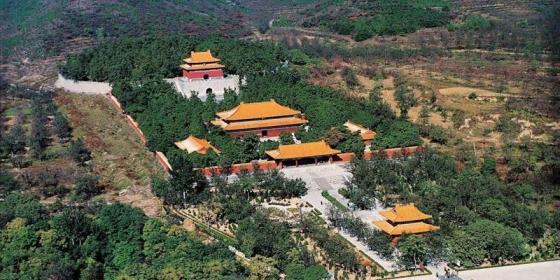
- Ming Tombs: Located in Changping District, they are the mausoleum complex of 13 emperors of the Ming Dynasty, and the world’s largest and best-preserved existing imperial mausoleum complex. Currently open attractions include Changling, Dingling and Zhaoling. The underground palace of Dingling is the most famous, where you can see the coffins of the emperor and empress, as well as burial artifacts, to learn about ancient imperial funeral culture. It is recommended to visit it on the same day as the Great Wall to make the most of your time.
Ming Tombs
Hidden Gems on Beijing Travel Map
Beyond the popular attractions mentioned above, this Beijing Travel Map also highlights several hidden gems. These places have fewer tourists but offer a deeper insight into Beijing’s history, culture and local customs, making them perfect for travelers who prefer off-the-beaten-path spots and immersive experiences.
Lesser-Known Hutongs
Besides Nanluoguxiang, Beijing has many lesser-known hutongs that retain their original charm, all easily accessible with the directions here. Wudaoying Hutong is quiet and elegant, lined with unique teahouses and handmade craft shops, perfect for a slow-paced stroll. Guozijian Street, adjacent to the Confucius Temple and Imperial Academy, exudes a strong scholarly atmosphere. The ancient locust trees and traditional buildings on both sides fully showcase the charm of old Beijing. Yandai Xiejie, connecting Shichahai and the Drum Tower, is about 300 meters long and home to many traditional handicraft shops where you can buy unique souvenirs.
Specialty Museums
Beijing boasts an abundance of museum resources. Besides the Palace Museum, there are many specialty museums worth visiting. The National Museum of China, located east of Tiananmen Square, has a vast collection of cultural relics that allow you to learn about China’s 5,000-year history. The Capital Museum in Xicheng District focuses on Beijing’s local history and culture, showcasing the development and changes of old Beijing. The Beijing Museum of Natural History in Dongcheng District is great for families with children to learn about natural science. The Military Museum of the Chinese People’s Revolution in Haidian District displays China’s military development history and is rich in red cultural heritage.
Essential Practical Information on Beijing Travel Map
To ensure a smooth trip to Beijing, this Beijing Travel Map supplements the following essential practical information, covering transportation, tickets, best travel time and more, to help you avoid inconveniences and travel hassle-free.
Transportation Guide
Beijing has a well-developed public transportation system, and the subway is the most convenient way to get around. There are currently more than 20 subway lines covering all core attractions. Both domestic and international travelers can purchase a Beijing Municipal Transportation Card, which works for both subways and buses. Mobile payment scanning is also widely accepted. For trips to suburban attractions like the Great Wall and Ming Tombs, you can take tourist special lines, transfer from subway to bus, or choose a group tour to avoid the inconvenience of independent travel.
Best Time to Visit
The best time to visit Beijing is spring (April-May) and autumn (September-October). These two seasons have pleasant weather, moderate temperatures and beautiful scenery, making it very comfortable to visit the Palace Museum, Great Wall or stroll through the hutongs. Summer (June-August) is hot and rainy, so be sure to take sun protection and heat prevention measures. Winter (November-March) is cold, but you can enjoy Beijing’s snow scenery; however, keep warm during long outdoor activities.
Ticket Booking Tips
Most popular attractions in Beijing require advance ticket booking, especially the Palace Museum, Summer Palace and Badaling Great Wall, which have no on-site ticket sales. It is recommended to book tickets 1-3 days in advance through the official websites or WeChat public accounts of the attractions, fill in your personal information, and enter with your booking confirmation. Some attractions, such as Tsinghua University and Peking University, require booking one week in advance. Be sure to plan your time properly to avoid being unable to enter due to lack of booking.
Group Tour Recommendations
If you don’t want to plan your own itinerary, worry about inconvenient transportation or tedious ticket booking, or hope to gain a deeper understanding of the history and culture behind the attractions, you can choose a group tour to explore Beijing. Traveling with a professional team means you don’t have to find routes yourself. Professional guides will explain the stories behind the attractions throughout the trip, and arrange transportation, tickets and meals uniformly, avoiding all kinds of troubles during the trip and making your visit more efficient and hassle-free.
Beijing Travel Map: Your Guide to an Unforgettable Ancient Capital Journey
A detailed Beijing Travel Map is a reliable companion for travelers, connecting the scenery and culture of the ancient capital and outlining a clear travel itinerary. It not only marks the locations of attractions but also carries the city’s historical heritage and humanistic warmth, guiding travelers to travel efficiently, avoid trivialities and easily explore the diverse charms from the imperial grandeur of the downtown area to the magnificent mountains and rivers of the suburbs. For a more convenient and hassle-free trip, you can choose the related services provided by China Dragon Travel based on the guidance of this Beijing Travel Map. Its professional team will arrange transportation, tickets and guided tours throughout the trip, allowing both first-time visitors and returning travelers to immerse themselves in the imperial grandeur, the tranquility of the hutongs and the vitality of the city, understand Beijing’s past and present, and harvest a fulfilling and unforgettable journey to the ancient capital.