
As the capital of China, Beijing boasts profound historical heritage and a captivating food culture. The local cuisine blends imperial court dishes with the down-to-earth street snacks. From imperial delicacies passed down since the Ming and Qing dynasties to century-old folk snacks, Beijing’s foods span banquets to street-side stalls. Whether it’s roasted duck and copper pot hot pot for feasts, or fried bean paste noodles and fermented bean juice from neighborhood, all embody the essence of Beijing foods. This article recommends delicious Beijing foods, including Peking duck, copper pot hot pot, noodles and snacks, offering you a detailed guide to authentic Beijing food.
Regional Distribution of Beijing Food
Qianmen and Dashilan
The Qianmen and Dashilan area sees the densest flow of tourists, with generally higher catering prices. Xianyukou Street gathers time-honored brands including Bianyifang and Tianxingju, delivering relatively stable quality. Most small shops lining the main streets cater exclusively to tourists, with chaotic pricing for roasted duck set meals; the price of a single duck can even double between adjacent restaurants. The smart dining choice here is to only visit chain time-honored establishments and avoid unmarked small eateries.
Niujie Area
Niujie is Beijing’s most concentrated hub for halal delicacies, home to famous spots such as Jubaoyuan Hot Pot, Baiji Rice Cake and Hongji Snacks. Most diners here are local residents, with prices 20% to 30% lower than those in Qianmen and more manageable queuing times. The two peak hours for waiting in line are 10 a.m. and 4 p.m. on weekends, which are best avoided. The main drawback of Niujie is its distance from major scenic spots, with a roughly 30-minute taxi ride from the Palace Museum.
Shichahai Surroundings
Tucked away in the hutongs around Shichahai are hidden gem eateries including Fangzhuanchang Fried Bean Paste Noodles, Yaoji Liver Stew and Wenyu Cheese. Stores along the main road primarily target tourists, yet old local-frequented restaurants can be found by venturing into side hutongs. The dining rush in this area lasts from 11:30 a.m. to 2 p.m., and some small shops may sell out and close after 5 p.m. It is most convenient to walk here after visiting Prince Gong’s Mansion.
Nanluoguxiang Surroundings
The main street of Nanluoguxiang is lined with barbecue skewer and milk tea stalls, while truly worthwhile restaurants lie deep within branching hutongs. Several unmarinated stewed offal shops and fried bean paste noodle houses with no formal signs are hidden in Yu’er Hutong and Mao’er Hutong, always packed with local residents during meal hours. Wenyu Cheese on the main street is one of the few establishments worth queuing for; its original cheese is available from 11 a.m., and most flavors sell out before 5 p.m.

Peking Duck
Siji Minfu
Siji Minfu is widely recognized by both locals and out-of-town tourists as the most cost-effective Peking duck restaurant in Beijing. Its duck is roasted using traditional open-oven techniques, featuring crispy skin and tender meat. Condiments including white sugar, sweet bean sauce, shredded cucumber, scallion strips and hawthorn strips are fully provided, with prices around two-thirds of Quanjude’s. The Palace Museum branch boasts stunning views overlooking Donghua Gate from its windows, yet waiting times often exceed two hours. It is recommended to opt for the Dongsishitiao or Nanluoguxiang branches, where queues are noticeably shorter.
Bianyifang
Boasting a longer history than Quanjude, Bianyifang was founded in the Yongle period of the Ming Dynasty and is a representative of closed-oven roasted duck. Unlike open-oven duck, closed-oven duck is cooked without open flames, slowly braised by heat radiated from the oven walls in a sealed space. Its skin is not ultra-crispy but soft in texture, with exceptionally tender meat. The Xianyukou branch in the Qianmen and Dashilan area is the brand’s original old store; though popular with tourists, it offers fast table turnover. It takes about 10 minutes to walk here after exploring Qianmen or Tiananmen Square. The floral crispy roasted duck is highly recommended, featuring low-fat duck skin ideal for diners who dislike greasy food.
Dadong
Positioned as a high-end dining brand, Dadong charges over double the prices of Siji Minfu, yet provides a tranquil environment and thoughtful service. Its signature oil-free crispy roasted duck is meticulously prepared with well-dried skin and nearly all fat rendered out, delivering a crisp and non-greasy bite. Most Dadong branches are located in Chaoyang District. Its Sanlitun and Workers’ Stadium outlets are within walking distance of Sanlitun Taikoo Li, perfect for dinner after shopping in the commercial district. Exquisitely plated dishes elevate the overall dining experience far beyond traditional time-honored restaurants.
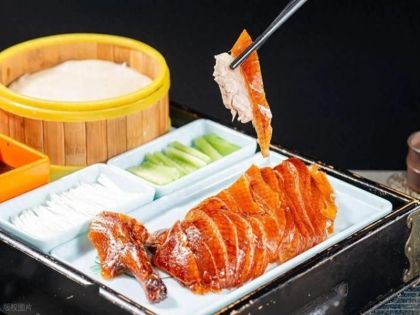
Peking Duck: Crisp Outside and Tender Inside
Copper Pot Lamb Hot Pot
Jubaoyuan
Jubaoyuan ranks among Beijing’s top-tier copper pot hot pot restaurants, with its Niujie main store facing permanent long queues. The broth is kept simple, made with plain water simmered with ginger slices, scallions, wolfberries and red dates without extra seasonings. Premium meat quality is Jubaoyuan’s core highlight; its hand-cut fresh lamb stays firmly attached to an upside-down plate, proving no water injection. Recommended orders include hand-cut fresh lamb, lamb shoulder meat and beef omasum. The in-house sesame paste dipping sauce features a perfectly balanced blend of sesame paste, chive flower sauce and fermented bean curd. Queuing times at the Niujie main store exceed two hours after 5 p.m. on weekends, so arrival before 11 a.m. is advised.
Nanmen Hot Pot
On par with Jubaoyuan in reputation, Nanmen Hot Pot’s Temple of Heaven branch enjoys the most accessible location and attracts a higher proportion of tourists. It also serves plain water broth, with meat quality slightly inferior to Jubaoyuan but at more affordable prices. Fresh lamb and lamb slices are top menu choices, paired with a slightly sweet house sesame dip sauce. With multiple branches across the city, its Temple of Heaven outlet sits right outside the south gate of Temple of Heaven Park, convenient for post-scenic dining. The Houhai branch is close to Shichahai, reachable on foot after visiting Prince Gong’s Mansion or Shichahai, while the Dongsishitiao branch neighbors the local catering street. The three outlets maintain consistent quality, allowing visitors to choose based on their travel itinerary.
Donglaishun
A century-old brand with unparalleled fame, Donglaishun suffers from inconsistent food quality across locations. Its Wangfujing branch mainly caters to tourists with inflated prices and small portion sizes, making it not recommended. The New Dong’an Mall and Xidan branches offer more stable quality yet lower cost performance compared to Jubaoyuan and Nanmen Hot Pot. If you are short on time and happen to be near Wangfujing, Donglaishun can serve as a backup option, but it is not worth a special trip.
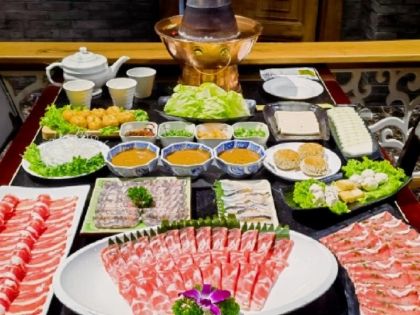
Traditional Copper Pot Hot Pot at Donglaishun
Beijing Noodles
Fangzhuanchang No.69 Fried Bean Paste Noodles
Fried bean paste noodle shops are ubiquitous across Beijing, yet most chain restaurants rely on industrially produced sauce packets. Tucked in a hutong near Nanluoguxiang, Fangzhuanchang No.69 serves hand-rolled noodles paired with freshly stir-fried sauce filled with marbled diced pork, accompanied by five kinds of side dishes: shredded cucumber, bean sprouts, garlic scapes, diced celery and soybeans. Two key reminders: the noodles require self-mixing after serving, taking two to three minutes to fully combine the sauce and noodles. The tiny shop only has seven to eight tables, resulting in necessary queuing on weekends.
Old Manchu Dumplings
Dumplings are common in northern Chinese restaurants, but authentic time-honored dumpling specialty stores are rare. Old Manchu Dumplings’ signature classic dumplings are stuffed with a juicy blend of pork, shrimp, chives and eggs. Pan-fried potstickers are another house specialty, with golden crispy crusts and fillings similar to the dumplings. Among its multiple branches, the Dongsishitiao outlet maintains the most stable quality, close to the local catering street and Chaoyang Joy City. A single serving of dumplings paired with a bowl of millet congee makes a satisfying solo meal.
Noodles with Gravy
Apart from fried bean paste noodles and dumplings, Beijing noodles also include noodles with gravy and hand-pulled noodles.The gravy for noodles with gravy is thickened with ingredients such as streaky pork slices, shiitake mushrooms, wood ear mushrooms, flowers and eggs, resulting in a rich thick sauce poured over handmade noodles. Do not stir the noodles with gravy when eating; start from the edge of the bowl and eat toward the center, so the noodles will not turn soggy from soaking in the gravy. Hand-pulled noodles are stretched fresh on the spot by chefs. Different from Lanzhou hand-pulled noodles, Beijing hand-pulled noodles are thicker and chewier, usually served with lamb soup or tomato and egg gravy. Both types of noodles are available at Huguosi Snacks and some old Beijing fried bean paste noodle restaurants, priced between 20 and 30 RMB.
Beijing Snacks
Huguosi Snacks
Huguosi Snacks is Beijing’s most comprehensive chain snack brand, offering over 30 traditional treats including fermented bean juice, fried dough rings, pea cake, rolling donkey cakes, glutinous rice cakes, sweet fried dough ears, sachima, rice paste tea, cream fried cakes and crispy fried gluten bits. The Huguosi main store in Xinjiekou preserves the most original recipes, a 10-minute taxi ride from Shichahai. Slight quality variations exist between chain outlets, though the taste of core signature snacks remains largely consistent. Tourists trying fermented bean juice for the first time should exercise caution; this fermented mung bean drink features a sour and bitter flavor that most outsiders find unpalatable. Those unsure about the taste can order a small portion with one fried dough ring for a trial taste.
Daoxiangcun
Founded in 1895, Daoxiangcun is Beijing’s most renowned time-honored pastry brand with over 100 varieties of baked goods. Its signature ox-tongue pastries feature flaky crusts and balanced savory-sweet fillings, priced at approximately 2 yuan per piece. Jujube flower pastries are shaped like blooming flowers, filled with smooth, moderately sweet red date paste perfect for pairing with green tea. Soft hawthorn flatbreads offer a sweet and sour filling that cuts through greasiness. The Niujie and Qianmen branches stock the widest product ranges, with a 5-minute walking distance between Qianmen Dashilan and the Qianmen outlet. Daoxiangcun pastries are sold individually by piece, allowing customers to mix and match assorted selections for gift boxes with professional in-store packaging. Most pastries have a shelf life of 7 to 15 days, ideal for last-minute souvenirs. The five most popular local choices are ox-tongue pastries, jujube flower pastries, hawthorn flatbreads, sachima and mung bean cakes.
Wenyu Cheese
Located on the main street of Nanluoguxiang, Wenyu Cheese is a rare worthwhile spot on this bustling commercial street. Traditional Beijing cheese is a local dairy dessert, distinct from western cheese, with a light, delicate texture similar to pudding and mild sweetness. The original flavor cheese is the timeless classic, alongside popular red bean and oatmeal flavors. The store opens at 11 a.m., with most flavors selling out after 5 p.m., so arrival before noon is recommended. It is easily accessible on foot after exploring Nanluoguxiang’s main street.
Tips for Food Hunting in Beijing
Recommended Food Souvenirs
Huguosi Snacks such as pea cake, rolling donkey cakes and glutinous rice cakes make excellent local gifts, though their short shelf life of 2 to 3 days means they should be purchased one day before departure. Wenyu Cheese is suitable for enjoying back home but requires refrigeration and is not fit for long-distance travel. Vacuum-packed roasted duck from Quanjude and Siji Minfu is available for takeaway, yet its taste differs greatly from freshly roasted in-restaurant versions and is not recommended. Boxed rice cakes and fried gluten bits from Baiji Rice Cake and Hongji Snacks in Niujie have longer shelf lives and are travel-friendly. Daoxiangcun pastries are the most common Beijing souvenirs; the Niujie and Qianmen branches offer the fullest ranges, with ox-tongue pastries, jujube flower pastries and hawthorn flatbreads as top picks.
Dining Precautions
Fermented bean juice has a distinct sour and bitter taste, so first-time visitors are advised to order a small serving with one fried dough ring instead of forcing a full portion. Braised offal buns and stewed liver are mainly made with pork offal, which may be unappealing to those sensitive to organ meat. Baodu must be consumed hot to prevent tough texture and fishy odor. Fried bean paste noodles require thorough self-mixing for two to three minutes to evenly combine sauce and noodles. Copper pot hot pot’s signature sesame dip sauce can be adjusted upon request with less sesame paste and extra soy sauce or vinegar for personal taste preferences. Roasted duck skin contains high fat; grease-averse diners can opt for only duck meat or choose Bianyifang’s low-fat floral crispy roasted duck.
Queuing Duration
Siji Minfu’s Palace Museum branch requires a minimum two-hour wait on weekend middays and around one hour on weekday evenings. Jubaoyuan in Niujie faces over two hours of queuing after 5 p.m. on weekends, with no waiting required before 11 a.m. on workdays. Fangzhuanchang Fried Bean Paste Noodles has limited seating and slow table turnover, resulting in 40-minute to one-hour waits on weekend middays. Queuing time at Wenyu Cheese ranges from 15 to 20 minutes, with no lines but limited remaining flavors after 5 p.m..
Delicious Food Recommendations in Beijing: Discover Authentic Old Beijing Flavors
Successful food hunting in Beijing relies on choosing the right districts to avoid unnecessary travel, calculating queuing times to save hours, controlling portion sizes to reduce waste, and understanding flavor characteristics to avoid unsatisfactory meals. Each food district including Qianmen Dashilan, Niujie, Shichahai and Nanluoguxiang has its own culinary focus, catering to diverse needs from historic time-honored brands to casual chain restaurants. Beijing’s finest delicacies are rarely found along crowded scenic main roads. Exploring secluded side hutongs, choosing local-frequented eateries and avoiding overly lengthy menus will lead to genuine local flavors. Siji Minfu’s roasted duck, Jubaoyuan’s copper pot hot pot, Fangzhuanchang’s fried bean paste noodles, Huguosi’s pea cake and Daoxiangcun’s ox-tongue pastries, these time-honored specialties will let you savor the true taste of authentic Beijing cuisine.