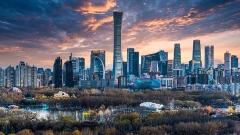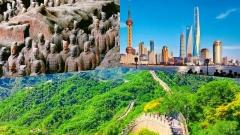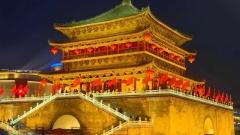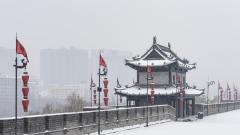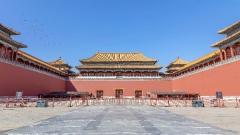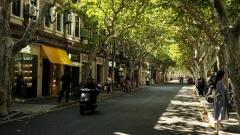

Beijing is the capital of China and the first stop for most foreign tourists entering China. With a long history of 3,000 years of city construction, this city integrates cultural relics with modern landscapes. Its well-known scenic spots are densely distributed, and the transportation is complex, receiving a large number of tourists all year round. For first-time travelers, if they are familiar with local travel and play rules in advance, they can avoid crowds and misunderstandings, saving time and energy. This article details tips for Beijing travel, including pre-trip information, transportation, accommodation, food, weather and clothing, providing a detailed travel guide for you.
Pre-Trip Information for Beijing Travel
Scenic Spot Reservation
All the most popular scenic spots in Beijing, including the Forbidden City, Badaling Great Wall, Summer Palace, Temple of Heaven, Prince Gong’s Mansion, National Museum of China, Capital Museum and China Science and Technology Museum, implement a real-name reservation system, and no on-site tickets are sold. If you go directly without a reservation, you can only take photos at the gate and leave. Tickets for the Forbidden City are released at 8 PM 7 days in advance on the WeChat Mini Program of the Palace Museum. Tickets for Badaling Great Wall are released 11 days in advance on the official WeChat account of Badaling Great Wall; the ticket supply is relatively sufficient but it is still recommended to book in advance. Tickets for the Summer Palace and Temple of Heaven are released 7 days in advance, and tickets on weekends are relatively tight. Tickets for the National Museum of China are released 7 days in advance on its official WeChat account, and weekend tickets also need to be snapped up.
Reservation
The WeChat Mini Programs of most scenic spots support passport reservation. When filling in personal information, select the passport type and enter the passport number. Some scenic spots require you to collect a paper ticket at the manual window at the entrance after reservation. It is recommended to screenshot and save the reservation QR code after all reservations are successful to avoid being unable to open it due to network problems on site.
Document
Foreign tourists must carry original valid passports, permits and other documents with them before traveling. Real-name verification is required for scenic spot entry, subway security checks and hotel check-in, and most places do not recognize electronic documents alone. Minors traveling with them need to prepare relevant document materials. Some cultural and museum scenic spots have preferential ticket policies for students and the elderly; you can prepare the certification materials in advance and it is recommended to directly select the corresponding ticket type when making a reservation.
Tips for Transportation in Beijing
Subway
Beijing’s subway network covers all major scenic spots in the city, with punctual operation and not affected by road congestion. During the morning rush hour (7:30 to 9:00) and evening rush hour (17:00 to 19:00), the main urban roads are severely congested, and a 2-kilometer journey may take more than 30 minutes. Taxis and ride-hailing cars around the Forbidden City and Tiananmen Square are extremely difficult to hail from 16:00 to 18:00, and the number of people queuing often exceeds 50.
Bus
Beijing’s bus routes are spread all over urban and rural areas, with more affordable fares than the subway. Some suburban scenic spots can be directly reached, which is suitable for slow-paced tourists to experience the urban style. It should be noted that there are many bus stops and frequent stops, and it is also easy to be congested during peak hours. It is not recommended for tourists with tight schedules as the main travel method. There are dense bus stops around the old city hutongs, which can directly reach areas such as Qianmen and Shichahai, but you need to check the route and arrival time in advance to avoid taking the wrong direction. In addition, for tourists who do not support cashless payment on buses, they can buy a bus card in advance to avoid the trouble of temporary change. Some routes have early last buses (before 21:00), so pay attention to controlling the return time.
Taxis and Ride-Hailing Cars
Regular taxis have standardized pricing, which is suitable for carrying luggage, traveling with multiple people or picking up and dropping off at night, and it is relatively convenient to take a taxi in the urban area. It is necessary to be vigilant against black cars in core scenic spots. Such cars often take the initiative to solicit customers, overcharge and detour at will; do not take unlicensed private cars. It is recommended to give priority to ordering through official ride-hailing platforms with transparent prices and traceable routes. During peak hours and when scenic spots close, the supply of cars is tight, and you can book a car 30 minutes in advance; when traveling at night, try to choose the back row, keep a screenshot of the trip to ensure travel safety, and avoid going to remote roads.
Special Line
For traveling to Badaling and Mutianyu Great Wall, it is not recommended to take ordinary buses with transfers, which is time-consuming, laborious and easy to get lost. It is recommended to choose a regular direct tourist shuttle bus, which departs from fixed locations in the urban area (such as Qianmen and Dongzhimen) and directly reaches the scenic spots with transparent prices (about 30-50 yuan for a one-way trip), which is worry-free and safe. It is necessary to avoid low-priced one-day tour solicitation groups on the street; such groups often have hidden consumption and forced shopping, which seriously affect the travel experience. The special line bus needs to be reserved in advance, pay attention to the departure time to avoid missing the shift, and confirm the last bus time in advance when returning to prevent being stranded in the scenic spot.

Foreign Tourists Traveling in the Forbidden City, Beijing
Tips for Accommodation in Beijing
Recommended Accommodation Areas
The area around Qianmen and Dashilan is the most convenient, close to Tiananmen Square and the Forbidden City, with good subway coverage and a variety of budget hotels and chain hotels to choose from. The area around Dongsi and Dengshikou has high cost performance, close to Subway Line 5, with rich catering choices. The hotels around Wangfujing and Dongdan are of higher grade, but the road congestion is severe during morning and evening rush hours. The courtyard homestays around Nanluoguxiang have a unique experience, but the price is relatively high and it is inconvenient to carry luggage in the hutongs.
Price and Reservation
Beijing’s accommodation prices are greatly affected by seasons and locations. During peak tourist seasons and legal holidays, room prices will increase by 30%-50%, and some hotels in popular areas may even double. It is recommended to book 1-2 months in advance, especially for traveling in peak seasons. Early booking can not only lock in a suitable room price but also choose a better room location. In addition, the price of the same hotel may vary on different platforms; you can compare and book on multiple platforms, and pay attention to checking the cancellation policy to avoid losses due to itinerary changes. Budget tourists can choose chain hotels, and high-end tourists can consider five-star hotels around Wangfujing and Dongdan for a better experience.
Safety
When staying, you should give priority to choosing officially registered hotels or homestays and avoid unqualified “black homestays”. Such accommodation not only has no safety guarantee but may also have problems such as temporary price increases and lack of services. If you choose a courtyard homestay in hutongs such as Nanluoguxiang, you need to know in advance whether cars can reach the hutong. Most hutongs are narrow and cars cannot enter; you need to walk a certain distance to carry luggage, so tourists with large luggage should choose carefully. In addition, check the room facilities upon check-in, confirm the water and electricity, air conditioning and hygiene conditions, keep the hotel contact information, pay attention to personal and property safety when traveling at night, and check personal belongings when checking out to avoid omission.
Tips for Beijing Food
Food Traps
Local people basically do not go to Wangfujing Snack Street, where the price is high and the quality is poor. Most of the unnamed small shops on both sides of Qianmen Main Street do business with tourists, and the pricing of roast duck sets is chaotic; the price of the same duck may differ by double in two adjacent shops. The correct way is to only enter time-honored chain stores, such as Siji Minfu, Bianyifang, Donglaishun and Jubao Yuan.
Price and Charges
Beijing’s food prices vary greatly, and the price of the same category varies significantly in different areas and types of restaurants. The prices of restaurants in core scenic spots are generally higher, 30%-50% higher than ordinary restaurants in the urban area, and some restaurants will additionally charge service fees and tableware fees. You need to confirm the menu price and charging items in advance when ordering to avoid disputes when checking out. The prices of time-honored chain stores are relatively transparent with no hidden charges, so you can dine at ease; you need to carefully check the menu in unnamed small shops, especially signature dishes such as roast duck and hot pot with copper pot, to avoid being overcharged. In addition, some snack shops charge by portion; you can ask about the portion in advance and order as needed.
Ordering Portion
The portion of dishes in Beijing’s time-honored restaurants is generally sufficient, especially signature dishes such as roast duck and hot pot with copper pot. For 1-2 people, ordering one signature dish plus 1-2 side dishes is enough to avoid waste. You can ask the waiter about the portion of dishes in advance when ordering; if there are few people traveling together, you can choose small portions or combined dishes (supported by some restaurants). In addition, most old Beijing snacks are sweet or salty with a thick taste. It is recommended to order a small amount when trying for the first time to avoid waste due to inconsistent taste. For example, for special snacks such as douzhi (fermented soybean milk) and baodu (quick-boiled tripe), you can first order a small portion to taste.

Foreign Tourists Experiencing the Great Wall
Tips for Beijing’s Weather and Clothing
Beijing’s Climate
Spring (March to May): windy and sandy, with temperatures ranging from 5℃ to 20℃, and large temperature differences between morning and evening. Summer (June to August): hot and rainy, with temperatures ranging from 25℃ to 35℃, and stuffy feeling. Autumn (September to October): the most comfortable climate, with temperatures ranging from 10℃ to 25℃, dry and less rainy. Winter (November to February of the next year): cold and dry, with temperatures ranging from -10℃ to 5℃, and strong winds.
Clothing
In spring and autumn, it is recommended to wear long-sleeved T-shirts and thin coats during the day, and add fleece jackets in the morning and evening. In summer, wear short-sleeved shirts, shorts and sun protection clothing, and carry rain gear with you. In winter, down jackets, thermal underwear, hats, gloves and scarves are essential. No matter which season, it is recommended to carry sunscreen, sunglasses and lip balm.
Haze
There are occasional severe haze days in winter and spring, with low visibility in outdoor scenic spots. You can check the air quality forecast one week before departure. In case of haze days, it is recommended to switch to indoor venues, such as the National Museum of China, Capital Museum and Art Museum.
Practical Tips for Beijing Travel
Do Not Forget Your Certificate
Foreign passengers are required to carry the original passport with them, and show it when they check in the hotel, change tickets for scenic spots, and meet patrol inspection. It is recommended that the passport information page be photographed and stored on the mobile phone, and the copy should be kept separately.
Anti-Theft
The Forbidden City, the Great Wall, Tiananmen Square, Qianmen and other popular scenic spots are crowded with tourists. It is recommended to carry backpacks on your chest, and do not put valuables in your coat pocket. Shichahai, NanLuoGu lane and other Hutong areas are crowded, so you should also pay attention to your belongings.
Emergency Contact
In China, in case of relevant emergencies, you can call the following numbers: alarm number 110, emergency number 120, fire alarm number 119. In addition, if you want to inquire about visa and immigration matters, you can also call 12367, the National Immigration administration service hotline. If the passport is lost, report the loss to the exit Entry Administration Department of the local public security bureau immediately and contact the embassy or consulate of the country to which it belongs.
Medical Treatment
Grade III and grade A hospitals in Beijing are concentrated in the urban area. Union Medical College Hospital, 301 Hospital and friendship hospital have international medical departments, which can handle common emergencies. You should take your passport with you when you see a doctor, and you should pay your own expenses. It is recommended to buy travel insurance before you travel.
Tips for Beijing Travel: Plan an Unforgettable Trip to Beijing
The trip to Beijing has never been a rush to clock in, but a carefully planned encounter. Only by doing a good job in the dual management of time and information, finding out the details of scenic spot reservation in advance, planning convenient transportation routes, selecting the right accommodation location, and preparing all the required certificates, can we avoid unnecessary troubles and get rid of congestion and confusion. You don’t have to go through every scenic spot, feel the temperature of every scenery, and meet the most authentic Beijing at the right time to make this trip far away from regret, harvest your own unforgettable memories of old Beijing, and make every step full of meaning. Only by reasonably planning your trip and avoiding the peak can you enjoy yourself smoothly and leave good memories for this trip to Beijing.