
Tucked away in the Altay Mountains of northern Xinjiang, Baihaba Village is one of the region’s quieter and more traditional destinations. Located near the China-Kazakhstan border, the village is surrounded by forests, mountains, grasslands, and wooden houses that have changed little in appearance over the years. While nearby Kanas and Hemu attract most of the attention, Baihaba offers a slower and more peaceful experience. It is a place for travelers who enjoy traditional villages, mountain landscapes, photography, and simply taking time to enjoy the scenery. For those planning a Northern Xinjiang trip, Baihaba can be a worthwhile addition to the classic Kanas and Hemu route.
Key Takeaways
- Baihaba is a quiet mountain village in Altay, close to the China-Kazakhstan border.
- The village is known for traditional wooden houses, forests, grasslands, and surrounding mountain scenery.
- Autumn, especially late September to early October, is one of the most beautiful times to visit.
- Unlike larger tourist destinations, Baihaba is best experienced by walking slowly through the village and enjoying its atmosphere.
- Kanas, Baihaba, and Hemu are different destinations but can be combined into one Northern Xinjiang itinerary.
- Because Baihaba lies in a border area, access and local travel arrangements may be subject to seasonal and local regulations.
Where Is Baihaba Village?
Baihaba Village is located in Altay Prefecture in northern Xinjiang, near the border between China and Kazakhstan.
The village lies within the wider Kanas scenic region and is surrounded by the mountains and forests of the Altay range. Its remote location is one of the reasons it has retained a quieter atmosphere than some of Xinjiang’s better-known tourist destinations.
One useful thing to know when planning a trip is that Baihaba, Kanas, and Hemu are three different places. They are often included in the same Northern Xinjiang itinerary, but each has its own character.
Kanas is best known for its alpine lake and mountain scenery, Hemu for its traditional village atmosphere, while Baihaba stands out for its location near the border and its quieter pace.
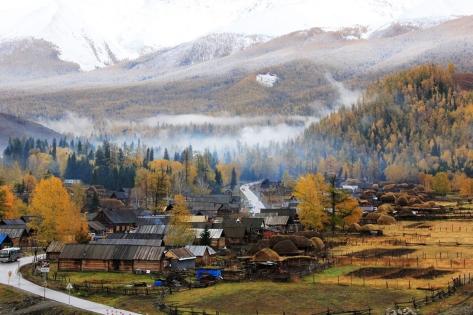
Baihaba Village
Why Is Baihaba Village Worth Visiting?
A quieter alternative to Hemu
Hemu is one of the most famous villages in Northern Xinjiang and can become quite busy during the autumn season. Baihaba is generally quieter, making it a good choice for travelers who want a more peaceful experience.
There is no need to spend the entire day rushing between attractions. Much of the appeal comes from walking through the village, looking at the wooden houses, and taking in the surrounding mountains.
A traditional mountain village near the border
Baihaba’s location gives it a special character.
Traditional wooden houses, fences, forests, and open mountain landscapes form the village scenery, while the nearby border adds another layer of interest to the destination.
For travelers interested in remote communities and the landscapes of China’s northwestern frontier, Baihaba offers an experience that feels quite different from a typical city-based trip.
What Does Baihaba Village Look Like?
Traditional wooden houses
One of the first things you will notice is the village architecture.
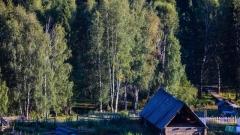
Traditional wooden houses are scattered around the landscape, often surrounded by wooden fences and small paths. Their simple design fits naturally into the mountain environment.
In autumn, the dark wood of the houses contrasts beautifully with the golden forests.
Mountains and forests
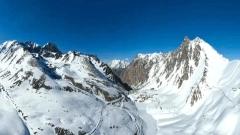
The village is surrounded by the Altay Mountains, with forests covering many of the slopes.
Depending on the season, the landscape can shift from green summer meadows to golden autumn forests and snowy winter scenery.
Morning mist and changing light
Early morning can be particularly beautiful.
Mist sometimes settles in the valleys, while soft sunlight gradually reaches the rooftops and surrounding forests. This is one reason photographers often prefer visiting early rather than waiting until the middle of the day.
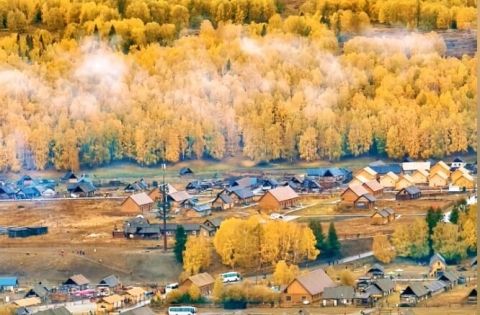
Baihaba Village
What to See and Do in Baihaba Village
Walk through the village
The simplest experience is often the best one.
Walk along the small village roads and take time to appreciate the wooden houses, fences, forests, and mountain views.
Unlike a destination where the main attraction is a single monument, Baihaba is more about the atmosphere of the entire village.
Visit a village viewpoint
A viewpoint above the village can provide a broader perspective of the surrounding landscape.
From higher ground, you can see the wooden houses spread across the valley, surrounded by forests and mountains.
Sunrise and sunset are especially attractive times for photographers.
Experience local culture
The wider Altay region is home to diverse ethnic traditions, including Kazakh and Tuva cultural influences.
Depending on the communities and places you visit, you may see traditional housing, pastoral lifestyles, local foods, and other aspects of life in northern Xinjiang.
As always, when photographing local residents, it is best to ask permission first.
Take photographs
Baihaba is particularly rewarding for travelers who enjoy landscape and village photography.
Good subjects include:
- Wooden houses
- Forests and mountain valleys
- Morning mist
- Livestock and pastoral landscapes
- Autumn colors
- Snow-covered scenery in the colder months
Baihaba Village Through the Seasons
Summer
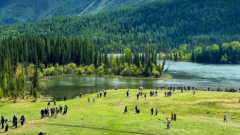
Summer brings green grasslands, forests, and relatively comfortable conditions for outdoor activities.
The landscape is at its most lush, although this is also part of the busier travel season.
Autumn
Autumn is arguably the most famous season for Baihaba.
As the birch forests change color, the village is surrounded by shades of yellow and gold. The contrast between the colorful forest, wooden houses, and distant mountains creates some of the most beautiful scenery of the year.
Winter
Winter turns Baihaba into a much quieter snowy landscape.
Snow-covered rooftops, white forests, and frozen mountain scenery can create a completely different atmosphere.
However, winter travel requires more preparation, and visitors should check access, road conditions, and local services before setting out.
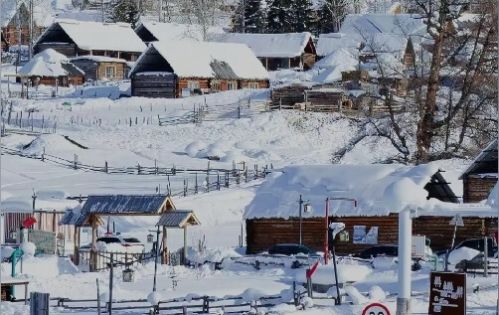
Baihaba Village in winter
When Is the Best Time to Visit Baihaba?
June to August
These months are suitable for travelers who want green landscapes and milder conditions.
Late September to early October
This is the period to consider if your main goal is autumn scenery and photography.
Golden forests are usually the biggest attraction, although the exact peak changes each year depending on temperature and weather.
Winter
Winter can be a good choice for travelers who specifically want snow-covered landscapes and fewer visitors, but it requires more careful planning.
Baihaba vs. Hemu Village: Which One Is Better?
There is no single winner because the two villages offer different experiences.
| Baihaba | Hemu |
|---|---|
| Generally quieter | More popular |
| Border village atmosphere | Famous traditional village destination |
| Strong sense of remoteness | More tourist facilities |
| Good for slower travel | Good for first-time Northern Xinjiang visitors |
| Excellent for village photography | Excellent for classic autumn scenery |
A simple way to think about it is:
Hemu for classic Northern Xinjiang scenery, Baihaba for a quieter and more remote experience.
Travelers with enough time do not necessarily need to choose between them.
How to Get to Baihaba Village?
From Kanas
This is the most logical way to include Baihaba in a Northern Xinjiang itinerary.
Because it is part of the broader Kanas region, travelers often combine the two rather than making a separate long-distance journey.
Access arrangements can vary by season and local regulations, so it is important to check the latest transportation and scenic-area rules before traveling.
From Urumqi
Traveling from Urumqi requires a much longer journey.
A common approach is to travel north toward the Altay region first and then continue into the Kanas area.
For first-time visitors, a private vehicle with a driver or organized tour can make this process much easier.
How Many Days Do You Need in Baihaba?
You do not need a long stay to experience Baihaba itself.
One day can be enough for a quick visit.
However, staying one night is more rewarding because it gives you time to:
- Explore the village at a relaxed pace
- See sunset
- Wake up for sunrise
- Photograph the morning scenery
Baihaba is usually best combined with Kanas and Hemu rather than treated as a destination requiring several days on its own.
What Should You Know Before Visiting Baihaba?
Check local access rules
Baihaba is located near a sensitive border area, so access arrangements may differ from ordinary tourist destinations. Always check the latest local requirements before traveling.
Prepare for changing weather
Mountain weather can change quickly, particularly in autumn and winter.
Book accommodation early in autumn
The golden season attracts many visitors, and accommodation choices are more limited than in larger towns.
Bring warm clothing
Even in autumn, mornings and evenings can be cold. Winter visitors need full cold-weather clothing.
Protect yourself from the sun
The altitude and strong sunlight make sunglasses and sunscreen useful year-round.
How to Add Baihaba to a Northern Xinjiang Itinerary
Baihaba works particularly well as part of a larger Northern Xinjiang route.
A classic combination is:
Urumqi → Burqin → Kanas → Baihaba → Hemu → Burqin
For a longer trip, you can continue toward:
Hemu → Sayram Lake → Yining
This allows travelers to experience several different sides of Northern Xinjiang, from alpine lakes and traditional villages to grasslands and mountain scenery.
Is Baihaba Village Worth Adding to Your Trip?
Baihaba may not have the same international recognition as Kanas or Hemu, and that is exactly what makes it interesting.
Its appeal lies in the combination of a traditional mountain village, surrounding forests and mountains, and a remote borderland atmosphere.
For travelers who enjoy quiet destinations, photography, cultural experiences, and slower travel, Baihaba can be one of the most rewarding stops in Northern Xinjiang.
You may not leave Baihaba with a long list of attractions checked off. Instead, you may remember a misty morning, a row of wooden houses surrounded by golden trees, or the feeling of standing quietly in a small village at the edge of the Altay Mountains.