6 Days Bhutan Tour: A Comprehensive Journey to Thimphu, Punakhk & Paro
Classic Bhutan Tour


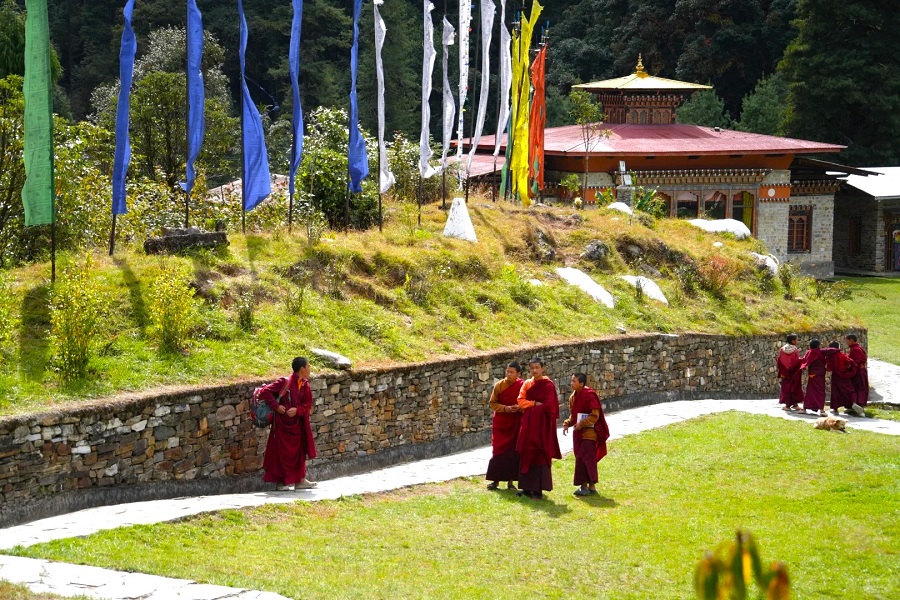
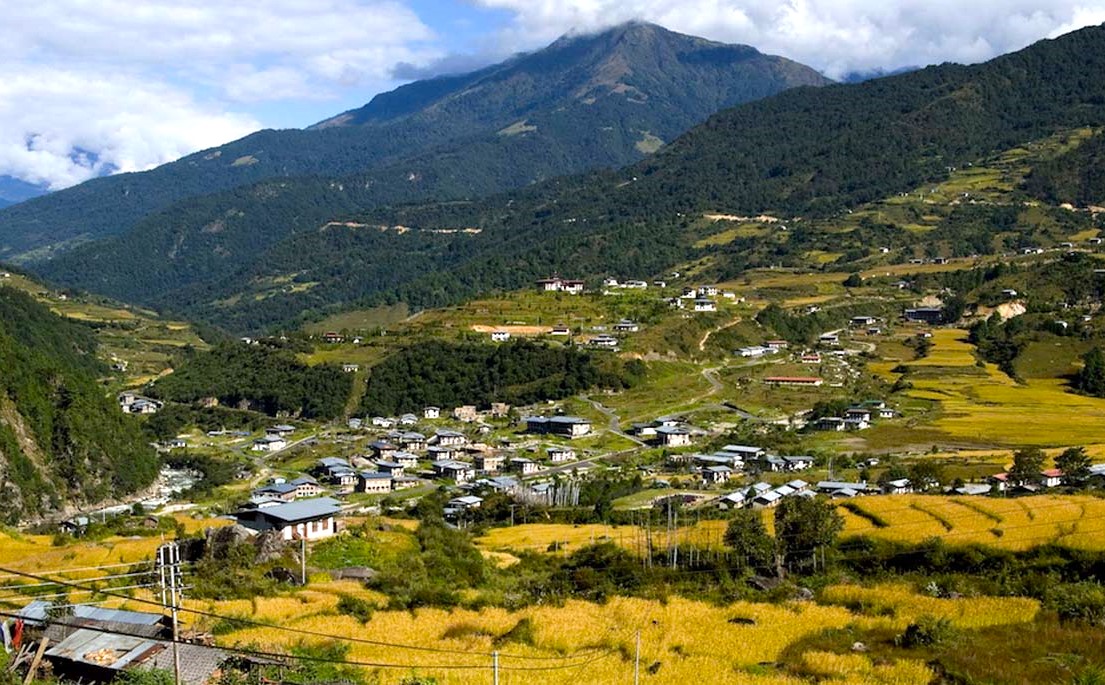
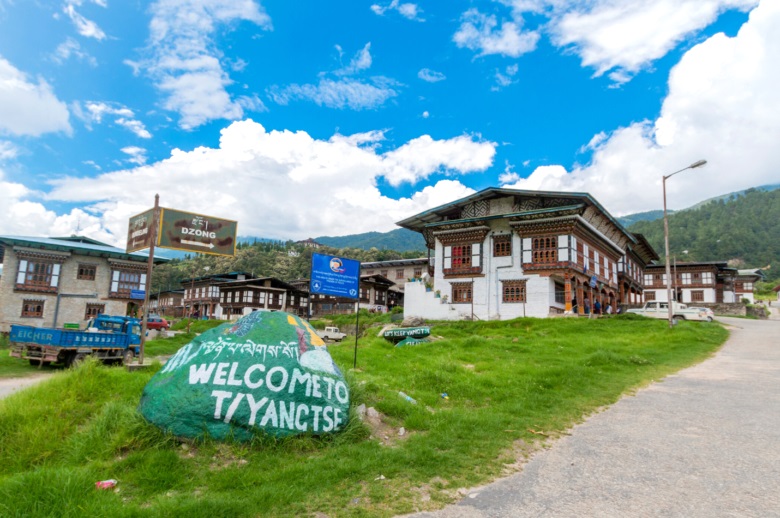
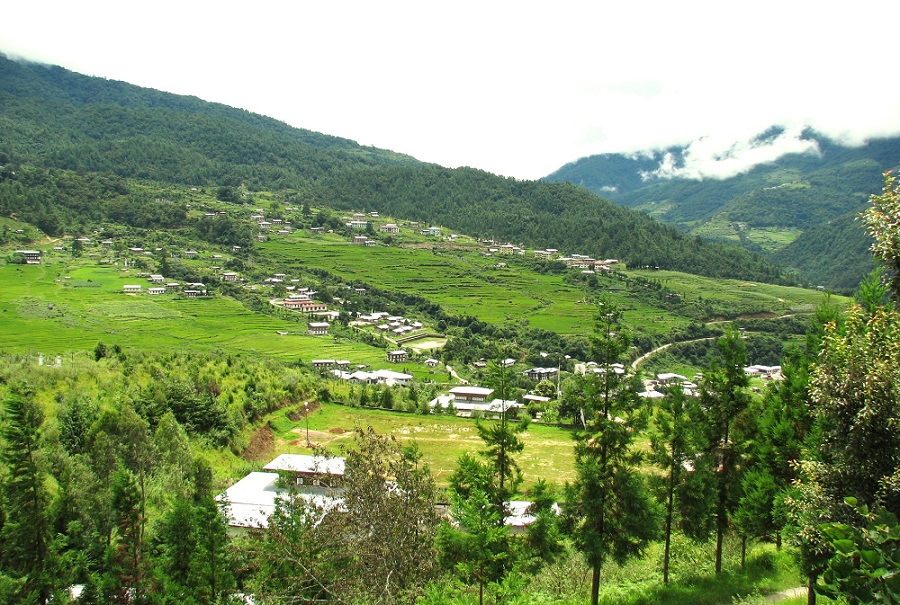
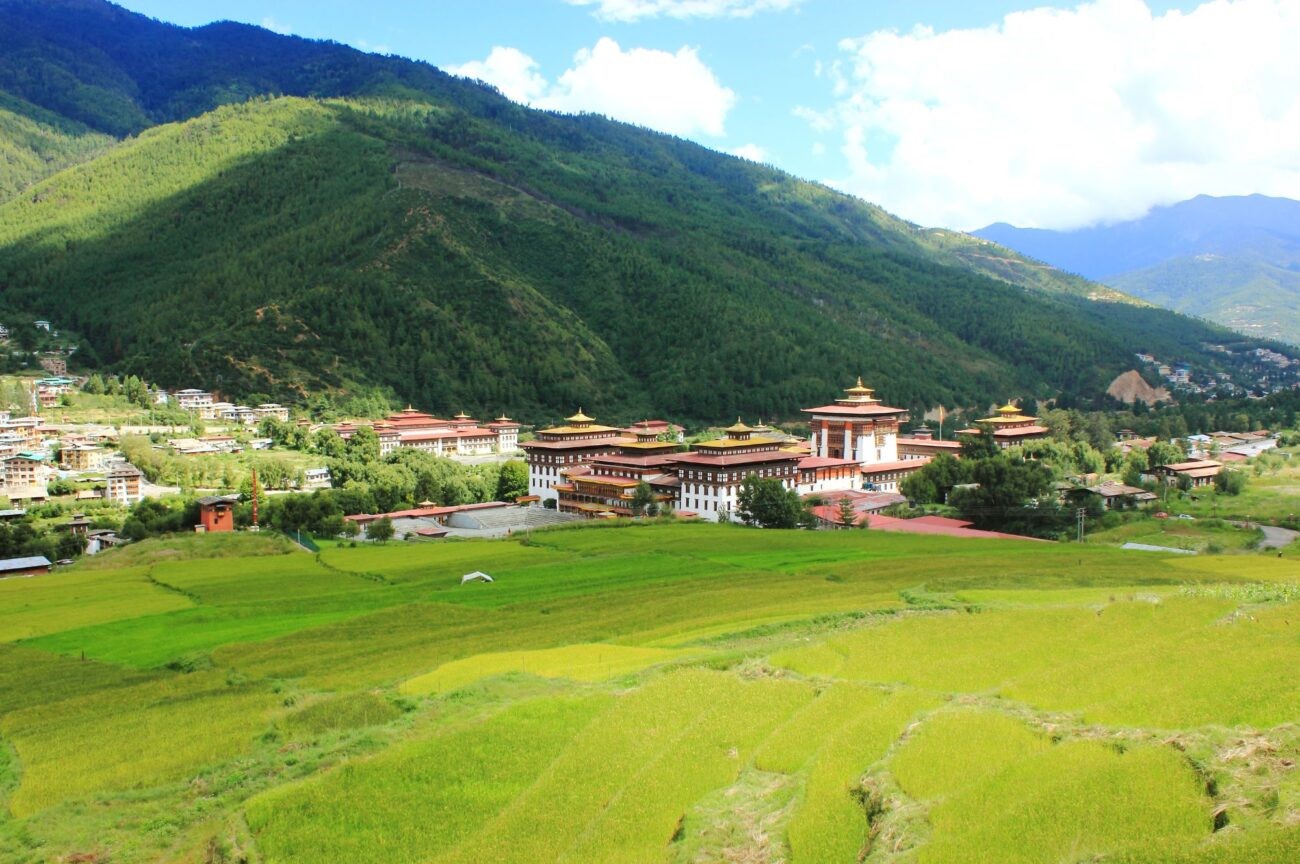
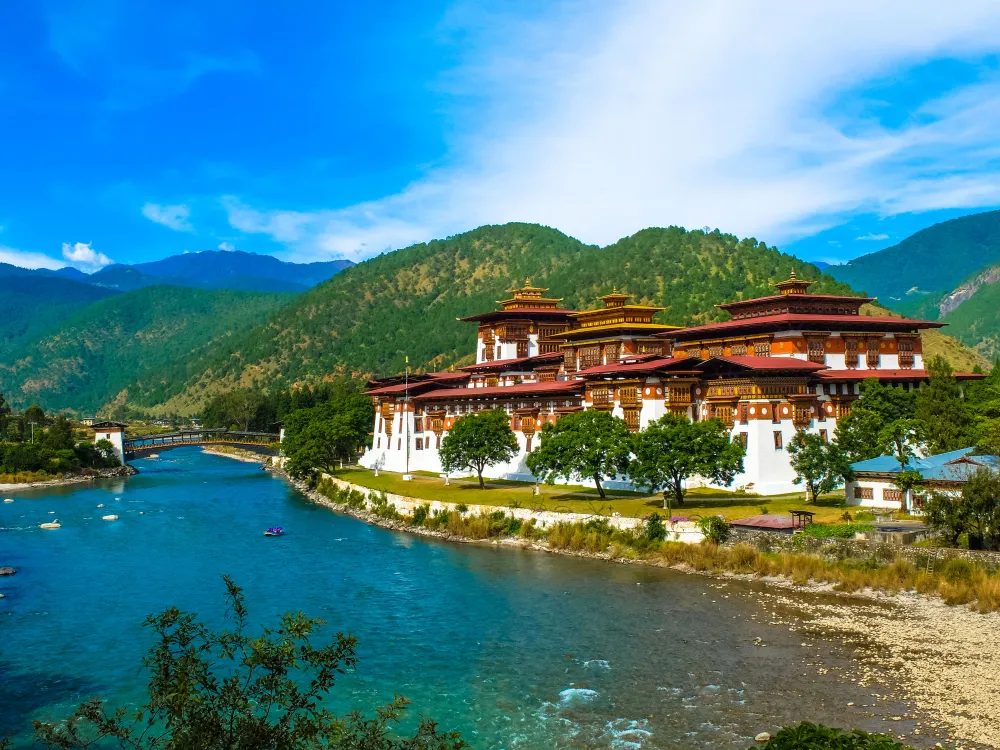
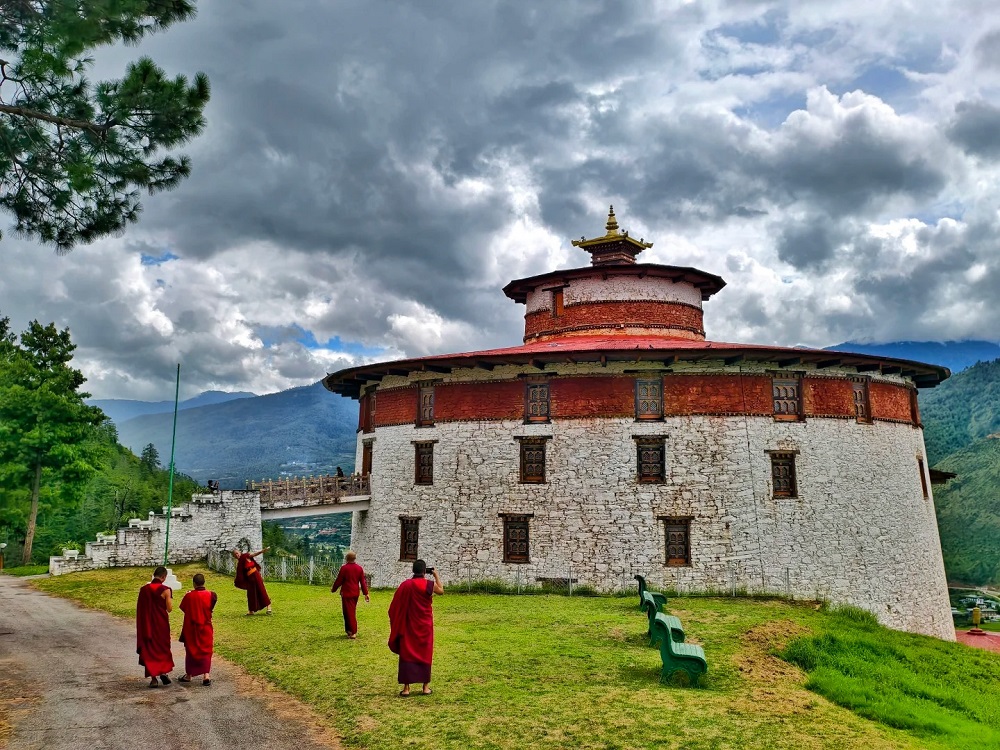
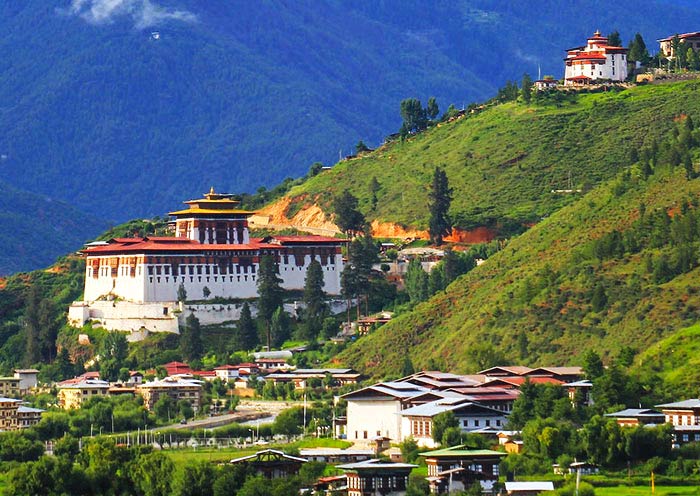
Arrive at Paro International Airport, where you will be welcomed by the spectacular Himalayan scenery and met by your local tour guide from Amen Bhutan Tours and Treks. After a traditional Bhutanese welcome and assistance with the arrival formalities, begin your journey to Thimphu.
The drive from Paro to Thimphu covers approximately 50 kilometers and takes around one hour. Along the way, enjoy your first views of Bhutan’s distinctive architecture and mountain landscapes.
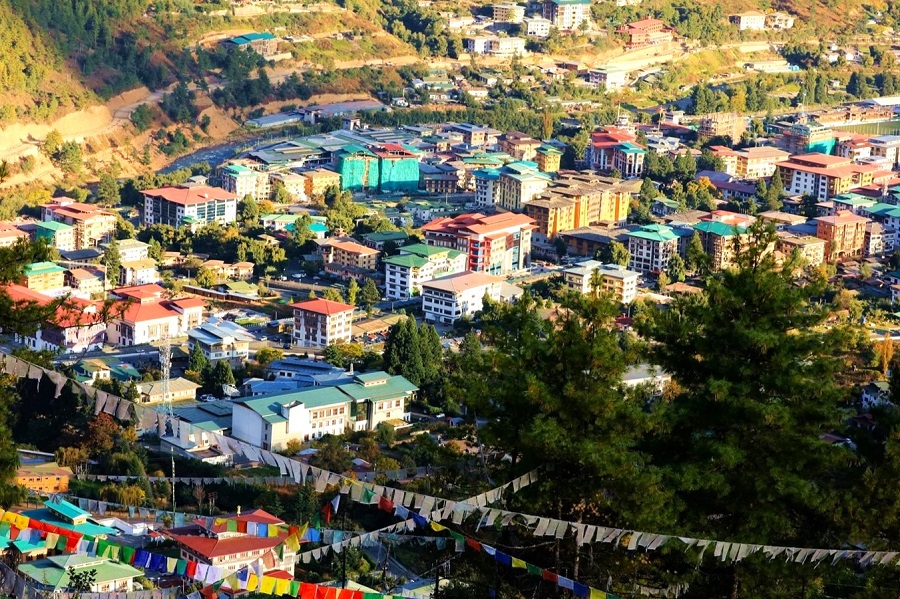
Thimphu, located at an elevation of around 2,250 meters, is a fascinating blend of traditional Bhutanese culture and modern life. It is also known for being the world’s only capital without traffic lights. After checking into your hotel, take some time to rest and acclimatize.
If you feel ready to explore, you can take a relaxed walk around the city and photograph its streets, architecture, and local life. In the evening, enjoy a welcome dinner and meet your fellow travelers before the photography journey begins.
Overnight: Thimphu
After breakfast, set off early from Thimphu for Trongsa. The journey covers approximately 129 kilometers and takes around 5–6 hours, depending on road and weather conditions.
This is one of the most scenic drives in Bhutan, with plenty of opportunities to stop for landscape photography. One of the highlights is Dochula Pass, where clear weather may reveal panoramic views of the Himalayan range, including Bhutan’s highest mountain, Gangkar Puensum.
Continue to Chendebji Chorten, a large Buddhist stupa located beside a river. The chorten is modeled after Kathmandu’s Swayambhunath Stupa and features painted eyes facing the four cardinal directions.
Upon reaching Trongsa, check into your hotel. The town is famous for its impressive dzong, the largest in Bhutan, dramatically positioned above the Mangde River. Depending on your arrival time, you may begin exploring Trongsa Dzong, an important administrative and religious complex and an excellent subject for architectural photography.
Afterward, relax at the hotel and review the day’s photographs with your tour leader.
Overnight: Trongsa
After an early breakfast, begin the approximately 198-kilometer drive from Trongsa to Mongar, which takes around 6–7 hours.
The route takes you through dense forests, high mountain passes, and dramatic mountain scenery. Winding roads and constantly changing landscapes create numerous opportunities for landscape photography.
A major highlight is Thrumshing La Pass at approximately 3,780 meters, one of the highest mountain passes accessible by vehicle in Bhutan. Often surrounded by mist and clouds, the area has a distinctive and atmospheric character.
Stop at a local restaurant for lunch before continuing toward Mongar. Along the way, there are opportunities to photograph rural landscapes and everyday life in central Bhutan.
Mongar marks the beginning of eastern Bhutan, a region known for its distinctive traditions, dialects, and scenery. If time permits, take an evening walk around the town for a glimpse of local life away from the main tourist routes.
Overnight: Mongar
After breakfast, depart Mongar for Galing. Compared with the previous days, today’s drive is relatively short, leaving more time to stop and photograph the scenery along the way.
The route passes through agricultural fields, traditional Bhutanese farmhouses, and peaceful rural landscapes. Keep your camera ready for spontaneous encounters with local people, wildlife, and changing mountain views.
Upon reaching Galing, explore this quiet and picturesque village. Spend time interacting with local villagers and photographing traditional homes, architecture, and everyday activities. The slower pace of village life provides a different perspective on Bhutan.
Depending on the group’s interests, you may also take a short nature walk around the village. The lush surroundings are suitable for both landscape and macro photography.
In the evening, photograph the sunset over the surrounding hills before returning to your accommodation. After dinner, there will be time to review your photographs, back up your files, and prepare your equipment for the following day.
Overnight: Galing
Start the day with an early breakfast before driving to Trashiyangtse. The journey offers changing mountain scenery and numerous opportunities to stop for photography.
Visit Trashiyangtse Dzong, an important fortress that serves both monastic and administrative functions. Its traditional architecture and daily activities of the monks provide excellent subjects for photography.
Continue to Chorten Kora, one of the most significant stupas in eastern Bhutan. Inspired by Kathmandu’s Boudhanath Stupa, it is especially interesting for people photography when local residents gather to circumambulate the monument in devotion.
Trashiyangtse is also well known for its traditional arts and crafts. Visit local artisan workshops to see craftsmen producing wooden bowls, paper products, and other traditional items. These workshops provide opportunities to photograph both the creative process and the artisans at work.
After lunch, continue exploring the area. Depending on the group’s interests, you may take a guided nature walk and look for local bird species and other wildlife.
There will also be opportunities to interact with local residents and capture authentic portraits with their permission. Return to your accommodation after a full day of exploration, followed by dinner and a group photo review.
Overnight: Trashiyangtse
Begin with an early breakfast before setting out for Bumthang. The drive takes approximately 6–7 hours and passes through a variety of mountain landscapes.
Along the route, cross several high mountain passes, including Thrumshing La, one of Bhutan’s highest drivable passes. The surrounding valleys and distant snow-capped peaks provide excellent opportunities for panoramic photography.
Stop along the way for lunch and photography before continuing toward Bumthang.
Bumthang is often regarded as the spiritual heartland of Bhutan and is home to numerous ancient temples and monasteries. After checking into your hotel, take a gentle evening walk around the town center if time permits. Traditional architecture and local handicraft shops provide relaxed opportunities for photography.
In the evening, enjoy local specialties and attend a briefing for the following day’s cultural and historical exploration. You can also use the evening to back up your photographs, recharge your batteries, and prepare your camera equipment.
Overnight: Bumthang
Begin the day with an early breakfast, allowing you to take advantage of the soft morning light for photography.
Your first stop is Jakar Dzong, known as the “Castle of the White Bird.” Perched on a ridge above Jakar town, the dzong offers panoramic views across the Chokhor Valley and impressive opportunities for architectural and landscape photography.
Continue to Kurje Lhakhang, one of Bhutan’s most sacred monasteries. The complex consists of three temples surrounded by 108 chorten walls and is associated with Guru Rinpoche’s subjugation of a local demon. Take time to appreciate the intricate details and spiritual atmosphere of this historic site.
Next, visit Tamshing Lhakhang, located across the river from Kurje Lhakhang. Founded in the 16th century by Terton Pema Lingpa, the monastery contains ancient religious paintings and thangkas, making it particularly interesting for those interested in Bhutanese religious art.
After lunch, explore more of Bumthang Valley. Visit the Red Panda Brewery and Cheese Factory to see local production and sample Bhutanese cheese and beer.
Later in the afternoon, visit Burning Lake, or Mebar Tsho, a sacred site associated with Terton Pema Lingpa and the discovery of treasures connected with Guru Rinpoche. Its calm waters and surrounding scenery create beautiful photography opportunities.
Return to your hotel in the evening. After dinner, enjoy a traditional Bhutanese music and dance performance before resting for the night.
Overnight: Bumthang
After an early breakfast, depart Bumthang for Punakha. The drive covers approximately 215 kilometers and takes around 6–7 hours.
Although it is a long journey, the route showcases Bhutan’s diverse landscapes, from high mountain terrain to greener valleys. Cross Pele La Pass at approximately 3,300 meters, which marks the boundary between central and western Bhutan. On clear days, the pass offers panoramic mountain views, including Mount Jomolhari.
Make several photography stops along the way to capture alpine meadows, valleys, rural settlements, and changing landscapes.
As you approach Punakha, visit Chimi Lhakhang, also known as the Fertility Temple. The temple sits on a small hill surrounded by fields, and the walk through the countryside offers opportunities to photograph rural Bhutanese life.
Continue to Punakha and check into your hotel. If time and energy permit, take an evening walk around the town or near Punakha Dzong and the Mo Chhu and Pho Chhu rivers, where the surrounding scenery can be particularly beautiful around sunset.
Overnight: Punakha
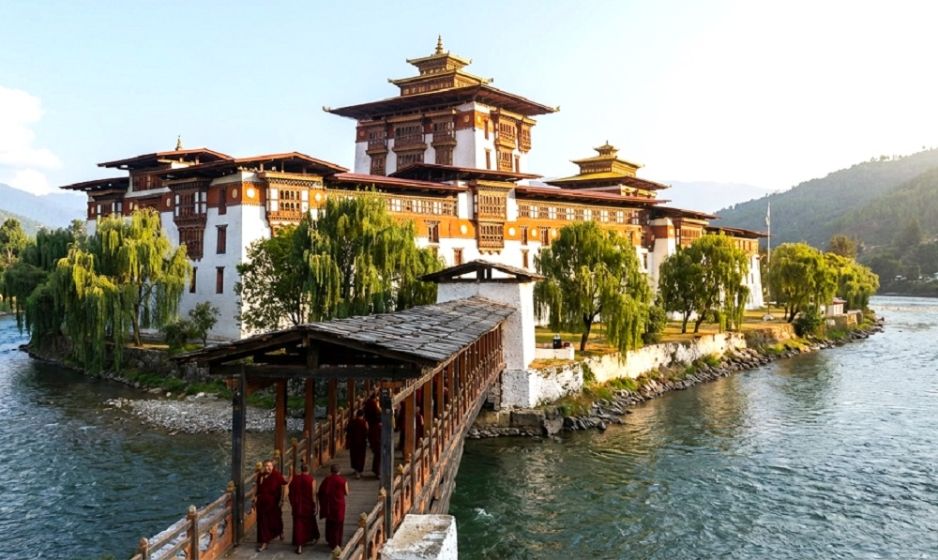
Begin the morning with a visit to Punakha Dzong, one of Bhutan’s most impressive dzongs. Located at the confluence of the Pho Chhu and Mo Chhu rivers, its architecture and riverside setting make it a highlight for photography.
After exploring the dzong, take a short walk to the nearby suspension bridge. As one of Bhutan’s longest suspension bridges, it provides panoramic views of the river and valley and offers opportunities for both landscape and people photography.
Continue by road toward Thimphu, with the journey taking approximately 2–3 hours. Stop along the way for lunch and additional photography opportunities.
Weather permitting, visit Dochula Pass once again. The pass offers expansive Himalayan views and is famous for its 108 chortens and Druk Wangyal Lhakhang.
Arrive in Thimphu in the afternoon and check into your hotel. In the evening, explore the local market area at your own pace, which offers good opportunities for street photography and observing everyday life in the capital.
Overnight: Thimphu
Today is dedicated to exploring Thimphu and photographing its cultural landmarks.
Begin at the National Memorial Chorten, one of the city’s most recognizable landmarks. Built in memory of Bhutan’s Third King, it remains an important place of daily religious activity, with intricate murals and sculptures providing numerous photographic details.
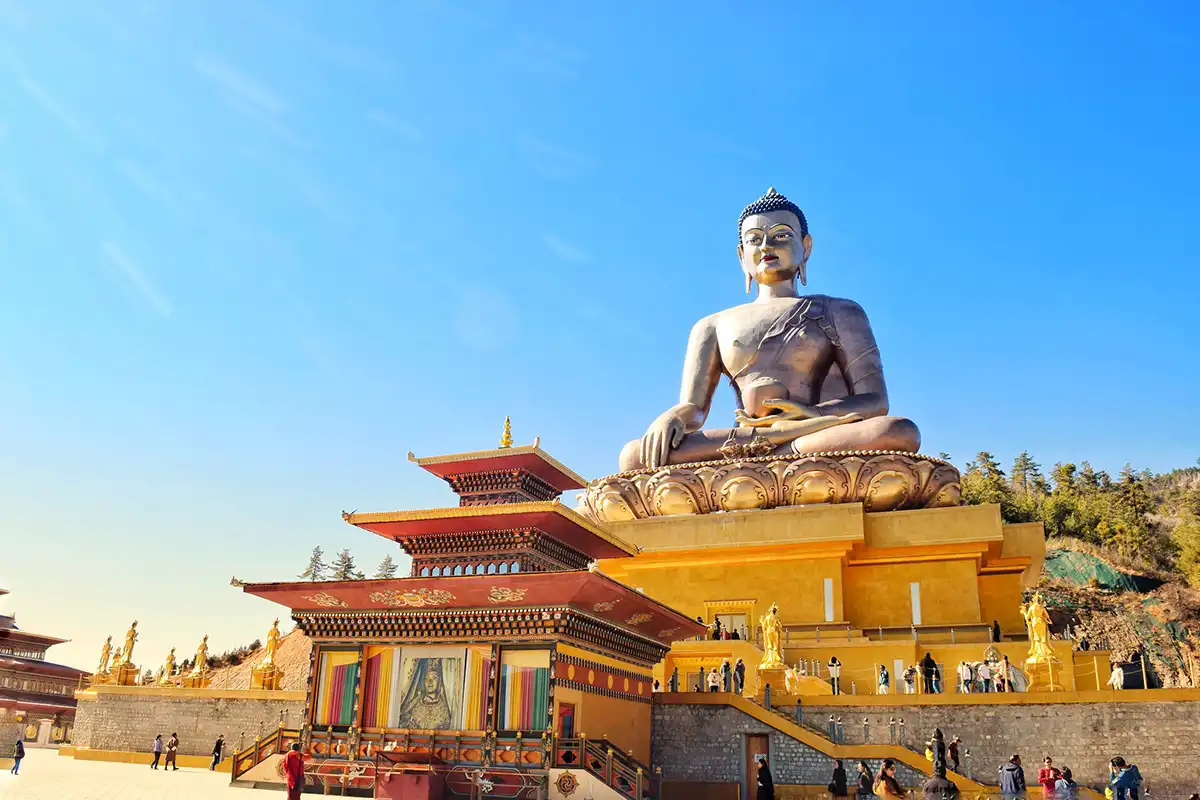
Continue to Buddha Dordenma, the enormous Shakyamuni Buddha statue overlooking Thimphu Valley. The elevated location offers wide views of the capital and surrounding mountains.
Next, visit the Folk Heritage Museum, which introduces traditional Bhutanese lifestyles, agricultural practices, and historical artifacts. Its traditional architecture and recreated household settings provide a glimpse into Bhutan’s past.
After lunch, visit the Textile Museum to learn about Bhutan’s distinctive weaving traditions and the cultural significance of its textiles and patterns.
Continue to the Craft Bazaar, where local artisans display and sell handmade products. The lively atmosphere provides opportunities for street photography and souvenir shopping.
Toward the evening, visit Tashichho Dzong, an important political and religious center housing the King’s throne room and offices as well as the central monk body.
If conditions and energy permit, end the day with night photography around Thimphu, capturing the city lights or the night sky above the valley.
Overnight: Thimphu
After breakfast, depart Thimphu for Paro. The approximately 50-kilometer drive takes around one hour and offers scenic views along the route.
Stop at Simtokha Dzong, one of Bhutan’s oldest fortresses, dating back to 1629. The historic structure is now associated with language and cultural studies and provides a quieter setting for architectural photography.
Upon reaching Paro, visit Rinpung Dzong, also known as Paro Dzong. This impressive fortress is an important administrative and religious center and one of the finest examples of traditional Bhutanese architecture.
Continue to Ta Dzong, originally built as a watchtower and now home to the National Museum. Its distinctive circular design offers interesting photographic perspectives, while its collections provide insight into Bhutanese culture and history.
After lunch, visit Kyichu Lhakhang, one of Bhutan’s oldest and most sacred temples. It is traditionally believed to be one of the 108 temples built by the Tibetan King Songtsen Gampo in the 7th century.
Spend the afternoon exploring Paro town, where colorful shops, traditional houses, and cafés line the main street. This is a good opportunity for street photography and casual interaction with local residents.
Return to the hotel and prepare your equipment for the following day’s hike to Tiger’s Nest.
Overnight: Paro
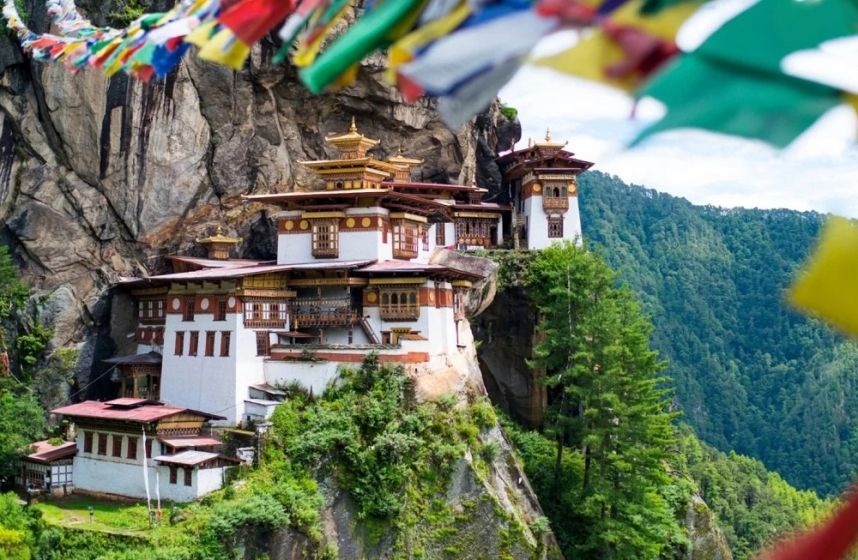
Start early with breakfast before driving to the trailhead of Tiger’s Nest Monastery. An early start helps avoid the busiest periods on the trail and provides opportunities to photograph the landscape in beautiful morning light.
The hike to Tiger’s Nest is challenging but rewarding. The trail winds through pine forests decorated with prayer flags and Spanish moss, with several viewpoints along the way offering increasingly impressive views of the monastery and Paro Valley.
Take time to rest and photograph the changing scenery as you climb. From the viewpoints, the monastery appears dramatically perched on the cliffside, creating some of the most iconic photographic scenes in Bhutan.
After reaching Tiger’s Nest Monastery, explore its sacred shrines and temples. Photography inside the main temples is restricted, but the exterior architecture, surrounding cliffs, and valley views provide plenty of opportunities for photography.
On the way back, stop at the cafeteria located roughly halfway along the trail for a rest and lunch before continuing the descent.
The return hike can be demanding, particularly on the knees, so take your time on the steep sections. Once back at the trailhead, drive to your hotel in Paro and relax after the day’s hike.
In the evening, enjoy dinner and review the photographs captured during the hike.
Overnight: Paro
Enjoy your final morning in Bhutan and take some time to complete your packing. Make sure all personal belongings, photographic equipment, and souvenirs are safely prepared for departure.
After checking out, your guide will advise you on the appropriate departure time based on your flight schedule and accompany you to Paro International Airport.
At the airport, your guide will assist with the final arrangements before you proceed through security and board your flight.
As your Bhutan photography journey comes to an end, take time to reflect on the landscapes, people, architecture, and cultural experiences captured throughout the trip.
| Month | Date | Price | Booking |
|---|---|---|---|
| Oct | 2026-10 | $ 3760 | Book now |
| Nov | 2026-11 | $ 3760 | Book now |
| Dec | 2026-12 | $ 3760 | Book now |
| Jan | 2027-01 | $ 3760 | Book now |
| Feb | 2027-02 | $ 3760 | Book now |
| Mar | 2027-03 | $ 3760 | Book now |
| Apr | 2027-04 | $ 3760 | Book now |
| May | 2027-05 | $ 3760 | Book now |
| Jun | 2027-06 | $ 3760 | Book now |
| Jul | 2027-07 | $ 3760 | Book now |
Due to Bhutan’s unique weather and geographical conditions, flights may be delayed, cancelled, or suspended due to weather conditions. Travelers visiting Bhutan are therefore advised to check the entry or transit visa requirements of their transit countries in advance and obtain any necessary visas, such as a Thailand visa or an eligible visa on arrival.
Special Reminder:
Travelers planning to visit Bhutan must first pay the full tour cost before the travel agency can submit the traveler’s information and proof of payment to the relevant Bhutanese authorities for visa processing. Once the visa application has been completed, travelers must carry a copy of the Bhutan visa or relevant visa documentation arranged by the travel agency when departing, in accordance with airline check-in requirements.
The service period of this tour begins with airport pick-up at Paro International Airport and ends with airport drop-off at Paro International Airport.
1. High Altitude and Special Travel Environment
Bhutan is located on the southern slopes of the Himalayas, with complex terrain and significant differences in elevation — parts of the country sit above 3,000 meters. Because of this varied geography and altitude, climate and temperature can differ considerably from one region to another.
Some of Bhutan’s attractions are spread out, and itineraries may involve long stretches of driving. Overall travel conditions differ from those in countries with highly developed transportation and tourism infrastructure. Bhutan is therefore a somewhat special travel destination, and travelers should be in good physical and mental condition, and be prepared for long drives, varying altitudes, and relatively simple travel conditions.
2. Sun Protection and General Health
Some areas of Bhutan have long hours of sunlight, and UV exposure is especially strong at high altitude. Travelers are advised to bring a hat, sunglasses, long-sleeved clothing, and personal sun protection products, and to stay well hydrated — drinking plenty of water and eating fruit — in order to maintain good physical condition.
3. Respecting Local Religion and Cultural Customs
Bhutan has a distinctive religious culture and set of traditional customs. Please respect local religious beliefs, cultural traditions, and ways of life during your trip. When entering temples, dzongs, and other religious sites, please follow the relevant visiting rules and your guide’s instructions.
Travelers should also comply with Bhutan’s local laws and government regulations, and be mindful of their behavior and conduct in public. Because countries differ in culture, policy, and law — particularly regarding political and religious matters — please remain cautious and respectful of local norms.
4. Tourism Facilities and Service Standards
Bhutan places strong emphasis on preserving traditional culture and the natural environment, and its approach to tourism development differs from that of highly commercialized destinations. Attractions, roads, transportation, hotels, and other tourism infrastructure in some areas are relatively simple, and accommodation and dining options in more remote areas may be limited.
We will do our best to arrange suitable transportation, accommodation, and travel services based on travelers’ needs and actual local conditions, but these cannot be fully compared to standards found in countries or cities with more developed tourism facilities. We ask for your understanding and encourage you to prepare accordingly in advance.
5. Itinerary Adjustments
If weather, natural disasters, road conditions, temporary closures of attractions, transportation changes, government policy, or other unforeseeable factors affect the trip, the travel agency will treat traveler safety as the top priority and make appropriate adjustments to the itinerary, attractions, transportation, or accommodation arrangements as circumstances require.
To cancel a booked trip, you must submit a written cancellation request. Cancellation fees will be calculated based on the date the company actually receives the written cancellation request.
Cancellation fee schedule:
In addition to the cancellation fees above, if the travel agency has already booked or paid for other services on the traveler’s behalf, any cancellation fees charged by the relevant service providers will also be borne by the traveler. These may include bank or payment platform handling fees, airline cancellation fees, cruise cancellation fees, hotel cancellation fees, railway cancellation fees, and fees arising from other third-party service providers, which will be deducted from any refund due.
If the Bhutan visa has been processed via the expedited channel and the traveler cancels the trip after submitting the visa application, the SDF and visa fees already incurred will be handled according to the relevant policy, and the remaining tour fee will be handled according to the cancellation terms above.
Because Bhutan travel involves a visa application, if a traveler is unable to travel for personal reasons, another traveler may not be substituted in their place. This must be processed as a booking cancellation, subject to the cancellation terms above. Please confirm your personal schedule and travel dates carefully before registering.
Refund policy after the trip has begun:
Once travel has begun, if a traveler leaves early, arrives late, misses the originally scheduled travel dates, or voluntarily gives up part of the itinerary for personal reasons, unused services are, in principle, non-refundable. Whether refunds are available for hotels, flights or train tickets, meals, attraction tickets, and other travel services will depend on the relevant service provider’s refund policy and the actual costs incurred.
Some promotional offers may be subject to different cancellation and refund terms; please refer to the specific terms and conditions listed on the relevant promotional page.
Flight ticket cancellation and change policies vary by airline, cabin class, fare type, and ticket conditions. The following is a current reference standard for refunds; the actual refund amount is still subject to final confirmation by the airline.
Business Class
Economy Class
Note: Promotional fares may not be subject to the refund policy above, and tickets purchased at promotional fares may be non-refundable. When calculating the number of days before cancellation, the actual day of travel is not counted. All flight cancellations, changes, and refunds are ultimately subject to the specific terms of the airline and the fare purchased.
Visa documents: Applying for a Bhutan visa generally requires the following:
Actual visa document requirements may be adjusted depending on the traveler’s nationality and Bhutan government visa policy; please follow the latest requirements at the time of application.
Administrative divisions: Bhutan is divided into 4 main regions — Western, Central, Southern, and Eastern. Below the regional level, the country is divided into a total of 20 districts (Dzongkhags).
Language and script: Bhutan’s official language is Dzongkha. English is also widely used in government, education, and tourism. Tibetan, Nepali, and other languages are also spoken in some areas. Bhutan’s traditional script is based on the Tibetan writing system.
Capital: Thimphu is the capital of Bhutan and the country’s main center for politics, administration, and culture.
Climate: Bhutan’s varied terrain and elevation mean climate differs significantly from region to region. In general, March to May and September to November are the most popular travel seasons, with relatively comfortable weather and clearer views in some areas. December to February is winter and the relative off-season, with lower temperatures in some areas — high-altitude regions may drop to or below freezing. June to August is the rainy season, with heavier rainfall in some areas that may affect roads and travel arrangements. Actual temperatures vary by region and altitude; it’s recommended to prepare appropriate clothing based on your specific itinerary before departure.
Peak travel season: March to May and September to November generally offer the most comfortable weather and better mountain visibility, making them the most popular seasons among international travelers.
Religion: Bhutan’s culture is predominantly Buddhist, with Hinduism also holding some influence. Bön, Christianity, and other minority faiths are also present. When visiting temples, dzongs, and other religious sites during your trip, please respect local religious customs and follow the relevant visiting rules.
Voltage: Bhutan generally uses 220V. Travelers are advised to bring a plug adapter suitable for local outlets.
Food: Bhutan’s staple foods include rice, buckwheat, and corn, with red rice being one of the country’s representative traditional foods. Chili peppers and dairy products are very common ingredients in local cuisine. One of Bhutan’s most iconic traditional dishes is Ema Datshi, made primarily from chili peppers and cheese, and it is typically quite spicy. Beef, mutton, and pork dishes are also common. Because Bhutanese Buddhist culture places strong value on non-killing, animal slaughter is not widely practiced locally, and most meat sold in markets is imported from neighboring countries.
If you do not eat spicy food, require a vegetarian diet, or have food allergies or other special dietary needs, please inform us in advance at the time of booking so that suitable meals can be arranged.
Beverages: Common local beverages include black tea, butter tea, rice wine, and beer.
Tobacco and smoking regulations: Bhutan has relatively strict regulations regarding tobacco and smoking. Travelers who need to bring tobacco products into the country must comply with Bhutan’s applicable customs, tax, and legal requirements at the time. Tobacco products may be subject to relevant taxes and quantity restrictions. As policies may change, please confirm the latest entry regulations from the Bhutanese government and customs before departure to avoid unnecessary issues.
Our company will provide travel services in accordance with actual local conditions, government policy, airline regulations, hotel policy, and the terms of relevant service providers. In the event of force majeure, government policy changes, flight changes, attraction closures, road conditions, weather factors, or other circumstances beyond the travel agency’s control, the company will prioritize traveler safety and rights, do its best to assist travelers in handling related matters, and reserves the right to adjust the itinerary and service content according to actual circumstances.
Some promotional products, special-offer itineraries, or special booking plans may be subject to different fee, cancellation, and refund/change terms. Please carefully read the specific terms and conditions listed on the relevant product page before registering.
We will provide the most suitable plan for you based on your needs
Scan the QR code on WhatsApp and contact us anytime