
Many travelers planning their first trip to Tibet often ask:
“When is the best month to visit Tibet?”
“Is autumn the only season worth visiting?”
“Is Tibet too cold in winter?”
“Does it rain every day during summer?”
In fact, there is no single “perfect month” for Tibet.
Tibet is an enormous region with huge differences in altitude, climate, and landscapes. Different areas have completely different ideal travel seasons. Lhasa is suitable for travel throughout the year, Nyingchi is famous for spring peach blossoms and autumn forests, Mount Everest offers the clearest views in autumn and winter, while Ali requires careful planning according to road and weather conditions.
For overseas Chinese travelers, choosing the right time to visit Tibet is not only about the weather. You also need to consider:
- What kind of scenery do you want to see?
- Is this your first time traveling to Tibet?
- How well can you adapt to high altitude?
- Do you prefer fewer tourists or the best scenery?
- Are you planning a short cultural trip around Lhasa or a deep exploration route including Everest and Ali?
Based on years of experience providing Tibet travel services, this guide explains the best travel periods by region and season, helping first-time visitors choose the most suitable time for their Tibet journey.
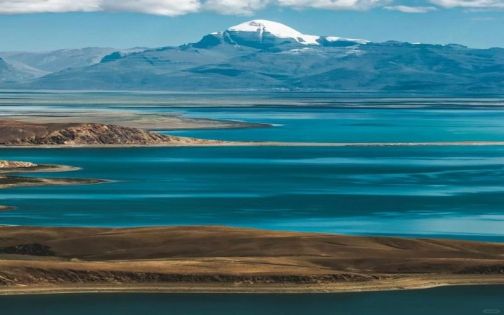
Tibet
Best Travel Months by Different Regions of Tibet
Tibet covers more than 1.2 million square kilometers, and every region has its own ideal travel season.
Lhasa and Shannan: Suitable Throughout the Year
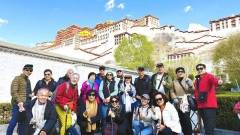
For first-time visitors, Lhasa is usually the starting point of a Tibet trip.
Located at an altitude of around 3,650 meters, Lhasa has relatively complete tourism facilities, including hotels, restaurants, transportation, and medical services.
Recommended attractions include:
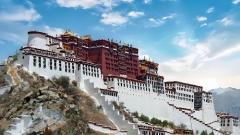
- Potala Palace
- Jokhang Temple
- Barkhor Street
- Norbulingka Palace
- Yamdrok Lake
- Samye Monastery
- Kula Kangri Mountain
The charm of Lhasa comes mainly from its culture and history rather than only natural scenery.
No matter the season, visitors can experience:
- Tibetan Buddhist culture
- Ancient monasteries
- Traditional Tibetan lifestyle
- Bright sunshine and endless blue skies
If you have limited time, a Lhasa + Yamdrok Lake trip can be arranged almost all year round.
Recommended periods:
April-June: Comfortable weather with fewer tourists.
September-October: Stable weather and excellent photography conditions.
November-March: Lower prices, fewer visitors, and a slower travel experience.
Nyingchi: Spring Blossoms and Autumn Forests
Nyingchi is often called the “Jiangnan of Tibet” because of its rich vegetation and relatively lower altitude compared with other Tibetan regions.
It is also one of the most beginner-friendly areas for first-time Tibet travelers.
Best travel periods:
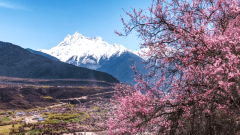
Late March-April: Nyingchi Peach Blossom Season
This is one of Tibet’s most famous spring landscapes.
Snow mountains, rivers, villages, and thousands of peach blossoms create a breathtaking scene.
Recommended locations:
- Gala Peach Blossom Village
- Bomi Peach Blossom Valley
- Milin Peach Blossom Avenue
- Yarlung Tsangpo Grand Canyon
Perfect for:
- Photography lovers
- Couples
- Family travelers
- First-time Tibet visitors
May-June: Alpine Rhododendron Season
After the peach blossoms fade, Nyingchi enters another beautiful season.
High mountain flowers, snow peaks, forests, and lakes create a peaceful natural landscape with fewer tourists.
September-November: Best Autumn Scenery
Autumn is another peak season for Nyingchi.
The Niyang River Valley, Lulang Forest, and areas around Mount Namcha Barwa feature:
- Golden forests
- Snow mountain views
- Clear rivers
- Crystal-blue skies
It is one of the best periods for landscape photography.
Shigatse: Best Region for Mount Everest Views
Shigatse is an essential destination for travelers seeking deeper Tibet experiences.
Major attractions include:
- Mount Everest Base Camp
- Tashilhunpo Monastery
- Shishapangma Peak
- Gyatso La Pass
For Everest views, visibility is the most important factor.
Best period:
September-May
Reasons:
- Less rainfall
- Dry climate
- Clearer atmosphere
- Higher chance of seeing the complete mountain range
Especially around:
October
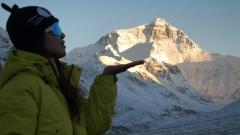
It is considered one of the best months for Everest photography.
Morning sunlight often creates stunning “golden mountain” views, with clear visibility of surrounding peaks.
Although July and August have comfortable temperatures, summer rainfall can bring more clouds and reduce the chance of seeing Mount Everest clearly.
Nagqu: Best in Summer for Grasslands and Lakes
Nagqu is located on the northern Tibetan plateau and has extremely high elevations.
Main attractions:
- Namtso Lake
- Selincuo Lake
- Qiangtang Grassland
Best period:
May-September
During summer:
- Grasslands turn green
- Lakes reach their fullest levels
- Wildlife activity increases
July-August is especially suitable for:
- Grassland scenery
- Tibetan nomadic culture
- Starry skies
- Highland lakes
Winter conditions in Nagqu are extremely harsh:
- Strong winds
- Icy roads
- Limited transportation in some areas
First-time Tibet visitors are generally not recommended to travel deep into northern Tibet during winter.
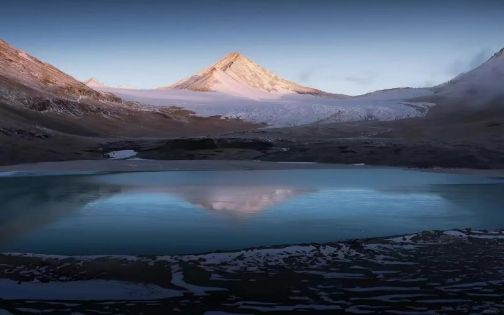
Tibet
Ali Region: Golden Season from May to November
Ali is known as “the roof of the world’s roof.”
It offers some of Tibet’s most spectacular landscapes:
- Lake Manasarovar
- Lake Rakshastal
- Guge Kingdom Ruins
- Zhada Earth Forest
- Mount Kailash
The biggest attraction of Ali is its wilderness, vastness, and dramatic landscapes.
Best period:
May-November
June-September
Road conditions are usually better:
- Lakes are colorful
- Grasslands have more greenery
- Travel comfort is higher
September-October
Many experienced travelers consider this the best period:
- Clear skies
- Sharp mountain views
- Excellent photography conditions
Winter can be beautiful but is more challenging due to snow, strong winds, and difficult road conditions.
Tibet Travel by Season
Spring (March-May): Season of Flowers and Snow Mountains
Spring is one of Tibet’s most unique seasons.
Recommended areas:
- Nyingchi
- Lhasa
- Shannan
Highlights:
🌸 Nyingchi peach blossoms
🏔 Snow mountains surrounded by flowers
☀ Plenty of sunshine
👥 Fewer tourists compared with peak season
The downside:
Some high-altitude lakes may still have frozen areas, and water levels may not be as full as in summer and autumn.
Best for:
Travelers who enjoy photography, nature, and slow-paced journeys.
Summer (June-August): Best Season for Escaping the Heat
Many people think Tibet is extremely hot in summer, but the highland climate is actually very comfortable.
Daytime temperatures are usually around 20°C.
Evenings become noticeably cooler.
Recommended:
- Nyingchi summer trips
- Namtso Lake
- Ali grasslands
- Long-distance Tibet routes
Advantages:
- Green landscapes
- Lush vegetation
- Comfortable temperatures
Disadvantages:
July-August is peak tourist season:
- Hotels become more expensive
- Attractions are busier
- Rain may affect some mountain roads
However, Tibet’s rainy season usually consists of short afternoon showers rather than continuous rainfall, so travel is still possible.
Autumn (September-October): The Most Beautiful Season in Tibet
If many travelers are asked:
“When is Tibet at its most beautiful?”
The answer is often:
Autumn.
Reasons:
- Deep blue skies
- Clear snow mountains
- Colorful forests
- More transparent lakes
Recommended destinations:
- Mount Everest
- Ali
- Nyingchi
- Namtso Lake
- Yamdrok Lake
Late September to early October is especially recommended for first-time visitors.
However, remember:
Many travelers only check Lhasa’s weather and forget that high-altitude areas are much colder.
In autumn:
Lhasa may feel comfortable during the day, but places like Everest, Namtso, and Ali can approach freezing temperatures at night.
Winter (November-March): Best Season for Quiet and Budget Travel
Many people misunderstand winter Tibet travel.
Winter has its own unique beauty:
- Fewer tourists
- Lower accommodation prices
- Cleaner snow mountains
- Incredible night skies
Suitable for:
- Lhasa cultural exploration
- Photography
- Slow travel
Winter highlights:
❄ Namtso blue ice
❄ Snow-covered Mount Kailash
❄ Milky Way photography near Everest
Challenges:
- Low temperatures
- Possible road restrictions
For first-time winter travelers, it is better to focus on:
Lhasa + Shannan + Shigatse
rather than remote routes.
Tibet Peak Season, Shoulder Season, and Low Season
Peak Season: Late March-October
Advantages:
- Best scenery
- Most route options
- Suitable for long-distance travel
Disadvantages:
- More tourists
- Hotels should be booked early
Shoulder Season: June and Mid-October-November
Many experienced travelers prefer this period.
Advantages:
- Stable weather
- Fewer visitors
- Better photography atmosphere
Perfect for travelers who prefer comfort and avoiding crowds.
Low Season: November-March
Advantages:
- Lower prices
- Peaceful atmosphere
- Fewer tourists
Suitable for:
Photography lovers, cultural travelers, and those who enjoy slow journeys.
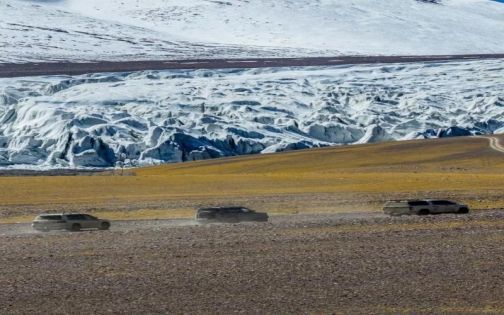
Tibet
Important Tibet Travel Tips for Overseas Chinese Visitors
High Altitude Preparation
Before entering Tibet:
- Get enough sleep
- Avoid alcohol
- Avoid staying up late
- Prevent catching a cold
During the first 48 hours after arriving in Lhasa:
- Walk slowly
- Avoid intense exercise
- Avoid alcohol
- Drink more water
Common adjustment symptoms:
- Mild headache
- Fatigue
- Chest discomfort
These are normal for many visitors.
However, if you experience:
- Difficulty breathing
- Continuous vomiting
- Confusion
Seek medical assistance immediately.
Using oxygen when needed is not embarrassing. Safety should always come first.
Autumn and Winter Clothing Guide
Do not only prepare beautiful outfits for photos.
Tibet travel requires:
Warmth + wind protection + sun protection.
Recommended layering:
Inner layer:
Thermal clothing
Middle layer:
Fleece jacket
Outer layer:
Windproof jacket or down jacket
Essential items:
- Hat
- Gloves
- Thick socks
- Anti-slip shoes
Especially in Everest, Namtso, and Ali, temperatures are much lower than in Lhasa.
Essential Packing List
Documents:
✅ Passport
✅ Required travel documents
✅ Border permit (for certain routes)
Sun protection:
✅ SPF50 sunscreen
✅ Sunglasses
✅ Sun hat
Moisturizing:
✅ Lip balm
✅ Moisturizer
✅ Hydrating mask
Others:
✅ Thermos bottle
✅ Power bank
✅ Basic medicine
✅ Motion sickness medicine
Transportation Options to Tibet
Flying to Tibet
Advantages:
- Fast
- Saves time
Disadvantages:
Arriving directly at high altitude requires careful adaptation.
Recommendation:
Do not schedule a packed itinerary on your first day.
Train to Tibet
Many travelers choose:
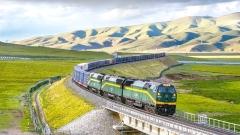
Xining-Lhasa Qinghai-Tibet Railway.
Advantages:
- Gradual altitude increase
- Easier adaptation
- Stunning scenery
Highlights include:
- Hoh Xil
- Kunlun Mountains
- Grasslands and lakes
Suitable for first-time Tibet visitors.
Tibetan Cultural Etiquette
Tibet is not only about landscapes but also a region with deep cultural traditions.
When visiting monasteries:
- Keep quiet
- Do not photograph restricted areas
- Do not step on door thresholds
When walking around religious sites:
- Always walk clockwise
When interacting with local people:
- Ask before taking photos
- Respect local customs
Environmental protection:
- Do not litter
- Do not take away prayer flags, stones, or religious objects
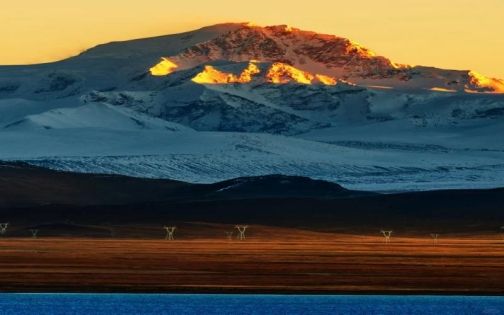
Tibet
Final Summary: What Is the Best Month for Overseas Chinese to Visit Tibet?
For peach blossoms:
➡️ Late March-April: Best for Nyingchi
For comfortable summer travel:
➡️ June-August: Best for long-distance routes
For first-time Tibet visitors:
➡️ September-October: Most recommended
For Mount Everest views:
➡️ September-May
For fewer tourists and better prices:
➡️ November-March
Tibet has different beauty in every season.
Spring brings flowers, summer brings green grasslands, autumn offers golden forests and clear snow mountains, while winter reveals the purest side of the plateau.
The best time to visit Tibet is not simply the month others recommend, but the season that matches your travel style, physical condition, and the scenery you want to experience.
With proper preparation, Tibet is always worth visiting at least once in a lifetime.