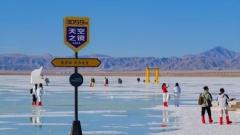

For many travelers, a journey along the Hexi Corridor is a lifelong bucket-list adventure. Stretching over 1,000 kilometers across northwest China, this ancient Silk Road artery holds thousands of years of history, art and civilization. The key to an unforgettable experience lies in choosing the right time to visit, as each season paints the corridor with distinct landscapes—spring blooms, summer grasslands, autumn golden poplars and winter snow-capped peaks. This comprehensive guide breaks down the best travel windows, compares seasonal pros and cons, and shares practical tips to help you experience the Hexi Corridor at its absolute finest.
Choosing the Right Time to Visit the Hexi Corridor Matters
Nestled in the northwest of Gansu Province, the Hexi Corridor stretches from Wushao Ridge in the east to the ancient Yumen Pass in the west, sandwiched between the Qilian Mountains to the south and the Beishan Mountains to the north. It has a typical temperate continental climate, characterized by dramatic temperature swings between day and night, extremely low annual rainfall, dry air and sharply defined seasonal changes.
Picking the perfect travel window affects far more than just the scenery you’ll see—it directly shapes your overall comfort, crowd levels and travel budget. Summer, for example, is peak tourist season when the weather is warm and ideal for outdoor exploration, but massive crowds drive up accommodation and transportation costs by 50% to 100% compared to off-season rates. Winter, on the other hand, offers unbeatable value and empty attractions where you can have entire UNESCO sites almost to yourself, but freezing temperatures may close some remote sites and limit outdoor activities. Matching your travel dates to your specific interests and priorities is the essential first step to planning a seamless and rewarding Hexi Corridor adventure.
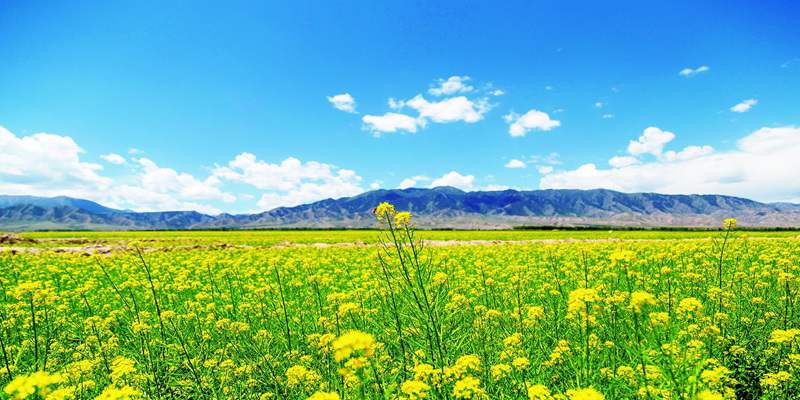
Hexi Corridor Flower Sea Landscape
The Best Time to Visit the Hexi Corridor: A Season-by-Season Breakdown
Spring (March–May): Blooming Flowers and Reviving Landscapes
Spring brings a gentle thaw to the Hexi Corridor, with temperatures climbing steadily from the lingering chill of early March to pleasantly mild conditions by mid-April. By late April, average daytime temperatures range from 10°C to 20°C (50°F to 68°F), creating perfect weather for walking tours and outdoor sightseeing.
The undisputed highlight of spring in the Hexi Corridor is its spectacular floral displays. From April to May, snow-white pear blossoms blanket the orchards of Wuwei, purple lavender and verbena fields stretch to the horizon in Jinchang, and delicate apricot and peach blossoms paint the hillsides of Zhangye in soft pink and white. Jinchang’s famous Purple Gold Sea is a photographer’s paradise, with millions of purple flowers blooming from late April, transforming the arid landscape into a vibrant sea of color that rivals Provence’s lavender fields.
Spring is also one of the best times to visit the Mogao Grottoes, the crown jewel of the Hexi Corridor. With far fewer tourists than summer, you won’t have to wait in hours-long lines and can take your time admiring the intricate murals and ancient sculptures without feeling rushed. Additionally, sandstorms are relatively rare in late spring, and visibility is excellent, making it ideal for exploring outdoor historical sites like Jiayuguan Pass and Yangguan Pass.
Pros:
- Minimal crowds mean shorter wait times and a more immersive experience at all attractions
- Mild, comfortable temperatures perfect for long days of sightseeing
- Accommodation and transportation costs are 30% to 40% lower than peak summer season
- Unique spring flower landscapes that cannot be seen at any other time of year
Cons:
- Large temperature differences between day and night (often 15°C or more) require layered clothing
- Occasional sandstorms in early March can disrupt travel plans
- Some high-altitude grasslands and alpine lakes have not fully thawed by early May
Summer (June–August): Lush Grasslands and Cool Summer Escapes
Summer is traditionally the most popular time to visit the Hexi Corridor, and for good reason. With average daytime temperatures between 20°C and 30°C (68°F to 86°F), it’s a refreshing escape from the sweltering 35°C+ heat that blankets most of eastern and southern China during this time.
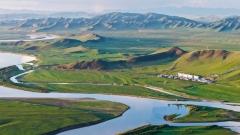
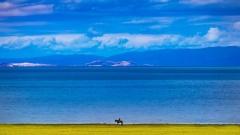
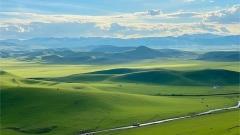
Summer showcases the Hexi Corridor’s most breathtaking natural scenery. Melting snow from the Qilian Mountains feeds countless crystal-clear rivers and lakes, turning the vast grasslands into a lush emerald carpet. You can ride horses across the rolling hills of Shandan Military Horse Farm and witness the awe-inspiring sight of thousands of galloping horses, camp under a sky full of stars at Sangke Grassland, or marvel at the rainbow-colored rock formations of Zhangye Danxia Landform, which glow vividly in the bright summer sun.
Summer also brings a vibrant calendar of cultural festivals and events. The annual Dunhuang Silk Road International Tourism Festival, held every July, features spectacular traditional performances, international art exhibitions and bustling trade fairs, offering a unique opportunity to experience the region’s rich multicultural heritage.
Pros:
- Cool, pleasant weather makes it the perfect summer getaway destination
- Natural landscapes are at their most beautiful, with full rivers and lush green grasslands
- Abundant cultural events and festivals add extra excitement to your trip
- All tourist attractions are fully open and operating at full capacity
Cons:
- Massive crowds mean long lines at popular sites like the Mogao Grottoes (often 2+ hours)
- Accommodation and transportation prices skyrocket during peak season
- Strong UV radiation at high altitudes requires strict sun protection measures
Autumn (September–November): Golden Poplars and Perfect Photography Weather
For seasoned travelers and photography enthusiasts, autumn is the undisputed best time to visit the Hexi Corridor. The weather is crisp and dry, with cloudless blue skies and exceptional visibility—ideal conditions for capturing stunning landscape photos.
The crown jewel of autumn is undoubtedly the golden poplar forests in Ejina Banner. From late September to mid-October, the poplar leaves turn a brilliant, luminous shade of gold, creating a breathtaking contrast against the deep blue sky and stark desert landscape. While Ejina Banner is technically located in Inner Mongolia Autonomous Region, it is an essential stop on every Hexi Corridor itinerary, and almost all travelers include it in their plans.
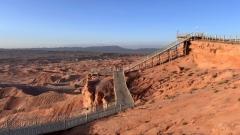
Zhangye Danxia Landform also reaches its peak beauty in autumn. After summer rains, the rock colors become more saturated and vibrant, and the soft, golden autumn light creates dramatic shadows that enhance the landscape’s three-dimensional beauty. Additionally, crowds at the Mogao Grottoes thin out significantly in autumn, allowing for a much more peaceful and contemplative visit.
Pros:
- Clear skies and perfect golden-hour light make it the best season for photography
- The iconic golden poplar forests are at their most spectacular
- Fewer tourists than summer mean better experiences at all major attractions
- Mild daytime temperatures are comfortable for long days of sightseeing
Cons:
- The peak viewing period for poplars is extremely short, lasting only about 20 days
- Prices for accommodation and transportation surge by 200% to 300% during the poplar season
- Temperatures drop rapidly after late October, with freezing nights by early November
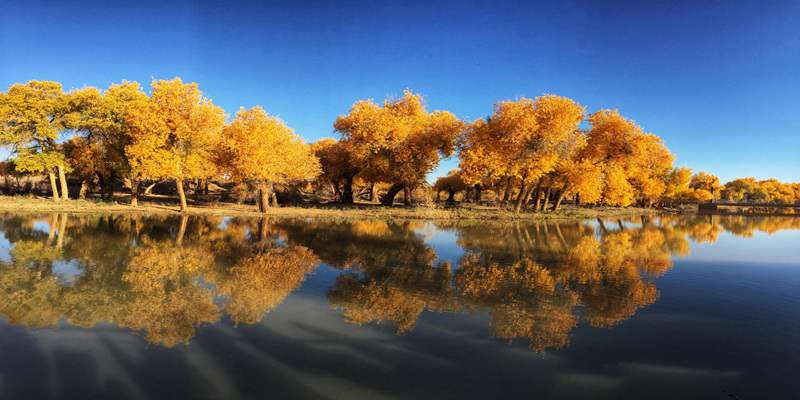
The Golden Poplar Forests in Ejina Banner
Winter (December–February): Snow-Covered Landscapes and Serene Solitude
Winter is the least popular season to visit the Hexi Corridor, but it is also the most underrated. The entire region is blanketed in a thick layer of snow, transforming it into a quiet, magical winter wonderland that few travelers ever get to experience.
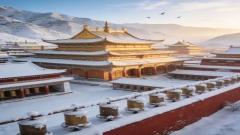
With almost no tourists, you’ll have entire attractions to yourself. Tickets to the Mogao Grottoes don’t require advance booking, and you can visit up to 12 caves—twice as many as in peak season. Zhangye Danxia Landform takes on a surreal appearance in winter, with bright red rocks peeking through pristine white snow, creating a striking color contrast. You can also visit Jiayuguan Pass and experience the timeless beauty of “desert smoke rising straight, long river sun setting round” in the peaceful, snow-covered landscape.
Pros:
- Virtually no crowds mean an incredibly peaceful and exclusive experience
- Accommodation and transportation prices are the lowest of the year (often 70% off peak rates)
- Unique snow-covered landscapes you won’t see in any other season
- Access to more caves at the Mogao Grottoes than in peak season
Cons:
- Extremely cold temperatures, averaging around -10°C (14°F) with lows reaching -20°C (-4°F)
- Some remote attractions may close or have significantly reduced opening hours
- Outdoor activities are limited due to the cold weather and occasional snowstorms
Best Time to Visit for Different Types of Travelers
Photography Enthusiasts
For photography lovers, autumn is hands down the best time to visit the Hexi Corridor, especially from late September to mid-October. The golden poplars, vibrant Zhangye Danxia, clear blue skies and soft golden light create the perfect conditions for capturing award-winning landscape photos. Spring’s flower fields and winter’s snowscapes also offer excellent opportunities for creative photography.
History and Culture Buffs
If you’re interested in history and culture, spring and autumn are the ideal times to visit. With fewer tourists, you can explore the Mogao Grottoes, Jiayuguan Pass, Yangguan Pass and Yumen Pass at a leisurely pace without rushing through crowds. The mild weather also makes it comfortable to spend long days exploring ancient sites and learning about the region’s rich 2,000-year Silk Road history.
Nature Lovers
For nature enthusiasts, summer is the best time to experience the Hexi Corridor’s natural beauty. The Qilian Mountains are covered in lush green grass, rivers and lakes are full of crystal-clear water, and the landscape is alive with wildflowers and wildlife. You can hike, ride horses, camp and enjoy the stunning mountain scenery. Autumn’s golden poplars and winter’s snow-covered mountains are also not to be missed.
Budget Travelers
If you’re traveling on a tight budget, winter is the perfect time to visit. Accommodation and transportation costs are drastically lower than in peak season, and many attractions offer discounted ticket prices starting from just 50 RMB. You’ll also have the unique opportunity to experience the Hexi Corridor without the crowds, making it an incredible value for money. Just be sure to pack warm clothing to stay comfortable in the cold weather.
Family Travelers
For families traveling with children, summer is the best time to visit the Hexi Corridor. Schools are on summer break, making it easy to plan a family trip. The cool weather is perfect for outdoor activities, and kids will love riding horses on the grasslands, camping under the stars and exploring the colorful rock formations of Zhangye Danxia. There are also plenty of cultural activities and festivals to keep the whole family entertained.
Practical Travel Tips for the Hexi Corridor
Packing Guide
The Hexi Corridor has large temperature differences between day and night, so layered clothing is essential year-round. Even in summer, you’ll need a light jacket or sweater for the cool evenings. In spring and autumn, pack a thick coat, sweaters and long pants, while winter requires heavy down jackets, thermal underwear, waterproof boots, hats, gloves and scarves. Additionally, the region has extremely strong UV radiation, so always bring high-SPF sunscreen, polarized sunglasses and a wide-brimmed hat to protect yourself from the sun, no matter what season you visit.
Transportation Guide
The main ways to reach the Hexi Corridor are by plane and train. Dunhuang, Jiayuguan, Zhangye and Wuwei all have airports with direct flights to major cities in China including Beijing, Shanghai, Guangzhou and Xi’an. The Lanzhou-Xinjiang High-Speed Railway runs through the entire Hexi Corridor, connecting Lanzhou, Xining, Zhangye, Jiayuguan and Dunhuang, making train travel fast, comfortable and convenient. Once you’re in the region, you can choose to hire a private car, rent a car or join a small group tour to get around, as public transportation between attractions is limited.
Food Guide
The cuisine of the Hexi Corridor is dominated by hand-pulled noodles and lamb and beef dishes, with a bold, salty and slightly spicy flavor profile. Local specialties include Lanzhou hand-pulled noodles, Wuwei cold noodles, Zhangye sao mian (minced meat noodles), Jiayuguan grilled lamb skewers and Dunhuang donkey meat yellow noodles. The region is extremely dry, so be sure to drink plenty of water throughout your trip and eat lots of fresh fruits to stay hydrated.
Important Notes
- Stay hydrated by drinking at least 2 liters of water per day, as the dry climate can cause dehydration quickly
- Protect yourself from strong UV radiation with sunscreen, sunglasses and a hat
- Dress in layers to adapt to the large temperature differences between day and night
- Respect local religious beliefs and customs, especially when visiting Buddhist sites
- Photography and touching the murals are strictly prohibited inside the Mogao Grottoes
- Many attractions are several hours apart by car, so plan your itinerary carefully in advance
Choose the Right Time, Discover the Magic of the Hexi Corridor
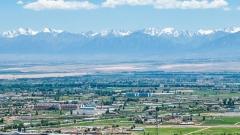
There’s no single “best” time to visit the Hexi Corridor—each season offers its own unique beauty, experiences and advantages. Spring brings blooming flowers along the ancient Silk Road, summer offers lush grasslands and snow-capped mountain views, autumn paints the desert with golden poplars, and winter provides a peaceful, snow-covered escape from the crowds. No matter what you’re looking for in a trip—whether it’s history, nature, photography or budget-friendly travel—there’s a perfect time to visit the Hexi Corridor for you.
If you’re planning a trip to the Hexi Corridor and want to make the most of your time, consider consulting China Dragon Travel. With over 15 years of local experience and a team of expert guides, they can create a fully customized travel plan tailored to your interests, budget and schedule, making your Hexi Corridor journey smooth, enjoyable and truly unforgettable.