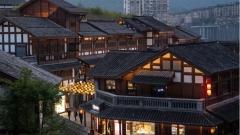

Chongqing has numerous and scattered attractions—how to arrange a reasonable itinerary? If you’re troubled by planning your trip, this list of Chongqing’s top 10 must-visit attractions is for you. We not only list these must-see places but also provide the correct way to experience each, time-saving tips and crucial details to note. Follow this guide to avoid most mistakes tourists make and explore the Mountain City in a smarter way.
1. Hongyadong: Best Viewing Spots & Off-Peak Tips
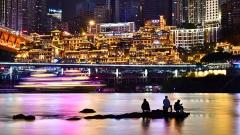
Hongyadong is the most iconic among Chongqing’s top 10 must-visit attractions. Its essence lies in the night lighting, but many tourists have a poor experience due to incorrect methods. Remember: viewing Hongyadong from the outside is far more important than visiting the inside.
Correct Ways to Visit:
– Focus on external viewing: The best spots to take panoramic photos of Hongyadong are not inside the scenic area, but along the riverside near Chongqing Grand Theatre on the opposite bank, or the sidewalk of Qiansimen Bridge. These two locations allow you to fully capture the architectural complex and its reflection in the river. It’s recommended to arrive before sunset to watch the entire process from sunset to lighting-up.
– Quick tour of the interior (if time allows): The inside is a multi-story commercial street selling snacks and souvenirs, which is crowded with people. If you’re short on time, you can skip it entirely.
Important Details to Know:
– Lighting time: Usually from 7 PM to 11 PM, with slight adjustments on holidays.
– Avoid crowds: Evenings (6 PM to 9 PM) on weekends and holidays are absolute peaks, and the roads from Jiefangbei will be extremely crowded. Try to go on weekday nights or after 9 PM.
– Transportation reminder: After viewing the night view, the subway station entrances near Hongyadong may have long queues. You can consider walking a bit further to Xiaoshizi Station to board the subway.
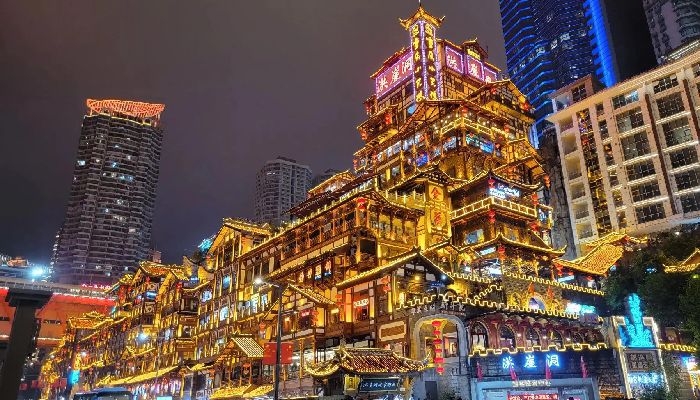
Night View of Hongyadong in Chongqing
2. Yangtze River Cableway: Choose the Right Direction to Save Queuing Time
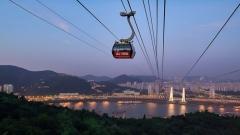
Taking the Yangtze River Cableway is a great way to experience Chongqing’s characteristic transportation, but long queues due to large crowds are common. Choosing the right direction can save you a lot of time.
Correct Ways to Visit:
– Key is the direction: Be sure to take it from “Shangxin Street” Station in Nan’an District to “Xinhua Road” Station in Yuzhong District. Most tourists and tour groups gather at the starting point in Yuzhong District, so the opposite direction has far fewer people. A one-way trip is sufficient for the experience.
– Prepare in advance: Use Alipay or WeChat on your phone to get the boarding code and scan it directly to pass the gate—it’s faster than queuing at the ticket window on site.
Important Details to Know:
– After boarding, quickly stand by the window; the middle seats offer almost no view. If there are few people, the views from both ends of the carriage are better.
– In heavy fog or rainy days, visibility outside the window is very low, which will affect the scenery. You can check the weather before going.

Yangtze River Cableway
3. Ciqikou Ancient Town: Escape the Main Street to Find Traces of Local Life
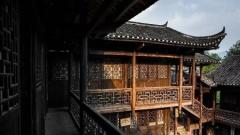
The main street of Ciqikou is now very commercialized and crowded. But if you’re willing to walk along the side paths, you can still feel the charm of old Chongqing.
Correct Ways to Visit:
– Explore alleyways: Leave the main street and turn into branch roads like “Heng Street” or “Jinbi Lane”. It’s quieter here, and you can see old houses and residents resting at their doorsteps.
– Go early, not late: It’s best to arrive before 10 AM, when tour groups haven’t arrived yet, and the ancient town is relatively peaceful and comfortable to wander around.
Important Details to Know:
– The stone roads in the ancient town are sloped and slippery—be sure to wear non-slip shoes. Pulling luggage here will be very strenuous.
– You can try freshly made fried dough twists (mahua). It’s more recommended to find an old teahouse by the river, spend some money on a cup of tea, and experience the local “ear cleaning” service—this is the leisurely way of old Chongqing.
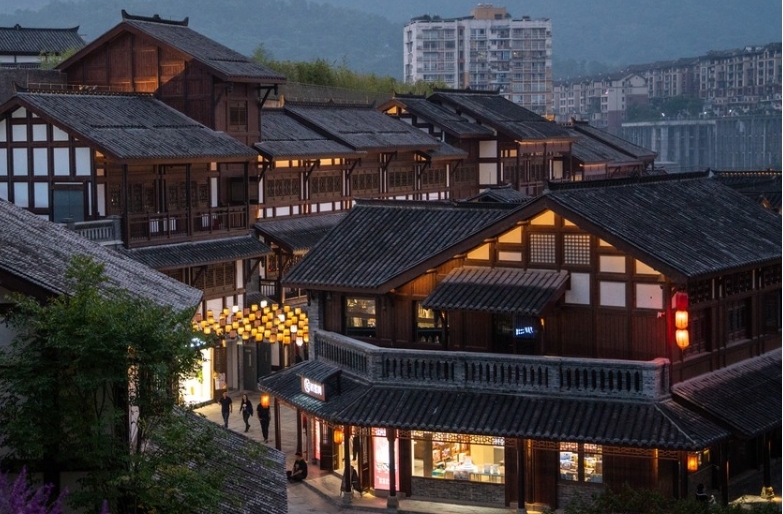
Night view of Ciqikou Ancient Town in Chongqing
4. Wulong Three Natural Bridges: Round-Trip Transportation & Scenic Area Walking Route
Wulong Three Natural Bridges is far from the urban area, featuring magnificent natural scenery, and requires a full day to visit. Arranging round-trip transportation properly is the key to a smooth trip.
Correct Ways to Visit:
– Transportation options:
- Direct coach: Take a coach from Chongqing “Longtousi Tourism Distribution Center” to Wulong Tourist Center. The journey takes about 3 hours, and tickets need to be purchased in advance.
- Train transfer: Take a train from Chongqing North Railway Station to Wulong Railway Station, then transfer to the tourist center. It’s flexible but slightly cumbersome.
- One-day tour group: Join a one-day tour that includes transportation, tickets and a guide—it’s the most worry-free option.
– How to get around the scenic area: Take a shuttle bus from the tourist center to the entrance, take the elevator down to the valley bottom, then walk along the trail to see the three natural stone bridges in sequence, and finally take the shuttle bus back to the tourist center. The entire walk takes about 3 to 4 hours.
Important Details to Know:
– The trails at the valley bottom are damp, with water dripping in some places, and the roads are very slippery. Walk with extra caution, especially after rain.
– It’s recommended to wear hiking shoes and bring a jacket, as the valley bottom is cooler than the upper area. There are not many food options in the scenic area, and they are relatively expensive—bringing your own snacks and water is a good idea.
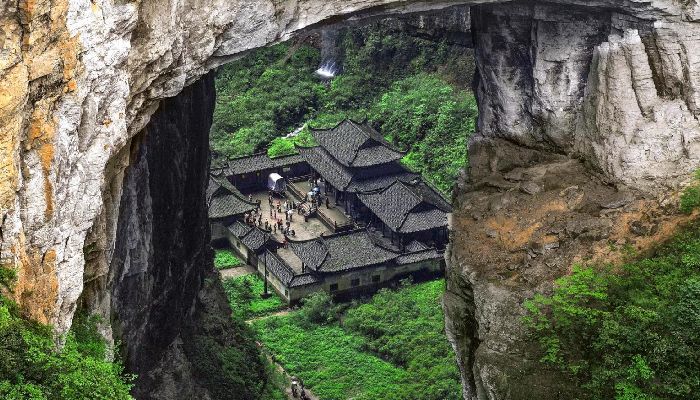
Wulong Three Natural Bridges
5. Liziba Light Rail Station: Photo Check-In & Immersive Riding Experience
Watching the light rail pass through a building is a must-do when visiting Chongqing. Besides taking a photo below, riding it yourself will give you a more profound experience.
Correct Ways to Visit:
– Classic photo spot: Go to the riverside viewing platform below the platform—this is the best angle to take photos of the train entering the building.
– Personal experience: After taking photos, take Line 2 of the rail transit. It’s recommended to stand in the first carriage in the direction the train is traveling. Through the front glass, you can watch the train enter the building like the driver, which feels very amazing.
Important Details to Know:
– There are always many tourists at the viewing platform, but you can always find a gap to take photos by waiting a while. Trains come every few minutes, so no need to rush.
– If you have time, you can walk along the nearby “Three-Layer Road” to experience the feeling of climbing slopes in the Mountain City. There are some small attractions and cafes along the way.
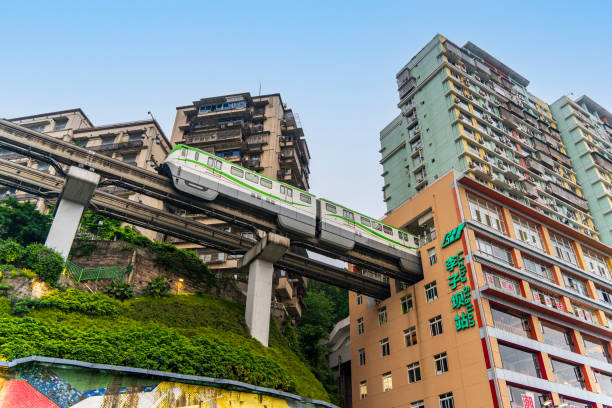
Train going through a building at Liziba Station
6. Nanshan Yikeshu Observation Deck: Enjoy Night View & Downhill Transportation Planning
This is a great place to enjoy the panoramic view and night view of Chongqing, but if you don’t plan for the downhill trip after viewing, it may be very troublesome.
Correct Ways to Visit:
– Time arrangement: It’s best to arrive about 1 hour before sunset, so you can see three different scenes: daytime, sunset and night view in one go.
– Downhill preparation (very important):
- Book a car in advance: Use a ride-hailing app to reserve a car for the end of your visit while you’re viewing the scenery.
- Take the bus: Check the last bus time in advance and take the scenic area bus downhill—it’s the most reliable method.
- Avoid hailing a taxi on site: There are very few taxis after the crowd disperses, and drivers may overcharge or require sharing the ride.
Important Details to Know:
– The observation deck has several floors—the higher you go, the broader the view, but the wind may also be stronger.
– It’s a bit colder on the mountain at night than in the urban area, so bring a jacket for backup.
7. Sichuan Fine Arts Institute (Huangjueping Campus): Graffiti Street Photography & Surrounding Old Store Cuisine
The campus is full of graffiti, making it perfect for taking photos, and there are authentic local foods nearby.
Correct Ways to Visit:
– Photography tips: The graffiti walls are colorful—wearing plain, simple clothes will result in better photos. You can pose to interact with the paintings on the walls.
– Try authentic food: After taking photos, be sure to try the nearby old stores. The tofu pudding rice at Tikang Tofu Pudding and the stewed pork knuckles at Hu’s Pork Knuckle Soup are both cheap and delicious choices.
Important Details to Know:
– You can enter the Sichuan Fine Arts Institute campus to have a look, which has the “Tank Yard Art Center” and some sculptures, but please keep quiet.
– The graffiti street covers a large area. If you’re short on time, focus on taking photos near the main gate of the art institute and around Jiaotong Teahouse.
8. Jiefangbei Pedestrian Street: Core Landmark Check-In & Food Hub
Jiefangbei is the center of Chongqing, with convenient transportation and a wide variety of food. It’s very suitable to use it as a travel hub.
Correct Ways to Visit:
– Efficient route: Take photos at Jiefangbei → Walk to Bayi Road Food Street nearby for meals (hot and sour noodles, small glutinous rice balls are very famous) → Then walk to Hongyadong or Yangtze River Cableway (Xinhua Road Station) —they are all very close.
– Transportation advantage: It’s a transfer station for Metro Lines 1, 2 and 6. Staying nearby or starting from here every day is very convenient.
Important Details to Know:
– Bayi Road Food Street is crowded—please keep an eye on your personal belongings. There are many snack shops, so you can compare before buying.
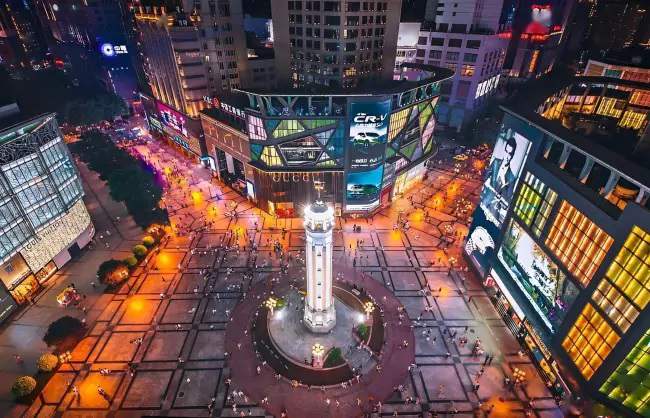
Chongqing Jiefangbei
9. Bai Mansion & Zhazidong: Notes for Visiting Historical Sites
These two are historical relics, and visiting them is to learn about a past era. Keep solemn and do some homework in advance to get more out of the visit.
Correct Ways to Visit:
– Learn in advance: Briefly understand the relevant historical background before going, and you will feel more touched when visiting.
– Keep quiet: Please keep quiet during the visit. Rent an audio guide or follow the on-site interpreters to learn more details.
Important Details to Know:
– The two places are not far apart and are generally visited together. There are shuttle buses between them, or you can walk.
– You need to walk some roads and steps inside, so wear a pair of comfortable walking shoes.
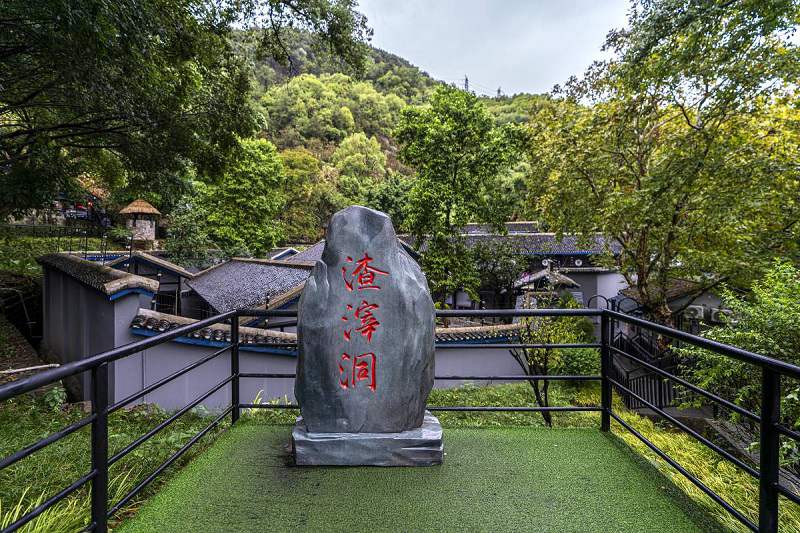
Zhazidong
10. Chongqing Mountain City No.3 Trail: Hiking Route Entrance & Safety Reminders
This is a trail that allows you to experience the style of old Chongqing and intuitively feel the topographical characteristics of the Mountain City.
Correct Ways to Visit:
– Where to enter: The most convenient entrance is on Zhongxing Road. The trail goes up and down—walk according to your physical strength, and you don’t need to finish the entire route.
– Safety first: Some sections of the trail are narrow and slippery, and the guardrails are not high in some places. You must wear non-slip shoes and walk during the day with companions. Never go there on rainy days.
Important Details to Know:
– There is a section of suspended plank road in the middle of the trail, which offers a great view of the river and is suitable for taking photos.
– You will pass through some old residential areas—please keep quiet when passing by.
Practical Tips for Traveling to Chongqing
Remember the following simple tips to make your Chongqing trip much smoother.
- About navigation: In Chongqing, the short distance shown on map apps may be “deceptive”—in reality, you may need to climb many stairs. When asking for directions, if locals say “it’s very close”, it’s best to ask how long it will take to walk and if there are any steep slopes.
- About transportation: Metro and light rail are the most reliable and non-congested options. When taking a taxi or ride-hailing car, be sure to tell the driver which floor you are on, because you may be on different floors of the same building (for example, you are on the 1st floor, but his location is on the 11th floor).
- About eating spicy food: If you can’t eat spicy food, be sure to clearly say when ordering: “I want mild spicy; I’m from out of town and can’t eat too spicy food.” Restaurants will usually adjust the spiciness accordingly. You can start with a yuanyang hot pot (split pot with spicy and non-spicy broth) when trying hot pot.
- About itinerary: Arrange visits by area. For example, visit Hongyadong, Jiefangbei and Yangtze River Cableway (Xinhua Road Station) on the same day; visit Ciqikou and Sichuan Fine Arts Institute Graffiti Street on another day. This can reduce travel time back and forth and save more energy.
Plan Your Chongqing Itinerary Smartly and Make Every Day Count
Chongqing is a vertically built city with attractions spread across hills, rivers and multiple levels. Without careful planning, travelers often lose valuable time navigating steep slopes, complicated transfers and long queues. By grouping attractions by area, visiting popular sights at the right time of day, and relying on the metro and light rail system, you can significantly reduce physical fatigue and travel stress while improving overall efficiency.
In practice, major landmarks such as Jiefangbei, Hongyadong and the Yangtze River Cableway work best on the same day, while cultural areas like Ciqikou and the Sichuan Fine Arts Institute can be explored together at a slower pace. For destinations outside the city center, such as Wulong’s Three Natural Bridges, setting aside a full day helps avoid rushed schedules and unnecessary backtracking. Equally important is understanding Chongqing’s unique urban layout — map distances can be misleading, pick-up points may be on different floors, and night-view spots often require advance planning for the return journey. When these details are handled in advance, you can focus less on logistics and more on enjoying the skyline, local food and everyday life of the mountain city, turning your Chongqing trip into a truly rewarding experience.