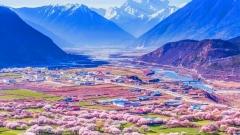

Tibet is a mesmerizing travel destination with unique plateau landscapes, profound Tibetan Buddhism culture and simple folk customs, attracting countless foreign tourists. However, due to Tibet’s special policies, high-altitude environment and local traditions, foreign travelers easily encounter troubles. Many run into pitfalls in documents, transportation, accommodation, scenic spots and consumption due to lack of local knowledge, ruining their experience, disrupting itineraries and causing losses. This guide sorts out common pitfalls for foreigners in Tibet, offering practical tips to help avoid troubles for a safe, smooth journey.
Most Common Pitfalls in Documentation and Entry Procedures
Mistakenly believing a Chinese visa allows free entry to Tibet
Many foreign travelers assume that a valid Chinese visa and passport are enough to travel to Tibet freely, which is a major misunderstanding:
- Tibet implements special entry management policies for foreign tourists, who are not permitted to travel independently — this is the most critical and common pitfall.
- Booking flights, train tickets or accommodation to Tibet on your own will result in being denied boarding or entry at airports, railway stations and border checkpoints.
- Foreign visitors must go through qualified local Tibetan travel agencies to complete dedicated entry procedures for legal access to Tibet.
Failing to obtain the Tibet Entry Letter or using unqualified agencies
The Tibet Entry Letter is an essential mandatory document for foreign visitors. Key pitfalls and reminders are as follows:
- Without this letter, travelers cannot book transportation tickets or pass checkpoints, directly ruining travel plans.
- Common mistakes: Unaware of the need for a separate Tibet Entry Letter, or entrusting unlicensed agencies to apply for it, risking fake approvals or application rejections.
- Official application rule: Only designated official Tibetan travel agencies can submit applications to local tourism authorities; individual applications are not accepted.
- Timeline requirement: Submit passport, visa and travel itinerary at least 30 days in advance.
Confusing document requirements for Hong Kong, Macao and foreign nationals
- Hong Kong andMacao residents: Holding a valid Mainland Travel Permit, they may enter Tibet independently with no need for a Tibet Entry Letter.
- Foreign nationals (including overseas Chinese with foreign passports): Regardless of ethnic background, they must follow foreign tourist regulations to apply for the entry letter and join group or customized tours.
- Prohibited behavior: Do not join self-guided tours with mainland tourists, as this will result in entry denial.
Neglecting border permits for remote border areas
- Border zone coverage: Everest Base Camp, Ngari Prefecture, parts of Namtso Lake and other areas fall under border control.
- Additional document requirement: Besides the Tibet Entry Letter, a separate Border Pass is mandatory, which can only be processed collectively by authorized travel agencies (individual applications are unavailable).
- Common pitfall: Only applying for the Tibet Entry Letter without arranging the Border Pass in advance, only to be denied entry at scenic spots and miss out on visits.
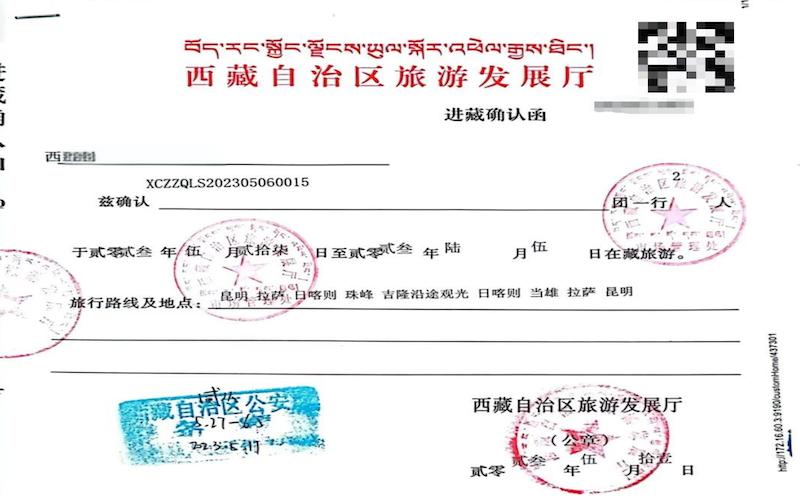
Tibet Travel Permit
Common Pitfalls of Altitude Sickness and Health Safety
Assuming good physical fitness prevents altitude sickness
- Core misunderstanding: Altitude sickness has no direct connection with physical strength; it depends on the body’s ability to adapt to high elevation.
- Lhasa sits at around 3,650 meters above sea level. The body needs time to acclimatize, and strenuous activities are strictly forbidden upon arrival.
- Risky behaviors: Taking a shower, jogging or drinking alcohol immediately after arriving in Tibet easily trigger severe altitude reactions such as headaches, nausea and insomnia.
Over-relying on Rhodiola and other anti-altitude sickness medications
- Fact correction online: The effects of Rhodiola and similar anti-altitude sickness products vary per person and cannot completely prevent altitude sickness.
- Pitfall: Over-depending on medications while ignoring scientific acclimatization methods increases the risk of physical discomfort.
- Effective prevention andrelief: Replenish glucose appropriately, rest well and reduce physical activity after arriving in Tibet — these are the most effective measures.
Taking a shower or washing hair immediately upon arrival
- Hidden risks: Tibet features dry weather and large temperature differences between day and night. Showering dilates capillaries, making travelers vulnerable to colds and increasing oxygen consumption.
- Severe consequences: It greatly heightens the risk of altitude sickness, and may even trigger life-threatening conditions such as high-altitude pulmonary edema.
- Practical advice: Avoid bathing for the first two days after arrival; wait until your body gradually adapts to the altitude before personal hygiene routines.
Ignoring plateau medical knowledge and emergency measures
- Common pitfall: Toughing out mild altitude symptoms without timely oxygen intake or medical treatment, leading to worsening conditions.
- Medical resources: Professional plateau medical institutions across Tibet provide specialized altitude sickness treatment services.
- Emergency guidelines: Mild symptoms can be relieved by oxygen inhalation and rest. Seek immediate help from tour guides or medical treatment for persistent severe headaches, breathing difficulties or continuous vomiting — never delay.
Pitfalls in Scenic Spot Visits and Ticket Booking
Visiting Potala Palace without prior reservation
- Reservation rule: The Potala Palace implements a strict real-name reservation system. Tickets sell out quickly in peak seasons, and no entry is allowed without a reservation.
- Common pitfall: Showing up directly without understanding reservation rules, only to find no available tickets and waste travel time and plans.
- Correct procedure: Book tickets in advance via official channels, and complete admission procedures with reservation information, Tibet Entry Letter and passport.
Unfamiliar with visiting rules for Jokhang Temple and Barkhor Street
- Jokhang Temple: Advance reservation is required; walk-in visitors will be denied entry, so plan reservations ahead of time.
- Barkhor Street etiquette: Walk clockwise following pilgrims’ routes (never go against the flow). Do not photograph local residents or religious rituals without permission to avoid misunderstandings.
- Core principle: Barkhor Street is a vital religious venue; respect local traditions and beliefs at all times.
Unregulated photography charges at scenic spots
- Common scenario: At attractions such as Yamdrok Lake and Namtso Lake, local residents offer photo opportunities with yaks and Tibetan mastiffs.
- Pitfall: Taking photos without confirming prices first, then being overcharged afterward and falling into consumption disputes.
- Avoidance tip: Always confirm charging standards clearly before taking photos with animals or local featured installations to prevent arbitrary price hikes.
Blindly visiting unopened or temporarily closed scenic spots
- Scenic spot status: Some Tibetan attractions close temporarily due to weather, ecological protection or policy adjustments (e.g., Holy Elephant Mountain), with unstable opening schedules.
- Common pitfall: Planning itineraries based on outdated online information, only to find the scenic spot closed after a long journey, wasting time and transportation costs.
- Avoidance method: Confirm the latest opening status of all attractions with tour guides or travel agencies before departure.
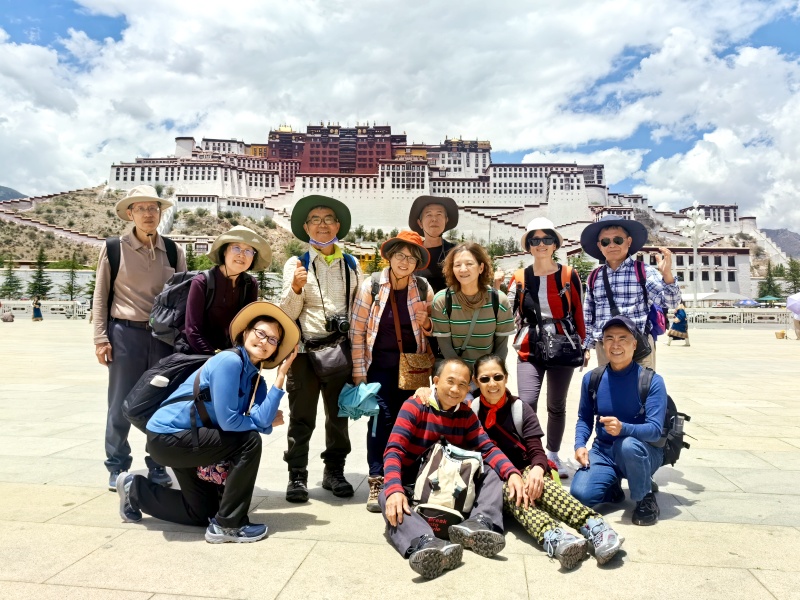
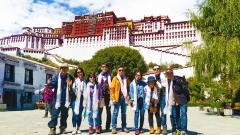
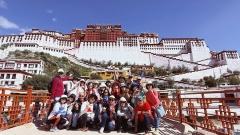
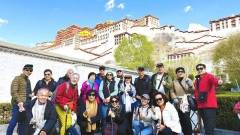
Tourists at the Potala Palace in Lhasa
Common Pitfalls in Transportation and Accommodation
Renting private cars or joining carpool groups in violation of regulations
- Clear regulation: Foreign tourists are not allowed to rent, drive private vehicles or join random carpools while in Tibet.
- Official arrangement: Travelers must use designated vehicles and drivers arranged by authorized travel agencies to ensure full compliance with local regulations.
- Penalties for violations: Booking private cars online or joining temporary carpools may result in trip suspension and official penalties if inspected.
Choosing high-altitude accommodation ignoring physical tolerance
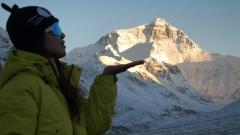
- High-altitude accommodation risks: Areas near Namtso Lake shore and Everest Base Camp exceed 4,700 meters above sea level, with basic lodging conditions and extremely thin oxygen.
- Common pitfall: Choosing to stay overnight for stargazing or sunrise viewing, which easily triggers severe altitude sickness and even endangers personal safety.
- Practical suggestion: Avoid overnight stays in such high-altitude regions; return to lower-altitude urban areas like Lhasa for accommodation on the same day for safety and comfort.
Failing to book accommodation in advance during peak seasons
- Peak travel season: Tibet’s tourist peak runs from June to August, with extremely limited hotel room availability.
- Accommodation rule for foreigners: Foreign tourists can only stay at designated hotels booked by travel agencies; random accommodation changes are not permitted.
- Consequences: Failing to arrange lodging via travel agencies in advance may lead to no compliant accommodation available or exorbitant hotel prices, disrupting travel plans.
Unreasonable travel route planning wasting time
- Regional feature: Scenic spots in Tibet are widely scattered with complex road conditions and multiple checkpoints, resulting in long travel times.
- Common pitfall: Planning routes independently without accounting for driving time and checkpoint procedures, leading to excessive daily travel time with little energy left for sightseeing.
- Practical suggestion: Let local travel agencies familiar with road conditions design itineraries, balancing travel efficiency and sightseeing experience to avoid wasting time on long drives.
Shopping, Dining and Consumption Pitfalls
Being overcharged for luxury ornaments on Barkhor Street
- Market status: Many souvenir shops on Barkhor Street overprice goods targeted at foreign tourists, with chaotic pricing for dzi beads, Tibetan ornaments and amber products.
- Common pitfall: Paying premium prices for ordinary handicrafts due to lack of market knowledge, causing unnecessary financial losses.
- Avoidance tip: Be cautious when buying high-value items; opt for official shopping malls or reputable merchants recommended by travel agencies.
Buying counterfeit yak meat jerky specialties
- Counterfeit phenomenon: Street vendors often sell jerky made from pork or other meats disguised as yak meat jerky at low prices with no quality guarantees.
- Hidden risks: Consuming fake yak meat jerky may cause gastrointestinal discomfort and ruin the travel experience.
- Purchase advice: Buy specialties from official local supermarkets and brand stores; avoid street vendor purchases.
Unfamiliar with Tibetan food dishes and pricing
- Taste differences: Tibetan cuisine differs greatly from Western food in ingredients and flavors; random ordering often leads to unpalatable meals and food waste.
- Pricing hidden risks: Some restaurants have opaque pricing for foreign tourists, resulting in hidden charges when settling bills.
- Ordering tips: Confirm dish details, prices and portion sizes before ordering. Try popular Tibetan foods such as sweet tea and Tibetan noodles first to avoid bad dining experiences.
Joining optional tours without confirming service fees
- Popular optional activities: Horse riding, Tibetan costume photography and folk cultural experiences are commonly recommended by tour groups.
- Pitfall: Failing to confirm charging standards and service inclusions in advance may lead to forced consumption or arbitrary price increases.
- Avoidance method: Confirm all fees clearly with tour guides before joining optional activities and get clear written agreements to prevent consumption disputes.
Cultural Etiquette and Local Custom Misunderstandings
Random photography of religious venues and local residents
- Religious venue rules: Photography and video recording are mostly prohibited inside Tibetan Buddhist temples; taking photos without staff permission violates temple regulations.
- Privacy respect: Photographing local residents and pilgrims without consent infringes personal privacy and easily causes dissatisfaction and conflicts.
- Core principle: Always ask for permission before photography; respect local religious beliefs and folk customs.
Inappropriate clothing at religious sites
- Temple dress code: Entry to iconic sites such as the Potala Palace and Jokhang Temple is denied for visitors wearing overly revealing clothes like tank tops, shorts and mini-skirts.
- Etiquette principle: Temples are sacred religious sites; dress neatly with shoulders and knees covered as basic respect for local beliefs.
Disrespecting local taboos and religious artifacts
- Common folk taboos: Do not casually touch locals’ heads, step over prayer flags or religious ritual instruments, or speak loudly inside temples.
- Consequences: Unintentionally violating these taboos due to ignorance offends local residents and spoils the travel experience.
- Avoidance suggestion: Learn about local folk taboos in advance and abide by them strictly to integrate harmoniously into local life.
Discussing sensitive topics casually
- Sensitive topics: Avoid casual discussions involving politics and religion related to Tibet.
- Communication principle: Maintain respect and friendliness when interacting with local residents and tour guides, and abide by local laws and regulations.
- Core advice: Focus on appreciating Tibet’s natural scenery and cultural experiences to ensure a hassle-free trip.
Itinerary Planning and Travel Agency Selection Tips
Choosing unqualified travel agencies with unreliable services
- Common pitfall: Opting for overly cheap, unlicensed travel agencies to save money, which cannot legally process the Tibet Entry Letter.
- Service risks: Such agencies may cut down scenic spot visits, change hotels arbitrarily or force shopping activities, with no liability for subsequent problems.
- Selection criteria: Confirm travel agencies hold official qualifications to receive foreign tourists; prioritize reputable, standardized local Tibetan travel agencies, such as China Dragon Travel.
Overly tight itineraries ignoring high-altitude acclimatization
- Common misunderstanding: Requesting packed schedules to visit more attractions at once, ignoring the physical impact of the high-altitude environment.
- Negative impacts: Non-stop daily travel leaves no time for altitude adaptation, burdening the body and preventing full enjoyment of scenic spots.
- Reasonable planning: Travel at a slow pace on the plateau; reserve sufficient rest and acclimatization time in itineraries to improve travel comfort and quality.
Failing to inform travel agencies of special needs
- Applicable groups: Vegetarians, travelers with dietary restrictions or special health conditions must state their needs in advance.
- Pitfall: Unspecified special needs may lead to unsuitable meals and inappropriate itinerary arrangements, ruining the travel experience.
- Recommended practice: Inform travel agencies of dietary habits, health conditions and special requirements before departure for customized arrangements.
Neglecting emergency plans and contact information
- Regional feature: Tibet has a sparse population with poor network and mobile signal coverage in remote areas, requiring prior emergency preparation.
- Common pitfall: Not saving contact numbers for tour guides, travel agencies and local emergency services, leaving no way to ask for help during unexpected situations.
- Emergency preparation: Record emergency contacts before departure; carry physical and digital copies of identity documents. Contact tour guides immediately in case of emergencies and never act alone.
A Better Tibet Trip Starts With Avoiding These Common Mistakes
Tibet is not the kind of destination where travelers can simply book a flight at the last minute and expect everything to work smoothly. The region’s unique permit system, high-altitude environment, remote geography, and strong religious traditions make careful planning extremely important, especially for foreign visitors. Many travel problems in Tibet are not caused by the destination itself, but by outdated information, unrealistic itineraries, or misunderstanding local regulations before arrival.
A well-organized Tibet journey should leave travelers focusing on the Himalayas, monasteries, sacred lakes, and Tibetan culture — not worrying about permits, transportation, altitude sickness, or unexpected restrictions. That is why many international travelers prefer working with experienced local Tibet travel agencies that understand both official travel policies and the practical realities of high-altitude travel.
As a professional local Tibet travel agency serving international travelers for years, China Dragon Travel can help arrange Tibet permits, border documents, hotels, transportation, local Tibetan guides, and customized itineraries designed specifically for foreign visitors. Proper planning before entering Tibet often makes the difference between a stressful trip and a truly unforgettable Himalayan experience.