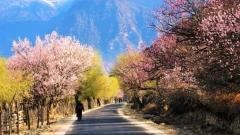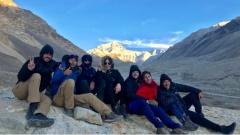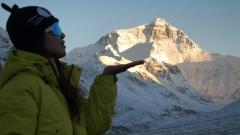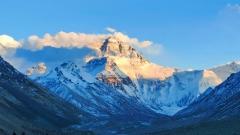

Tibet in September sheds summer humidity without winter’s severe cold, making it one of the year’s best travel seasons. The sun is mild, the sky clear, grasslands shift from emerald to gold, and highland barley fields brim with harvest joy. Scattered Tibetan villages and towering snow-capped mountains form a stunning Tibetan landscape. Better still, September lies between off and peak seasons, with fewer tourists. No queues at popular spots let you leisurely savor Tibet’s sacred grandeur. Whether you crave the Potala Palace’s solemnity, Namtso Lake’s clarity, or Northern Tibetan Grasslands’ local customs, this September guide offers full practical tips for a smooth, fulfilling trip.
Climate and Clothing Guide for Traveling in Tibet in September
- Climate Characteristics: Tibet is generally dry in September with extremely large temperature differences between day and night. The average temperature ranges from 5℃ to 18℃, and the night temperature in some high-altitude areas may drop below 0℃. The sun is abundant during the day with strong ultraviolet radiation, while the nights are cool, which can be described as “four seasons in a day, different scenes every ten miles”.
- Clothing Recommendations: Follow the principle of layering clothing for easy adjustment at any time. For the upper body, wear a breathable and sweat-wicking quick-drying shirt inside, a thin sweater or fleece jacket in the middle, and a windproof and waterproof jacket on the outside. For the lower body, wear thick casual pants or outdoor sports pants, paired with long socks and comfortable outdoor shoes. Essential sun protection products include wide-brimmed hats, sunglasses, sunscreen with SPF50+ or higher, scarves or veils. Scarves also serve a warming function.
- Clothing Taboos: When visiting temples, dress appropriately. Avoid shorts, short skirts and off-the-shoulder tops to respect local religious customs.
Must-Visit Attractions for Traveling in Tibet in September
In September, many attractions in Tibet usher in their best viewing period. Attractions in different regions present unique golden autumn scenery. Both cultural and natural landscapes can bring you a strong visual shock.
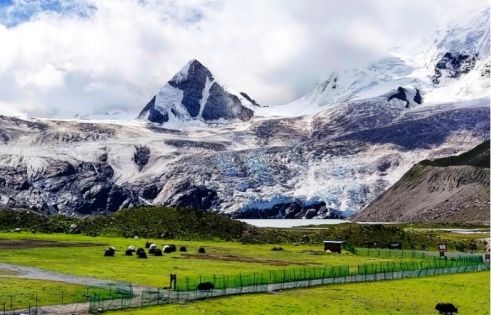
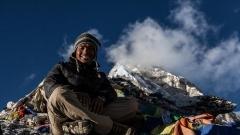
Sarpo Sacred Mountain
Attractions in Lhasa: Experience the Solemnity and Depth of the Holy City
- Potala Palace: The highest palace complex in the world above sea level. It looks even more solemn and sacred under the golden autumn sun. It is recommended to book tickets online three days in advance and follow a guide to listen to explanations to deeply understand its historical, cultural and religious stories.
- Norbulingka Park: Adjacent to the Potala Palace, the lake surface is calm in September, making it an excellent place to take panoramic photos of the Potala Palace. In the evening, you can watch the lively scene of local residents dancing the Guozhuang dance.
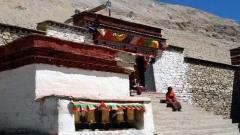
- Jokhang Temple: Located in the center of Lhasa’s old town, the 12-year-old statue of Sakyamuni enshrined in the temple is of great sacred significance. Visiting in September allows you to avoid the summer crowds and clearly appreciate the murals, sculptures and other cultural relics in the temple.
- Barkhor Street: Surrounding the Jokhang Temple, it is full of Tibetan restaurants and handicraft stores, with pilgrims turning prayer wheels everywhere. You can follow the pilgrims to turn the prayer wheels, experience religious customs, and buy special souvenirs.
Classic Surrounding Routes: Encounter the Limited Golden Autumn Scenery
- Nyingchi Area: September ushered in golden autumn. The poplars on both sides of the Nyang River gradually turn yellow, and the river water is clear and blue, forming a picturesque scene with the golden poplars, green mountains and snow-capped mountains.
- Yarlung Zangbo Grand Canyon: The number of rains decreases in September, ushering in the best viewing period. You can clearly see the full view of Mount Namjagbarwa. The mountain stands above the clouds, and the golden fields and winding river channels at the foot form a magnificent landscape.
- Namtso Lake: One of the three holy lakes in Tibet. The lake surface has not yet frozen in September, and the lake water is deep blue. The grassland by the lake is covered with a golden carpet, forming a stunning picture with the snow-capped mountains of the Nyainqentanglha Range. The altitude is about 4718 meters, and the night temperature is extremely low. It is recommended to make a day trip or stay in a regular homestay, and take good measures to keep warm and prevent altitude sickness.
Deep in the Northern Tibetan Grasslands: Experience Primitive Tibetan Customs
- Scenery and Atmosphere: In September, the grasslands are full of fat cattle and sheep, and the Tibetan people usher in the harvest season, filled with the joy of harvest. The lakes deep in the grasslands are clear and undisturbed, allowing you to quietly feel the sacredness and tranquility of Tibet.
- Experience Activities: Walk into the Northern Tibetan pastures, visit local herdsmen’s yurts, and taste fresh butter tea, milk dregs and hand-grasped meat. Experience daily activities of herdsmen such as milking cows and churning butter to feel the real Tibetan life.
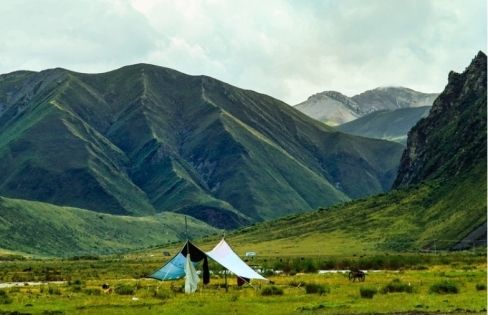
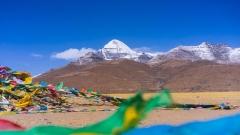
Buja Glacier
Tibet Travel Itinerary Planning for September: Choose According to Different Durations
According to different travel durations, you can plan corresponding Tibet travel itineraries for September, which can not only ensure the completeness of the tour but also avoid physical discomfort caused by an overly tight schedule. The following are several common itinerary planning schemes for your reference.
3-4 Day Condensed Itinerary: Quick Tour of Lhasa’s Core Scenery
- Day 1: Arrive in Lhasa, rest on the spot to adapt to the plateau environment. You can wander around Lhasa’s old town and taste local specialty food.
- Day 2: Visit the Potala Palace and Norbulingka Park. Tour the Potala Palace in the morning, and relax and take panoramic photos of the Potala Palace in the park in the afternoon.
- Day 3: Visit the Jokhang Temple and Barkhor Street to deeply understand Tibet’s religious culture and feel the local lifestyle.
- Day 4: You can choose to go to Drepung Monastery or Sera Monastery to visit the monastery buildings and watch the debate ceremony, then return to the urban area in the evening to end the trip.
7-8 Day In-Depth Itinerary: Enjoy Lhasa and Surrounding Essence Attractions
- Days 1-4: Tour the core attractions of Lhasa according to the 3-4 day condensed itinerary to adapt to the plateau environment.
- Day 5: Depart from Lhasa to Nyingchi, enjoy the golden autumn scenery of the Nyang River along the way, and visit the Kadin Gorge Scenic Area after arrival to feel the landscape of southeastern Tibet.
- Day 6: Visit the Yarlung Zangbo Grand Canyon to get a close-up view of Mount Namjagbarwa; in the afternoon, go to the Lulang Forest Sea to experience the scenery of “Little Switzerland in Tibet”.
- Day 7: Return from Nyingchi to Lhasa, and visit Basumtso Holy Lake on the way to feel the clear lake water and the surrounding natural scenery.
- Day 8: Go to Namtso Lake, tour the scenic area all day to enjoy the stunning combination of the golden autumn holy lake and the snow-capped mountains of the Nyainqentanglha Range, then return to Lhasa in the evening.
10+ Day Panoramic Itinerary: Go Deep into Tibet to Feel Diverse Customs
- Itinerary Basis: On the basis of the 7-8 day in-depth itinerary, add routes such as the Northern Tibetan Grasslands and Shigatse to deeply feel the customs of different regions.
- Day 9: Depart from Lhasa to Shigatse, visit Yamdrok Lake on the way, and visit Tashilhunpo Monastery after arrival.
- Day 10: Tour Shigatse urban area and surrounding attractions to feel the cultural characteristics of the Tsang region.
- Day 11: Depart from Shigatse to the Northern Tibetan Grasslands, enjoy the grassland scenery along the way, and stay in a herdsman’s yurt.
- Day 12: Experience herdsman’s life in the Northern Tibetan Grasslands, tour the lakes deep in the grasslands, and go to Namtso Lake in the evening.
- Day 13: Return from Namtso Lake to Lhasa to end the panoramic itinerary.
Essential Precautions for Traveling in Tibet in September: Ensure a Smooth Trip
Tibet is located on a plateau with a special environment. Whether it is physical preparation or itinerary arrangement, there are some precautions to follow to ensure a safe and smooth travel experience.
Altitude Sickness Countermeasures: Scientific Adaptation Without Panic
- Pre-departure Preparation: Avoid strenuous exercise one week before entering Tibet and maintain a good physical condition. You can take anti-altitude sickness drugs such as Rhodiola rosea one week in advance (only auxiliary effect).
- Adaptation After Arrival in Tibet: Avoid taking a bath or washing your hair in the first two days to prevent colds that may induce altitude sickness. Do not do strenuous exercise, walk slowly, drink plenty of water, and eat more fresh fruits and vegetables to replenish water and vitamins.
- Symptom Response: Mild altitude sickness symptoms (headache, dizziness, difficulty breathing) can be relieved by resting more; for severe symptoms (vomiting, coma), contact the local hospital or go to a low-altitude area in time.
Transportation and Ticket Booking: Advance Planning Saves Time and Effort
- Ticket Booking: Tickets for the Potala Palace need to be booked on the “Potala Palace Reservation System” WeChat mini-program three days in advance. Each account can book up to 4 tickets. You need to enter with your ID card after successful reservation. Tickets for Jokhang Temple and Tashilhunpo Monastery can be purchased on-site or booked in advance on official platforms to avoid wasting time queuing for tickets temporarily.
- Transportation to Tibet: Planes are fast, but altitude sickness may come more suddenly during high-altitude flights; trains are relatively slow, but they can gradually increase the altitude to help the body adapt to the plateau environment slowly. It is recommended that first-time travelers to Tibet choose trains.
- Local Transportation: You can choose buses, taxis or shared bicycles in the urban area; for traveling to surrounding attractions, choose regular tourist buses, chartered cars or shared rides, and avoid vehicles without formal procedures to ensure travel safety.
Diet and Cultural Customs: Respect the Locals and Integrate into the Experience
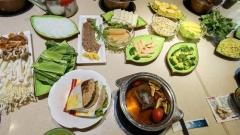
- Dietary Recommendations: The diet is mainly Tibetan food. Special delicacies include butter tea, sweet tea, hand-grasped meat, Tibetan fragrant pig, highland barley wine, etc. In September, you can also taste fresh highland barley products. When trying Tibetan food for the first time, it is recommended to try it slowly and not eat too much at one time. Pay attention to hygiene in diet, choose regular restaurants for meals, and do not eat food from street stalls casually to avoid gastrointestinal discomfort.
- Cultural Customs: When visiting temples, do not touch Buddha statues, murals or scriptures, do not take photos casually (only allowed after obtaining permission from the staff), and dress appropriately. When encountering pilgrims turning prayer wheels, walk in their direction and do not cross the line of pilgrims. Do not enter herdsmen’s yurts casually; you can only enter with the owner’s permission. When communicating with local people, be friendly and avoid sensitive topics, and respect local customs.
Other Practical Reminders: Attention to Details Enhances the Experience
- Skincare Preparation: Tibet is dry in September. Carry moisturizer, lip balm and hand cream to avoid dry skin and chapped lips.
- Electronic Devices: At high altitudes and low air pressure, the batteries of electronic devices such as cameras and mobile phones drain quickly. Carry a power bank and spare batteries.
- Cash Preparation: Although mobile payment is supported in most areas of Tibet, cash may be needed in some remote areas. Prepare some change and 100-yuan notes in advance.
- Tour Rhythm: Some attractions are at high altitudes. Adjust the rhythm according to your physical condition, do not force yourself, and rest in time if you feel unwell.
Embark on an Unforgettable Golden Autumn Trip to Tibet in September
Tibet in September has both natural scenery such as golden grasslands, clear holy lakes and towering snow-capped mountains, as well as solemn temples and simple human customs, making it a double feast for the eyes and the soul. Compared with the crowded summer and cold winter, September allows you to feel the authenticity and tranquility of Tibet more truly. It is an unmissable tourist season throughout the year. Whether you are a first-time traveler to Tibet or a seasoned visitor, you can find your own surprises in Tibet in September. It is recommended to follow this Tibet travel guide for September, make good itinerary plans, clothing preparations and altitude sickness countermeasures, respect local cultural customs, pack your bags in the beautiful September, and go to Tibet to embark on an unforgettable golden autumn trip.