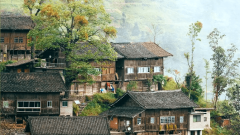

Beyond the breathtaking alpine landscapes and vibrant multi-ethnic tapestry of southwest China’s Yunnan Province lies an unmissable, deeply immersive cultural experience: the legendary Long Street Banquet of the Hani ethnic minority. For over a thousand years, this iconic communal feast has evolved far beyond a mere culinary gathering, becoming a vital bridge between ancient Hani heritage and curious travelers from every corner of the globe. This comprehensive guide unlocks every essential detail of the banquet, ensuring you a seamless, authentic, and unforgettable journey into the living heart of Hani folk culture.
The Origins and Cultural Heart of Yunnan’s Long Street Banquet
“Zi Wu Du”: The Hani Name and Ancient Roots
Known in the Hani language as “Zi Wu Du” — literally meaning “a gathering to drink and feast together” — Yunnan’s Long Street Banquet is the most iconic cultural tradition of the Hani people, with a recorded history spanning more than a millennium. Rooted in ancient ritual ceremonies of prayer and thanksgiving, the banquet was originally held exclusively during two of the Hani people’s most sacred annual festivals: the October New Year and the Angma Tu Festival, and remains the cornerstone of Hani cultural identity to this day.
Long Street Banquet
Festival Foundations: The Banquet’s Traditional Timing
The October New Year, the Hani people’s official Lunar New Year, begins on the first Dragon Day of the 10th lunar month (typically falling between November and December in the Gregorian calendar) and lasts for several days. It is a joyous occasion for celebrating the annual rice harvest, honoring ancestral spirits, and reuniting with family. The Angma Tu Festival, by contrast, is the Hani people’s most sacred religious observance, held on the first Ox Day of the first lunar month (usually between February and March Gregorian). Centered around worship of the village guardian deity, the festival is dedicated to praying for favorable weather, a peaceful village, and thriving livestock in the coming year.
Traditional Village Feast: A Celebration of Unity
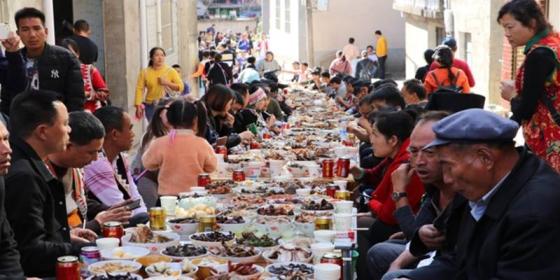
In its traditional form, the Long Street Banquet was an intimate, village-only affair. As the festival arrived, every household in the village would prepare their signature home-cooked dishes and brew their own rice wine, then carry their offerings to the village’s main thoroughfare. There, they would arrange the food along hundreds of meters of continuous tables, creating a single, unbroken feast stretching the length of the village. Villagers of all ages would take their seats strictly in order of seniority, with village elders and respected leaders seated at the head of the table. Together, they would share food, offer ritual prayers, exchange well wishes, and resolve lingering conflicts between neighbors, weaving the bonds of community solidarity and harmony that have held Hani villages together for centuries.
Modern Evolution: A Feast for the World
Today, this ancient tradition has evolved into a vibrant, inclusive celebration that welcomes visitors from across the world. What was once a closed village ritual is now a powerful platform for sharing Hani culture, allowing travelers to sit side-by-side with Hani locals, share their food and wine, and experience the unfiltered warmth and hospitality of this mountain community, while ensuring the survival and spread of this thousand-year-old cultural heritage.
When and Where to Experience the Most Authentic Long Street Banquet
To fully immerse yourself in the magic of the Long Street Banquet, choosing the right time and location is critical. The atmosphere, authenticity, and cultural depth of the feast can vary dramatically depending on when and where you attend, so it’s important to plan your trip to align with your travel goals.
Best Times to Attend
The most authentic, culturally rich Long Street Banquet experiences are held exclusively during the two core Hani traditional festivals:
- Hani October New Year: Taking place on the first Dragon Day of the 10th lunar month (November–December Gregorian), this is the most lively and festive time to attend. The banquet coincides with the end of the rice harvest in the famous Hani Rice Terraces, so the entire village is filled with the joy of a successful growing season. The spread is the most abundant of the year, and the atmosphere is electric with celebration, making it perfect for travelers wanting to experience the full joy of Hani harvest culture.
- Angma Tu Festival: Held on the first Ox Day of the first lunar month (February–March Gregorian), this is the most sacred and traditional iteration of the banquet. The feast is paired with the full, unbroken traditional ritual ceremonies of the Hani people, offering travelers a rare, unfiltered glimpse into the indigenous folk religion and cultural traditions of the Hani, with minimal commercialization.
For travelers unable to align their trip with these traditional festival dates, many tourist areas and villages across Honghe, Pu’er, and Xishuangbanna now host regular, year-round Long Street Banquet experiences, typically on weekends and national public holidays. While these offer a convenient taste of the tradition, they lack the deep cultural context and authentic village atmosphere of the festival-time banquets.
Long Street Banquet
Top Locations for the Banquet
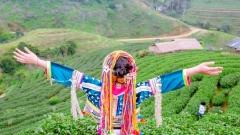
The undisputed top destination for an authentic Long Street Banquet is Yuanyang County, in the Honghe Hani and Yi Autonomous Prefecture. As the core zone of the Hani Rice Terraces World Heritage Site and one of the birthplaces of the Long Street Banquet tradition, Yuanyang is home to villages like Qingkou, Duoyishu, Laohuzui, and Xinjie Town, which have preserved the banquet’s ancient traditions in their original form. Here, the festival banquets are organized entirely by local villagers, with almost no commercial packaging, offering the purest, most authentic Hani cultural experience available.
For travelers with limited time or who prefer more convenient travel and accommodation options, there are also excellent Long Street Banquet experiences in Jianshui County and Mile City in Honghe Prefecture, Lancang County in Pu’er City, and Menghai County in Xishuangbanna. These locations blend the traditional banquet with local ethnic characteristics and modern tourism infrastructure, making them ideal for casual travelers looking for a hassle-free taste of the tradition.
Must-Try Hani Specialties at the Long Street Banquet
The soul of the Long Street Banquet lies in its extraordinary spread of Hani specialties, each dish crafted with fresh, local ingredients sourced directly from the village’s terraced fields and surrounding mountains. With minimal processing and simple, bold seasoning, these dishes preserve the pure, authentic flavors of the land, offering a delicious window into Hani culture and their deep connection to the natural world.
Hani Boiled Chicken with Signature Dipping Sauce
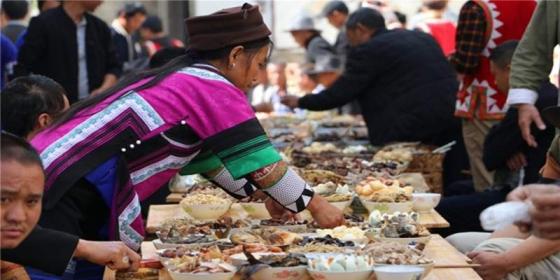
The undisputed centerpiece of the Long Street Banquet. This dish uses free-range local chickens raised by Hani villagers, boiled simply in mountain spring water to lock in their tender, juicy texture and rich, natural flavor. The star of the dish is the iconic Hani dipping sauce, made with more than a dozen ingredients including bird’s eye chilies, garlic, ginger, cilantro, Sichuan peppercorns, and crushed peanuts. Bold, fragrant, spicy, and umami-rich, the sauce elevates the tender chicken to a truly unforgettable culinary experience, and is widely considered the heart of Hani cuisine.
Terraced Red Rice & Terrace-Caught Fish
Two iconic dishes that embody the Hani people’s millennia-old wisdom of living in harmony with their terraced landscape. The red rice, grown exclusively in the Hani Rice Terraces, is cooked into a fluffy, chewy rice with a subtle, nutty aroma, and is a staple of the Hani daily diet. The terrace fish, raised in the flooded rice terraces and fed on natural water plants and insects, has an incredibly tender, sweet flesh that shines whether boiled plain or fried crispy, and is an essential main dish at every banquet.
Bamboo-Roasted Pork & Homemade Cured Meats
Classic Hani dishes that have been passed down for generations. For the bamboo-roasted pork, cubed pork is mixed with local spices, stuffed into fresh, green bamboo tubes, and roasted over an open fire. The pork absorbs the delicate, sweet fragrance of the bamboo, resulting in a rich, juicy dish that is fragrant without being greasy. The cured fish and pork, meanwhile, are a staple in every Hani household, preserved with glutinous rice and salt. With a rich, salty, and slightly sweet flavor and a soft, sticky texture, they can be steamed plain or stir-fried with other ingredients, and are the perfect accompaniment to rice wine.
Beyond these signature dishes, the banquet table is filled with a wide array of wild mountain flavors unique to Yunnan:
- Fried bamboo worms, crispy and rich in protein, are a delicacy reserved for honored guests, and a must-try for adventurous eaters;
- Herb-wrapped salted duck eggs, cured with local medicinal herbs, have a unique, earthy flavor with a subtle herbal aroma;
- There is also a wide selection of wild foraged vegetables, including eleutherococcus, bracken fern, and dandelion, either stir-fried plain or cooked in soups, offering a fresh, crisp contrast to the rich meat dishes and a pure taste of the Yunnan mountains.
Men Guo Jiu
No Hani banquet is complete without Men Guo Jiu, the Hani people’s homemade rice wine. Brewed from corn and rice grown in the terraces, using pure mountain spring water, this wine has a smooth, sweet, and mellow flavor with a relatively low alcohol content, making it easy to drink without a heavy hangover. During the banquet, Hani locals will walk from table to table, singing traditional toasting songs and offering guests cups of wine, a heartfelt display of hospitality that becomes one of the most memorable parts of the experience.
Etiquette and Essential Tips for Attendees
As a sacred cultural tradition with a thousand-year history, the Long Street Banquet has its own set of etiquette and rules. Understanding and respecting these customs will not only help you avoid accidental disrespect or misunderstandings, but also allow you to fully immerse yourself in the experience and connect more deeply with the local community.
Traditional Banquet Etiquette
- Seating Arrangements: Seating at the banquet follows strict traditional rules. Village elders and respected senior community members will be seated at the main table first before the banquet begins. Visitors must follow the instructions of the hosts and sit in the designated guest seats, and should never take the main seats reserved for elders.
- Ritual Ceremonies: The formal opening of the banquet begins with a sacred ritual ceremony led by the village elder, to honor ancestral spirits and the village guardian deity. This is the most sacred part of the event. Visitors must remain quiet during the ceremony, and should not walk around, make noise, or take photos or videos of the ritual participants or sacred items without explicit permission.
- Toasting Etiquette: When a Hani local offers you a toast, accept the cup with both hands as a sign of respect. If you do not drink alcohol or have a low tolerance, you can politely explain this and ask to substitute the wine with tea, but should never rudely refuse the toast or knock over the cup.
- Food Sharing: One of the joys of the banquet is that you are welcome to walk between tables and try dishes from different households. However, always take only small portions to avoid food waste, which is considered disrespectful in Hani culture.
Essential Travel Tips to Avoid Pitfalls
- Book in Advance: Authentic village banquets during traditional festivals have very limited spots, and sell out quickly. You should book in advance by contacting the local village committee, farmer cooperative, or a formal travel agency. Never arrive unannounced, as you will likely be unable to join the feast.
- Pricing Transparency: Authentic village banquets typically cost between 50 and 150 RMB per person, including all food and wine. Commercial banquets in tourist areas usually cost between 100 and 200 RMB per person. Always confirm exactly what is included in the price before booking, to avoid falling for low-price scams with hidden fees.
- Photography Rules: You are welcome to take photos to remember your experience, but always ask for permission before taking photos of local villagers, especially elders and children. Some village ritual ceremonies strictly prohibit photography, so always check with the event staff first.
- Dress Code: Wear comfortable, modest clothing, and avoid overly revealing outfits, as this is considered disrespectful in traditional Hani villages. The villages are located in mountainous areas with large temperature differences between day and night, so always bring a warm jacket.
Deep-Dive Experiences to Enhance Your Banquet Visit
To make your Long Street Banquet experience truly complete and meaningful, you can turn a single feast into a deep, immersive journey into Hani culture, by combining the banquet with other local cultural experiences and nearby attractions.
Pre-Banquet & Post-Banquet Cultural Immersion
We recommend arriving at the host village at least one day before the banquet, and staying in a local Hani-style guesthouse to fully experience daily life in the village. In your free time, you can join local grandmothers to make glutinous rice cakes, go with local young men to forage for wild vegetables in the mountains, and help wash and prepare ingredients for the banquet. After the feast, you can join in the post-banquet cultural activities: sing traditional Hani folk songs with the locals, learn the traditional Lezuo dance, and join the lively bonfire party that caps off the celebration.
Extend Your Trip: Explore Surrounding Attractions
You can also extend your trip to explore the stunning surrounding area. Wake up early to watch the sunrise over the terraces at the Duoyishu Viewpoint, and end your day with the breathtaking sunset over the terraces at Laohuzui Viewpoint, experiencing the awe-inspiring beauty of the Hani Rice Terraces World Heritage Site. You can also visit the ancient city of Jianshui, to learn the traditional craft of Jianshui purple pottery and taste the famous Jianshui grilled tofu, or head to Bisezhai in Mengzi, to explore the French colonial architecture of the century-old Dian-Vietnam Railway, adding even more depth and richness to your Yunnan journey.
A Seamless Journey into Hani Culture
The Long Street Banquet is more than a Yunnan travel culinary stop; it’s an immersive journey into Yunnan’s ethnic culture. Along the long tables, you’ll taste mountain-sourced authentic dishes, experience a thousand years of Hani folk tradition, and feel the locals’ sincere warmth. Whether a first-time visitor or a seasoned traveler, it offers a unique experience to truly understand “Colorful Yunnan”.
For a hassle-free, authentic experience, choose China Dragon Travel. With rich local Yunnan tourism expertise, in-depth knowledge of Hani village banquet schedules, extensive local connections and professional teams, it crafts tailor-made itineraries balancing cultural immersion and comfort. Let them handle the details, so you can fully enjoy the banquet and take home an unforgettable Yunnan journey.