
Guiyang, the capital of Guizhou Province, is often seen as a transit city—but that perception doesn’t do it justice. Sitting on a plateau surrounded by mountains, Guiyang combines a mild climate, laid-back pace of life, and access to some of southwest China’s most impressive natural and cultural attractions. For first-time visitors, it offers a manageable and authentic introduction to the region.
If you’re planning a trip, this guide goes beyond a simple checklist. It explains what to do in Guiyang, how to structure your time, and how to use the city as a base for exploring Guizhou more deeply.
Why Guiyang Is Worth Including in Your Itinerary
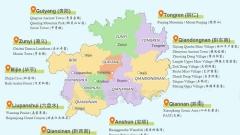
Unlike China’s major metropolitan hubs, Guiyang feels less crowded and more approachable. The city is known for its cool summers, making it a popular domestic escape when temperatures rise elsewhere. At the same time, its role as a transportation hub—linking high-speed rail, highways, and regional airports—makes it an efficient gateway to destinations like Huangguoshu Waterfall and Fanjing Mountain.
What makes Guiyang particularly appealing is its balance. You can explore parks, historical landmarks, and local food scenes within the city, then easily transition to nature or ethnic culture in the surrounding areas. This flexibility is especially valuable for first-time visitors who want variety without complicated logistics.
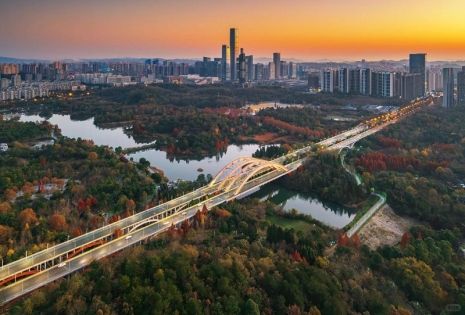
Guiyang
Top Things to Do in Guiyang
Visit Jiaxiu Pavilion and the Nanming River Area
Jiaxiu Pavilion is the symbolic heart of Guiyang. Standing on a stone outcrop in the Nanming River, this historic structure dates back to the Ming Dynasty and remains one of the city’s most recognizable landmarks.
While the pavilion itself is relatively small, the surrounding riverside area is worth exploring at a slower pace. In the evening, when the structure is illuminated, the reflections on the water create one of the city’s most photogenic scenes. Nearby streets also offer casual dining and local snacks, making it easy to combine sightseeing with a relaxed evening walk.
Explore Qianlingshan Park for Nature and Local Life
Qianlingshan Park is one of the most accessible green spaces in Guiyang and offers a mix of natural scenery and everyday local culture.
The park includes forested hills, walking trails, a lake, and Hongfu Temple, which sits partway up the mountain. One of its most distinctive features is the presence of wild macaques, which are accustomed to visitors and often seen along the paths.
Beyond the scenery, Qianlingshan provides insight into daily life. Locals gather here to exercise, play cards, and socialize, giving visitors a more grounded and authentic experience of the city.
Take a Day Trip to Qingyan Ancient Town
About an hour from central Guiyang, Qingyan Ancient Town offers a contrast to the modern city. Its stone-paved streets, fortified walls, and traditional buildings reflect a long history shaped by both Han Chinese and ethnic minority cultures.
The town is compact enough to explore in a few hours, but it rewards slow travel. Small alleyways, local shops, and food stalls create a layered experience that goes beyond typical sightseeing. It’s also one of the best places near Guiyang to sample regional snacks in a traditional setting.
Experience Guiyang’s Food Culture
Guiyang’s cuisine is a highlight in its own right, especially for travelers interested in bold, regional flavors. Guizhou food is known for its sour and spicy profile, which sets it apart from the numbing spice of Sichuan cuisine.
Signature dishes include sour soup fish, a tangy and aromatic hot pot-like dish that reflects local fermentation techniques. Street foods such as siwawa—thin wraps filled with shredded vegetables and sauces—offer a lighter but equally flavorful option. Changwang noodles, often eaten for breakfast, combine rich textures with a deep, savory taste.
Night markets and casual eateries are the best places to experience this side of Guiyang. Rather than seeking upscale restaurants, focus on busy, local spots where turnover is high and flavors are authentic.
Best Day Trips from Guiyang
One of Guiyang’s strongest advantages is its proximity to major attractions. With efficient transport options, several key destinations can be visited within a day or as short overnight trips.
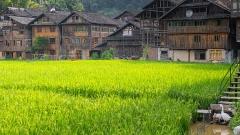
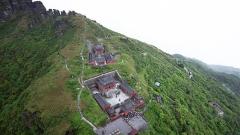
Huangguoshu Waterfall, about two hours away, is the largest waterfall in China and offers multiple viewing angles, including paths that take you behind the cascade. Fanjing Mountain, a UNESCO World Heritage Site, is known for its dramatic peaks and spiritual significance, though it typically requires an early start or overnight stay. Xijiang Qianhu Miao Village provides insight into ethnic minority culture, with traditional architecture and hillside views that are especially striking at night.
These excursions allow you to expand your itinerary without changing accommodation frequently.
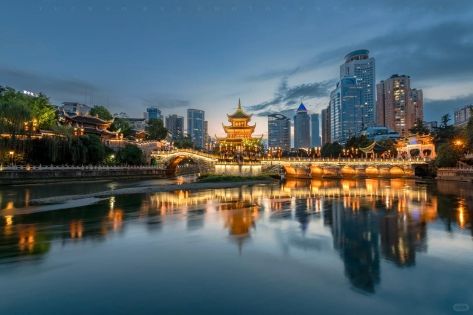
Guiyang Jiaxiu Tower
How Many Days Should You Spend in Guiyang?
For a first visit, 2 to 3 days is generally sufficient.
One full day can be dedicated to exploring the city itself, including Jiaxiu Pavilion and Qianlingshan Park. The remaining time can be used for one or two nearby excursions, depending on your interests and pace.
If your itinerary focuses heavily on surrounding destinations, you may spend more time based in Guiyang while treating it as a logistical hub.
Getting Around Guiyang
Guiyang is relatively easy to navigate, especially compared to larger Chinese cities.
The metro system continues to expand and connects key districts, while buses cover a broader network. For convenience, ride-hailing apps such as Didi are widely used and affordable.
For trips beyond the city, high-speed rail is the most efficient option, linking Guiyang to nearby cities and scenic areas. Organized tours are also available and can simplify logistics for first-time visitors.
Best Time to Visit Guiyang
Guiyang’s climate is one of its defining advantages. Summers are noticeably cooler than in many other Chinese cities, making it a comfortable destination even in July and August.
That said, the most pleasant seasons are spring (March to May) and autumn (September to November). These periods offer mild temperatures, relatively stable weather, and better conditions for both city exploration and day trips.
Rain is possible throughout the year, so carrying a light rain jacket or umbrella is always advisable.
Practical Tips for First-Time Visitors
A few practical considerations can improve your overall experience.
Mobile payment is the standard in Guiyang, so setting up Alipay or WeChat Pay will make daily transactions much easier. While major hotels may have English-speaking staff, English is not widely used in everyday settings, so a translation app can be very helpful.
Comfortable walking shoes are recommended, as both city exploration and nearby attractions often involve uneven terrain or steps. Planning your day with some flexibility is also useful, especially when visiting natural sites where weather conditions may change.
Is Guiyang Just a Transit City?
Guiyang is often treated as a starting point rather than a destination, but this perspective misses its strengths. While it may not have the iconic landmarks of larger cities, it offers a combination of livability, food culture, and strategic location that makes it highly practical for travelers.
Spending time in Guiyang allows you to adjust to the pace of southwest China while still experiencing meaningful local culture. It also provides a comfortable base for exploring the wider region without constant packing and moving.
Planning a Well-Balanced Trip to Guiyang
For first-time visitors, the key to enjoying Guiyang is balance. Combine a day of urban exploration with one or two carefully chosen excursions, and allow time to experience the city’s food and slower rhythm.
By approaching Guiyang not just as a stopover but as part of the journey, you can create a more complete and less rushed travel experience—one that reflects both the diversity and accessibility of Guizhou Province.