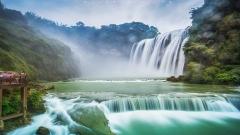

Fanjing Mountain (Mount Fanjing), a UNESCO World Heritage Site in Guizhou Province, is famous for its dramatic peaks, sea of clouds, and unique Buddhist landmarks such as the Red Clouds Golden Summit. For many travelers, the biggest question when planning a trip is simple: when is the best time to visit Fanjing Mountain for clear views and comfortable weather?
The answer depends on what you prioritize—visibility, scenery, or fewer crowds. This guide breaks down each season and offers practical advice to help you choose the ideal time.
Understanding Fanjing Mountain’s Climate
Fanjing Mountain sits at an elevation of over 2,500 meters, which means its weather can change quickly. Even when conditions are clear at the base, the summit may be covered in mist or clouds.
In general, the mountain has:
- A humid subtropical climate at lower elevations
- Cooler temperatures and frequent fog at higher altitudes
- High rainfall, especially in late spring and summer
Because of these factors, timing your visit is essential if you want good views.
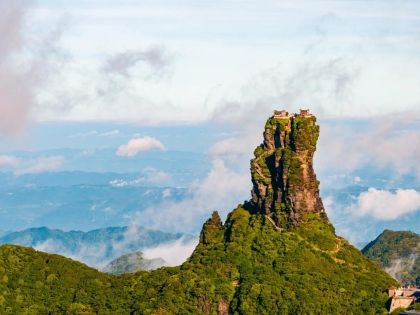
Guizhou Fanjing Mountain
Spring (March to May): Quiet Atmosphere and Emerging Greenery
Spring marks the transition from winter to the growing season, bringing new life to the mountain.
Temperatures gradually become milder, making hiking more comfortable compared to winter. The landscape begins to turn green, and wildflowers start to appear, especially at lower elevations. The overall atmosphere feels fresh and less crowded, which can be appealing for travelers seeking a quieter experience.
However, spring is also characterized by frequent rain and lingering fog, which can limit long-distance views. While the mist can create a soft, almost mystical atmosphere, it may obscure key landmarks such as the Red Clouds Golden Summit.
For travelers who value tranquility and don’t mind limited visibility, spring can still be a rewarding time to visit.
Summer (June to August): Lush Landscapes and Dramatic Cloud Formations
Summer is when Fanjing Mountain is at its most vibrant. Dense forests, deep green vegetation, and dynamic weather patterns define the season.
Temperatures at the base can be warm, but the summit remains relatively cool, offering a refreshing escape from heat. This is also the season when the famous sea of clouds is most likely to appear, especially after rainfall.
At the same time, summer brings higher humidity, frequent rain, and heavier cloud cover. Visibility can change quickly, and it’s not uncommon for peaks to be completely hidden in mist.
It is also the peak tourist season, particularly during school holidays, meaning larger crowds and longer wait times for cable cars and trails.
Summer is ideal for those who enjoy lush scenery and dramatic weather effects, but less reliable for consistently clear views.
Autumn (September to November): The Best Balance of Views and Weather
Autumn is widely regarded as the best time to visit Fanjing Mountain, especially for travelers prioritizing clear views.
During this season, rainfall decreases, humidity drops, and the weather becomes more stable. Skies are clearer, and visibility improves significantly compared to other times of the year.
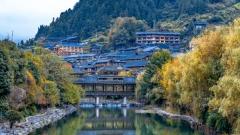
In addition, the landscape transforms with autumn foliage, adding layers of color to the mountain scenery. The combination of crisp air, blue skies, and golden tones creates ideal conditions for photography.
Crowds are moderate, although national holidays (such as early October) can still be busy.
For most travelers, autumn offers the best overall experience, balancing scenery, weather, and comfort.
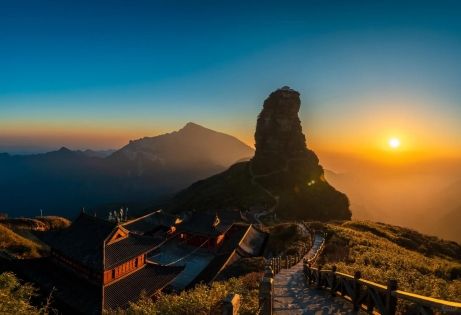
Guizhou Fanjing Mountain
Winter (December to February): Snowy Scenery and Solitude
Winter brings a completely different atmosphere to Fanjing Mountain. Snowfall can cover the peaks, turning the landscape into a quiet, almost otherworldly environment.
The number of visitors drops significantly, making it one of the least crowded times of the year. For those seeking solitude or unique winter photography, this season has strong appeal.
However, conditions can be challenging. Temperatures are low, trails may be icy, and some sections of the mountain may be temporarily closed for safety reasons.
Winter is best suited for experienced travelers who are prepared for cold weather and flexible itineraries.
Best Month for Clear Views
If your primary goal is to maximize the chance of clear, unobstructed views, the best time to visit is typically:
Late September to October
During this period, weather conditions are more stable, rainfall is lower, and the probability of clear skies is higher than in other months. This makes it the most reliable window for seeing the mountain’s iconic peaks.
Best Time of Day for Visiting
Even within the same day, conditions on Fanjing Mountain can vary significantly.
Early morning is generally the best time to visit. At this time, temperatures are cooler, winds are lighter, and cloud cover is often thinner. As the day progresses, clouds tend to build up, especially in warmer seasons.
Arriving early not only improves your chances of clear views but also helps you avoid peak crowds.
How to Plan Your Visit for the Best Experience
To get the most out of your trip, a few practical strategies can make a big difference.
Checking the weather forecast in advance is essential, but it’s also important to understand that mountain weather can change quickly. Building some flexibility into your schedule can increase your chances of a successful visit.
Dressing in layers is highly recommended, as temperatures can vary significantly between the base and summit. Comfortable walking shoes are also important, especially if you plan to climb the steps to the Golden Summit.
Booking tickets and transportation in advance is advisable during peak seasons, particularly in autumn and summer.
Choosing the Right Time Based on Your Travel Style
The “best” time to visit Fanjing Mountain ultimately depends on what you value most.
If your priority is clear views and photography, autumn is the ideal choice.
If you prefer lush greenery and dynamic landscapes, summer offers a more vibrant experience.
If you enjoy quieter travel and don’t mind misty conditions, spring provides a peaceful atmosphere.
If you seek solitude and unique scenery, winter delivers a completely different perspective.
When Is the Best Time to Visit Fanjing Mountain?
For most travelers, the answer is clear: autumn offers the best combination of weather, visibility, and scenery.
That said, Fanjing Mountain’s charm lies partly in its unpredictability. Whether covered in clouds or fully visible under blue skies, it offers a distinct experience in every season.
With thoughtful planning and realistic expectations, your visit can become one of the most memorable highlights of your journey through southwest China.