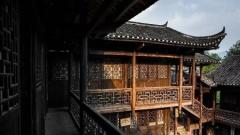

The Dazu Rock Carvings, a UNESCO World Heritage Site near Chongqing, are among the finest examples of Chinese Buddhist art. With multiple sites spread across the region, many travelers face a common question: what is the best visiting order, and should you prioritize Beishan or Baodingshan?
If you only have one day, planning your route carefully is essential. This guide explains the differences between the main sites and provides a practical itinerary to help you make the most of your visit.
Understanding the Dazu Rock Carvings Layout
The Dazu Rock Carvings are not a single location but a collection of grottoes and cliff carvings created between the 9th and 13th centuries.
Among all the sites, two stand out as the most important:
- Baodingshan (Baoding Mountain): The largest and most famous site, known for its narrative carvings and impressive scale
- Beishan (North Mountain): Closer to Dazu city, featuring more refined and delicate carvings
Most visitors focus on these two locations, as they represent the core of the Dazu experience.
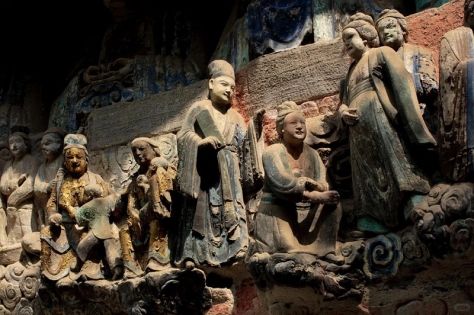
Dazu Rock Carvings
Beishan vs Baodingshan: What’s the Difference?
Choosing between Beishan and Baodingshan depends on your interests, but ideally, you should visit both.
Baodingshan is more immersive and dramatic:
It features large-scale carvings arranged along a circular walking route, telling Buddhist stories in sequence. The famous Reclining Buddha and intricate reliefs make it the highlight for most visitors.
Beishan is more artistic and detailed:
The carvings here are smaller but more refined, with a focus on craftsmanship and subtle expression. It’s less crowded and offers a quieter experience.
In short: Baodingshan is about scale and storytelling; Beishan is about detail and artistry.
What Is the Best Visiting Order?
If you plan to visit both sites in one day, the recommended order is:
Baodingshan first, then Beishan
Here’s why:
- Baodingshan requires more time and energy, so it’s best visited when you’re fresh
- It is farther from the main town, making it more efficient to go there first
- Beishan is closer and easier to explore, making it a good second stop
This sequence helps balance your energy and minimizes travel time.
Suggested One-Day Itinerary
Morning: Visit Baodingshan
Start early and head directly to Baodingshan.
Plan to spend 2–3 hours exploring the site. The walking route is well-organized, guiding you through a series of carvings that depict Buddhist teachings and daily life scenes.
Key highlights include:
- The Reclining Buddha
- Thousand-Hand Guanyin
- Detailed narrative carvings along the cliff walls
Walking slowly and using a guide (or audio guide) will greatly enhance your understanding.
Afternoon: Explore Beishan
After lunch, travel to Beishan.
This site is more compact, and 1–1.5 hours is usually enough. Unlike Baodingshan, Beishan carvings are arranged along a cliffside path, allowing for a more relaxed visit.
Focus on:
- Fine details and expressions in the carvings
- The artistic evolution of Buddhist sculptures
- The quieter, less crowded atmosphere
This makes for a calmer and more reflective end to your day.
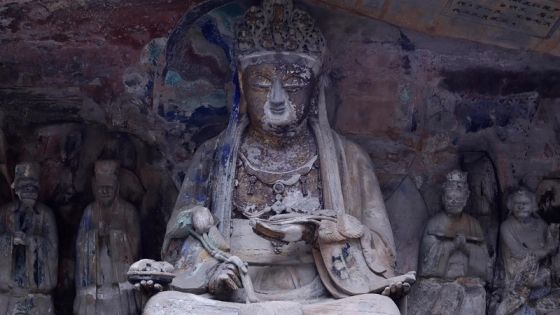
Dazu Rock Carvings
How to Get There
Dazu is located about 1.5–2 hours from Chongqing.
You can reach it by:
High-speed train + local transport
Private car or guided tour (most convenient option)
Since Baodingshan and Beishan are not within walking distance of each other, arranging transport in advance is important.
Practical Tips for Visiting
To make your trip smoother:
Start early: You’ll avoid crowds and have more time at Baodingshan
Wear comfortable shoes: Both sites involve walking along stone paths and steps
Consider a guide: Understanding the carvings adds significant value to your visit
Allow enough time: Rushing through Baodingshan will diminish the experience
Do You Need to Visit Both Sites?
If you have limited time, Baodingshan alone is sufficient to understand the essence of the Dazu Rock Carvings.
However, visiting both provides a more complete perspective—combining grandeur with detail, and storytelling with artistry.
Prioritize Baodingshan, then complement your experience with Beishan. With the right order and pacing, even a one-day trip can offer a deep and rewarding look into one of China’s most important cultural treasures.