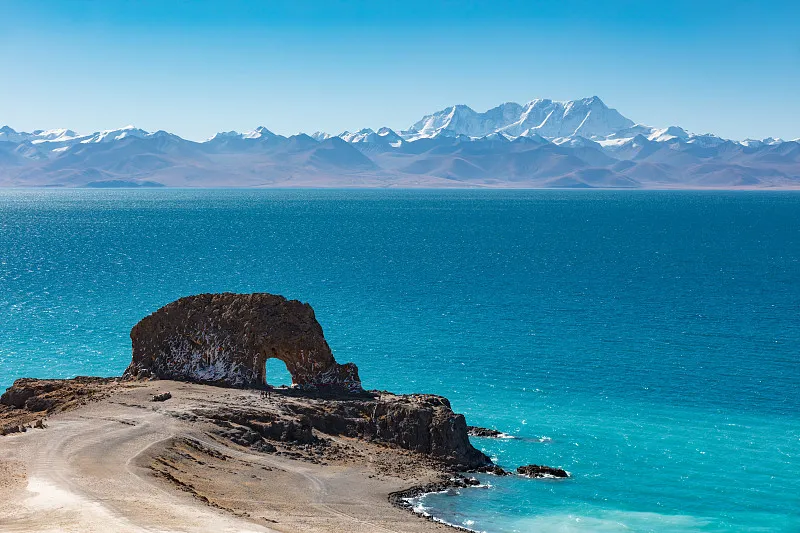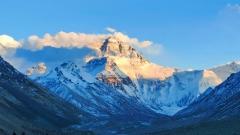

Immerse yourself in the enchanting allure of Laigu Glacier, a splendid monument to the grandeur of the natural world, tranquilly situated atop the towering plateaus of the eastern highlands of Tibet, soaring to a breathtaking height of 4,000 meters. This fascinating site has lured the hearts and minds of numerous adventurers. Nestled beside the scenic Ranwu Lake, the confluence of six glaciers presents a spectacle of unparalleled magnificence. Let this guide serve as your conduit to unveil its covert marvels, guaranteeing a refreshing and enduring journey.
Unique Charm and Key Data of Laigu Glacier
The grandeur of Laigu Glacier lies in its rare cluster form and excellent accessibility. Unlike many unattainable polar glaciers, it sends its most magnificent ice tongue—the Yalong Glacier—directly into the embrace of Ranwu Lake at a relatively lower altitude, allowing travelers to reach its front relatively easily and experience the breath and pulse of the ice body that has existed for hundreds of millions of years up close.
Key Information Overview:
- Glacier Name: Laigu Glacier
- Location: Ranwu Town, Basu County, Changdu City, Tibet Autonomous Region
- Glacier Type: Marine glacier group
- Maximum Altitude: Over 6,000 meters at the source
- Altitude of Viewing Spots: Approximately 3,900 to 4,100 meters at the end of the ice tongue and main viewing areas
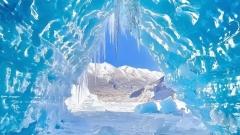
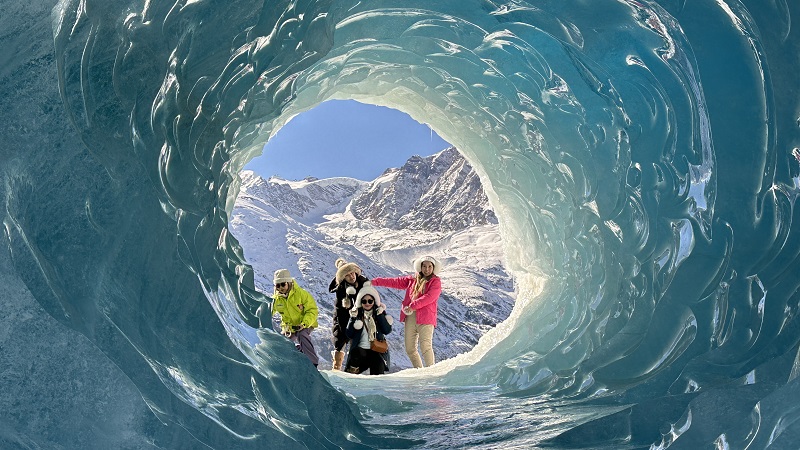
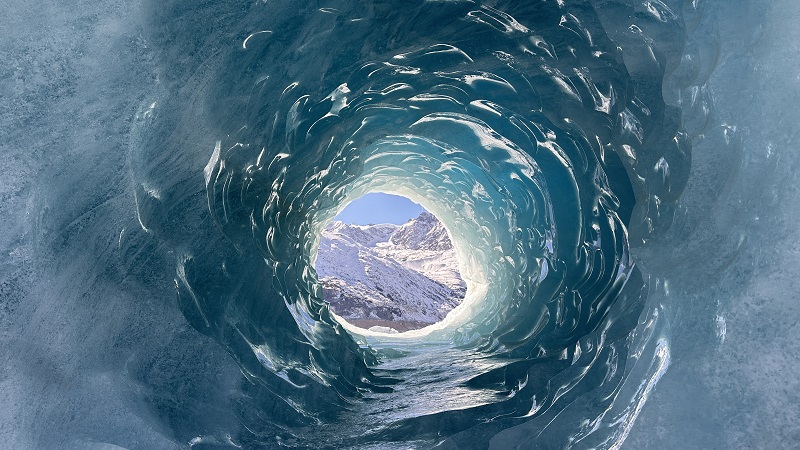
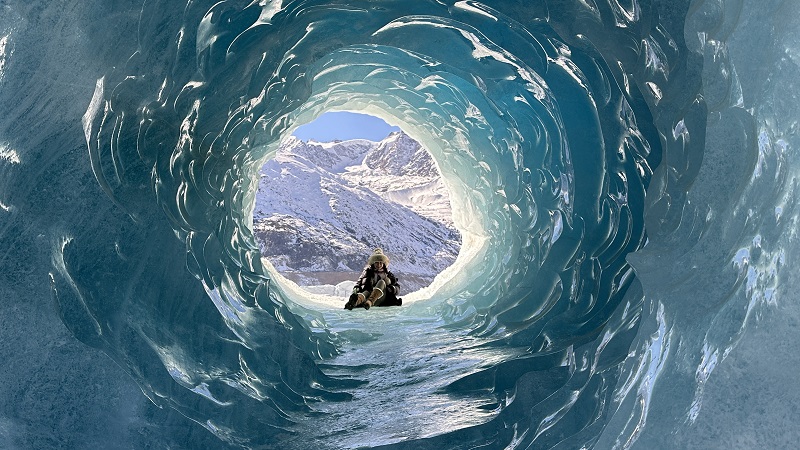
- Core Attractions : Glacier extending into the lake, giant light blue ice walls, and ice caves and seracs that change with seasons
For most visitors, the core area for activities and viewing is around 4,000 meters above sea level. This altitude means that the oxygen content in the air is only about 60% of that at low altitudes, and the body needs time to adapt. Therefore, arranging Laigu Glacier in the middle or later part of your Tibet itinerary and reserving sufficient time for plateau adaptation is a wise move to ensure a comfortable and safe trip.
Laigu Glacier
How to Carefully Plan Your In-Depth Trip to Laigu Glacier
A smooth and enjoyable trip to Laigu Glacier is based on careful planning. This not only involves choosing the right season but also comprehensive considerations of transportation, physical fitness, and logistics—especially when facing its special geographical location and altitude environment.
To explore the best time to visit, you must weigh the climate, road conditions, and personal preferences together. Spring (April to June) is the first choice for many. At this time, the winter snow begins to melt, the weather gradually stabilizes, the lake water is clear, the glacier lines are distinct, and the vegetation starts to revive, combining vitality and tranquility. Autumn (September to October) brings clear skies and high visibility, making it the golden season for photographing snow-capped mountains and blue ice, but the temperature drops rapidly at night. Summer (July to August) is the rainy season, with swirling clouds and mist adding a sense of mystery and lush greenery, but you need to frequently deal with afternoon showers and possible muddy roads. Winter is a world of pure white and extreme tranquility, suitable for travelers seeking a sense of solitude, but severe cold and the risk of partial road closures are major challenges. No matter when you go, it is a golden rule to be prepared for the ever-changing plateau weather.
Comprehensive Analysis of Transportation Routes to the Glacier
Reaching Laigu Glacier is an adventure in itself. The primary goal is to reach the hub—Ranwu Town.
- Main Access Routes: Most tourists arrive via National Highway 318 (Sichuan-Tibet Line). Whether coming from Bomi in the east (about 130 kilometers, 3-hour drive) or Basu County Seat in the west (about 90 kilometers, 2-hour drive), Ranwu Town is a must-pass point and an ideal accommodation and supply stop.
- From Ranwu Town to the Glacier Front: The final 30-odd kilometers of road are crucial for the trip. Most of the road is unpaved gravel and dirt, which may have potholes and streams overflowing the road surface during the rainy season.
- Chartered Car and Guide : The most highly recommended method. Renting a reliable off-road vehicle with a driver-cum-guide who is familiar with the road conditions and local villages can greatly enhance safety and convenience. They know when the road is passable, how to communicate with local villagers, and can accurately guide you to the best viewing spots.
- Self-Driving Challenge : Only recommended for drivers with rich experience in plateau mountain driving and vehicles with four-wheel drive off-road performance. You need to inquire about the latest road conditions in detail in advance and be prepared to deal with various unexpected situations.
- Other Options : At Laigu Village near the scenic area entrance, local villagers may provide motorcycle transfer services to take you closer to the glacier. However, this option has poor comfort and requires bargaining, making it suitable for backpackers with light luggage who pursue an original experience.
Laigu Glacier
Immersive Activities and Hiking Safety Guide at Laigu Glacier
When vehicles can no longer move forward, your feet become the only way to get close to the glacier. Hiking in an area above 4,000 meters above sea level is a dialogue with nature and a process of coordinating with your own body.
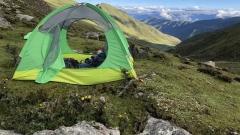
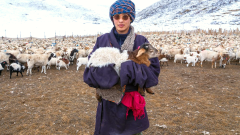
Starting from the parking lot, you will embark on a trail leading to the moraine lake. This path is not a well-constructed boardwalk but a natural earth and stone trail following the moraine ridges and pastures. The walk takes about 40 minutes to 1.5 hours, depending on your personal pace and adaptation to the high altitude. The altitude gain along this section is approximately 100 to 150 meters. Although it does not seem steep, every step may be more tiring than expected in the thin air. Be sure to adjust your breathing and adopt a slow and steady rhythm. Along the way, you will pass nomads’ summer tents and huge mani piles that silently tell stories of faith. After turning around a mountain col, the breathtaking ice-blue world will unfold before you without reservation.
Core Viewing Spots and Experience Layers
- 1st Viewing Platform : You usually arrive here first. It offers a panoramic view of the glacier group, moraine lake, and distant villages, with the most magnificent perspective, ideal for panoramic photography.
- Moraine Lake Shore : Walking down the slope to the lake shore is a different experience. The lake surface often has ice floes of various sizes that have collapsed from the glacier, with a deep blue color. Here, you can sit quietly and listen to the ticking sound of glacial melting and the low rumble of distant ice avalanches.
- Approaching the Ice Wall (At Your Own Risk) : This is a high-risk activity and can only be considered under the leadership of an experienced local guide, after assessing the stability of the ice conditions, and with necessary equipment (such as crampons). When conditions are safe, the guide may lead you to the gravel area at the end of the glacier to touch the ice wall, which is tens of meters high and crystal clear blue, and feel the biting cold and the weight of time. Climbing the ice body alone or entering untested ice caves and crevasses is strictly prohibited.
Plateau Adaptation and Health Management Strategies
In the altitude environment of Laigu Glacier, prevention is better than cure.
- Step-by-Step Adaptation : An ideal itinerary should first include 2-3 days of adaptation in Lhasa (3,650 meters), then a stay in Nyingchi (about 3,000 meters) or Bomi (about 2,700 meters), and finally a visit to Ranwu Town (about 3,900 meters) and the glacier. Give your body sufficient time to produce red blood cells and adapt to the low-oxygen environment.
- Action Philosophy : “Slow” is the golden rule for activities on the plateau. Avoid running and jumping excitedly, and slow down when getting on/off the vehicle or standing up. Adequate sleep is very important.
- Diet and Hydration : Eat more carbohydrates and avoid greasy, hard-to-digest foods. Although you may have a poor appetite, you still need to eat regularly to maintain energy. Continuously supplement warm water in small sips to maintain body hydration, which helps alleviate altitude sickness.
- Recognizing Severe Symptoms : Mild headaches and shortness of breath are normal. However, if you experience severe headaches, vomiting, confusion, unsteady gait, or severe difficulty breathing, you must stop ascending immediately, descend to a lower altitude as soon as possible, and seek medical attention if necessary. It is prudent to carry some common plateau medications (such as acetazolamide prescribed by a doctor) and a portable oxygen cylinder for emergency use.
Practical Advice on Accommodation and Itinerary Connection
Accommodation in Ranwu Town ranges from budget inns to decent view hotels, and advance booking is required during peak seasons. Since a round trip to the glacier takes most of the day, it is recommended to arrange at least two nights’ accommodationin Ranwu Town: the first night to adapt to the town’s altitude, and the second night to rest after the tour. A classic itinerary combines Laigu Glacier with Midui Glacier, which is famous for its exquisite ice waterfalls, along with the different sceneries of the upper, middle, and lower sections of Ranwu Lake, forming a 2-3 day “Glacier and Lake Themed Tour”. For travelers who want a smoother itinerary and to avoid transportation troubles, seeking assistance from a reliable local service provider to arrange vehicle, guide, and accommodation connections allows you to focus more on the scenery itself.
Laigu Glacier
Let the Journey Return to Pure Shock and Touch
Ultimately, having navigated the serpentine byways and withstood the arduous trials of the plateau, the moment you stand before the grandeur of Laigu Glacier in its full splendor, your toils and meticulously laid plans are transformed into a rich tapestry of rewards. The azure vista that stretches out before you, a panorama that traverses the boundaries of time and space, is a hushed chronicle penned by the Earth across the ages. In this fleeting instant, the rustle of the wind, the fractures of the ice, and the cadence of your own heartbeat appear with striking clarity. This journey imparts more than mere knowledge of a place or its elevation; it endows profound travel wisdom, one that encompasses a deep respect for the laws of nature, an attunement to the whispers of your body, and an open embrace of the unknown. Arm yourself with comprehensive readiness and embark with a sense of reverence—Laigu Glacier in Tibet promises an unforeseen assault on the senses and a purging of the spirit. Seasoned local outfits, such as China Dragon Travel, with their intimate familiarity with these majestic mountains and rivers, stand ready to provide unwavering support for your adventure, ensuring a serene immersion into this matchless realm of ice and snow.