
The intense desire to ascend to the Everest Base Camp is fundamentally rooted in the breathtaking majesty of the world’s highest peaks, serving as a revered objective for numerous adventurers. This quest elicits a fundamental inquiry: What is the altitude of the camp, and how does one’s physical condition compare in the face of such an arduous challenge? This treatise explores the pivotal importance of the camp’s elevated position, integrating scientific viewpoints with individual accounts to furnish a succinct travel guide dedicated to ensuring a secure and unforgettable expedition.
The Specific Altitude and Significance of Everest Base Camp
The so-called Everest Base Camp generally refers to the North Slope Base Camp located near Rongbuk Monastery in Tingri County, Tibet Autonomous Region. Its official altitude is marked at 5,200 meters (approximately 17,060 feet). This elevation is not arbitrarily determined but is a result of comprehensive considerations including geographical environment, logistical support for mountaineering, and the human body’s ability to adapt to extreme environments. In comparison, the South Slope Base Camp in Nepal sits at about 5,364 meters. Choosing the 5,200-meter altitude aims to provide climbers with a relatively stable supply point while minimizing direct harm caused by extreme high altitude to the human body. Understanding this altitude of Everest Base Camp is the fundamental basis for assessing personal fitness and conducting high-altitude adaptation.
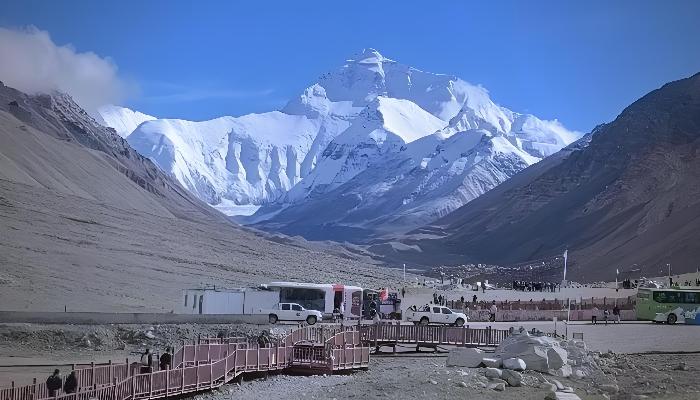
Panoramic view of Everest Base Camp
Effects of High-Altitude Environment on the Body and Adaptation Strategies
Once you are clear that Everest Base Camp’s altitude exceeds five thousand meters, you must face the risk of altitude sickness. This is the body’s natural reaction to an oxygen-deficient environment, with symptoms ranging from mild headaches and nausea to severe pulmonary or cerebral edema.
1.Gradual Ascent: Absolutely avoid flying directly to Lhasa (3,650 meters) and heading straight to the base camp. An ideal itinerary should include 2-3 days of acclimatization in Lhasa, then gradually pass through places like Shigatse (3,800 meters) and Tingri (4,300 meters), allowing the body sufficient time to produce red blood cells and adapt to hypoxia.
2.Adequate Hydration and Proper Diet: At high altitudes, the body dehydrates more easily, which can worsen altitude sickness symptoms. Drink 3-4 liters of water daily. Focus on a carbohydrate-rich diet for easier digestion, avoiding greasy foods and overeating.
3.Recognizing Symptoms and Knowing When to Descend: Mild headaches can be addressed with pain relievers and observation. If symptoms like severe headache, vomiting, unsteady gait, or extreme shortness of breath occur, the most effective and only treatment is immediate descent to a lower altitude. Carrying a pulse oximeter to monitor blood oxygen saturation is a practical self-protection method.
Planning the Best Time and Itinerary for Visiting Everest Base Camp
Climate is the core factor determining the quality of experience in the Everest Base Camp altitude region. The periods from April to May, and September to October are hailed as the golden seasons. During these times, the weather is relatively stable, snowfall decreases, visibility improves, making it the best period for viewing Everest’s full majesty and trekking. Summer (June-August) is the rainy season, with thick clouds obscuring the views; while winter is bitterly cold, and some roads may be closed due to snow.
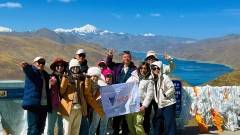
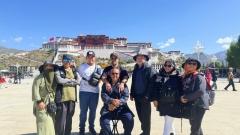
A typical and prudent itinerary arrangement looks roughly like this: Depart from Lhasa, tour Yamdrok Lake and Karola Glacier along the way, stay in Shigatse to acclimatize, visit Tashilhunpo Monastery, then proceed along National Highway 318 to Tingri, finally arriving at the Everest Base Camp altitude area. The entire journey usually takes 8 to 10 days to ensure adequate high-altitude acclimatization time. Whether joining a small tour group or customizing a private vehicle, having an experienced guide and driver is crucial. They are not only familiar with road conditions but can also promptly handle unexpected situations in high-altitude areas.
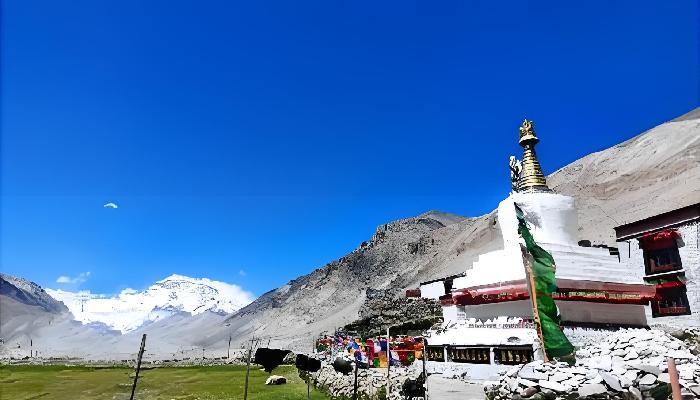
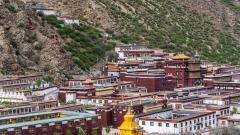
Rongbuk Monastery
Pre-Trip Preparation Checklist: From Gear to Mindset
Facing the challenge of Everest Base Camp’s altitude, thorough preparation can significantly increase the chances of success and safety.
- Clothing and Gear: Follow the “onion layering” principle. Essentials include a windproof and waterproof jacket, a warm down jacket, moisture-wicking base layers, a warm hat, sunglasses (for UV protection), and high-top hiking boots. The temperature difference between day and night is extreme, so preparation must be comprehensive.
- Documents and Permits: To travel to Tibet, international visitors need to apply for a “Tibet Travel Permit” through a qualified travel agency, which also arranges transportation and guides. Everest Base Camp is within a border management area, requiring an additional “Border Permit.” These should all be handled by the travel agency.
- Mindset Preparation: This is not a race. Slow down and listen to your body. The experience of Everest Base Camp’s altitude is not just about reaching a geographical coordinate; it is a process of learning to coexist with nature and understanding your own limits. Maintain reverence and patience, and enjoy the magnificence of every moment along the way.
Approaching the Sacred Everest with Respect
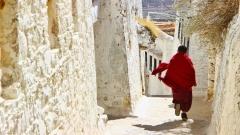
Embarking on the altitude journey to Everest Base Camp is not only a geographical expedition but also a profound spiritual journey touching the sacred sites of Tibetan culture. Every stone and tree here carries sacred significance. As you travel, please maintain a heart of devout reverence: When circumambulating religious markers like mani stone piles or prayer flags, be sure to follow the clockwise direction; avoid close-up photography of local residents, monks, or devout pilgrims performing full-body prostrations without their consent. Furthermore, the natural ecosystem at extreme altitudes is extremely fragile. Please strictly practice the principle of “take only pictures, leave only footprints,” ensuring all trash, including hard-to-degrade food packaging, tissues, etc., is carried back to towns with proper waste disposal capabilities. Protecting the pristine natural environment of this Everest Base Camp area is an unshirkable responsibility for every visitor.
The Final Revelation of the Everest Base Camp Altitude Journey
Ultimately, the elevation of Everest Base Camp transcends the mere numerical representation of 5,200 meters. It signifies the convergence of physical and mental boundaries, a profound examination of determination and endurance, and also serves as the portal to the enigmatic expanse of the World’s highest summit. A triumphant expedition hinges on a profound reverence for the altitude, the employment of scientific acclimatization strategies, and thorough pre-expedition arrangements. Upon overcoming the myriad challenges and arriving at that stony encampment, gazing skyward at the awe-inspiring, cloud-bursting Mount Everest, every meticulously crafted plan and laborious adjustment coalesces into an unequalled sense of triumph and honor. This remarkable odyssey initiation is imperceptibly marked the instant one ponders the altitude of Everest Base Camp.