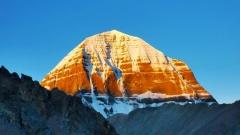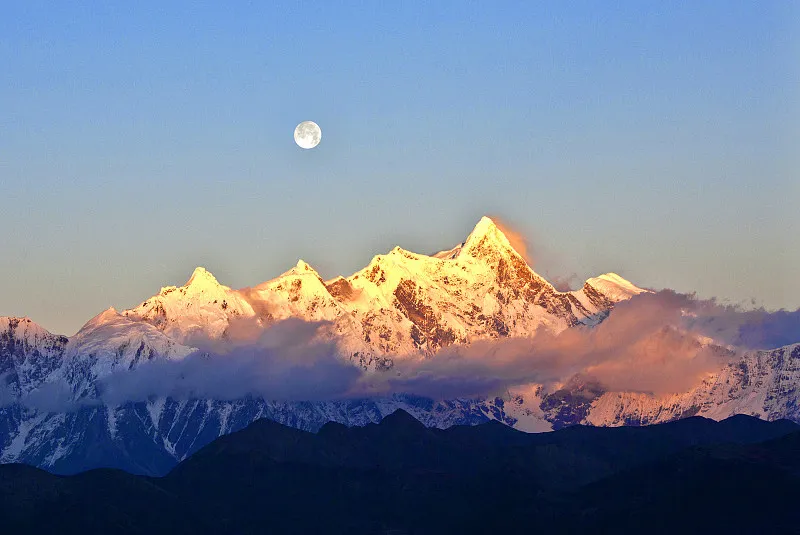

In March, when the regions south of the Yangtze River are already blooming with spring warmth, the Tibetan Plateau remains cloaked in silver snow, yet it welcomes the optimal transition period for tourism. Tibet at this time offers both the icy wonders of winter and the subtle vitality of early spring, making it an excellent season to experience the unique charm of the snowy plateau. March in Tibet sees relatively fewer tourists, allowing visitors to avoid the crowds of peak seasons and enjoy a more serene plateau experience. Additionally, March in Tibet is characterized by abundant sunshine and comfortable daytime temperatures, making it an ideal time to admire snow – capped mountains, lakes, and early spring peach blossoms.
Climate Characteristics and Itinerary Planning for March
March in Tibet marks the transition from winter to spring, with distinct climatic features: warm days and cold nights, with a temperature difference of 15 – 20°C between day and night. In lower – altitude areas such as Lhasa and Nyingchi, daytime temperatures can reach 10 – 15°C, while nighttime temperatures may drop to around – 5°C. Visitors must be well – prepared for cold weather. March sees less precipitation, with mostly clear and sunny weather, making it an excellent time to view panoramic snow – capped mountains. However, spring winds on the plateau can be strong, so windproof gear is essential.
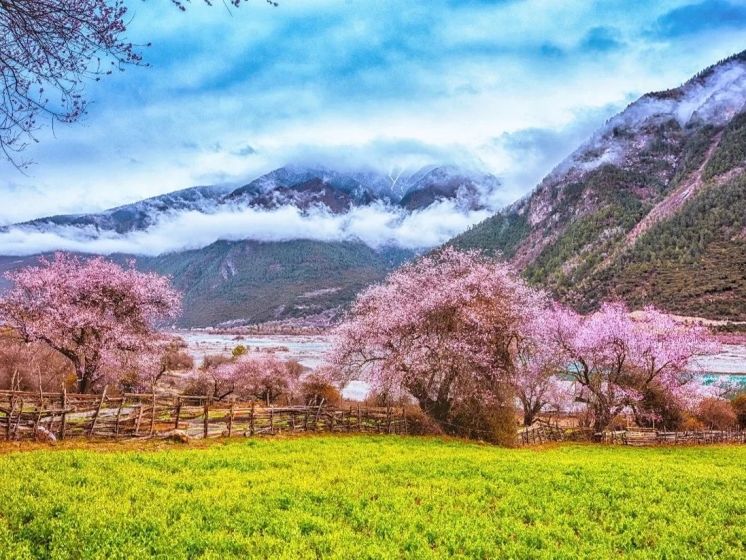
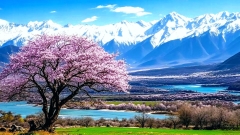
Peach Blossom Valley
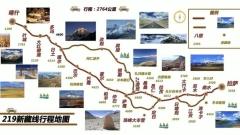
Based on the climatic characteristics of March, the classic 8-day 7-night Tibet itinerary is designed as follows:
- Lhasa Arrival
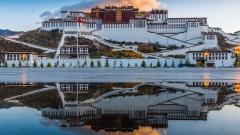
- Downtown Lhasa: Potala Palace — Jokhang Temple — Barkhor Street (Complimentary Potala Palace Afternoon Tea)
- Lhasa — Yamdrok Lake — Karola Glacier — Shigatse
- Shigatse — Tingri — E.B.C. (Complimentary Mount Everest Hot Pot)
- E.B.C. — Tingri — Shigatse
- Shigatse — Tashilunpo Monastery — Lhasa
- Lhasa — Namtso Lake — Northern Tibet Grassland — Lhasa
- Lhasa Departure
Other Tibet Itineraries and Activities in March:
11-Day Tour: Lhasa + Nyingchi + Shigatse + Mount Everest + Namtso Lake
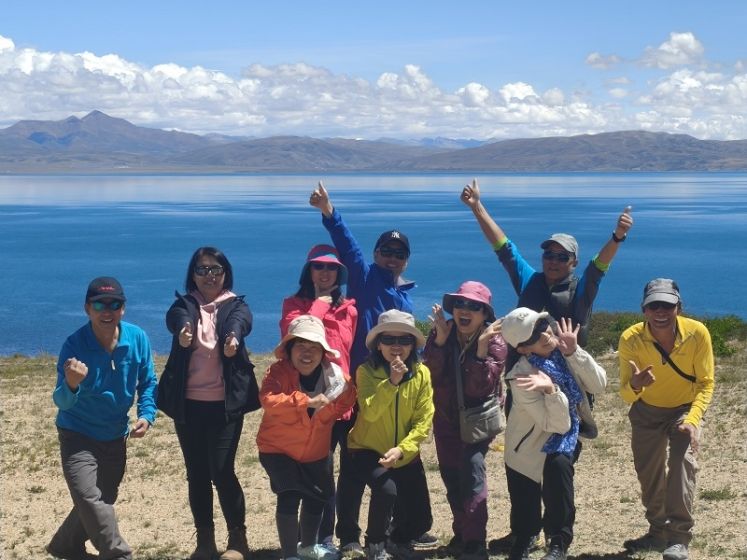
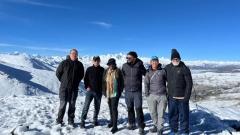
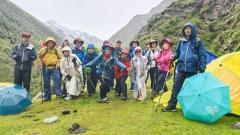
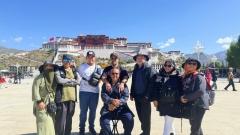
Tibet Tourist Photos
Estimated Costs for a March Trip to Tibet
Ticket Fees:
- Potala Palace: 200 RMB/person (peak season prices effective from March 1)
- Jokhang Temple: 85 RMB/person
- Basum Lake: 120 RMB/person (includes sightseeing bus)
- Yarlung Tsangpo Grand Canyon: 150 RMB/person (includes sightseeing bus)
- Yumbulagang Palace: 60 RMB/person
- Yamdrok Lake: 120 RMB/person
Accommodation Fees (Mid – to – High Standard):
- Lhasa hotels: 300 – 500 RMB/night
- Nyingchi hotels: 250 – 400 RMB/night
- Shannan hotels: 200 – 350 RMB/night
Guiding Services:
- English – speaking guide: 500 – 800 RMB/day
- Tibetan cultural interpreter: 300 – 500 RMB/day
Other Costs:
- High – altitude travel insurance: 100 – 200 RMB
- Emergency supplies such as oxygen canisters: 100 – 200 RMB
- Souvenir shopping: depends on personal preference
Document Guidelines for Visitors from Hong Kong, Macau, Taiwan, and Foreign Countries
Visitors from Hong Kong and Macau:
A valid Home Visit Permit for Hong Kong and Macau Residents is required. Before entering Tibet, you must apply for a Tibet Travel Permit through a Tibet – based travel agency. Required documents include a copy of the Home Visit Permit, itinerary, and accommodation information. Processing time is typically 7 – 15 working days.
Visitors from Taiwan:
A valid Mainland Travel Permit for Taiwan Residents is required. Similar to visitors from Hong Kong and Macau, you must apply for a Tibet Travel Permit through a Tibet – based travel agency. Required documents include a copy of the Mainland Travel Permit and a detailed itinerary. It is recommended to start the application process at least 20 days in advance.
International Visitors:
1、A valid passport and Chinese visa (an L tourist visa with a 30 – day stay is recommended) are required.
2、Tibet Travel Permit: All international visitors must apply for a Tibet Travel Permit through a Tibet – based travel agency. This is an essential document for entering Tibet.
3、Border Permit: If planning to visit border areas such as Everest Base Camp or Ngari, an additional Border Permit is required.
4、Application Process: Apply through a qualified Tibet – based travel agency at least 20 – 30 working days in advance. Required documents include a copy of your passport, Chinese visa, and detailed itinerary.
5、Important Note: International visitors cannot travel independently in Tibet and must arrange transportation, guides, and accommodation through a travel agency.
Requirements for All Visitors:
- Ensure passports or permits are valid for at least six months.
- Prepare copies and electronic scans of documents for backup.
- Consider purchasing specialized high – altitude travel insurance.
- Some hotels in Lhasa may require original copies of the Tibet Travel Permit upon check – in.
- Carry copies of identification documents while keeping originals secure.
Special Reminders for Visiting Tibet in March
Health and Altitude Sickness:
Oxygen levels in Tibet remain relatively low in March, increasing the risk of altitude sickness.
- Avoid bathing, drinking alcohol, and strenuous exercise within the first 48 hours of arrival.
- Prepare preventive medications such as Rhodiola rosea or other altitude sickness remedies.
- Maintain a positive mindset; mild altitude sickness symptoms typically subside within 1 – 2 days.
- Seek medical attention or descend to lower altitudes if severe symptoms occur.
Clothing and Gear Recommendations:
Due to significant temperature variations between day and night in March, layering is essential:
- Base layer: Warm, moisture – wicking undergarments.
- Mid – layer: Fleece or lightweight down jacket.
- Outer layer: Windproof and waterproof jacket.
Essential accessories: Warm hat, gloves, scarf, sunglasses (for strong UV protection), and SPF 50+ sunscreen.
Photography Tips:
March offers soft lighting, making it an excellent time for photography. Recommendations:
Capture snow – capped mountains during early morning or late afternoon for optimal lighting.The best time to photograph peach blossoms in Nyingchi is between March 20 and April 10.Bring sufficient storage cards and backup batteries (cold temperatures drain batteries quickly).Protect equipment from wind, sand, and low temperatures.
Festivals and Activities:
Important festivals and events in Tibet during March include:Tibetan New Year’s Lantern Festival: Monasteries display exquisite butter sculptures.Nyingchi Peach Blossom Festival: Typically opens in late March, featuring folk performances and peach blossom viewing activities.
March in Tibet unveils a breathtaking tapestry of winter and spring intertwined. Visiting during this time allows travelers to avoid the peak-season crowds and immerse themselves in the tranquility of a sacred pilgrimage. The unique charm of March in Tibet lies in its transitional landscapes: partially frozen holy lakes, wild peach blossoms ready to bloom, and days filled with sunshine yet still touched by the lingering chill—all weaving together an unforgettable travel experience unique to this season.
May your journey to Tibet in March become a cherished memory for a lifetime. Tashi Delek!