
Yumen Pass stands as an enduring monument, a quintessential embodiment of the opulent majesty that once defined the bygone ages, capturing the awe-inspiring grandeur of the Han and Tang dynasties. Nestled within the expansive reaches of the Gobi Desert, it now holds a noble place as a vigilant guardian of the lost era’s brilliance, and as a melting pot where various cultures intertwine. Though its former glory may have dimmed, Yumen Pass remains a guiding light for wayfarers, safeguarding a treasure trove of cultural heritage and steering curious souls through its exquisitely woven historical tapestry.
Historical Significance and Geographical Background of Yumen Pass
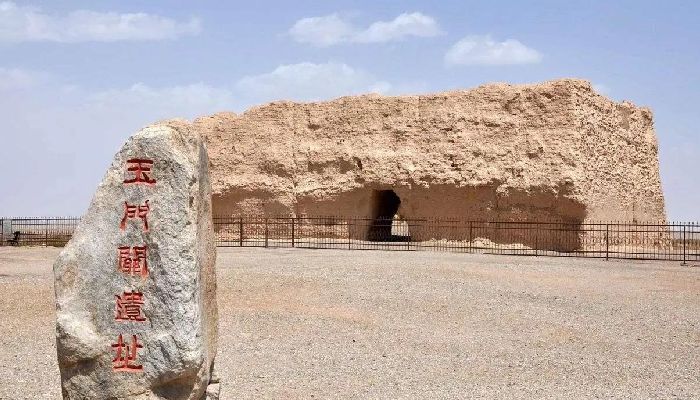
To deeply understand the unique charm of Yumen Pass, the first priority is to conduct in-depth research on the causes of its prominence. Yumen Pass, alongside Yangguan Pass, was a crucial transportation hub on the northern and southern routes of the Han Dynasty Silk Road, boasting an irreplaceable status. This pass served as the main corridor connecting the Central Plains with Western Regions, undertaking the responsibilities of managing commercial activities, collecting tariffs, and ensuring the safety of merchants and travelers. Many famous poems in history, such as “The spring breeze never crosses Yumen Pass,” have further made it an eternal symbol of frontier characteristics, feelings of parting, and endless desolation in Chinese culture. Yumen Pass is located on the Gobi Desert in the northwest of Dunhuang City, Gansu Province. The desolation and loneliness of the surrounding environment appropriately reflect the profound sense of history and the vicissitudes of time it carries.
Yumen Pass
Detailed Transportation Guide to Yumen Pass
Due to the relative remoteness of the Yumen Pass ruins, proper transportation planning is the first step to a smooth journey. Most tourists choose Dunhuang City as their base camp to explore Yumen Pass and nearby attractions.
Arriving in Dunhuang from Major Cities
- By Air: Dunhuang Airport operates flights to and from major cities such as Beijing, Shanghai, Xi’an, and Lanzhou, making it the most efficient way. There are more flights during the peak tourist season, but advance booking is recommended.
- By Train: Dunhuang Railway Station is connected to cities like Lanzhou, Xi’an, and Urumqi. Traveling by train takes longer, but it allows you to experience the scenery of the northwest landscape along the way.
- By Long-Distance Bus: Long-distance buses are also available to Dunhuang from cities within Gansu Province, such as Jiuquan and Jiayuguan, suitable for tourists with ample time who enjoy overland travel.
Traveling from Dunhuang Urban Area to Yumen Pass Ruins
The Yumen Pass ruins are approximately 90 kilometers away from Dunhuang urban area, with a driving time of about 1.5 to 2 hours. The main ways to get there are as follows:
- Chartering/Renting a Car: This is the most flexible and recommended way. You can rent a car in Dunhuang (with a valid driver’s license and relevant documents) or charter a vehicle with a driver. Chartering a car usually allows you to flexibly combine Yumen Pass, Yangguan Pass, Han Dynasty Great Wall Ruins, Yadan National Geopark, and other western route attractions for a one-day tour.
- Joining a Local Tour Group: Local travel agencies in Dunhuang offer several western route sightseeing itineraries, most of which include Yumen Pass. This way saves the trouble of planning transportation by yourself and provides a tour guide’s explanation, suitable for solo travelers or those who want a hassle-free experience.
- Notes: The roads to the ruins are in good condition, but most of the journey is through the Gobi, with scarce service facilities. Before departure, ensure the vehicle is in good condition, fill up the fuel tank, and carry sufficient drinking water and food.
Key Visiting Highlights of the Core Yumen Pass Ruins Area
The Yumen Pass ruins are not a single building but an area containing relics such as the pass city and beacon towers. The main visiting parts include:
Xiaofangpan City Ruins
It is generally believed to be the seat of the Yumen Pass garrison commander during the Han Dynasty. What we see today is the remains of a square earthen fortress built with rammed earth. Though eroded by wind and sand over the years, its outline is still clear. Standing under the city walls, you can imagine the scene of garrison soldiers watching Silk Road caravans from here in the past.
Han Dynasty Great Wall Ruins
Near Yumen Pass, there preserves a stunning section of the Han Dynasty Great Wall ruins. Unlike the well-known stone and brick structure of the Ming Dynasty Great Wall, the Great Wall here is mainly built by ramming layers of reeds, red willow branches, and sand soil, demonstrating the ancient people’s architectural wisdom of adapting to local conditions. The winding wall stretches across the desert, presenting an extremely spectacular sight.
Hecang City (Dafangpan City)
Located about 11 kilometers northeast of Xiaofangpan City, it is an important military supply warehouse site from the Han Dynasty to the Wei and Jin dynasties. Its grand scale allows people to imagine the prosperity of stationing troops and storing grain in the past. The road to here is relatively primitive, suitable for tourists with a special interest in historical archaeology.
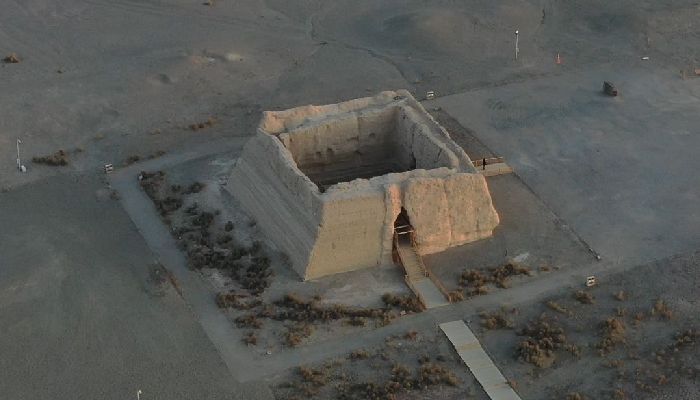
Xiaofangpan City of Yumen Pass
Itinerary Planning and Time Arrangement Suggestions
Planning a trip to Yumen Pass lies in balancing time, physical strength, and the depth of immersion in the historical site. The scenery here is not merely natural beauty, but a temporal and spatial atmosphere composed of the boundless Gobi, desolate ruins, and pure sky. Your itinerary arrangement determines the rhythm at which you breathe in the stories of this land.
If Time is Tight and You Pursue a Concise Core Experience
It is recommended to reserve at least two to three hours for Yumen Pass. This time is sufficient for you to travel to and from Dunhuang urban area and stroll leisurely between Xiaofangpan City and Han Dynasty Great Wall Ruins. There’s no need to rush; the key is to “immerse” yourself: touch the texture of the thousand-year-old rammed earth, listen to the wind in the Gobi, and outline the lonely shadow of the pass city under the blue sky. This concentrated visit allows you to deeply feel the geographical isolation and historical weight depicted in “The spring breeze never crosses Yumen Pass.” Arriving in the early morning or evening, when the slanting light bathes the earthen walls in golden radiance, is the perfect time for photography and meditation.
If Time is Ample and You Seek a Rich Sensory Contrast
You may wish to appreciate Yumen Pass in a broader geographical context. Many travelers combine it with other landform wonders on the western route of Dunhuang. This is not a simple accumulation of attractions but a visual and spiritual pilgrimage from human history to natural creation. For example, before or after visiting Yumen Pass, you can arrange a trip to Yangguan Pass, another historical landmark, to experience the different moods in the poems “West of Yangguan, no old friends remain” and “The spring breeze never crosses Yumen Pass.” Afterwards, head to Yadan National Geopark to witness the grand group of wind-eroded “Devil City.” From the man-made military pass to the geological palace carved by natural forces, this strong contrast enables you to fully appreciate the grandeur and diversity of the Hexi Corridor. Such a combined tour usually takes a full day, and the scenery along the Gobi highway itself is a flowing landscape.
Regarding the Choice of Season and Time of Day
The quality of your trip is also closely related to the season and time of day. Spring and autumn have the most pleasant climate with less wind and sand, making them ideal for long outdoor activities. If traveling in summer, be sure to arrange core explorations in the hours after sunrise or before sunset to avoid the midday heat. Yumen Pass in winter has a unique solemn and vigorous beauty, but adequate protection against the cold and strong winds is necessary. Whenever you go, waiting for a sunset at the pass city ruins is highly recommended. Watching the setting sun dye the sky and earth in warm orange, the sense of historical loneliness becomes particularly intense and pure.
In short, planning an itinerary for Yumen Pass is essentially planning the way and depth of your dialogue with this period of history. The length of time determines the length of the dialogue, while the choice of scenery and time determines the tone and color of this conversation.
Tickets, Opening Hours, and Best Visiting Season
- Tickets: The Yumen Pass ruins implement a combined ticket system, which usually includes Xiaofangpan City, Han Dynasty Great Wall, Hecang City, and other attractions. Ticket prices fluctuate between peak and off-seasons; it is recommended to check the latest prices through official channels or travel agencies before departure.
- Opening Hours: Generally from 8:30 AM to around 6:00 PM daily, may be slightly shortened in winter.
- Best Season: Spring (May-June) and autumn (September-October) are the best visiting times. At this time, the climate is mild, wind and sand are relatively small, and the outdoor experience is comfortable. Days are extremely hot in summer, and winters are cold with strong winds; adequate protection against extreme weather is required.
Practical Guide to Travel to Yumen Pass
Accommodation
Most tourists choose to stay in Dunhuang urban area. There is a wide range of accommodation options in the urban area, from international chain hotels and comfortable guesthouses to budget hostels, with convenient dining and shopping facilities. Advance booking is recommended, especially during the Golden Week and summer vacation peak seasons.
Dining
There are no formal restaurants within the Yumen Pass ruins area, only small stalls at the entrance may sell simple snacks and drinking water. Therefore, be sure to prepare in advance before leaving Dunhuang or during the chartered trip:
- Carry sufficient drinking water: The Gobi area is dry, and dehydration is likely to occur.
- Prepare energy-rich food: Such as chocolate, energy bars, fruits, bread, etc.
- Arrangements for main meals: Lunch on a one-day tour can usually be solved near the Yangguan Pass scenic area or in towns on the way back to Dunhuang, where there are more restaurant choices.
Clothing and Equipment
Yumen Pass is located in the Gobi, with a dry climate, strong sunlight, and large temperature differences between day and night.
- At any time, prepare sun protection equipment such as sunscreen, sunglasses, and a wide-brimmed hat.
- Wear comfortable and durable shoes for walking on sandy and gravelly ground.
- Even in summer, it is advisable to bring a windproof jacket. Warm clothing is necessary for spring, autumn, and winter.
Respect and Protection
Yumen Pass is an extremely precious historical and cultural heritage, as well as a fragile environmental area.
- Do not carve, climb, or take any soil or rocks from the ruins.
- Take all garbage out of the scenic area to protect the Gobi ecological environment.
- Maintain silence during the visit, which is the basic respect for history and subsequent visitors.
Photography Suggestions
The vastness of the Gobi provides an excellent background for photography. The slanting sun in the early morning or evening can cover the yellowish earthen ruins with golden light, making it the best shooting time. A wide-angle lens is suitable for capturing the vast panoramic view, while a telephoto lens can capture architectural details and light-dark contrasts.
Extended Explorations Around Yumen Pass
If you have sufficient time, starting from Yumen Pass, you can further explore the historical treasures of the Hexi Corridor:
- Mogao Grottoes in Dunhuang: A world-class sacred land of Buddhist art, absolutely not to be missed. It is recommended to reserve a full day for a visit.
- Mingsha Mountain and Crescent Spring: A wonder where desert and clear spring coexist. You can experience activities such as camel riding and sand sliding.
- Jiayuguan Pass: Known as “the First Pass Under Heaven,” it is the western starting point of the Ming Dynasty Great Wall. The architecture is relatively well-preserved and magnificent.
- Zhangye Danxia National Geopark: A geological park with colorful hills, whose natural scenery is breathtaking.
Planning Your Visit to Yumen Pass
Embarking on a Silk Road expedition that includes the storied Yumen Pass is to undertake a soul-stirring voyage through the annals of history and modernity. Meticulous forethought in arranging transport, harmonizing itineraries, and attending to the nuances of site exploration is key to a gratifying experience. Those in pursuit of a meticulously crafted travel agenda and robust logistical support might seek the expertise of seasoned travel consultants like China Dragon Travel. They are poised to tailor unique itineraries that encompass transportation, lodging, and sightseeing, aligned with your preferences and schedule, enabling you to immerse yourself more deeply in the resonant history of this storied region. As you stand amidst the remnants of Yumen Pass, with the ferocious Gobi winds whispering stories in your ear, the distant chime of camel bells, the verses of ancient poets, and the tangible weight of history appear almost within your grasp. Such moments of poignant connection are the most precious treasures of this odyssey.