
When people think of Tibetan lakes, iconic names like Namtso and Yamdrok often come to mind. Yet beyond these famous destinations lies a quieter, more intimate side of the plateau. Scattered across remote valleys, grasslands, and glacier basins are lesser-known lakes that remain largely untouched by mass tourism. Exploring these hidden waters offers travelers a rare opportunity to experience Tibet in its most peaceful and authentic form.
Why Explore Lesser-Known Lakes in Tibet
Traveling to Tibet is not simply about visiting landmarks, but about connecting with space, silence, and scale. Lesser-known lakes provide an experience fundamentally different from popular sites.
Without crowds, travelers are free to linger, observe, and absorb the surroundings at their own pace. These lakes often retain natural shorelines, untouched wetlands, and traditional pastoral life. The absence of infrastructure becomes part of the appeal, allowing deeper immersion into the plateau’s rhythms.
Moreover, the spiritual quality of Tibet becomes more tangible in quiet spaces. With fewer distractions, travelers often find a stronger emotional and reflective connection to the landscape.
Laigu Glacier Lakes Pristine Blues Beneath Ice Giants
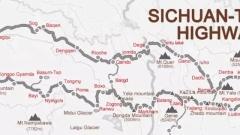
Located in eastern Tibet, the Laigu Glacier area is known for its dramatic ice formations, but its surrounding glacial lakes are equally captivating. Fed by melting ice, these lakes display striking shades of blue that change throughout the day.
Because most visitors focus on the main glacier viewpoints, the lakes remain remarkably peaceful. Early morning and late afternoon light create mirror-like reflections of snow peaks, making this area ideal for photographers and nature lovers seeking solitude.
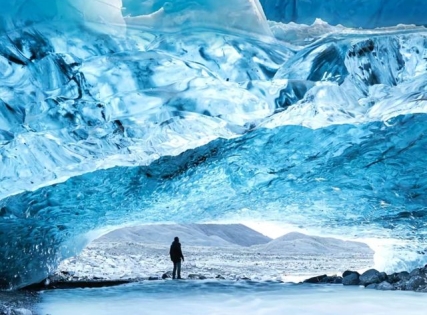
Laigu Glacier
Cuona Lake A Silent Presence on the High Plateau
Cuona Lake sits along the Qinghai-Tibet Railway yet remains surprisingly overlooked. As one of the highest freshwater lakes in the region, it features crystal-clear water framed by expansive grasslands and distant mountains.
Minimal tourism development has preserved its calm atmosphere. Grazing yaks and prayer flags are common sights, offering a glimpse into everyday life on the northern Tibetan plateau. For travelers seeking authenticity rather than convenience, Cuona Lake is deeply rewarding.
Dangre Yongtso The Hidden Jewel of Western Tibet
Often overshadowed by nearby sacred lakes, Dangre Yongtso is considered by experienced travelers to be among Tibet’s most beautiful bodies of water. Surrounded by Bon religious sites and rugged terrain, the lake carries a profound spiritual presence.
Its color shifts dramatically with weather conditions, from deep sapphire under clear skies to dark, mysterious tones during overcast days. The journey to reach it is challenging, but the sense of isolation and purity is unmatched.
Satellite Lakes of Pangong Tso Quiet Corners of the Borderlands
While Pangong Tso itself attracts attention, its lesser-known satellite lakes remain largely ignored. These smaller lakes often have lower salinity and richer ecosystems, supporting birds and wetland vegetation.
The varied shoreline landscapes create opportunities for slow exploration and wildlife observation. For travelers seeking the vastness of western Tibet without the crowds, these hidden waters offer a balanced alternative.
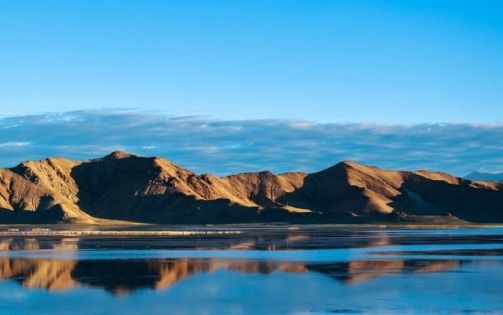
Satellite Lakes
Hidden Branches of Ranwu Lake Beyond the Main Route
Ranwu Lake is well known, but few venture beyond its main viewpoints. Tucked deeper into the surrounding valleys are smaller lakes fed by snowmelt, featuring milky blue and turquoise hues.
These areas are often adjacent to traditional villages and grazing lands, allowing travelers to observe daily life up close. Compared to brief stops at popular viewpoints, these hidden corners invite longer stays and deeper engagement.
Practical Tips for Visiting Remote Tibetan Lakes
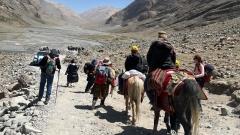
Exploring lesser-known lakes requires careful planning. Transportation usually involves private vehicles and experienced drivers familiar with high-altitude conditions. Accommodation is often basic, so flexibility is essential.
Acclimatization is critical, as many lakes lie at significant elevations. Travelers should pace themselves and avoid overexertion.
Respect for nature and local customs is equally important. Leave no waste behind and be mindful of sacred spaces around lakes and mountains.
Conclusion
The hidden lakes of Tibet are gifts reserved for travelers willing to move slowly and look beyond the obvious. Free from crowds and commercial noise, they reveal the plateau’s most authentic beauty. For those seeking a quieter, more meaningful Tibetan journey, these secluded lakes offer lasting memories. China Dragon Travel has extensive experience designing in-depth and off-the-beaten-path Tibet itineraries, helping travelers explore these remote landscapes safely and responsibly.