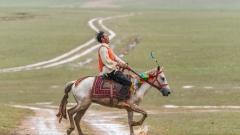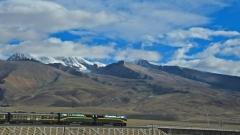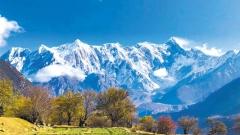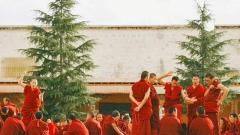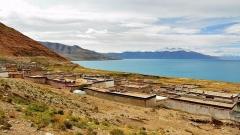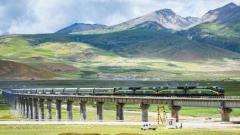

Embarking on a journey to the mystical land of Tibet, drawn by the enchantment of its cerulean skies and expansive, pristine terrains, demands thorough travel preparation. The region captivates with a symphony of stunning natural wonders and a treasure trove of cultural patrimony. To fully immerse in the grandeur of the Potala Palace, the reverence of Mount Everest, or the serene embrace of Namtso Lake, an ample span of time is imperative. This compendium is meticulously compiled to furnish indispensable insights for planning your odyssey, with a special focus on scenic allure, historical resonance, and captivating encounters to fulfill your fervent expectations.
The Key to Deciding Duration: The Essential Soul-Stirring Experiences of Tibet
Tibet’s travel map is composed of several core experiences, and the number of Tibet travel days you plan directly determines how many of these you can include. These experiences go far beyond checking off landmarks; they are the keys to understanding this land.
In Lhasa, Engaging in a Dialogue with Millennia-Old Faith
Lhasa is far more than just a starting point or a place to stay. It is the heart of Tibet, requiring you to slow down and touch it with your senses. Spend a day following the footsteps of pilgrims, walking slowly along the Barkhor Street circumambulation path, feeling the air filled with the scent of butter lamps and the low murmur of sutra chants. Enter the Jokhang Temple and gaze upon the serene face of the Jowo Shakyamuni statue, and you will understand what constitutes the gravitational center of faith. Climbing the Potala Palace is not only a physical challenge but also like a pilgrimage through time, from the political and religious history of the White Palace to the spiritual spaces of the Red Palace, each step treads upon layers of heavy history. Lhasa alone deserves at least two full days—one for your body to adapt to the altitude and one for your soul to immerse in the culture.
Encountering the Blue Gems of the Plateau: Yamdrok Lake and Namtso
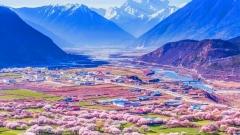
Tibet’s sacred lakes each have their own character. Yamdrok Lake resembles a turquoise silk ribbon draped across the mountains, winding and twisting, with the first glimpse from the Kamba La Pass enough to captivate the heart. Namtso, on the other hand, is like a sea upon the northern Tibetan grasslands, vast and boundless, where water meets sky, allowing you to deeply appreciate the meaning behind its name “Heavenly Lake” when standing on its shore. Visiting each of these sacred lakes typically requires a full day. They are not just scenery but also sanctuaries of tranquility and vastness for spiritual healing, serving as important breathing points within the itinerary.
Gazing Upon the Roof of the World: The Call of Mount Everest
For many, being able to gaze upon Mount Everest up close is the ultimate dream of a Tibet journey. The trip to Everest Base Camp (Rongbuk Monastery area) is a long and arduous journey, usually requiring a two-day, one-night trip starting from Shigatse. The bumpy roads and increasing altitude are all a prelude to that final moment—when the highest peak on Earth stands unobstructed before your eyes, the pure shock emanating from nature makes all the effort worthwhile. This journey itself is a form of practice.
The Flavor of Tibet: Feeling the Plateau’s Warmth on Your Tongue
When planning your Tibet travel days, don’t forget to allocate time for your taste buds to explore. The plateau’s cuisine is rugged yet warm, forming a crucial part of the cultural experience.
In the morning, try following the locals into a sweet tea house. Order a pot of sweet, fragrant milk tea paired with a bowl of Tibetan noodles, and observe the awakening of daily life. For a main meal, a steaming hotpot of yak meat is the best choice to ward off the chill—the tender yak meat is firm in texture, and the broth is rich. Tsampa, as a staple, involves the fun process of mixing roasted barley flour with butter tea by hand; it’s an efficient energy-boosting food. The salty aroma of butter tea might be unfamiliar at first sip, but it is a traditional beverage for adapting to high altitude. Seeking out these authentic flavors in Lhasa’s old town or Shigatse’s markets can add more warm, living essence to your Tibet travel days.
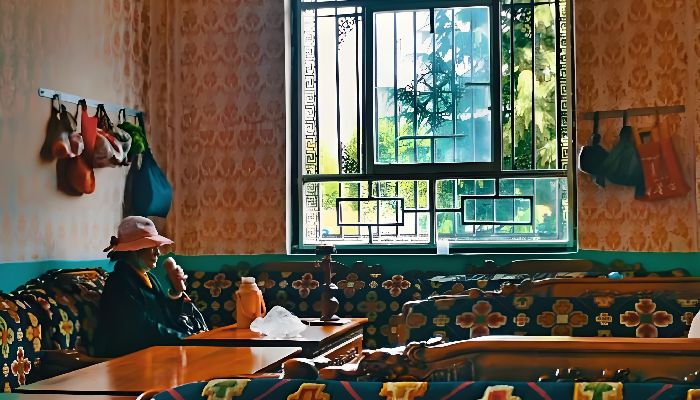
Sweet Tea House on Barkhor Street, Lhasa, Tibet
Classic Itinerary Example: An Eight-Day, Seven-Night Tibet Highlights Loop
After understanding Tibet’s core experiences, a classic itinerary framework emerges. Many travelers opt for an eight-day, seven-night loop, which efficiently and deeply connects the aforementioned highlights. Below is a specific sample itinerary:
- Itinerary Name: Lhasa + Shigatse + Yamdrok Lake + Everest + Namtso 8 Days & 7 Nights
- Duration: 8 days
- Departure Point: Lhasa
- Brief Itinerary: Lhasa – Potala Palace – Jokhang Temple – Barkhor Street – Yamdrok Lake – Karola Glacier – Shigatse – Tingri – Everest Base Camp – Tashilhunpo Monastery – Namtso Lake – Northern Tibetan Grasslands.
This route begins with cultural adaptation in Lhasa, connects sacred lakes, glaciers, the roof of the world, and the center of rear Tibet along the way, and concludes with the sacred Namtso Lake and vast grasslands, forming a perfect geographical and experiential circle. Such design of Tibet travel days and route is compact yet focused, encompassing almost all the scenic and cultural landmarks first-time visitors yearn for, serving as an excellent reference template for planning.
If you’d like to explore Tibet more thoroughly, click here: Tibet Tours
Planning Your Tibet Travel Days: Practical Advice and Mental Preparation
When transforming attractions, culture, and routes into concrete calendar days, the following suggestions can make your plan more realistic.
Leave Breathing Room in Your Itinerary
High-altitude travel involves many variables; weather, road conditions, or physical adaptation can all affect the pace. When planning your Tibet travel days, avoid packing every single day to the brim. Especially in the initial days in Lhasa, reserve an unplanned half-day to let your body adapt freely. A flexible itinerary offers a far better experience than one meticulously scheduled by the hour but leaves you exhausted.
Travel Time is a Hidden Cost
Tibet is vast and sparsely populated. The most beautiful scenery is often found on the road, but “on the road” also means significant travel time. For example, the one-way journey from Lhasa to Namtso takes about 5-6 hours by car. When planning, be sure to factor these transit times between attractions into your consideration of Tibet travel days. This will help you set realistic expectations for the itinerary.
Mindset Determines the Depth of Experience
Rather than pursuing the quantity of places “been to,” focus on the quality of “feeling.” Sitting quietly for an hour in Potala Palace Square, watching light and shadow play upon the palace walls; looking up at the seemingly touchable Milky Way in the cold night at Everest Base Camp—these moments don’t require extra days but a heart willing to slow down and immerse itself. The Tibet travel days you arrange ultimately serve this sense of immersion.
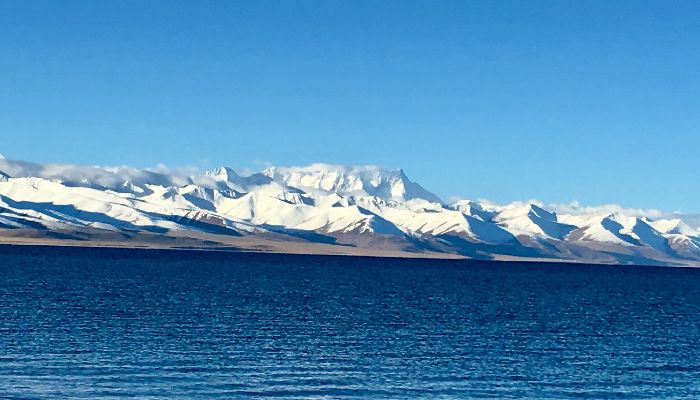
Lakeside of Namtso, Tibet
Frequently Asked Questions about Tibet Travel
Q: For a first-time visit to Tibet, what is the minimum recommended number of days?
Considering altitude adaptation and core experiences, we recommend first-time travelers to Tibet allocate at least 7 to 8 days. This ensures you have sufficient adaptation time in Lhasa (1-2 days) and can comfortably visit one major scenic area outside Lhasa (such as the Yamdrok Lake + Everest route or the Namtso route), achieving a complete and memorable initial experience.
Q: Is a Tibet trip possible with only 5-6 days?
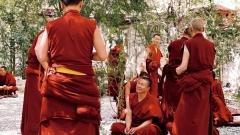
Yes, but it requires adjusting your goals and travel scope. It’s advisable to concentrate all your time on Lhasa and its surroundings. Use 1 day for adaptation, 2 days for in-depth exploration of Lhasa city (Potala Palace, Jokhang Temple, Sera Monastery debate, etc.), and 1-2 days for surrounding day trips. This allows for a safe and in-depth experience of Tibet’s cultural core within a limited number of Tibet travel days.
Q: Which is more suitable for controlling the itinerary duration: group tours or independent travel?
For most travelers, especially first-time visitors to Tibet, arranging the trip through a reliable travel agency is a more efficient choice. Professional agencies can optimize routes, ensure smooth connections for transport, accommodation, and attractions within your predetermined Tibet travel days, and handle procedures like the Tibet Travel Permit, allowing you to focus on the experience without spending precious time on logistical details.
Embark on Your Tibet Time
Crafting a sojourn to Tibet is akin to allocating a span of time solely for self-reflection. It matters not the precise duration of your Tibetan expedition; the essence is to immerse yourself in the expansive, serene, and hallowed ambiance of this region. By releasing the fixation on timelines and concentrating on the tempo of your inner voyage, the Tibetan plateau will unveil its most captivating essence to you. From relishing a cup of aromatic sweet tea in the streets of Lhasa to experiencing the bracing wind at the base of Mount Everest, each instance is worthy of meticulous appreciation. Should you seek more indigenous counsel on orchestrating your itinerary, seasoned entities such as China Dragon Travel, with their profound expertise in Tibetan tourism, are poised to provide you with comprehensive itinerary proposals tailored to your schedule and personal inclinations, ensuring your invaluable respite is transformed into an enduringly unforgettable Tibetan adventure.