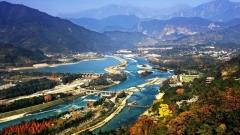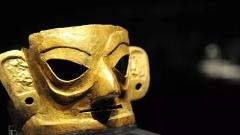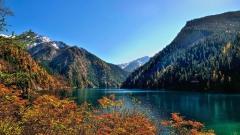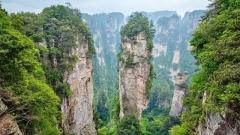

If you are looking for the most worthwhile day trip or short getaway from Chengdu, Dujiangyan and Qingcheng Mountain are two places that naturally belong on the same itinerary. One tells the story of an ancient water-control system that still works today, while the other offers quiet forests, Taoist heritage, and a slower pace far away from the city. Together, they create a travel experience that combines history, culture, and scenery in a way few destinations around Chengdu can match. For first-time visitors and returning travelers alike, this is one of the most balanced and memorable routes in Sichuan.
In-Depth Guide to Dujiangyan Scenic Area
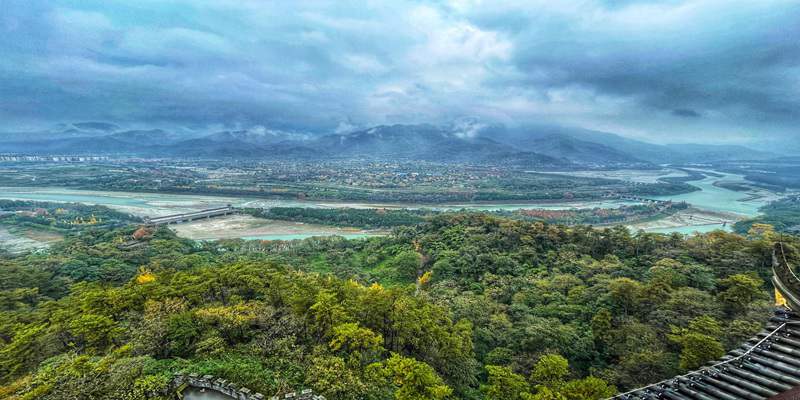
Constructed during the Warring States Period under the leadership of Li Bing and his son, the Dujiangyan Irrigation System stands as the oldest continuously operating water conservancy project in the world, with a history spanning over 2,200 years. Recognized as a UNESCO World Heritage Site in 2000, this engineering marvel not only tamed the devastating floods of the Minjiang River but also transformed the Chengdu Plain into the fertile “Land of Abundance” that it remains today. Unlike modern dams that block rivers entirely, Dujiangyan embodies the ancient Chinese philosophy of “working with nature rather than against it,” a principle that continues to inspire engineers worldwide.
Dujiangyan
Fish Mouth Levee
The iconic Fish Mouth Levee is the centerpiece of the Dujiangyan system, situated right in the middle of the Minjiang River. This ingenious structure divides the turbulent river into two distinct channels: the Inner River, which directs water for agricultural irrigation across the Chengdu Plain, and the Outer River, which serves as a natural floodway. Standing on the observation deck overlooking the Fish Mouth, you can witness the dramatic split of the river firsthand. The roaring waters rush in two directions, one nurturing millions of acres of farmland and the other safely carrying excess floodwater away—a breathtaking testament to the extraordinary ingenuity of ancient Chinese craftsmen.
Feisha Weir Spillway
Known as the “safety valve” of Dujiangyan, the Feisha Weir Spillway is one of the three core components of the irrigation system, responsible for both flood discharge and sediment removal. When the water level in the Inner River exceeds the capacity of the Baopingkou Water Inlet, the excess water automatically overflows the weir into the Outer River. Even more remarkably, the weir uses centrifugal force to spin sediment and pebbles carried by the current into the Outer River, preventing the Inner River from silting up and ensuring the irrigation system operates smoothly year after year. This self-regulating design has allowed Dujiangyan to function without major repairs for over two millennia.
Baopingkou Water Inlet
Carved entirely by hand from a solid mountain cliff, the Baopingkou Water Inlet is the narrow throat that controls the flow of water into the Chengdu Plain irrigation network. Named for its bottle-like shape, this man-made gorge not only precisely regulates the amount of water entering the irrigation system but also acts as a final barrier to trap sediment, ensuring the water reaching the farmland is clear and clean. Adjacent to the Baopingkou is Lidui Park, a serene oasis filled with ancient trees, winding streams, and traditional pavilions. It’s the perfect spot to take a break, snap photos, and reflect on the incredible effort that went into creating this engineering masterpiece.
Two Kings Temple
Perched on a hillside overlooking the entire Dujiangyan system, the Two Kings Temple was built to honor Li Bing and his son for their monumental contributions to flood control and irrigation. The temple complex is a masterpiece of traditional Chinese architecture, with grand halls, winding corridors, and ancient cypress trees that have stood for centuries. Inside, you’ll find numerous inscriptions and stone tablets from famous historical figures, including the famous “Three-Character Classic” and “Eight-Character Maxim” that summarize Li Bing’s timeless water management principles. Climbing to the upper levels of the temple offers panoramic views of the irrigation system, allowing you to fully appreciate the scale and brilliance of the project.
Anlan Suspension Bridge
Also affectionately known as the Husband and Wife Bridge, the Anlan Suspension Bridge spans the mighty Minjiang River and is one of China’s most famous ancient suspension bridges. Originally constructed with bamboo ropes and wooden planks, the bridge sways gently as you walk across it, offering thrilling views of the rushing river below and the entire Dujiangyan irrigation system. Crossing the bridge is not just a practical way to get from one side of the river to the other—it’s an immersive experience that lets you feel the courage and ingenuity of the ancient people who built this vital crossing over such a treacherous river.
Comprehensive Guide to Mount Qingcheng Scenic Area
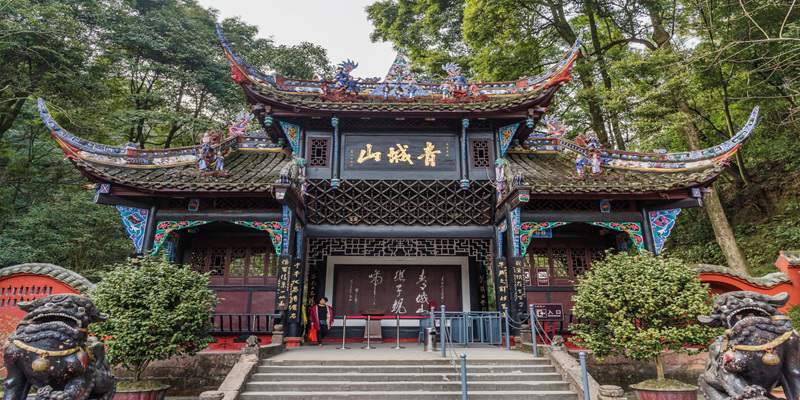
Renowned worldwide for its unparalleled tranquility, Mount Qingcheng has earned the famous reputation of “the most serene mountain under heaven.” As one of the birthplaces of Taoism and a UNESCO World Heritage Site alongside Dujiangyan, it seamlessly blends breathtaking natural scenery with profound religious culture. The mountain is covered in lush evergreen forests that stay green year-round, and its winding paths are dotted with ancient Taoist temples that exude a sense of peace and spirituality. Mount Qingcheng is divided into two main areas: the Front Mountain, which focuses on Taoist culture and historical sites, and the Back Mountain, which is celebrated for its pristine natural beauty and hiking trails.
Mount Qingcheng
Mount Qingcheng Front Mountain
The Front Mountain is the most popular area for visitors, home to the majority of Qingcheng’s famous Taoist temples and cultural landmarks. Walking through the ancient forests along the stone paths, you’ll be surrounded by the sound of birdsong and the gentle rustle of leaves, with the scent of incense drifting from the temples hidden among the trees. Every step feels like a journey back in time, allowing you to immerse yourself in the quiet wisdom of Taoism.
Jianfu Palace
Located just to the left of the main mountain entrance, Jianfu Palace is the first Taoist temple you’ll encounter when visiting Mount Qingcheng. Originally built during the Tang Dynasty, the palace is nestled among ancient trees and features elegant traditional architecture with carved beams and painted rafters. Inside, the temple honors Ning Fengzi and Du Guangting, two important figures in Taoist history. The peaceful atmosphere and beautiful surroundings make Jianfu Palace the perfect place to rest and acclimate to the mountain’s serene energy before continuing your journey upward.
Tianshi Cave (Changdao Taoist Temple)
Tianshi Cave, also known as Changdao Taoist Temple, is the most important temple on Mount Qingcheng and a sacred site for the Quanzhen School of Taoism. According to legend, Zhang Daoling, the founder of Taoism, lived and taught here during the Eastern Han Dynasty, making this one of the birthplaces of the religion. The temple complex is built into the mountainside, with multiple levels of grand halls and courtyards that house precious cultural relics and ancient stone inscriptions. Walking through Tianshi Cave, you can feel the deep spiritual energy that has drawn Taoist practitioners to this spot for nearly 2,000 years.
Shangqing Palace
Perched at the summit of Mount Qingcheng’s highest peak, over 1,600 meters above sea level, Shangqing Palace is the highest Taoist temple on the mountain. The palace honors Laozi, the founder of philosophical Taoism, and Zhang Sanfeng, the legendary Taoist master associated with Tai Chi. Inside, you’ll find famous landmarks such as the Mandarin Duck Well and Magu Pool, both steeped in Taoist mythology. The observation deck at Shangqing Palace offers breathtaking panoramic views of the entire mountain range, with rolling green hills stretching as far as the eye can see and mist swirling around the peaks—truly a sight that feels like stepping into a fairy tale.
Mount Qingcheng Back Mountain
For those seeking a deeper connection with nature, the Back Mountain of Qingcheng is a paradise of unspoiled wilderness. With its crystal-clear streams, cascading waterfalls, dense forests, and fresh mountain air, it’s the perfect place to escape the hustle and bustle of city life and recharge your batteries. The hiking trails here are less crowded than those on the Front Mountain, allowing you to enjoy the beauty of nature in peace and quiet.
Tai’an Ancient Town
Located at the foot of the Back Mountain, Tai’an Ancient Town is the gateway to this pristine natural area. The town is built along a winding river, with traditional stone houses and cobblestone streets that have remained unchanged for centuries. Lining the streets are charming guesthouses, local restaurants, and shops selling handmade crafts and local specialties. It’s the ideal place to stop for a meal, browse the local markets, or simply sit by the river and soak up the laid-back atmosphere of this ancient town.
Wulong Gorge
Named for the legend that five dragons once lived here, Wulong Gorge is famous for its spectacular waterfalls and stunning natural scenery. The gorge is filled with crystal-clear pools and cascading waterfalls, the most famous of which is the Three Pools Misty Spring. Here, a waterfall plunges down a steep cliff into three deep pools, creating a cloud of mist that shimmers in the sunlight and makes the area feel like a magical fairyland. Walking through Wulong Gorge, you’ll be surrounded by the sound of rushing water and the lush greenery of the forest, making it one of the most memorable spots on the Back Mountain.
Feiquan Gorge
Equally beautiful as Wulong Gorge, Feiquan Gorge is known for its incredibly fresh air and dense vegetation. The area has one of the highest concentrations of negative oxygen ions in Sichuan, earning it the nickname “natural oxygen bar.” The hiking trail through Feiquan Gorge passes by landmarks such as Baizhang Bridge and the Double Spring Water Curtain Cave, with the sound of trickling water accompanying you every step of the way. It’s a gentle and enjoyable hike that’s perfect for families and casual hikers who want to experience the beauty of Qingcheng’s natural landscape.
Transportation Options to Dujiangyan & Mount Qingcheng
Getting to Dujiangyan and Mount Qingcheng from Chengdu is easy and convenient, with a variety of transportation options to suit every traveler’s needs and budget. Whether you prefer the speed and comfort of high-speed rail, the affordability of intercity buses, the flexibility of self-driving, or the convenience of a guided tour, you’ll find a way to reach these amazing destinations without hassle.
High-Speed Rail
The fastest and most comfortable way to travel from Chengdu to Dujiangyan and Mount Qingcheng is by high-speed rail. Trains depart from Xipu Station in Chengdu and arrive at either Dujiangyan Station or Mount Qingcheng Station in just 30 minutes, with tickets costing around 10 RMB. Trains run frequently, with departures every 10 to 20 minutes throughout the day, so you can easily book your tickets online in advance to avoid waiting in line. Once you arrive at the station, you can take a local bus or taxi to the scenic areas, which are just a short ride away.
Intercity Bus
For budget-conscious travelers, intercity buses are a great option. Buses depart regularly from Chadianzi Bus Terminal in Chengdu and arrive at Dujiangyan Bus Terminal in about 1 hour, with tickets costing around 15 RMB. From Dujiangyan Bus Terminal, you can transfer to local buses or taxis to reach either Dujiangyan Scenic Area or Mount Qingcheng Scenic Area. Local bus fares range from 2 to 5 RMB, while taxi fares typically cost between 10 and 20 RMB depending on your destination.
Self-Driving
If you prefer the freedom to set your own schedule, self-driving is an excellent choice. From downtown Chengdu, take the Chengdu-Dujiangyan Expressway and you’ll reach Dujiangyan Scenic Area in about 1 hour, with Mount Qingcheng just an additional 20 minutes’ drive away. There are plenty of parking lots near both scenic areas, with parking fees ranging from 10 to 20 RMB per day. Self-driving is especially ideal for families or groups of friends traveling together, as it allows you to stop and explore along the way at your own pace.
Group Tours
For travelers who don’t want to worry about planning their itinerary, booking transportation, or buying tickets, a group tour is the perfect solution. Many travel agencies in Chengdu offer one-day or two-day tours to Dujiangyan and Mount Qingcheng at reasonable prices. These tours include round-trip transportation, entrance tickets, and the services of a professional tour guide who can provide detailed explanations of the history and culture of the sites. Group tours are especially recommended for travelers with limited time or those who want to gain a deeper understanding of these amazing World Heritage sites.
Local Cuisine to Try in Dujiangyan & Mount Qingcheng
No trip to Dujiangyan and Mount Qingcheng would be complete without sampling the delicious local cuisine. The region’s food is a perfect reflection of Sichuan’s bold flavors, with a unique twist that comes from the fresh local ingredients and traditional cooking methods. From spicy street snacks to hearty home-style dishes, there’s something to satisfy every palate.
Dujiangyan Braised Rabbit Heads
Dujiangyan’s most famous specialty, braised rabbit heads are a beloved local snack that has gained popularity across China. The rabbit heads are slow-braised in a rich sauce made with over 20 different spices, resulting in meat that is tender, flavorful, and falls right off the bone. Available in spicy, five-spice, and braised flavors, they’re the perfect snack to enjoy while exploring the scenic areas or to take home as a souvenir for friends and family.
Mount Qingcheng Traditional Smoked Pork
Made using traditional methods passed down through generations, Mount Qingcheng smoked pork is a true local delicacy. The pork comes from free-range local pigs and is cured and smoked over fruit wood for several weeks, giving it a rich, smoky flavor and a firm texture. It can be eaten sliced cold as an appetizer, stir-fried with vegetables, or steamed with rice, and it’s a must-try for anyone visiting the mountain.
Ginkgo Nut Stewed Chicken
This nourishing dish is made with fresh ginkgo nuts from Mount Qingcheng and free-range local chicken, slow-stewed for hours to create a rich, flavorful broth. The ginkgo nuts add a subtle nutty flavor to the soup, while the chicken becomes tender and juicy. Not only is this dish delicious, but it’s also believed to have numerous health benefits, making it the perfect meal to enjoy after a long day of hiking.
Cold-Water Fish
Thanks to the crystal-clear, cold waters of the Minjiang River and the mountain streams of Qingcheng, the region is famous for its fresh cold-water fish. The fish have tender, delicate flesh with no fishy taste, and they can be prepared in a variety of ways, including steamed, braised, or boiled. Steamed cold-water fish is the most popular preparation, as it allows the natural flavor of the fish to shine through, and it’s a signature dish at many local restaurants.
Congcong Rolls (Scallion Pancake Rolls)
A traditional street snack from Dujiangyan, congcong rolls are made by wrapping thin pancakes around shredded scallions, radish, and potato, then dipping them in a special spicy sauce. They’re light, refreshing, and full of flavor, making them the perfect snack to curb your hunger while exploring the city. Affordable and widely available on street corners and in local markets, they’re a great way to experience the authentic street food culture of Dujiangyan.
Practical Travel Tips for Dujiangyan & Mount Qingcheng
To make the most of your trip to Dujiangyan and Mount Qingcheng, here are some essential practical tips to keep in mind.
Best Time to Visit
The best time to visit Dujiangyan and Mount Qingcheng is from March to May and September to November. During these months, the weather is mild and pleasant, with comfortable temperatures and beautiful scenery. In spring, you can enjoy blooming flowers throughout the region, while autumn brings stunning fall foliage that paints the mountains in shades of red and gold. Summer can be hot and rainy, and winter is cold and damp, so the travel experience is generally less enjoyable during these seasons.
Ticket Prices
- Dujiangyan Scenic Area: 80 RMB per person
- Mount QingchengFront Mountain: 80 RMB per person
- Mount QingchengBack Mountain: 20 RMB per person
Students, seniors, and people with disabilities can enjoy discounted tickets upon presentation of valid identification. For specific discount policies, please consult the scenic area staff.
Opening Hours
- Dujiangyan Scenic Area: 8:00 AM – 6:00 PM
- Mount QingchengScenic Area: 8:00 AM – 5:30 PM
It is recommended to arrive at the scenic area at least one hour before closing to avoid missing the last entry and core attractions.
Accommodation Tips
For accommodation, Dujiangyan City offers a wide range of options from budget guesthouses to star-rated hotels, with relatively affordable prices and convenient access to transportation and dining.
At the foot of Mount Qingcheng, there are numerous charming boutique homestays surrounded by lush greenery, perfect for a relaxing vacation. Waking up to the misty mountain views in the morning is an unforgettable experience that you won’t want to miss.
Important Notes
- The scenic areas have many mountain paths, so please wear comfortable walking shoes and watch your step at all times. Avoid running or playing on the trails to prevent accidents.
- Respect local religious beliefs and customs. When entering Taoist temples, keep your voice down and do not touch religious artifacts or take photos where prohibited.
- Please protect the environment by not littering and preserving both the natural and cultural landscapes of the scenic areas. Leave nothing but footprints and take nothing but memories.