
Many travelers planning a trip to Sichuan start by asking the same question: what are the must-see attractions in Huanglong Scenic Area? While the Five-Color Pools are the most famous highlight, Huanglong is best experienced as a complete journey through the valley rather than a single viewpoint. From the lower terraces to the waterfalls and finally the high-altitude pools, each section offers something different. Without a clear understanding of the must-see attractions in Huanglong Scenic Area, it’s easy to miss key spots or mismanage your energy along the way.
Overview of Huanglong Scenic Area
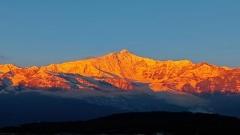
Spanning approximately 700 square kilometers, the Huanglong Scenic Area centers around Huanglong Valley, which stretches 7.5 kilometers from north to south at the foot of Xuebaoding, the main peak of the Minshan Mountains. The valley, with an average width of 1.5 kilometers, sits at an altitude ranging from 3,000 to 3,900 meters, experiencing a plateau temperate to subarctic monsoon climate with an average annual temperature of around 7℃.
The extraordinary travertine landscapes that define Huanglong began forming roughly 2 million years ago during the Quaternary glacial period. As groundwater rich in calcium carbonate flows through the valley, it gradually deposits mineral sediments, creating the stunning array of pools, shoals, waterfalls and caves we see today. The entire Huanglong Valley resembles a golden giant dragon winding its way through snow-capped mountains and deep canyons, with each must-see attraction shining like a brilliant scale on the dragon’s body. Due to the high altitude, visitors are advised to acclimatize properly and avoid strenuous exercise to fully enjoy the magical scenery without discomfort.
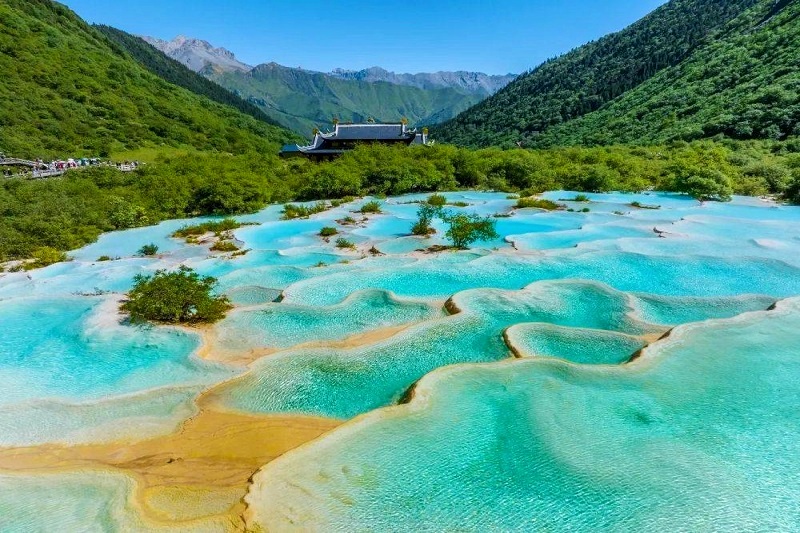
Huanglong
Top Must-See Attractions in Huanglong
Five-Color Pools
The Five-Color Pools are the crown jewel of Huanglong and the most iconic attraction in the entire scenic area. Perched at the highest point of Huanglong Valley at an altitude of 3,900 meters, this breathtaking cluster consists of 693 travertine pools of varying sizes and shapes, covering a total area of 21,056 square meters.
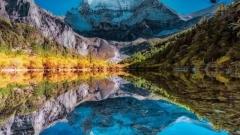
The crystal-clear waters of the Five-Color Pools display a mesmerizing spectrum of colors—deep blue, emerald green, golden yellow, bright orange and soft red—shifting dynamically with changes in sunlight and the different mineral sediments on the pool bottoms. It is as if a giant artist’s palette has been scattered across the mountainside, creating a dreamlike fairy-tale world. The best times to visit are between 9:00 AM and 11:00 AM, and 3:00 PM and 5:00 PM, when the angle of the sun perfectly illuminates the pools, bringing their vibrant hues to life. For photography enthusiasts, a wide-angle lens is highly recommended to capture the full grandeur of the pools from an elevated viewpoint. Note that due to the high altitude, it is advisable not to stay here for too long to avoid altitude sickness.
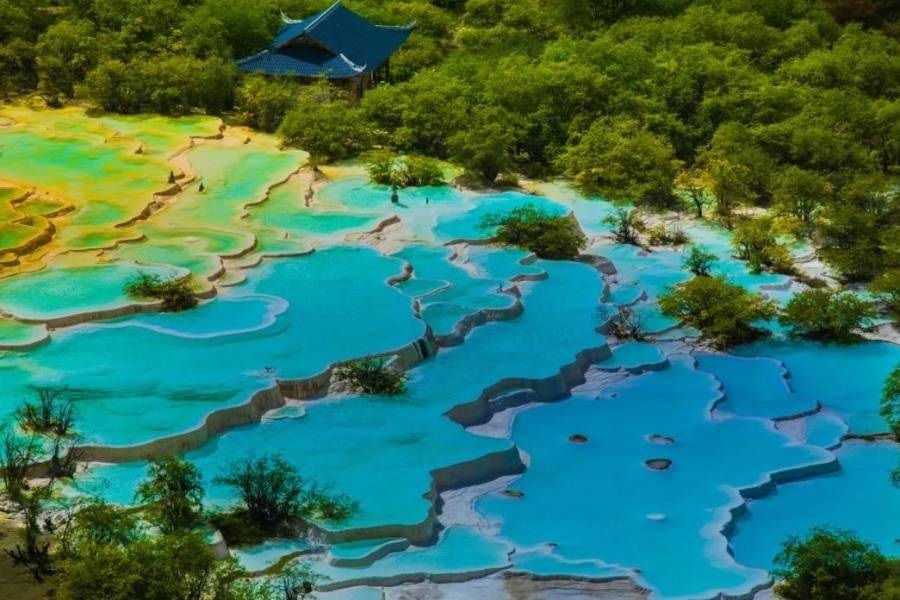
The Five-Color Pools in Huanglong
Golden Shoal
The Golden Shoal is the longest travertine shoal in the world and one of the most spectacular natural wonders in Huanglong. Stretching approximately 1,300 meters in length, with a width ranging from 40 to 122 meters (and reaching up to 170 meters at its widest point), it covers a total area of about 80,000 square meters.
Composed of creamy yellow travertine sediments, the entire shoal glistens like a luxurious golden carpet cascading down the mountainside under the sunlight. Gentle water flows over the surface, creating countless tiny ripples that resemble the scales of a giant dragon swaying in the wind. This magnificent formation took millions of years to develop, as calcium carbonate-rich waters continuously deposited minerals along the valley floor. Walking along the wooden boardwalk beside the shoal, you can hear the soft gurgle of water beneath your feet, gaze at the endless golden expanse in front of you, and catch glimpses of snow-capped peaks in the distance—a truly unforgettable experience that showcases nature’s awe-inspiring power. The Golden Shoal is also a perfect spot for photography, whether you are capturing sweeping panoramic views or intimate close-ups of the intricate travertine patterns.
Competing Beauty Pools
The Competing Beauty Pools are the most colorful cluster of travertine pools in Huanglong, and an absolute must-visit for any traveler. Located in the middle of Huanglong Valley at an altitude of 3,400 meters, this stunning group comprises more than 500 pools of different sizes, covering a total area of approximately 20,000 square meters.
True to their name, the pools compete with each other in beauty, displaying a dazzling array of colors: sapphire blue, emerald green, buttercup yellow, soft pink and more. Each pool has a unique shape—some resemble horseshoes, others lotus flowers, crescent moons or gourds—creating a picturesque and diverse landscape. Surrounded by dense, lush primeval forests, the area is filled with fresh, crisp air, making it an ideal place to take a break, catch your breath and soak in the stunning scenery after hiking up the valley. The combination of vibrant pool colors and the deep green of the surrounding trees creates a striking contrast that is perfect for photography.
Ancient Huanglong Temple
The Ancient Huanglong Temple is the only cultural attraction in the Huanglong Scenic Area and the oldest site among all the must-see spots. Originally built during the Ming Dynasty over 600 years ago, it was constructed in honor of the Huanglong Immortal, a legendary figure in Chinese mythology.
The temple complex originally consisted of three parts: the Front Temple, Middle Temple and Rear Temple. While the Front Temple no longer exists, the Middle and Rear Temples have been well-preserved. The Middle Temple is a traditional courtyard-style building dedicated to the Huanglong Immortal, and it remains a popular place of worship with constant incense burning throughout the year. The Rear Temple, located at the top of Huanglong Valley right next to the Five-Color Pools, offers one of the best vantage points to admire the pools. The temple’s architecture blends traditional Han and Tibetan styles, with elegant upturned eaves and intricately carved beams and pillars. Standing on the temple’s observation deck, you can enjoy a panoramic view of the entire Huanglong Valley, where snow-capped mountains, colorful pools and the ancient temple itself blend together to form a breathtaking landscape painting. For travelers interested in history and culture, this is an unmissable stop.
Welcome Pools
The Welcome Pools are the first cluster of travertine pools you will encounter upon entering the Huanglong Scenic Area, serving as the perfect introduction to the valley’s magical scenery. Located at the entrance of Huanglong Valley at an altitude of 3,230 meters, this charming group includes more than 350 pools of varying sizes, covering a total area of about 9,600 square meters.
The crystal-clear waters of the Welcome Pools shimmer in soft shades of light blue and pale green, surrounded by lush trees and colorful wildflowers. The pools are arranged in tiered layers, with water gently flowing from higher pools to lower ones, creating small cascades and producing a soothing, melodic sound. Like a warm and hospitable host, the Welcome Pools greet every visitor with their serene beauty. As the first stop in the scenic area, they also allow travelers to gradually acclimatize to the high altitude before continuing their hike up the valley.
Flying Waterfall with Glowing Rays
The Flying Waterfall with Glowing Rays is the most spectacular travertine waterfall in Huanglong, and the most dynamic of all the must-see attractions. Located just above the Welcome Pools at an altitude of 3,245 meters, the waterfall stands approximately 14 meters high and 68 meters wide.
Cascading down a steep travertine cliff, the waterfall creates a dramatic spray of water that glistens in the sunlight, often forming beautiful rainbows—hence its name. The cliff face is covered in a thick layer of golden yellow travertine sediments, creating a striking contrast with the white, rushing water. Standing at the base of the waterfall, you can feel the cool mist on your face and hear the thunderous roar of the water, an exhilarating experience that highlights the power and beauty of nature. Note that the area around the waterfall can be quite wet, so it is recommended to bring a raincoat or umbrella to stay dry, and to watch your step on the slippery boardwalks.
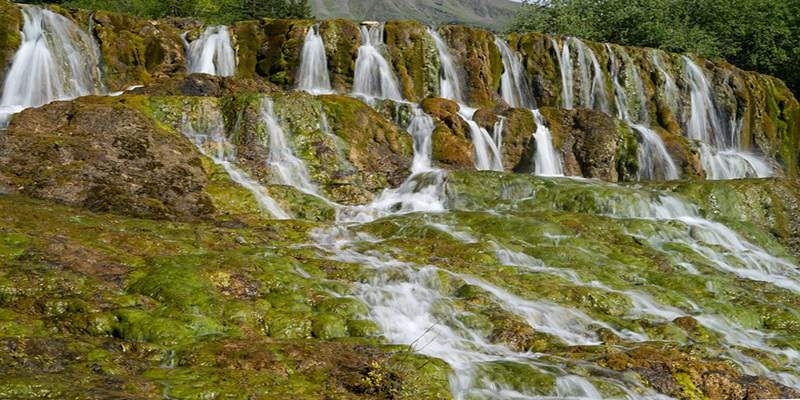
The Flying Waterfall with Glowing Rays in Huanglong
Bathing Cave
The Bathing Cave is a unique karst cave attraction in Huanglong, and the most mysterious of all the must-see spots. Located directly below the Flying Waterfall with Glowing Rays at an altitude of 3,280 meters, the cave entrance is approximately 1 meter high and 1.5 meters wide.
According to local legend, this cave was where the Huanglong Immortal bathed and purified himself, giving it its name. Inside the cave, you will find a stunning array of stalactites and stalagmites of various shapes, which glisten like crystals under the artificial lighting, creating an otherworldly atmosphere reminiscent of an underwater dragon palace. The cave entrance is partially hidden by the waterfall, adding to its mysterious allure. Visitors can walk through the waterfall to enter the cave and experience this hidden natural wonder. Be aware that the cave floor is slippery and the lighting is dim, so walk slowly and carefully to avoid falls. Please also refrain from touching the stalactites and stalagmites to help preserve this fragile natural landscape.
Bonsai Pools
The Bonsai Pools are the most exquisite cluster of travertine pools in Huanglong, and the most artistically appealing of all the must-see attractions. Located above the Bathing Cave at an altitude of 3,300 meters, this elegant group consists of more than 330 small pools of varying sizes, covering a total area of approximately 20,000 square meters.
Each pool is small and delicately shaped, with various aquatic plants growing in the clear water and surrounded by ancient pine and cypress trees. Together, they resemble a collection of natural landscape bonsais, hence the name. The waters of the Bonsai Pools display a rich palette of colors, including blue, green, yellow and orange, blending harmoniously with the surrounding greenery. Walking along the boardwalk beside the pools feels like strolling through a giant, meticulously designed bonsai garden, a feast for the eyes and a peaceful retreat from the hustle and bustle of daily life. The intimate scale and delicate beauty of the Bonsai Pools make them perfect for close-up photography and portrait shots, and they are a favorite spot for many visitors to take memorable photos.
Practical Tips for Visiting Huanglong
Best Time to Visit
The best time to visit Huanglong is from April to November, when the scenic area is fully open, the travertine pools are at their most colorful, and you can experience all of Huanglong in their full glory.
- Spring (April to May): As nature awakens from winter, the valley is covered in blooming wildflowers, creating a fresh and vibrant atmosphere. There are fewer tourists during this time, making it ideal for travelers who prefer a quieter and more peaceful experience.
- Summer (June to August): The weather is cool and pleasant, with abundant rainfall filling the pools to their maximum capacity. This is the best time to see the pools at their most vibrant, with the highest color saturation. Be sure to bring sunscreen and a raincoat, as the sun can be strong at high altitudes and afternoon showers are common.
- Autumn (September to November): The skies are clear and blue, and the surrounding forests transform into a stunning tapestry of red, orange and gold. The contrast between the colorful foliage and the bright travertine pools creates the perfect conditions for photography. This is the peak tourist season, so it is advisable to book your accommodation and tickets in advance.
- Winter (December to March): Most of the scenic area is closed during winter, with only a few attractions open to visitors. The high altitude brings extremely cold temperatures, increasing the risk of frostbite and severe altitude sickness. For these reasons, winter is not recommended for visiting Huanglong.
Transportation
- By Air: Fly to Jiuzhaigou Huanglong Airport (JZH), which is located approximately 50 kilometers from the Huanglong Scenic Area. Upon arrival, you can take a scenic area shuttle bus or a taxi to the entrance, with a journey time of about 1 hour. Ticket prices for the airport shuttle bus are subject to change, so please check the official scenic area announcement in advance.
- By Bus: Take a long-distance bus from Chengdu Chadianzi Bus Station to Songpan County, which takes approximately 7 to 8 hours. Once in Songpan, transfer to a local short-distance bus to reach Huanglong. It is recommended to book your bus tickets in advance to avoid delays to your travel plans.
- By Car: Drive from Chengdu along the Chengguan Expressway, Duwen Expressway and National Highway 213. The total distance is about 350 kilometers, with a driving time of approximately 6 hours. The scenic area has dedicated parking lots for self-driving visitors. Please exercise caution when driving on the plateau mountain roads, especially in wet or icy conditions.
- By Group Tour: Booking a specialized Huanglong tour with a reputable travel agency is a convenient and hassle-free option. The agency will handle all aspects of your trip, including transportation, tickets and accommodation, and provide a professional tour guide who can offer detailed explanations of the must-see attractions. This is an excellent choice for travelers who prefer not to plan their own itinerary.
Ticket Information
- Peak Season Tickets (April 1 to November 15): 170 RMB per person. This ticket grants access to all core attractions in the scenic area, allowing you to visit all of Huanglong’s must-see spots. Tickets are valid for one day only and cannot be reused for multiple entries.
- Off Season Tickets (November 16 to March 31): 60 RMB per person. Only a limited number of attractions are open during the off season, and you will not be able to visit all of Huanglong attractions. For this reason, visiting during the off season is not recommended.
- Cable Car Fares: 80 RMB per person for the uphill ride and 40 RMB per person for the downhill ride. Taking the cable car saves a significant amount of hiking energy, making it ideal for visitors who experience altitude sickness or have limited physical strength. The cable car ride takes approximately 8 minutes, and you can enjoy beautiful views of the mountain scenery along the way.
- Discount Policies: Special groups such as students, senior citizens and people with disabilities can enjoy discounted ticket prices by presenting valid identification documents. The specific discount standards are subject to the official announcement of the scenic area, so please bring your relevant documents with you.
Altitude Sickness Tips
- Preventive Measures: Start taking anti-altitude sickness medications such as Rhodiola rosea one week before your trip to help your body acclimatize. Maintain a positive mindset and avoid excessive stress, as anxiety can worsen altitude sickness symptoms.
- On-Site Precautions: Avoid strenuous exercise immediately upon arriving at the scenic area. Walk at a slow and steady pace, drink plenty of water, eat plenty of fruits and vegetables, and get enough sleep. Avoid drinking alcohol and overeating, as these can put additional strain on your body at high altitudes.
- Emergency Treatment: If you experience mild symptoms such as headache or dizziness, stop and rest immediately, and drink plenty of water. If you develop severe symptoms such as intense headache, vomiting or difficulty breathing, stop your visit immediately and seek medical attention at the scenic area’s medical station or a nearby hospital.
What You Should Really Focus on in Huanglong
If you ask what the must-see attractions in Huanglong Scenic Area are, most people will point straight to the Five-Color Pools. But once you actually walk the route, it becomes clear that the experience is built step by step. The lower pools ease you in, the terraces and waterfalls add scale, and by the time you reach the top, everything comes together in a way that feels complete.
So instead of thinking of Huanglong as a place with just a few highlights, it makes more sense to see it as a continuous route where each section matters. The pacing, the stops you choose, and how you manage the altitude all shape the experience just as much as the scenery itself.