

The Chengdu Jinsha Site Museum is one of China’s most vital 21st-century archaeological finds, a stunning follow-up to Sanxingdui that showcases the ancient Shu Kingdom’s glory. Housing over 10,000 precious artifacts—including the Sun Bird Gold Foil, China’s cultural heritage symbol—it offers a rare look into a 3,000-year-old civilization. A must-visit for all travelers, it lets you connect with the past, promising an unforgettable experience that highlights ancient China’s ingenuity.
Why Visit the Chengdu Jinsha Site Museum?
Bridging a Critical Gap in Ancient Shu History
Far more than just a museum displaying old objects, Jinsha Site Museum is a living link to a civilization that was once shrouded in mystery.
For decades, historians struggled to piece together the timeline of the Ancient Shu Kingdom, with a significant gap between the Sanxingdui civilization (c. 1600–1046 BCE) and the later Ba-Shu civilization of the Warring States period (475–221 BCE). The discovery of the Jinsha site in 2001 changed everything, filling this historical void and providing a complete picture of how the Shu people lived, worshipped, and evolved over centuries.
Today, the museum allows us to trace the unbroken thread of Shu culture, from its early roots to its flourishing as a sophisticated kingdom, making it an indispensable stop for anyone interested in understanding the full story of ancient Sichuan.
Unmatched Artistic and Historical Value
The artifacts unearthed at Jinsha are nothing short of extraordinary, representing the pinnacle of Ancient Shu art and technology. T
he museum’s collection includes a stunning array of gold, bronze, jade, stone, and pottery pieces, each crafted with remarkable skill and imbued with deep religious and cultural meaning. What sets Jinsha apart is its exceptional collection of gold artifacts—more than 200 pieces in total, many of which are of unparalleled purity and craftsmanship.
These golden treasures, from delicate filigree work to intricate symbolic designs, showcase the Shu people’s mastery of metallurgy and their unique aesthetic sensibilities. Every piece tells a story of ritual, power, and devotion, offering a vivid glimpse into the spiritual and material world of ancient China.
An Immersive On-Site Archaeological Experience
Unlike most museums that display artifacts removed from their original context, Jinsha Site Museum is built directly on top of the archaeological excavation site itself.
This unique advantage allows visitors to experience history in a way that few other places can offer. As you walk through the museum, you’ll see the actual trenches, pits, and foundations where archaeologists uncovered these ancient treasures, giving you a firsthand understanding of how archaeological work is done and how these artifacts were preserved for millennia.
This immersive approach brings history to life, making you feel as if you’ve stepped back in time to 1000 BCE, walking the same streets and witnessing the same rituals as the ancient Shu people.
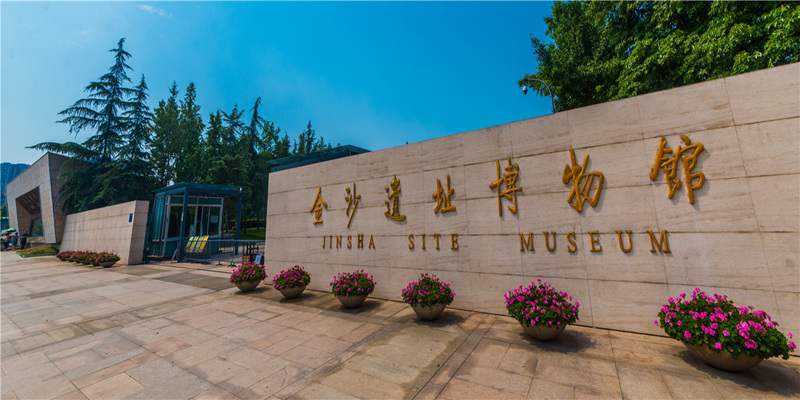
Jinsha Site Museum
Opening Hours and Ticket Information of Jinsha Site Museum
- Opening Hours: The museum is open daily except Mondays (closed for maintenance, except on national holidays). Operating hours are from 9:00 AM to 6:00 PM, with last admission at 5:00 PM.
- Recommended Visit Duration: To fully explore all exhibits and appreciate the museum’s highlights, we recommend setting aside at least 2–3 hours for your visit. Rushing through will mean missing many of the fascinating details and stories behind the artifacts.
- Regular Admission: Tickets cost 70 RMB per person, making it an affordable attraction for travelers of all budgets.
- Discount Policies: Special groups are eligible for discounted or free admission with valid identification. Students, active military personnel, people with disabilities, and seniors aged 60 and above can enjoy half-price tickets or free entry. Please note that specific discount terms may vary, so it’s best to check the museum’s official website for the most up-to-date information before your visit.
- Free Admission Days: The museum occasionally offers free entry on special holidays and cultural events. Follow the official website or social media accounts to stay informed about these opportunities and plan your visit accordingly.
Reservation Methods for Chengdu Jinsha Site Museum
- Real-Name Booking Requirement: All visitors must book tickets in advance using their real names. Walk-up tickets are not available, so pre-booking is essential to avoid disappointment.
- Booking Channels: You can reserve tickets through the official Chengdu Jinsha Site Museumwebsite, the museum’s WeChat official account, or reputable third-party travel platforms. All channels offer the same ticket prices and booking process.
- Booking Details: When making a reservation, you’ll need to provide your full name, ID number, and select your preferred visit date and time slot. Each ID can be used to book one ticket per day.
- Advance Booking Window: We recommend booking your tickets 1–3 days in advance. During peak tourist seasons, weekends, and national holidays, tickets often sell out quickly, so booking even earlier (up to a week in advance) is advisable to secure your spot.
- Entry Requirements: On the day of your visit, you must present the original ID card used for booking. Entry will be denied if you cannot provide valid identification or if you arrive outside your reserved time slot.
- Cancellation Policy: If you are unable to attend as planned, please cancel your reservation at least 24 hours in advance. Failure to cancel may result in restrictions on future bookings.
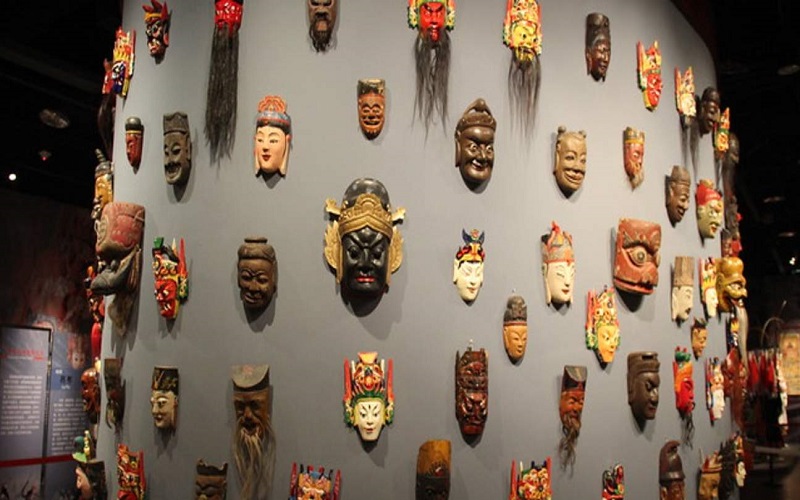
Jinsha Site Museum
Getting to Jinsha Site Museum
- Address: The museum is located at No. 2 Jinsha Yizhi Road, Qingyang District, Chengdu. It is easily accessible by public transportation, making it a convenient stop on any Chengdu itinerary.
- By Subway (Recommended): The fastest and most convenient way to reach the museum is by taking Chengdu Metro Line 7 to Jinsha Site Museum Exit through Exit C, and the museum’s main entrance is just a 200-meter walk away. No transfers are required, making this the ideal option for most travelers.
- By Bus: Several bus routes serve the museum, including routes 5, 7, 32, 41, and 79. Get off at either Jinsha Yizhi Station or Qingyang Avenue North Station, and the museum is a short 5–10 minute walk from either stop.
- By Car: If you prefer to drive, the museum has an underground parking lot available for visitors. Parking fees are 5 RMB per hour, with a maximum daily charge of 50 RMB. However, parking spaces are limited, especially during peak hours, so we strongly recommend using public transportation if possible.
- Group Tour: No need to plan transportation, tickets and visiting routes by yourself. There is a special car for pick-up and drop-off with professional tour guide explanation. The whole journey is worry-free and convenient, suitable for tourists who do not want to bother arranging the itinerary.
Must-See Highlights & Recommended Route
Chengdu Jinsha Site Museum is divided into two main buildings: the Relics Hall and the Exhibition Hall.
The complex also includes beautiful landscaped gardens, a cultural and creative store, and dining facilities to meet all your needs.Following the recommended route below will help you make the most of your visit, ensuring you don’t miss any of the museum’s most important exhibits.
The Relics Hall
The Relics Hall, the core of Jinsha Site Museum, is built directly over the ancient sacrificial area—the most artifact-rich part where the Shu people held sacred ceremonies for harvests, disaster protection and prosperity.
Its iconic glass dome bathes the excavation site in natural light while protecting fragile remains, and a winding wooden boardwalk lets visitors walk above preserved ash pits, tombs and foundations to vividly imagine ancient rituals.
At its center is the 2001 discovery spot of the Sun Bird Gold Foil; though the original is in the Exhibition Hall, the well-preserved site with clear markers lets visitors feel history and admire the ancient craftsmen’s unparalleled skill.
The Exhibition Hall
The Exhibition Hall is the museum’s main display area, featuring five interconnected galleries that take you on a chronological journey through the history of the Jinsha Kingdom. Each gallery has a distinct theme, building on the previous one to give you a comprehensive understanding of Ancient Shu civilization.
Gallery 1: Ancient Homeland
This gallery sets the stage for your journey, exploring the natural environment of the Chengdu Plain 3,000 years ago and how the ancient Shu people adapted to and thrived in this fertile land. Through a combination of plant and animal fossils, stone tools, pottery, and lifelike dioramas, you’ll learn how the Shu people built their homes, cultivated crops, hunted, and fished.
The exhibits show how they developed sophisticated agricultural techniques and created a stable, prosperous society that would eventually grow into the powerful Jinsha Kingdom.
Gallery 2: Glimpses of the Royal Capital
Gallery 2 focuses on the urban layout, architecture, and daily life of the Jinsha capital. Here you’ll see remains of ancient buildings, including the foundations of large palaces and residential structures, as well as a wide range of everyday objects such as cooking utensils, weaving tools, and decorative items.
These artifacts paint a vivid picture of life in the ancient city, from the daily routines of ordinary people to the luxurious lifestyle of the royal court. You’ll also learn about the advanced handicraft industries that flourished in Jinsha, including pottery making, bronze casting, and jade carving.
Gallery 3: Eternal Worship of Heaven and Earth
This is one of the museum’s most fascinating galleries, dedicated to the religious beliefs and ritual practices of the ancient Shu people. The Shu were deeply spiritual, worshipping a pantheon of gods and ancestors and believing that the natural world was filled with divine forces.
The gallery displays a vast collection of sacrificial artifacts, including gold masks, bronze ritual vessels, jade cong, and stone statues. Each object was carefully crafted and used in elaborate ceremonies to communicate with the gods and ensure the well-being of the kingdom. The exhibits explain the meaning behind these rituals and how they shaped every aspect of Shu society.
Gallery 4: Treasures Through the Millennia
Gallery 4 is the crown jewel of Jinsha Site Museum, housing the site’s most precious and iconic artifacts.
The star of the show is undoubtedly the Sun Bird Gold Foil, a masterpiece of ancient Chinese art. Made from 94.2% pure gold and measuring just 0.02 centimeters thick—thinner than a human hair—the foil features a stunning design of four birds flying around a sun with twelve rays. This exquisite piece has become the symbol of Chinese cultural heritage and is recognized worldwide as a testament to the skill and creativity of the ancient Shu people.
In addition to the Sun Bird, the gallery also features other remarkable treasures, including a life-sized gold mask, intricately carved jade cong and zhang, a bronze standing figure, and a variety of gold ornaments. Each artifact is a work of art in its own right, and together they showcase the extraordinary wealth and artistic achievement of the Jinsha Kingdom.
Gallery 5: Decoding Jinsha
The final gallery tells the story of the Jinsha site’s discovery and excavation, and how archaeologists have used these artifacts to piece together the history of the Ancient Shu Kingdom.
Here you’ll see the actual tools used by archaeologists, as well as photographs, videos, and documents that document the excavation process from start to finish. The exhibits explain the scientific methods used to date the artifacts and interpret their meaning, giving you a new appreciation for the hard work and dedication of archaeologists. You’ll also learn about the ongoing research at Jinsha and how new discoveries continue to deepen our understanding of this fascinating civilization.
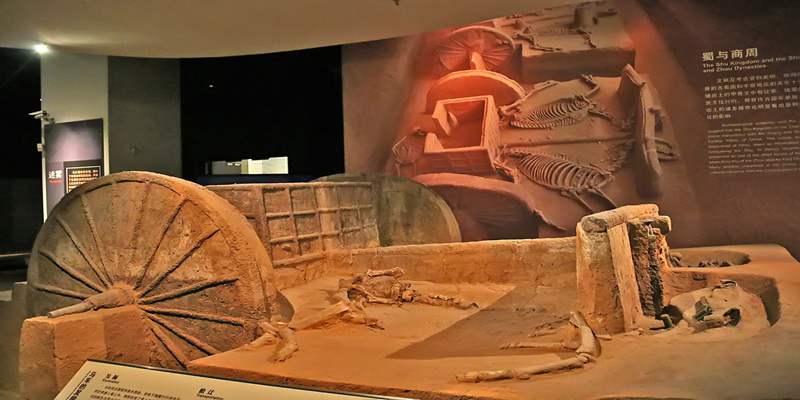
Gallery 2: Glimpses of the Royal Capital
Visitor Tips and Important Information of Jinsha Site Museum
Best Time to Visit
- The ideal time to visit the museum is between 9:00 AM and 11:00 AM, when crowds are smallest and the atmosphere is quiet and peaceful. This allows you to take your time admiring the artifacts and listening to the stories behind them without being rushed.
- Avoid visiting between 10:00 AM and 3:00 PM on weekends, holidays, and during peak tourist seasons, as the museum can get very crowded during these times, which may detract from your experience.
Guided Tour Options
- Professional Guided Tours: For a deeper understanding of the museum’s exhibits, we recommend booking a professional guided tour. Chinese-language tours cost 100 RMB per session and last approximately 1.5 hours. Tours must be booked in advance through the museum’s official website or at the information desk.
- Audio Guides: If you prefer to explore at your own pace, audio guides are available for rent at the museum entrance for 20 RMB per unit, with a 200 RMB deposit. The audio guides provide clear, concise explanations of all the major exhibits in multiple languages, including English.
- Self-Guided Visit: While a self-guided visit is possible, we highly recommend using either a professional guide or an audio guide, as many of the artifacts have complex historical and cultural meanings that are not immediately obvious from the labels alone.
Photography Rules
- Photography is allowed in most areas of the museum, but the use of flash and tripods is strictly prohibited to protect the delicate artifacts from damage.
- Some special exhibits and individual artifacts have no-photography signs posted. Please respect these signs and refrain from taking photos in these areas.
- When taking photos, please do not touch the exhibits or display cases, do not use selfie sticks, and keep your voice down to avoid disturbing other visitors.
Additional Practical Advice
- Wear comfortable walking shoes, as you’ll be on your feet for several hours exploring the museum’s large halls and galleries.
- The museum is air-conditioned and can be quite cool, especially in the summer months. We recommend bringing a light jacket or sweater to stay comfortable.
- You may bring a bottle of water and small snacks into the museum, but please do not eat or drink in the exhibition halls. There are designated dining areas in the museum complex where you can enjoy your food.
- The museum offers free luggage storage at the entrance, so you can leave your bags and heavy items there and explore the museum hands-free.
- If you have any questions or need assistance during your visit, don’t hesitate to ask the museum staff, who are friendly and knowledgeable and will be happy to help you.
Experience the Magic of Ancient Shu with China Dragon Travel
Chengdu Jinsha Site Museum is more than just a tourist attraction—it’s a gateway to a lost civilization that continues to captivate and inspire people from around the world. As one of Chengdu’s most iconic cultural landmarks, it deserves a place on every traveler’s itinerary.
If you’re planning a trip to Chengdu and want to experience the best of what the city has to offer, China Dragon Travel can create a customized itinerary that includes a visit to Jinsha Site Museum, along with other top attractions such as the Chengdu Research Base of Giant Panda Breeding, Dujiangyan Irrigation System, and Wuhou Temple.
Our professional guides will take you on a journey through ancient and modern Chengdu, sharing their deep knowledge of local history and culture and ensuring you have a memorable and enriching travel experience. Let us handle all the details of your trip, so you can relax and focus on exploring the wonders of this amazing city.