
The Yangtze River Cableway is one of Chongqing’s most recognizable landmarks. Suspended above the river and connecting the Yuzhong Peninsula with the South Bank, it appears to be a simple cable car system. Yet for decades, it has played multiple roles at once. Is it a genuine public transport solution, or has it become a tourist attraction designed mainly for visitors? Understanding its dual identity offers deeper insight into Chongqing as a city shaped by terrain, rivers, and everyday life.
Why the Yangtze River Cableway Was Built
The Yangtze River Cableway was never designed as a tourist project. Its origin lies in Chongqing’s complex geography and practical urban needs.
Chongqing is defined by steep hills, dramatic elevation changes, and wide rivers cutting through the city. Before bridges and metro lines became widespread, crossing the Yangtze River was time-consuming and often unreliable. Ferries were affected by weather and water levels, while road detours added significant distance.
In this context, a cableway offered an efficient and relatively low-cost solution. By traveling directly across the river through the air, it reduced commuting time and avoided terrain obstacles. When it opened in the 1980s, its purpose was clear: to serve local residents as part of the city’s public transport system.
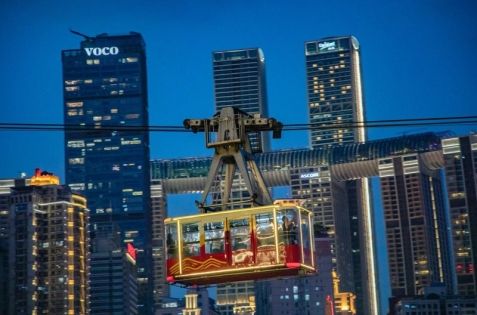
Yangtze River Cableway
The Cableway as a Functional Transport System
A Daily Commute for Local Residents
For many years, the Yangtze River Cableway functioned as a practical commuting tool. Workers living on one side of the river relied on it to reach jobs, schools, and markets on the other side. Its affordability and frequency made it accessible to a wide range of residents.
At the time, the cableway was not associated with sightseeing. It was simply another way to move through the city, similar to buses or ferries. For locals, the view was secondary to efficiency.
Still Part of the Public Transport Network Today
Even today, the cableway remains officially categorized as public transportation. Ticket prices are relatively low compared to typical tourist attractions, and it is integrated into Chongqing’s urban transport planning.
Some local residents still use it during off-peak hours, particularly when surface traffic becomes congested. In certain situations, crossing the river by cableway can still be faster and more predictable than traveling by road.
From Infrastructure to City Symbol
The Rise of Chongqing as a Tourist City
As Chongqing gained national and international attention, its dramatic urban landscape became a key selling point. The cableway, suspended above the Yangtze River with skyscrapers rising on both sides, offered a perfect visual representation of the city’s vertical character.
Films, television shows, and social media platforms increasingly featured the cableway as a symbol of Chongqing. Over time, it transformed from a functional facility into an iconic image.
How Tourism Changed the Cableway Experience
With the influx of visitors, the cableway’s user base shifted. Tourists began to outnumber commuters, especially during evenings, weekends, and holidays. Long queues became common, and the experience started to feel less like transportation and more like a curated attraction.
Operational adjustments followed. Crowd management, viewing considerations, and visitor services gradually became part of daily operations, reflecting its new role in the city’s tourism ecosystem.
Experiencing the Cableway as a Tourist
A Unique Aerial Perspective
From a traveler’s perspective, the cableway offers a viewpoint that is difficult to replicate elsewhere. Floating above the river, passengers can observe the city’s layered architecture, bridges, and river traffic from a rare angle.
The experience is brief, usually lasting only a few minutes, but it delivers a concentrated visual impression of Chongqing’s geography and urban design.
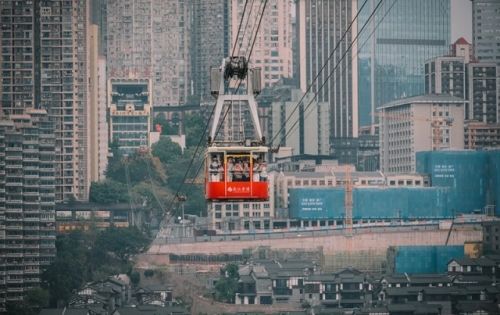
Yangtze River Cableway
Daytime Versus Nighttime Experiences
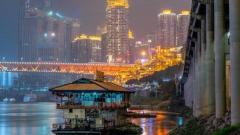
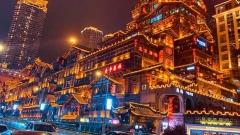
The time of day significantly affects the experience. During daylight hours, the cableway reveals the structure of the city, riverbanks, and surrounding hills. At night, illuminated buildings and reflections on the water create a dramatic, almost cinematic atmosphere.
For many visitors, this contrast enhances the cableway’s appeal as a sightseeing activity rather than a simple ride.
How Local Residents View the Cableway Today
Among Chongqing residents, opinions about the cableway are mixed but generally understanding.
Older generations often remember it primarily as a practical solution from earlier decades. Younger residents may associate it more with the city’s image and tourism development. Some locals express frustration with longer queues and reduced convenience, while others appreciate the economic and cultural value it brings to the city.
Overall, the cableway is widely accepted as both a legacy infrastructure and a modern symbol.
Is the Cableway Worth Visiting as a Tourist?
Whether the Yangtze River Cableway is worth visiting depends on expectations.
For travelers interested in urban landscapes, photography, and unique transportation systems, it offers a memorable and distinctive experience. However, those seeking long-duration attractions or in-depth activities may find the ride too short to justify extended waiting times.
Seen as part of a broader itinerary rather than a standalone highlight, the cableway fits naturally into a Chongqing visit.
How to Plan a Rational Cableway Experience
Choosing the Right Time
Avoiding peak hours is essential. Early mornings and weekday afternoons provide a calmer experience and better reflect the cableway’s original purpose as transportation.
Integrating It into Your Route
The cableway works best when combined with nearby attractions. Pairing it with a walk along the South Bank, a visit to downtown Chongqing, or riverfront exploration allows it to function as a connecting experience rather than an isolated stop.
Transport or Attraction The Real Answer
The Yangtze River Cableway is both a transport tool and a tourist attraction, but these identities do not cancel each other out.
Its foundation lies in urban necessity, while its tourism value emerged naturally through the city’s evolution. Understanding this dual role helps visitors approach the experience with realistic expectations, appreciating it for what it truly represents rather than what marketing labels suggest.
The Yangtze River Cableway is more than a way to cross the river. It reflects Chongqing’s relationship with geography, infrastructure, and urban growth. Whether viewed as transportation or tourism, it remains an authentic part of the city’s story. For travelers seeking a well-balanced Chongqing itinerary that goes beyond surface-level attractions, working with experienced planners such as China Dragon Travel can help integrate the cableway into a deeper and more meaningful travel experience.