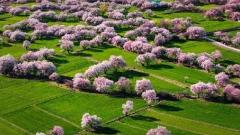

For many international travelers who follow a vegetarian lifestyle, planning a trip to Tibet often comes with hesitation. Images of high-altitude plateaus, yak butter tea, and meat-heavy Tibetan cuisine can easily lead to the assumption that Tibet is not vegetarian-friendly. In reality, this perception is outdated and incomplete. Tibet has long welcomed pilgrims from Buddhist and Hindu regions where vegetarianism is deeply rooted. Combined with the influence of Tibetan Buddhism and the rapid development of tourism infrastructure, vegetarian travelers today can explore Tibet with confidence, comfort, and cultural depth.
Is Tibet Vegetarian-Friendly? Understanding Culture and Belief
Unlike many regions where vegetarianism is a modern lifestyle trend, Tibet’s relationship with vegetarian food is shaped by religion, geography, and practicality.
Tibetan Buddhism does not strictly prohibit meat consumption, largely due to the harsh natural environment of the plateau where agriculture was historically limited. However, reducing killing and practicing compassion are core Buddhist values. As a result, many monks, nuns, and lay believers choose vegetarian meals during religious periods, pilgrimages, and personal retreats.
Each year, large numbers of pilgrims from India, Nepal, Bhutan, and other Himalayan regions travel to Tibet. Many of them maintain long-term vegetarian diets, which has naturally encouraged the availability of vegetarian food in major Tibetan towns and pilgrimage routes. For international travelers, this creates a surprisingly welcoming environment for vegetarian travel.
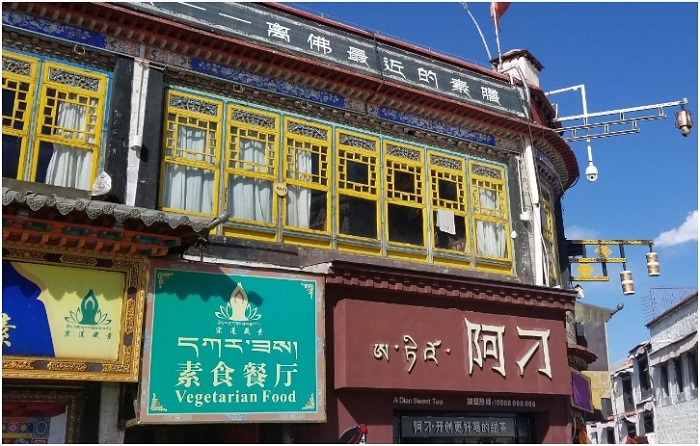
Tibetan Vegetarian Restaurants
The Foundation of Vegetarian Food in Tibet: High-Altitude Staples
At high altitude, food must provide sufficient energy and nutrition. Fortunately, Tibet’s traditional staple foods align well with vegetarian dietary needs.
Highland Potatoes: A Reliable Energy Source
Potatoes grown in the Yarlung Tsangpo River valley thrive at elevations around 3,800 meters. Due to strong sunlight and large temperature differences between day and night, Tibetan potatoes are rich in starch and carbohydrates, making them ideal for sustaining energy during travel.
Vegetarian travelers will frequently encounter potatoes served in various forms, including stir-fried dishes, stews, curries, dumplings, and simple boiled preparations. These meals are filling, easy to digest, and well suited to high-altitude conditions.
Highland Barley: Tibet’s Essential Vegetarian Grain
Highland barley, known locally as a core Tibetan crop, has been cultivated for centuries. It contains complex carbohydrates, plant-based protein, dietary fiber, and essential minerals.
Barley is commonly prepared as roasted flour, flatbreads, noodles, porridge, or stir-fried grains. For vegetarian travelers, barley-based foods offer both nutrition and cultural authenticity, making them a central part of the Tibetan vegetarian experience.
What Can Vegetarian Travelers Eat in Tibet?
One of the most common concerns among international visitors is food variety. In reality, vegetarian options in Tibet—especially in major cities—are broader than many expect.
With the expansion of greenhouse agriculture, fresh vegetables are widely available in Lhasa and eastern Tibet. Common ingredients include spinach, cabbage, tomatoes, carrots, white radish, tofu, bean curd skin, mushrooms, lotus root, and seasonal greens. Even fresh fruits can be found in local markets.
Most Tibetan restaurants and Sichuan-style eateries offer clearly identifiable vegetarian dishes. Popular vegetarian meals include potato rice bowls, vegetable noodles, vegetarian dumplings, barley pancakes, vegetable stir-fries, mushroom soups, and vegetarian hotpot.
Where to Find Vegetarian Food in Tibet
Vegetarian travelers do not need to limit themselves to specialized restaurants. Several types of dining establishments routinely accommodate vegetarian diets.
Traditional Tibetan Hotpot Restaurants
Vegetarian hotpot is widely available upon request. A typical vegetarian hotpot includes tofu, mushrooms, glass noodles, vegetables, tomatoes, and barley-based ingredients, prepared with the same flavorful seasonings used in meat-based versions.
Local Tea Houses
Tea houses are an integral part of Tibetan daily life. They offer simple, affordable vegetarian meals such as vegetable noodles, potato curry rice, vegetarian buns, and dumplings. Paired with sweet tea, these meals are practical and comforting during travel days.
Traditional Tibetan Restaurants
Many Tibetan restaurants serve vegetarian versions of classic dishes. Creative combinations of barley, vegetables, and dairy products result in filling meals that reflect local culinary traditions while remaining vegetarian-friendly.
Dedicated Vegetarian Restaurants
In Lhasa, several restaurants specialize in vegetarian cuisine, ranging from home-style dishes to more refined dining experiences. These establishments are particularly popular with pilgrims and international travelers seeking consistent vegetarian options.
Vegetarian Travel Beyond Lhasa: Everest Base Camp and Mount Kailash
Lhasa offers the widest variety of vegetarian food in Tibet, but vegetarian travelers can also manage well on extended routes.
On journeys to Everest Base Camp, meals are typically arranged in towns such as Shigatse and Dingri, where vegetarian dishes are available in guesthouses and restaurants. At Everest Base Camp itself, food options are simpler, but vegetarian noodles, vegetable dishes, and soups can still be requested.
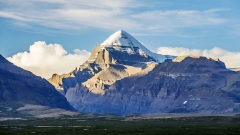
For Mount Kailash pilgrimage routes, food stops along the way mainly serve Tibetan and Sichuan-style meals. Vegetarian travelers can select vegetable-based dishes and may choose to carry supplemental snacks or meal replacements during the circumambulation trek.
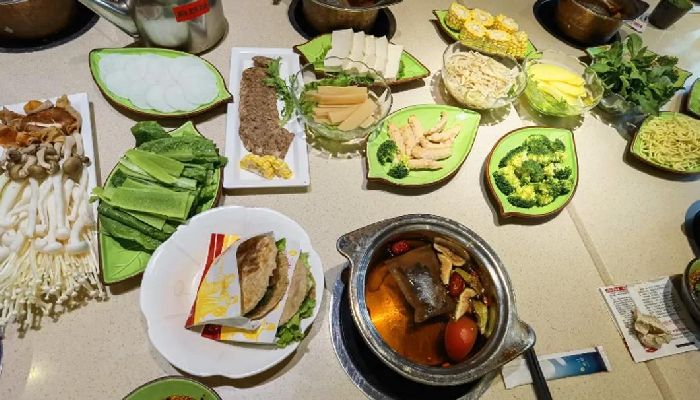
Vegetarian Pptions in Lhasa
Joining Group Tours as a Vegetarian Traveler
Vegetarian travelers joining group tours in Tibet are strongly encouraged to communicate dietary preferences in advance.
Most hotels provide vegetarian-friendly breakfast options. Lunch and dinner are usually flexible, with guides recommending restaurants that can accommodate vegetarian meals. Clear communication helps avoid misunderstandings regarding cooking oils, broths, or seasonings.
Working with an experienced Tibet-focused travel operator significantly improves the overall experience for vegetarian travelers.
Three Important Tips for Vegetarian Travelers to Tibet
- First, vegetarian food is not always cheaper. Due to transportation costs, vegetables may be more expensive than meat in high-altitude or remote regions.
- Second, Lhasa offers the greatest variety. Travelers should take advantage of food options in Lhasa before heading into more remote areas.
- Third, travelers with strict dietary requirements should inform their travel consultant early. This allows guides and hotels to prepare appropriate arrangements.
Vegetarian Travel in Tibet Is More Accessible Than You Think
Tibet is not a destination that vegetarian travelers need to avoid. With proper planning and realistic expectations, a vegetarian lifestyle can be comfortably maintained throughout the journey. In many ways, vegetarian travel allows visitors to connect more deeply with Tibetan culture, religious values, and traditional foods.
China Dragon Travel specializes in Tibet travel experiences for international visitors and understands the practical needs of vegetarian travelers. With thoughtful planning and local expertise, a vegetarian-friendly journey through Tibet can be both meaningful and memorable.