
For many travelers, Lhasa is far more than a destination on a map. It is the spiritual heart of Tibet, a city shaped by devotion, altitude, and centuries of tradition. Sitting at over 3,650 meters above sea level, Lhasa has long been the political, religious, and cultural center of the Tibetan Plateau.
For centuries, pilgrims have crossed snow-covered passes and vast grasslands to reach this sacred city. Today, travelers from around the world come not only to admire its iconic landmarks, but also to experience a way of life deeply rooted in faith, simplicity, and harmony with nature.
Lhasa is a city of contrasts: grand monasteries and quiet backstreets, solemn rituals and everyday laughter, ancient beliefs and modern rhythms. Understanding Lhasa requires more than checking off famous sights—it asks you to slow down, observe, and engage.
This guide introduces the most essential highlights of Lhasa and its surrounding areas, offering insight for first-time visitors as well as travelers seeking a deeper, more authentic Tibetan experience.
The Potala Palace: The Symbol of Lhasa and Tibet
No visit to Lhasa is complete without seeing the Potala Palace, one of the most iconic architectural and spiritual landmarks in the world. Rising dramatically from Red Hill, the palace dominates the skyline and serves as the enduring symbol of Tibet.
Historically, the Potala Palace was the winter residence of successive Dalai Lamas and the center of both religious and political power. Its white and red structures house thousands of rooms, chapels, statues, murals, and sacred relics, each telling stories of devotion, governance, and Tibetan history.
Visiting the Potala Palace is not just a sightseeing experience—it is a journey through time. Due to its altitude and stair-heavy layout, visitors are encouraged to take their time and allow their bodies to adjust. The reward is a profound sense of awe and perspective that stays long after you leave.
Barkhor Street: The Living Heart of Old Lhasa
While the Potala Palace represents Lhasa’s grandeur, Barkhor Street reveals its soul.
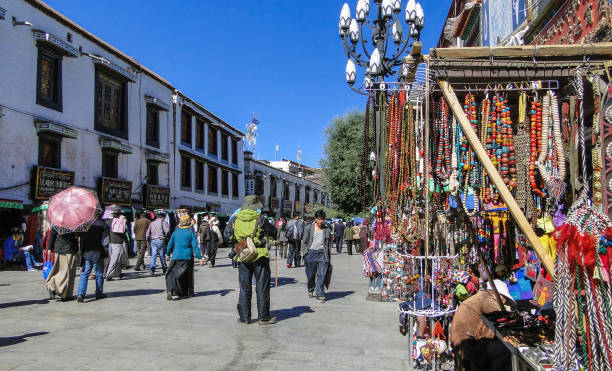
Encircling Jokhang Temple, Barkhor Street is one of the oldest neighborhoods in Lhasa and remains a vibrant center of daily life. Pilgrims walk clockwise along the street, spinning prayer wheels and murmuring mantras, while shopkeepers, monks, and travelers move side by side.
Here, spirituality and commerce coexist naturally. You will find stalls selling Tibetan incense, prayer beads, handcrafted jewelry, traditional clothing, and local snacks. For photographers and curious travelers, Barkhor Street offers endless moments of genuine human interaction and cultural authenticity.
Walking through Barkhor is one of the best ways to understand how religion continues to shape everyday life in Lhasa.
Sera Monastery Debate: Wisdom in Motion
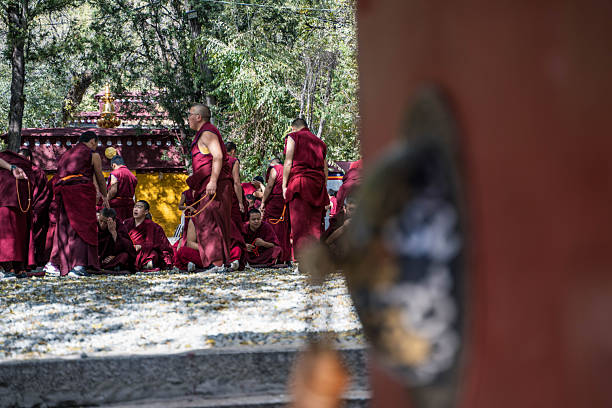
One of the most fascinating cultural experiences in Lhasa takes place at Sera Monastery, one of the city’s three great Gelug monasteries.
Every afternoon, monks gather in the courtyard for traditional Buddhist debates. Through sharp questions, dramatic hand claps, and animated gestures, they challenge each other’s understanding of Buddhist philosophy. The debates are intense, energetic, and intellectually rigorous.
Even without understanding the language, visitors can feel the passion and discipline behind the practice. It is a powerful reminder that Tibetan Buddhism is not only about meditation, but also about critical thinking and lifelong learning.
Chubsi Monastery: A Hidden Retreat in the Valley
For travelers seeking a quieter, more contemplative experience, Chubsi Monastery offers a peaceful alternative to Lhasa’s larger religious sites.
Located in a serene valley west of the city, Chubsi Monastery is associated with the Kagyu school of Tibetan Buddhism. The journey itself is part of the experience, passing through open landscapes, small villages, and gentle mountain scenery.
Chubsi Monastery is ideal for those who want to step away from crowds and experience a more intimate connection with Tibetan spiritual life.
Namtso Lake: The Heavenly Lake of Tibet
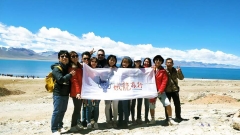
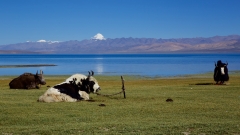
A journey to Namtso Lake is one of the most unforgettable experiences near Lhasa. Situated approximately five to six hours from the city, Namtso is one of Tibet’s three sacred lakes and is often referred to as the “Heavenly Lake.”
At an altitude of over 4,700 meters, Namtso’s deep blue waters reflect the vast sky and surrounding snow-capped mountains. The sense of openness and silence is profound, making it a favorite destination for nature lovers and photographers alike.
Due to the high altitude, it is recommended to spend a few days acclimatizing in Lhasa before visiting Namtso. Once there, travelers often find themselves slowing down naturally, simply absorbing the scenery and atmosphere.
Tibetan Sweet Tea Houses: Everyday Life in Lhasa
To truly understand Lhasa, you must experience its sweet tea houses.
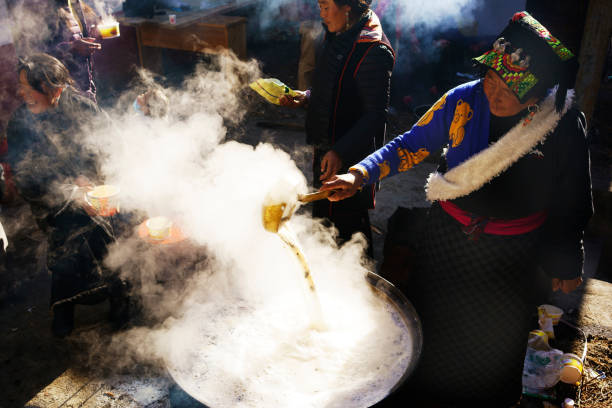
These modest local cafés are an essential part of daily life. Inside, locals gather to drink sweet milk tea, chat with friends, read newspapers, and take a break from the day. The atmosphere is warm, social, and unpretentious.
For visitors, sitting in a sweet tea house offers a rare opportunity to observe local life at its most natural. It is here that Lhasa feels less like a destination and more like a living, breathing community.
Lhasa as the Gateway to Tibet
For most travelers, Lhasa is not only a destination but also the starting point for deeper exploration of Tibet. From here, journeys continue toward Shigatse, Mount Everest, Namtso Lake, or more remote regions of the plateau.
Spending sufficient time in Lhasa allows travelers to acclimatize physically while also adjusting mentally to the slower rhythm of high-altitude life. This balance is essential for a rewarding Tibetan journey.
More Than a Place to Visit
Lhasa is not a city that reveals itself all at once. Its beauty lies not only in its landmarks, but in the quiet moments between them—in the rhythm of prayer wheels, the laughter in tea houses, and the devotion etched into everyday routines.
Traveling in Lhasa is not just about seeing Tibet. It is about experiencing a different way of being.
For those willing to slow down and observe, Lhasa offers something rare: a journey that resonates long after the trip has ended.