
Most travelers begin their Tibet trip in Lhasa, and Shigatse—western Tibet’s key hub with unique religious culture and stunning landscapes—is a must-visit. The Lhasa-Shigatse Fuxing train, far more comfortable and convenient than self-driving or buses, cuts travel time to ~2 hours, letting you soak in plateau scenery from the Lhasa to Yarlung Zangbo River. Dubbed a “sky road in the clouds”, it links Tibet’s natural and cultural essence. Below is a detailed guide on ticketing, attractions, accommodation, food and tips for a smooth journey.
Lhasa to Shigatse Ticket Purchase and Boarding Preparations
Purchasing tickets for the Lhasa-Shigatse train is the same as for regular high-speed trains, but due to the uniqueness of the plateau route, extra attention to details is required to avoid delays.
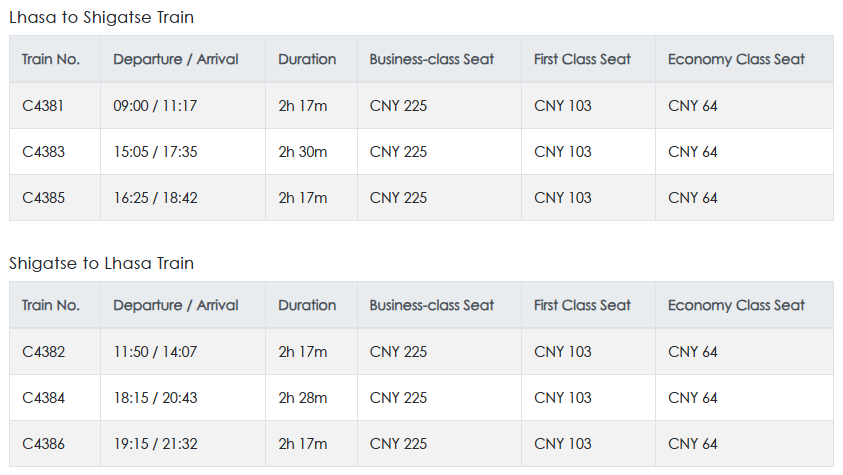
Lhasa to Shigatse Train
Ticketing Channels
It is recommended to buy tickets through the official 12306 website or mobile app. During peak seasons (June-September, National Day, Spring Festival), tickets should be snapped up 7-15 days in advance, especially for weekend trains which are often in high demand. If traveling with a large group, keep an eye on the multi-ride tickets launched by the railway department. Currently, two types of multi-ride tickets are available for the Lhasa-Shigatse railway: 10 rides/90 days and 20 rides/90 days, offering better value for money for travelers needing multiple round trips or stops along the way. Tickets can also be purchased at station windows and self-service ticket machines, but valid documents such as ID cards are required. Foreign tourists must present their original passports.
Train Schedules
Currently, all trains operating on the Lhasa-Shigatse Railway are Fuxing EMUs, mainly temporary trains during normal operation. The core trains are C4381 and C4383, which run stably from December 31, 2025 to January 25, 2026. In addition, train C4385 is occasionally added according to passenger demand, with specific operation dates concentrated on holidays and peak travel days, such as December 31, 2025 and January 1, 2026. Among them, train C4381 departs Lhasa Station at 09:00 and arrives at Shigatse Station at 11:17; train C4383 departs at 15:05 and arrives at 17:35, stopping at Xiongrong, Qushui and other stations along the way. Since train schedules are dynamically adjusted, be sure to check the latest timetable on 12306 before traveling and avoid relying on outdated information.
Travel Preparation
For documents, an ID card or passport is essential, and you need to cooperate with security checks and identity verification when entering the station. For luggage, the plateau climate is changeable, so even in summer, it is necessary to carry a thin coat or waterproof jacket. The air conditioning temperature on the train is relatively low to prevent catching colds. It is recommended to bring a thermos cup to replenish hot water at any time and relieve the dryness of the plateau. People sensitive to altitude sickness can prepare portable oxygen cylinders and anti-altitude sickness medicine in advance, but it should be noted that open flames and illegal electrical appliances are prohibited on the train, and oxygen cylinders must comply with security check regulations. In addition, security check times at the station are relatively long, especially during peak seasons. It is recommended to arrive at Lhasa Station 1.5 hours in advance to reserve enough time for ticket collection and station entry. Do not rush to travel at the last minute.
Highlight of the Train Journey: A Moving Plateau Observation Deck
The Lhasa-Shigatse train is 251 kilometers long, with an altitude ranging from 3600 meters to 4000 meters. Along the way, it passes through 116 bridges and 26 tunnels. Every view is spectacular, truly realizing the experience of “sitting in the car, the car traveling in the painting”.
Carriage Experience
The current trains are Fuxing EMUs upgraded for the plateau environment. The entire train is equipped with a diffuse oxygen supply system, which can effectively alleviate altitude sickness discomfort, with lower operating noise and higher comfort. The interior of the carriage is clean, the seats are spacious, including business class, first class and second class. The official discounted ticket price is 70% to 71% of the original price, specifically 225 RMB for business class, 103 RMB for first class, 64 RMB for second class, and the price of standing tickets is the same as that of second class. The car windows are large-sized, facilitating the shooting of scenery along the way. There are mobile food carts on the train selling Tibetan characteristic foods such as yak beef jerky and highland barley yogurt. The flight attendants provide hot water service, and you can also bring your own snacks and drinks.
Must-See Scenery Along the Way
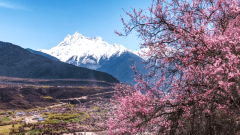
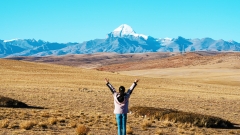
Shortly after departure, the train will travel along the Lhasa River. The river water is clear to the bottom, and on both sides are continuous highland barley fields and Tibetan villages. The red-walled and white-roofed houses dotted in the green fields are very distinctive of Tibet. When passing through the Qushui section, you can overlook the magnificent Yarlung Zangbo Grand Canyon. The river rushes endlessly, the mountains on both sides are towering, and it looks more mysterious when shrouded in clouds and mist. When passing through Nyemo County, if you are lucky, you can see distant snow-capped mountain relics and grassland scenery. The Tibetan-Nepali paper and Tibetan incense making techniques here are unique and important carriers of Tibetan culture. When approaching Shigatse, the Nianchu River Wetland Park comes into view. The wetland is rich in water and grass, and occasionally waterbirds can be seen perching, adding a touch of vitality to the journey. It is recommended to choose a window seat, the left window has a better viewing angle. When taking photos, pay attention to avoiding glass reflections.
Core Attractions in Shigatse: Explore Western Tibetan Culture and Natural Wonders
After arriving at Shigatse Station, transportation in the urban area is very convenient. Taxis, buses or shared bicycles can meet travel needs. Shigatse is rich in attractions, and it is recommended to reserve 2-3 days for traveling to both feel the profound religious culture and appreciate the magnificent plateau nature.
Tashilhunpo Monastery
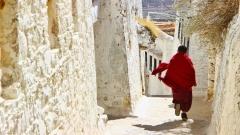
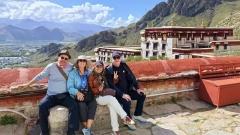
As a symbol of Shigatse, it was founded in 1447, meaning “Auspicious Sumeru Monastery”, and is one of the six major monasteries of the Gelugpa sect. The buildings in the monastery are magnificent, with golden roofs and red walls shining brightly in the sun. The 26-meter-high gilded bronze Buddha enshrined in the Jamkhang Hall is known as the world’s largest. Standing in front of the Buddha, people are inevitably shocked by its solemn momentum. When visiting, you need to abide by the monastery rules, refrain from making loud noises and taking photos with flash. Some halls are not open to the public, so you need to follow the guidance of the monks. The ticket price starts from 449 RMB, and online booking is cheaper. The opening hours are 9:00-17:00. It is recommended to go in the morning when the light is soft and there are fewer tourists, making it easier to feel the peaceful atmosphere of the monastery.
Yamdrok Lake
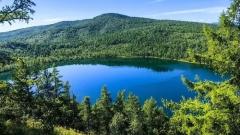
Although it is a certain distance from downtown Shigatse, it is very convenient to go there from Shigatse. Together with Nam Co and Manasarovar, it is known as the three holy lakes in Tibet, meaning “Swan Lake” in Tibetan. The lake water is pure and transparent blue, like a sapphire left by a fairy on earth, reflecting the surrounding snow-capped mountains and prayer flags, which is extremely beautiful. It is recommended to go on a sunny day to appreciate its ultimate beauty. The best visiting time is in the morning when the light is soft and the lake surface shimmers. There are multiple viewing platforms by the lake. You don’t need to enter the paid scenic area; you can take beautiful photos by the road.
Karola Glacier
Located beside Provincial Highway 307, it is one of the three major continental glaciers in Tibet and the most accessible glacier scenery along the Lhasa-Shigatse route. The glacier winds down from the top of the snow-capped mountains, with its tongue reaching the highway. The blue-white ice body is covered with cracks, like the magical work of nature. The ticket price is 50 RMB. If you only take photos by the road, no ticket is needed. At noon when the sun is sufficient, the color of the glacier is more pure, which is the best time for taking photos. Keep warm as the temperature near the glacier is relatively low to avoid catching cold.
Everest Base Camp
For mountaineering enthusiasts and landscape photographers, it is definitely a must-visit place. Departing from downtown Shigatse, you can go there by chartered car or group tour. Along the way, you will pass through famous landscapes such as the 108 Turns, and you can overlook 5 snow-capped mountains above 8000 meters at the same time. The altitude of the base camp is 5200 meters. You need to prepare for altitude sickness in advance and carry thick down jackets, oxygen cylinders and other supplies. The ticket price is 160 RMB, and the sightseeing bus fare is 120 RMB. It is recommended to book in advance, and you may need to queue during peak seasons. Early morning or evening is the best time to watch Mount Everest. At sunrise, the snow-capped mountains are dyed golden, and at sunset, they present a magnificent silhouette.
Lesser-Known Hidden Gems
If time permits, you can visit the Qilin Gorge Scenic Area. The canyon is deep and narrow, with various rock shapes. When the sun shines at noon, it glimmers with golden light, like a mythical world. Sakya Monastery is known as the “Second Dunhuang”, with a large number of palm-leaf manuscripts and Yuan Dynasty murals stored in the monastery, making it an important place for the study of Tibetan culture. Gyantse Bazaar is full of human fireworks, with a wide variety of yak beef jerky, hand-painted thangkas and Tibetan-style jewelry. Learning a few simple Tibetan greetings can bring enthusiastic responses from local residents.
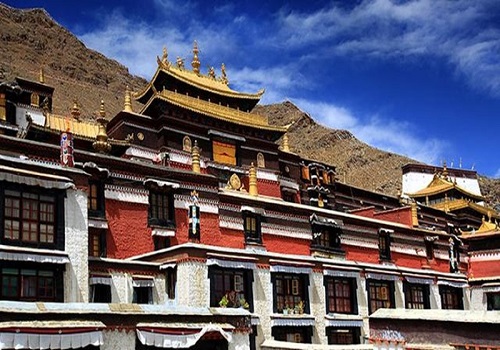
Tashilhunpo Monastery
Accommodation, Food & Practical Tips
- Accommodation: It is recommended to choose homestays or hotels near Tashilhunpo Monastery in downtown Shigatsefor convenient transportation. Most homestays are of Tibetan style with exquisite interiors. Some rooms can overlook the golden roof of the monastery, and you can hear the sound of scriptures recitation in the morning, immersing yourself in Tibetan life. The price ranges from 100 to 500 RMB, and reservations are required during peak seasons. If you pursue cost-effectiveness, you can choose homestays near Jilin South Road, where there are many teahouses and small shops, full of life.
- Food: Tibetan cuisine in Shigatseis very distinctive and must not be missed. Tibetan sweet tea houses are the best places to experience local life. A cup of sweet tea only costs 1 RMB, with a rich and mellow taste, and it is a classic combination to eat with Tibetan noodles. Kangba sheep meat is tender and non-greasy, which can be roasted or boiled, and is a local characteristic ingredient. In addition, zanba, yak beef jerky and Tibetan yogurt are also worth trying. It is recommended to taste them in local vegetable markets or snack streets for better cost-effectiveness and to experience the most authentic western Tibetan flavor.
- Practical Tips: Preventing altitude sickness is the top priority. The average altitude of Shigatseis about 4000 meters. After arrival, avoid strenuous exercise, drink plenty of water, try not to take a bath on the first day, and you can take anti-altitude sickness medicine in advance. In terms of climate, Shigatse has a large temperature difference between day and night and strong ultraviolet rays. You need to carry sun protection clothing, sunglasses, hats, sunscreen and other supplies, and add or remove clothes at any time. In terms of cultural etiquette, respect local customs when communicating with local residents. Take off your hat when entering monasteries, do not touch Buddha statues and prayer flags at will, and ask for permission before taking photos with others. In terms of transportation, the starting price of taxis in the urban area is relatively low. You can share a car or charter a car to visit surrounding attractions. Choose regular taxis or travel agency vehicles and avoid taking unlicensed taxis.
Lhasa to Shigatse Train: Start a Perfect Tibet Journey
The train journey from Lhasa to Shigatse is not only a means of transportation, but also a visual and spiritual feast through the snowy mysterious land. From the religious holy land of Lhasa to the magnificent scenery of Shigatse, this train connects the essence of Tibet, allowing every tourist to easily appreciate the unique charm of western Tibet. If you want to make your journey more worry-free without the hassle of planning, China Dragon Travel can provide customized services, from booking Lhasa-Shigatse train tickets to Shigatse attraction explanations and accommodation arrangements. A professional team will escort you throughout the journey, allowing you to focus on enjoying the beautiful scenery of Tibet and create a perfect plateau travel memory.