
Lost Civilization | Kizil Thousand Buddha Caves Travel Guide
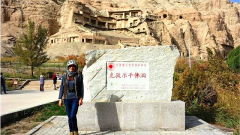
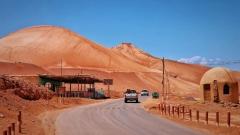
If you have visited Mogao Caves, Longmen Grottoes, or Yungang Grottoes, Kizil may feel very different—more fragile, more damaged, quieter, even desolate in places.
But historically, this is where Chinese Buddhist cave art began.
First excavated in the late 3rd century, Kizil predates Dunhuang by nearly 300 years. It was the spiritual and artistic center of the ancient Kingdom of Kucha and played a key role in transmitting Buddhism from India through the Western Regions into central China.
What you see today is only a fraction of what once existed—but it is still powerful, if you know how to look.
This guide is written for travelers who want to truly understand Kizil, not just walk through it.
Kizil Caves
1. How to Get There
✈ By Air
You can fly directly to Kuqa (Kuqa Qiuci Airport), or fly into Aksu and transfer by car.
-
Kuqa → Kizil: about 1.5 hours by car
-
Aksu → Kizil: about 2.5 hours
🚘 Self-Drive or Private Car (Highly Recommended)
Public transportation is extremely limited. Renting a car or hiring a driver is strongly recommended.
If you plan to visit nearby cave sites such as Kumtura Caves and Kizil Gaha Caves, a two-day self-drive itinerary works best.
2. Tickets & Special Cave Reservations
🎫 Regular Ticket
RMB 70 per person
Purchase on site (usually no reservation needed in low season).
Visitors are grouped and guided through 6 randomly selected standard caves. You cannot choose the caves yourself.
🔐 Special Caves (By Reservation Only)
If you want to access special caves (including Cave 114 in the inner valley or selected premium caves in other sections), you must email the research institute at least 10 days in advance.
Application forms are available via the Qiuci Research public account.
Approval is usually confirmed by phone within 1–2 days.
Important notes:
-
You do NOT need to be part of a study group.
-
Approval rates are high in low season.
-
If no response, resend the email.
Approximate fees (subject to change):
-
West Valley special caves: ~RMB 200 per cave
-
Inner Valley Cave 114: ~RMB 300
-
Back Mountain premium caves: ~RMB 350
3. Visiting Rules & Important Reminders
After entering the ticket gate, the entire visit is on foot. There are no shuttle buses.
Important:
-
Use the restroom before entering
-
All bags and cameras must be stored before reaching Kumarajiva Square
-
Even water is not allowed inside
-
Photography is strictly prohibited
Before entering:
✔ Eat properly
✔ Drink water
✔ Do your homework
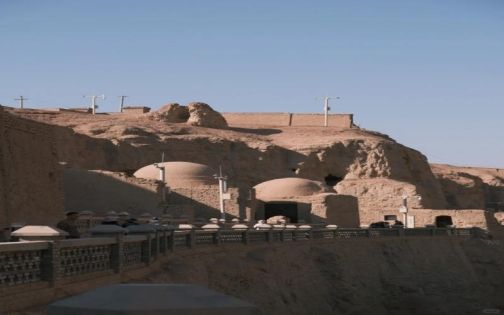
Kizil Caves
4. Suggested Two-Day Itinerary
Day 1 – Main Kizil Area
West Valley Standard Caves (Must-See)
Commonly included caves:
-
Cave 8: The “Sixteen Sword-Bearers” (original donor portraits removed)
-
Cave 17: Jataka tales (often the highlight)
-
Cave 27: Checkerboard ceiling design
-
Cave 32: Avadana (karma) stories
-
Cave 34: Kuqa donor portraits
What to observe:
-
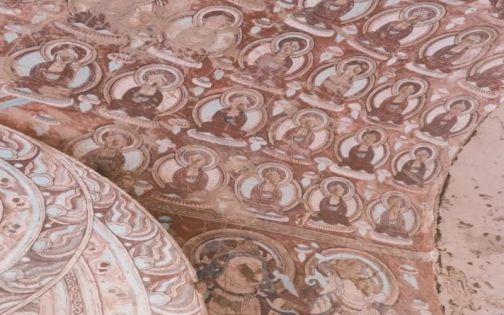
Diamond-grid compositions
-
Jataka stories (Buddha’s previous lives)
-
Central pillar cave layout
-
Small holes used for inserting red willow branches
Guided explanations are brief. Watching a documentary beforehand greatly improves the experience.
If available, choose one special cave (Cave 80 is often recommended).
Day 2 – Surrounding Cave Sites
Kumtura Caves
About 30 minutes from Kuqa city.
Highlights:
-
Long excavation history
-
Clear artistic transition showing increasing Sinicization
-
Murals less intact but historically meaningful
Best for understanding stylistic evolution.
Kizil Gaha Caves
Originally a royal monastery complex.
Heavily damaged; few intact murals remain, but architectural diversity is notable.
For casual visitors, the main Kizil caves are usually sufficient.
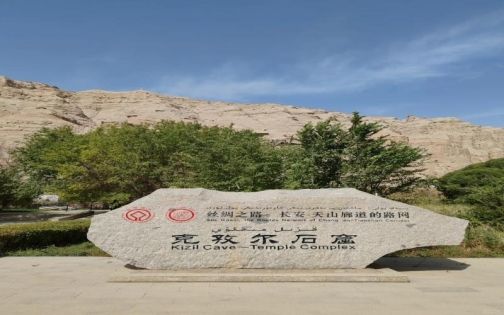
Kizil Caves
5. Artistic Style: What Makes Kizil Unique?
-
236 numbered caves
-
Around 10,000 square meters of surviving murals
-
Strong Gandharan artistic influence
-
Use of red, green, and blue shading
-
Distinct diamond-grid composition
-
Emphasis on early Hinayana themes
This is not Central Plains Buddhist art—it is distinctly Western Regions in style.
6. Why It Matters
-
Buddhism entered Xinjiang in the 1st century BCE
-
Large-scale excavation began in the late 3rd century
-
Gradually abandoned after the 8th century
-
Once ranked among China’s Four Great Grottoes
-
Removed due to severe damage
In the early 20th century, German expeditions removed many murals. What remains today often shows bare, scarred walls—a painful but important part of the story.
Kizil is not about visual perfection. It is about origins.
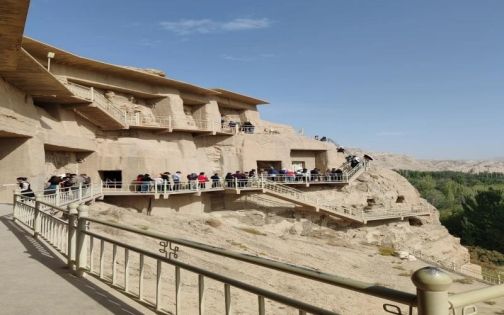
Kizil Caves
7. Best Time to Visit
Best seasons: April–June and September–October
Summer is very hot; winter can be harsh.
Low season offers fewer visitors and better chances for special cave access.
8. Where to Stay
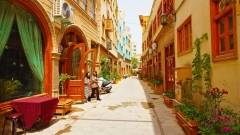
Stay in Kuqa city for convenience.
Options range from modern hotels to Uyghur-style guesthouses in the old town.
9. Is It Worth Visiting?
If you want perfectly preserved murals, Dunhuang may be better.
If you want to understand:
-
How Buddhism entered China
-
How Western art influenced Chinese tradition
-
How history can both create and destroy beauty
Then Kizil is essential.
Travel is not just about seeing landscapes.
At Kizil, you confront civilization itself.